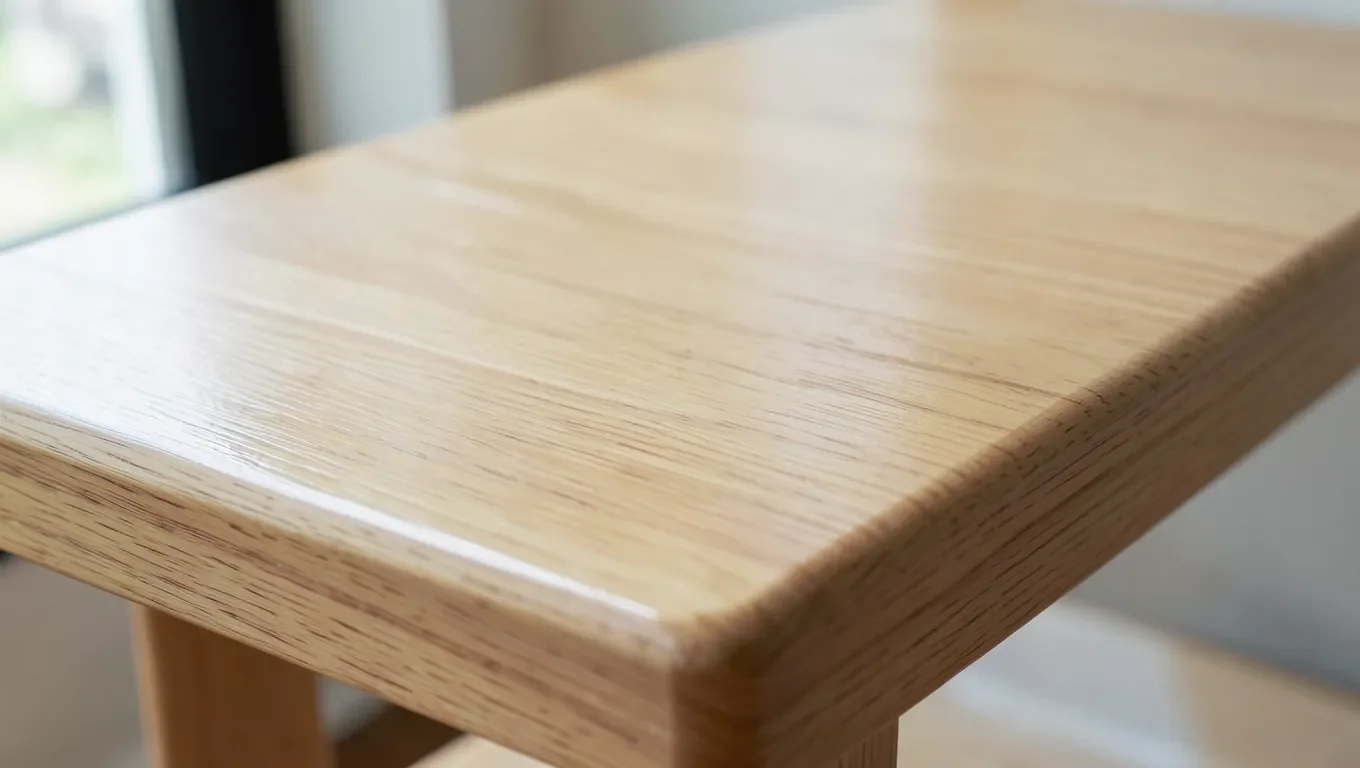
How to Seal Rubberwood: The Right Finish for Furniture vs. Cutting Boards
Rubberwood, also sold as parawood, comes from the rubber tree (Hevea brasiliensis) after its latex-producing years are finished – a genuinely sustainable byproduct rather than a tree cut down specifically for lumber. That origin also explains why it needs sealing in the first place: rubberwood is moderately soft and porous, and left raw it will soak up moisture, swell, warp, or stain within weeks of everyday use. What most guides skip is that the right sealer depends entirely on what the piece is for. A rubberwood side table and a rubberwood cutting board need two different products, and using the wrong one on the wrong piece is the single most common rubberwood-sealing mistake.
Sealing Rubberwood Furniture: Polyurethane or Lacquer
For furniture, cabinets, shelving, and any rubberwood piece that will not be cut on directly, a film-forming topcoat is the right call. Polyurethane and lacquer both cure into a hard, continuous layer that keeps moisture out of the wood’s open pores and resists scratches from daily handling. Polyurethane is the more forgiving choice for a first-time DIY project – it’s more tolerant of an imperfect application and holds up well under normal household wear. Lacquer dries faster and levels out slightly glossier, but it’s less forgiving of brush marks and is usually better sprayed than brushed.
Best Rubberwood Furniture Topcoat
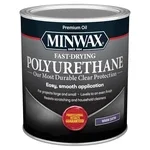 |
Minwax Fast-Drying Polyurethane, Warm Satin, 1 Quart – $15.97 A widely-used oil-based topcoat that seals rubberwood furniture surfaces against spills, scratches, and everyday moisture.
|
Whichever topcoat you choose, plan on two to three thin coats rather than one heavy one – thin coats level out evenly and are far less likely to bubble or sag on rubberwood’s fine, tight grain. If you’re also deciding whether to add color first, see our guide on whether you can stain rubberwood before sealing, since stain has to go on and dry before any topcoat.
Sealing Rubberwood for Cutting Boards and Food Contact
Skip the polyurethane here – this is where the furniture advice above stops applying. Even after polyurethane fully cures, it forms a brittle film on the surface, and a knife or scraper will eventually cut into that film and chip off small flakes that end up in your food. Rubberwood also has relatively large, open pores compared to a tight-grained wood like maple, which means food particles and moisture can get trapped in the grain more easily on a raw or improperly sealed board.
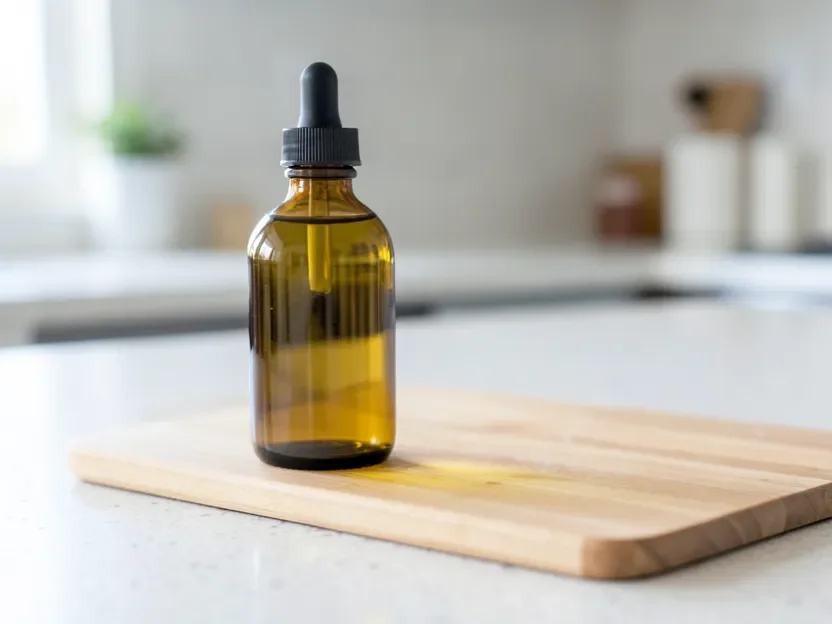
For any rubberwood surface that will actually touch food – cutting boards, butcher blocks, serving boards, utensils – use food-safe mineral oil, or a mineral oil and beeswax butcher-block conditioner for longer-lasting protection. Both soak into the wood instead of forming a surface film, so there’s no coating to chip, and both need periodic reapplication (roughly monthly for a board in regular use, or whenever the surface starts to look dry or pale). For a broader rundown of which finishes are and aren’t food-safe, see our guide on how to make wood food safe.
How to Prepare Rubberwood Before Sealing
Start by wiping the piece down with a mild soap-and-water solution on a soft cloth to remove grease, dust, and any residue from manufacturing. Let it dry fully, then sand with fine-grit sandpaper (220-grit is a safe default for rubberwood) working with the grain, not against it. Rubberwood’s grain is fine but not perfectly straight, so sanding against it can leave visible scratch marks under a glossy topcoat. Finish by removing all dust with a vacuum or a tack cloth – any dust left on the surface will get sealed in and show up as a rough or gritty texture once the finish dries.
Note that raw rubberwood is not naturally waterproof, which is exactly why this prep-and-seal process matters; for more on how it behaves before sealing, see is rubberwood waterproof.
Application Techniques for Sealants
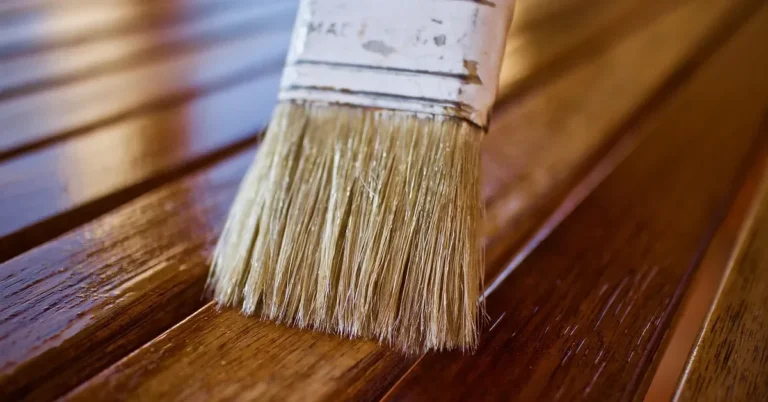
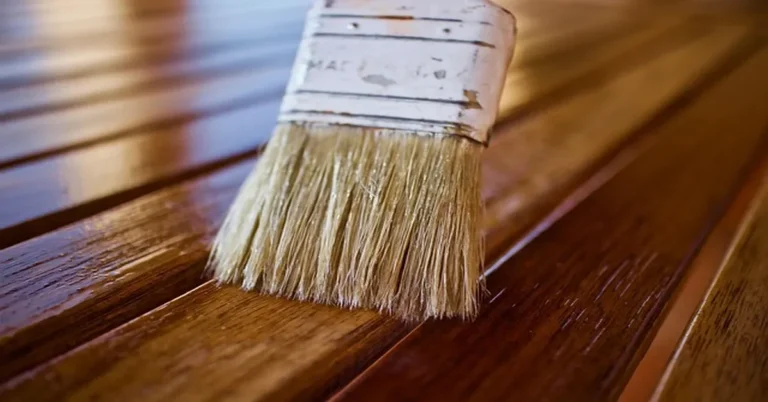
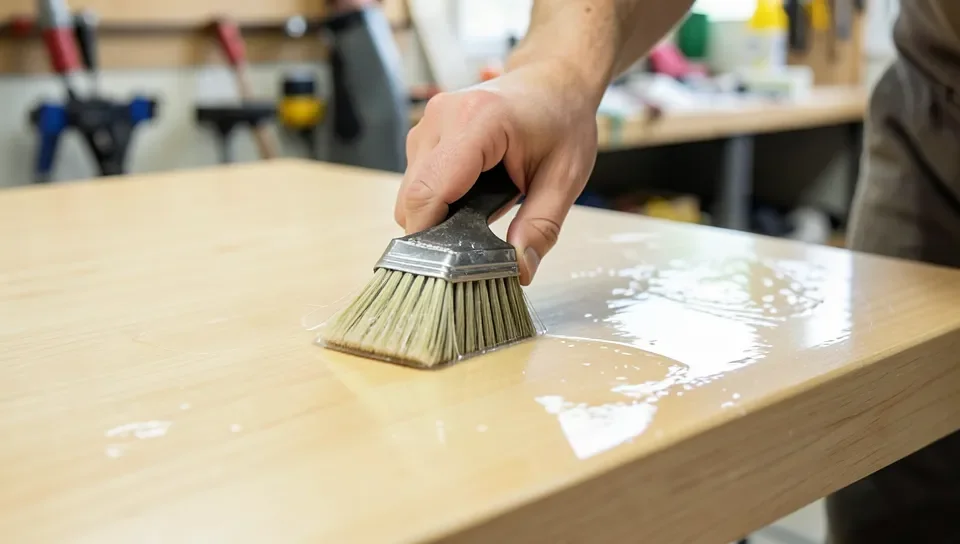
A natural-bristle brush is the standard method for oil-based polyurethane: load it lightly, apply with the grain, and work in manageable sections so you can catch drips before they set. Between coats, a light pass with fine sandpaper or an orbital sander knocks down any raised grain or dust nibs and helps the next coat bond. For mineral oil on a cutting board, skip the brush entirely – pour a small amount directly on the surface and work it in with a clean, lint-free cloth in circular motions, then wipe off any oil that hasn’t absorbed after about 20 minutes.
Drying and Cure Times
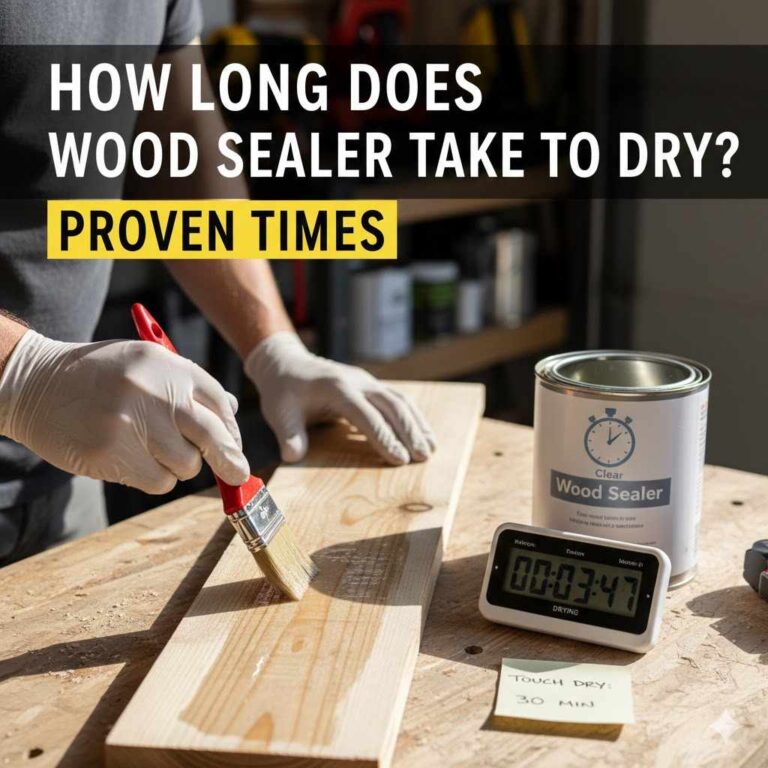
Most fast-drying oil-based polyurethanes are dry to the touch within a few hours and safe to recoat in about 4 to 6 hours – always check the specific product’s label, since formulas vary. “Dry” and “cured” are not the same thing, though: the finish reaches its full hardness and chemical resistance over a longer stretch, commonly cited as around 30 days for oil-based polyurethane, even though it will look and feel finished long before that. Avoid placing heavy objects or setting hot or wet items directly on a newly sealed piece during that window. Mineral oil, by contrast, has no real “cure” – it simply needs to soak in and the excess wiped off, which is part of why it’s the lower-maintenance but shorter-lasting option of the two.
Maintenance Tips for Sealed Rubberwood
For polyurethane-sealed furniture, regular dusting with a soft cloth and an occasional wipe with a damp cloth and mild soap is all that’s needed – avoid ammonia-based or abrasive cleaners, which can dull or cloud the finish over time. Wipe up spills promptly rather than letting them sit, and check the surface every six months or so; if it starts looking dull or the finish feels rough in spots, a light scuff-sand and a fresh coat will bring it back. For mineral-oil-sealed cutting boards and butcher blocks, wash by hand with mild soap and dry immediately – never soak or run through a dishwasher – and re-oil as soon as the wood starts to look pale or feel dry, which for a board in daily use is usually every few weeks.
Troubleshooting Common Sealing Problems
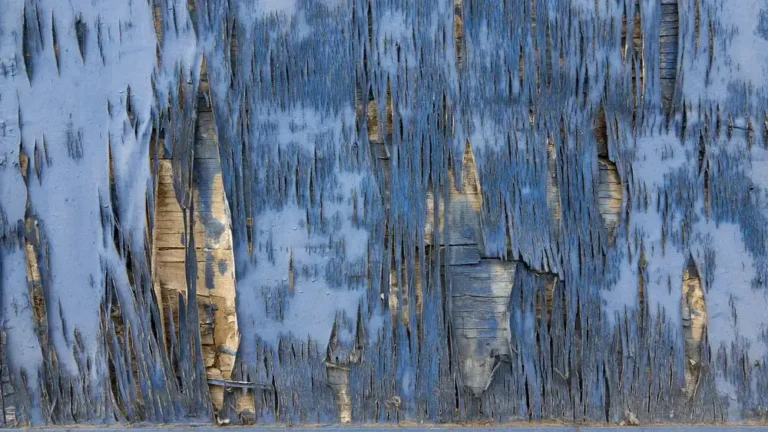
Bubbles in the finish usually come from applying too thick a coat or brushing too aggressively, which traps air. Let the coat cure, sand it smooth, and apply a thinner coat next time. Peeling or flaking almost always traces back to sealing over a surface that wasn’t fully clean or dry, or skipping the sanding step so the finish never bonded properly – strip back to bare wood and start the prep process over. Discoloration or yellowing is common with oil-based polyurethane exposed to direct sunlight over time; for pieces near a window, a UV-resistant finish or simply rotating/shading the piece will slow it down.
Frequently Asked Questions
Should I use polyurethane or mineral oil to seal rubberwood?
It depends on how the piece is used. Polyurethane or lacquer is the right choice for rubberwood furniture, cabinets, and shelving that won’t be cut on. Mineral oil or a mineral oil and beeswax conditioner is the right choice for cutting boards and anything that will touch food, since a hardened polyurethane film can chip under a knife.
How do I prepare rubberwood for sealing?
Clean the surface with mild soap and water, let it dry fully, then sand with fine-grit (around 220) sandpaper following the grain. Remove all sanding dust with a vacuum or tack cloth before applying any sealant, since trapped dust will show up as a rough texture once the finish dries.
How long does rubberwood polyurethane take to fully cure?
Most fast-drying oil-based polyurethanes are recoatable in 4 to 6 hours and dry to the touch the same day, but full hardness and chemical resistance typically take around 30 days. Treat the piece gently, avoiding heavy or wet items on the surface, until that cure time has passed.
Can I use polyurethane on a rubberwood cutting board?
It’s not recommended. Even fully cured, polyurethane forms a hard surface film that a knife or scraper can chip, and those flakes can end up in food. Use a food-safe mineral oil or butcher-block conditioner on cutting boards and other food-contact rubberwood pieces instead.
Conclusion
Sealing rubberwood is a two-path decision, not a one-size-fits-all step: polyurethane or lacquer for furniture and decor, food-safe mineral oil or a butcher-block conditioner for anything that touches food. Get the prep right – clean, sand with the grain, remove all dust – and match the sealer to the piece’s actual use, and a rubberwood project will resist moisture, wear, and staining for years instead of months.
Sponsored / affiliate links. As an Amazon Associate I earn from qualifying purchases. I may earn additional commission from eligible campaigns.