Can You Tile on Plywood? The Guide You Need to Know
Thinking about putting tile on a plywood subfloor? It’s a common DIY project, but it can be tricky for folks just starting out. Many wonder if it’s even possible, and the answer is usually yes, but with some important steps. Don’t worry, you’re not alone! This guide aims to answer, Can I Put Tile on Plywood? Read This First, making the whole process super simple to follow. We’ll explore everything from prep work to the final touches, ensuring your tiling project looks great and lasts a long time. Let’s get started!
Checking Your Plywood: Is It Ready for Tile?
Before you even think about laying tile, you need to be sure your plywood subfloor is ready for the task. This involves several key checks to avoid problems later. Tile is a heavy material, and if the subfloor isn’t stable, your tile can crack, your grout can fail, and your entire project can be ruined. The goal is to create a solid, stable base that can withstand the weight and movement of the tile.
This initial inspection will help you determine if your plywood is suitable for tiling. It’s much easier to address any issues now, rather than discovering them after you’ve already laid your tile. This will save you time, money, and a lot of headaches in the long run. Let’s explore the essential steps.
Plywood Thickness and Type: What Matters Most
The type and thickness of your plywood are very important when tiling. You need the right kind of plywood to handle the weight and movement. Using the wrong kind can lead to problems like cracking and shifting. Let’s explore the details of plywood selection for tiling.
- Plywood Thickness: For most tile installations, you want a plywood subfloor that is at least ¾ inch thick. This thickness is crucial because it provides enough rigidity to prevent flexing. Flexing can cause the tile and grout to crack. Thicker plywood offers better support, especially for areas that will experience more foot traffic or have heavier tiles.
- Plywood Type: Choose exterior-grade or marine-grade plywood. These types are made to resist moisture and are less likely to warp or swell. Warping and swelling can ruin your tile installation. Avoid using construction-grade or underlayment-grade plywood, as they are not designed for the same level of moisture resistance or structural integrity.
- Subfloor Prep: Your plywood subfloor needs to be clean, level, and securely fastened to the joists. Any dips, bumps, or loose screws can cause problems later. Use a level to check for unevenness and address any issues before proceeding.
- Building Codes: Keep in mind any local building codes. In some areas, these codes may dictate the minimum thickness or type of plywood required for tiling. Knowing and following these codes will help to ensure your project is up to code.
Consider a bathroom floor. The increased moisture from showers and baths means you must choose marine-grade plywood and ensure the proper thickness. This is an example of why choosing the right plywood is more than just about the project’s aesthetics.
Assessing the Subfloor’s Stability and Level
After you have selected the correct type and thickness of plywood, the next step is to examine the subfloor’s structure. A stable subfloor is essential for a successful tile installation. Before laying tile, make sure the subfloor is structurally sound and even. This is about making the plywood flat and secure to help avoid any tile problems later.
- Checking for Movement: Walk across the plywood. Is there any give or bounce? If so, the subfloor may need extra support. Add more fasteners to the plywood. If the joists are spaced too far apart, you may need to add additional joists or sister existing ones to reduce the flex.
- Leveling the Surface: Use a long level to identify any high or low spots. If the plywood isn’t level, the tile won’t be either. For small imperfections, you can use self-leveling compound. For larger problems, you might need to sand down high spots or add shims to low spots.
- Securing the Plywood: Check all the screws or nails holding the plywood in place. Are they flush with the surface? If not, use a screw gun or hammer to tap them down. Replace any loose or missing fasteners.
- Moisture Tests: Check for any signs of moisture damage. If the plywood has water stains or feels soft, there may be a leak. This problem must be addressed. Resolve any water-related issues before starting.
In a kitchen, for example, a damaged subfloor from a leaky dishwasher should be fixed before tiling. If the subfloor is weak, the tiles could crack, or the grout could deteriorate faster than expected. Addressing these issues now will help keep your tiling project strong and long-lasting.
Preparing Plywood for Tile: The Essential Steps
Once you’re sure your plywood is up to the task, the next steps are about prepping it so the tile sticks well and lasts. This preparation is the key to creating a solid surface for tiling. It’s all about making sure the tile adhesive can do its job correctly. Doing this right will boost the likelihood of a long-lasting, beautiful tiled area.
This process might seem like extra work, but it’s a smart move that saves you hassle down the road. Every detail matters when creating a solid base for your tile project. With the proper prep work, you set yourself up for success.
Applying a Waterproofing Membrane and Underlayment
One of the most important things to do before tiling is to add a waterproofing membrane and underlayment. These layers act like a defense system, protecting your subfloor from moisture and ensuring your tile installation is set up for success. They are vital in keeping moisture at bay, preventing potential problems.
- Waterproofing Membrane: This is an essential barrier against moisture penetration, protecting the plywood subfloor. This membrane can come as liquid-applied products or pre-formed sheets. They will keep water from seeping through to the plywood.
- Underlayment Options: There are various underlayment choices. Cement board is a great option. It offers a stable, durable surface that is water resistant. Other choices are tile backer board and uncoupling membranes.
- Installation: Follow the manufacturer’s directions for the membrane. Proper installation is critical for the effectiveness of the waterproofing. For cement board, you can use the right screws.
- Why It Matters: Without these layers, water can seep into the subfloor, causing mold, mildew, and structural problems. They are a crucial investment in the longevity of your tile installation.
Imagine tiling a bathroom. Without a waterproofing membrane, water could seep under the tiles, causing mold. By using a membrane, you safeguard against moisture, adding years to the life of your tile job.
Choosing the Right Thin-Set Mortar and Trowel Size
Selecting the right thin-set mortar and trowel size is a critical step in setting your tiles. Thin-set mortar is the adhesive that holds the tile to the underlayment. The trowel’s teeth create ridges in the mortar, which then holds the tile in place. The right combination guarantees a strong bond and a long-lasting tile installation.
- Thin-Set Mortar: Choose a thin-set mortar specifically for use with the type of tile you’re using. Different tiles need different types of mortars. For example, porcelain tiles require a modified thin-set mortar.
- Trowel Size: The trowel size determines the amount of mortar applied and directly influences the bond. The trowel’s notches create ridges. Choose the correct trowel size based on your tile size and the manufacturer’s recommendations. Larger tiles usually need a larger notch.
- Mortar Mixing: Follow the manufacturer’s directions for mixing the mortar. Use the correct amount of water to achieve the right consistency. A good mortar consistency will be workable but not too runny.
- Application: Apply the mortar to the underlayment with the trowel, creating even ridges. Then, carefully set the tiles into the mortar, ensuring each tile is pressed firmly into place.
Consider a large format tile project. If you use the wrong trowel size, you might not have enough mortar to fill the spaces under the tile. This can lead to the tile cracking later. The right choice is critical to the longevity and look of your project.
Laying the Tile on Plywood: A Step-by-Step Guide
Now that your plywood is ready, it’s time to start laying the tile. This step-by-step guide will walk you through the entire process, from planning your layout to the finishing touches. With patience and care, you can create a professional-looking tile installation that you’ll be proud of.
This phase is where your project comes to life. Paying close attention to each step ensures that the final product not only looks great but is also durable and stable. Let’s explore the process.
Planning Your Tile Layout and Dry-Laying
Before you begin applying the mortar, take time to plan your tile layout. This step will help you to avoid problems later. Carefully mapping out the design will help you visualize the finished result and save you from potential headaches. This stage is key to a professional-looking job.
- Measure the Area: Determine the area you will be tiling. Measure the length and width of the space accurately. Accurate measurements are crucial for determining how much tile you’ll need.
- Dry-Lay the Tile: Before mixing any mortar, arrange the tiles on the floor without adhesive. This “dry-lay” allows you to visualize the pattern and make adjustments to the layout. Experiment with different arrangements.
- Center Your Layout: Decide where your focal point will be and center your tile layout around it. This is useful for balancing the cuts and ensuring that any partial tiles are placed in less-visible areas.
- Cut Tiles as Needed: Use a tile cutter or wet saw to cut tiles. Always measure twice and cut once. Cutting tiles may be the most challenging part, so take your time and follow safety instructions.
If you’re tiling a kitchen, dry-laying ensures you avoid odd-sized cuts. This will help you balance the tiles and make your kitchen look more attractive.
Applying Mortar and Setting the Tiles
After you have planned your layout, the next step is to apply the mortar and set your tiles. Properly applying the mortar and setting the tiles is key to a strong and lasting bond. This step will make the final outcome look beautiful and last for a long time.
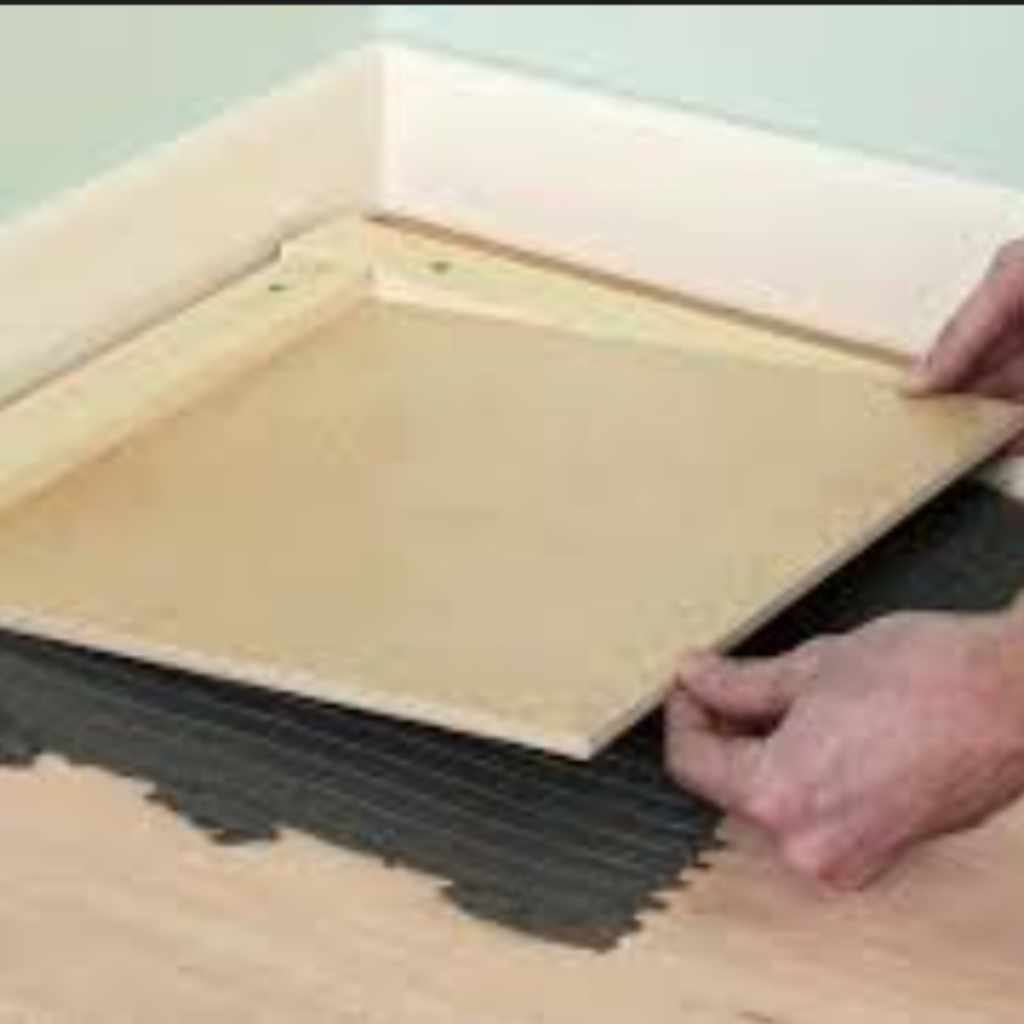
- Mortar Application: Use the right size trowel to apply the thin-set mortar to the underlayment. Spread the mortar evenly, and create ridges with the notched side of the trowel. This will help to provide a good grip for the tiles.
- Setting the Tiles: Place the tiles on the mortar, aligning them with your layout lines. Gently press the tiles into the mortar, ensuring they are level. Use tile spacers to maintain uniform grout lines.
- Checking Leveling: As you set the tiles, check for level. Use a level tool to ensure each tile is level with the surrounding tiles. This will guarantee a smooth, even surface.
- Correcting Imperfections: Remove any excess mortar. Clean up any mortar that comes out of the spaces. Address any problems immediately.
Consider a bathroom project. If you don’t apply the mortar correctly or ensure the tiles are level, you might experience issues with water pooling or the grout cracking. Attention to these details during the setting process is vital.
Grouting and Sealing: The Finishing Touches
Once the tiles are set and the mortar has cured, it’s time to grout and seal your tile installation. Grouting fills the spaces between the tiles and seals them. Sealing protects the grout from moisture and stains. These finishing touches are the final steps to create a complete and long-lasting tiled area. These steps will add a professional look and extend the life of your tile project.
These last steps make sure everything is sealed. Following the correct procedures will help protect your hard work and allow your tile job to last. Let’s delve into the process.
Grouting the Tile Joints and Cleaning Up
Grouting is the final step in a successful tile installation. It fills the spaces between the tiles. It is about creating a unified, water-resistant surface. Doing the grouting correctly can make or break the visual appeal and durability of your project. Let’s explore the steps.
- Choosing the Grout: Pick the right grout for your project. There are many grout types, so choose one suited to the project. Consider color and application when selecting grout.
- Mixing the Grout: Mix the grout according to the manufacturer’s instructions. Proper mixing is key to the grout’s performance and appearance. Mix until you get a smooth consistency.
- Applying the Grout: Use a grout float to apply the grout evenly across the tile. Work at a 45-degree angle. This helps to make sure the grout gets into the spaces between the tiles.
- Cleaning Up: After the grout has partially set (as directed by the manufacturer), use a damp sponge to remove the excess grout. Clean the tile surface. Let the grout cure completely before walking on it.
If you are tiling a shower, using a waterproof grout is critical for preventing water damage. Selecting the correct grout and applying it correctly is essential to a long-lasting, visually appealing result.
Sealing the Grout for Protection and Longevity
After grouting, sealing the grout is an essential step to protect it. Sealing grout adds extra defense. It helps to prevent stains, water damage, and mildew. This final step enhances the look and durability of your tile installation. It protects your hard work and makes sure your tile job lasts a long time.
- Types of Sealers: There are many types of grout sealers. Some sealers are designed for specific types of grout, while others are all-purpose. When selecting a sealer, consider how much traffic the area sees and how often it will be cleaned.
- Application: Apply the sealer according to the manufacturer’s instructions. Usually, you’ll apply the sealer evenly. Use a brush or sprayer.
- Drying Time: Allow the sealer to dry and cure completely. Drying times can vary, so make sure to check the manufacturer’s recommendations. It is important to wait until the sealer is fully dry before using the tiled area.
- Maintenance: Regularly reseal the grout, especially in high-moisture areas. Inspect the grout for any signs of damage or wear. Resealing can prevent mold growth and prolong the life of the grout.
If you’re tiling a kitchen, sealing the grout will protect it from food stains and spills. Regular sealing ensures that your tile installation looks great for years. Maintaining the grout is simple.

Frequently Asked Questions
Question: Can I put tile over old tile?
Answer: It’s often not recommended. You’ll need to assess the existing tile for its condition. Proper surface preparation, including cleaning and leveling, is essential for new tile to bond well. Always consider the additional weight and any height changes that the extra layer of tile may add.
Question: What’s the best tile for a bathroom floor?
Answer: Porcelain or ceramic tiles are excellent choices because they are water-resistant and easy to clean. Make sure the tile has a slip-resistant surface, especially in wet areas.
Question: How long should I wait before walking on the newly tiled floor?
Answer: It depends on the type of mortar you used, but generally, wait at least 24 to 72 hours for the mortar to cure fully. This waiting period allows the mortar to set properly, ensuring that the tiles are firmly in place.
Question: Do I need expansion joints when tiling?
Answer: Yes, expansion joints are necessary, especially in larger tiled areas or where the subfloor might experience movement. These joints will help prevent cracking by accommodating the natural expansion and contraction of the tile and the substrate due to temperature and humidity changes.
Question: How do I clean tile and grout?
Answer: Use a pH-neutral cleaner. Regular cleaning is key. Clean your tile and grout. Avoid harsh chemicals and abrasive cleaners, as these can damage the grout and the surface of your tiles. Use a soft brush to scrub the grout lines. Regular maintenance will preserve the appearance of your tile job.
Final Thoughts
So, Can I Put Tile on Plywood? Read This First. Yes, you definitely can! Getting your tiling project done right comes down to some key points. First, ensure your plywood is the right type and thickness, and that it is securely attached. Next, do not skip those crucial steps like waterproofing and using the right thin-set mortar. Planning out your tile layout and working carefully helps make sure everything fits and looks great. Finally, grouting and sealing are the finishing touches that complete the job and keep it looking its best for years. By following these suggestions, you’ll be well on your way to enjoying a beautiful and lasting tiled surface. The result will be a home improvement project you can be proud of.