Do I Need a Wood Planer? How to Actually Decide
Short answer: it depends entirely on what kind of lumber you buy, not on how serious a woodworker you are. If you almost always buy pre-surfaced (S4S) boards from a home center, you can go a long time without a planer. If you’re starting to buy rough-sawn lumber to save money, or you work with reclaimed wood, a planer stops being a luxury and becomes the tool that makes those boards usable at all.
The Real Question Isn’t “Is a Planer Useful” — It’s What Lumber You Buy
Best Benchtop Planer for Rough-Sawn Lumber
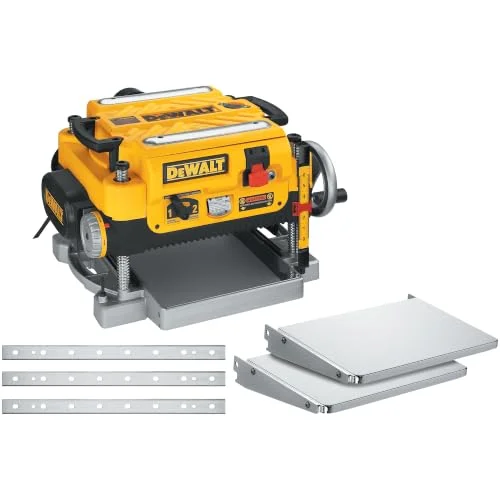 |
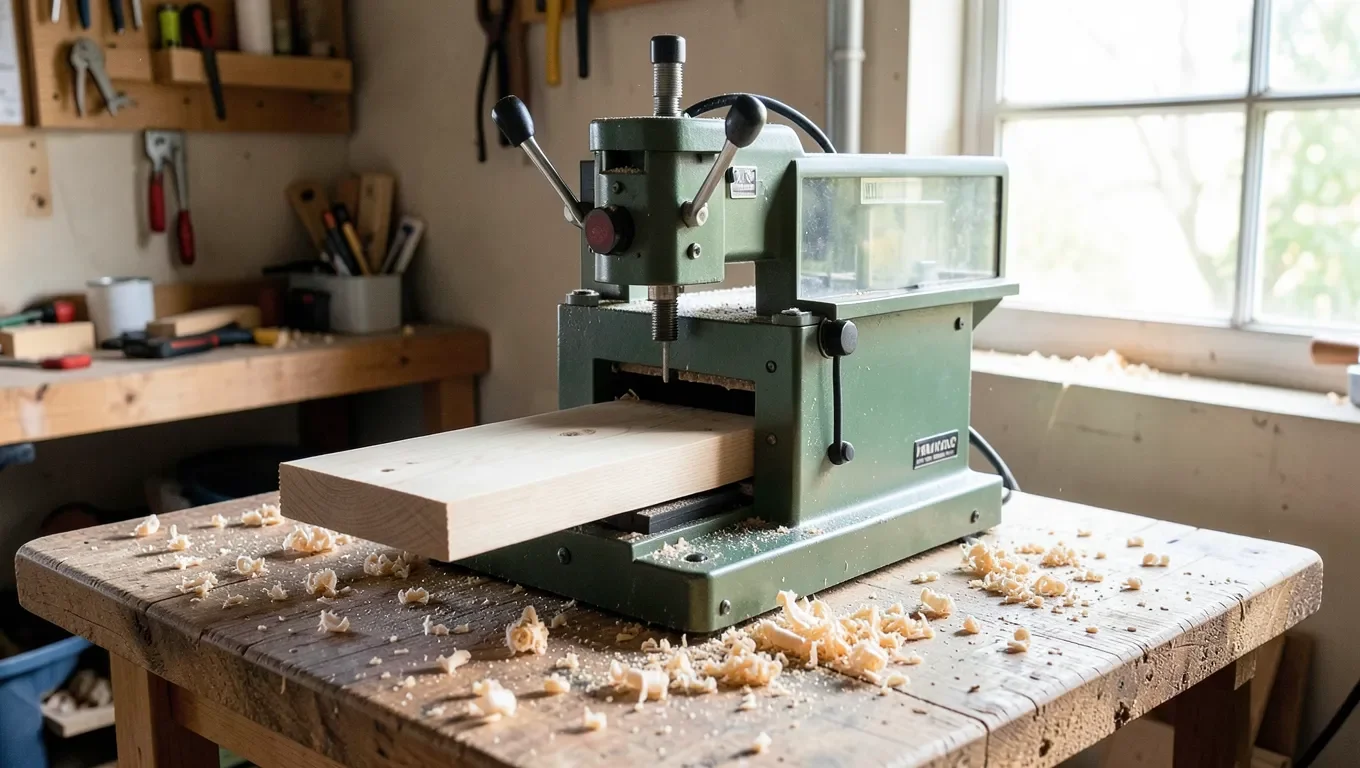
DEWALT DW735X 13-Inch Thickness Planer – $684.99 If you’ve decided you actually need a planer, this two-speed 13″ benchtop model handles rough-sawn and reclaimed lumber without bogging down.
|
Almost every guide to buying a wood planer skips the one factor that actually decides the answer: where your lumber comes from. Lumber at most home centers is sold S4S — surfaced on four sides, meaning a mill has already planed it flat, smooth, and to a consistent thickness before it ever reached the shelf. If that’s what you buy, a planer isn’t doing anything for you that hasn’t already been done.
Rough-sawn lumber is the opposite: it comes straight off the sawmill blade, with rough, uneven faces and thickness that can vary by an eighth of an inch or more across a single board. It’s usually 20–40% cheaper per board foot than S4S stock, but it’s unusable for furniture-grade work until something flattens and dimensions it — and that something is a planer, paired with a jointer for the first flat reference face.
So the honest first step isn’t “do I need a planer” in the abstract. It’s: are you buying (or planning to buy) rough-sawn lumber, salvaging reclaimed wood, or gluing up panels that need to match in thickness? If yes to any of those, keep reading — you need one. If no, you can skip the purchase and put that money toward something you’ll actually use.
When You Genuinely Need One
You’re buying rough-sawn lumber to save money. This is the single biggest reason home woodworkers eventually buy a planer. Rough-sawn hardwood at a local sawmill can run 30–50% less than the same species already surfaced at a home center or hardwood retailer — but that discount only pays off if you can dimension the boards yourself. Without a planer, rough-sawn lumber is a discount you can’t actually collect.
You work with reclaimed or salvaged wood. Old barn boards, deconstructed pallets, and reclaimed flooring are almost never flat or uniform. A planer is what turns a warped, weathered board into usable stock — there’s no realistic hand-tool shortcut for resurfacing a stack of reclaimed lumber in a reasonable amount of time.
You’re gluing up panels or matching thickness across boards. Cutting boards, tabletops, and cabinet panels all depend on every board in the glue-up being exactly the same thickness. Even lumber that started as S4S can develop slight thickness variation after it’s ripped, jointed, or sits around your shop for a few months. A planer is the only tool that brings a whole stack back to one uniform dimension in a single pass per board.
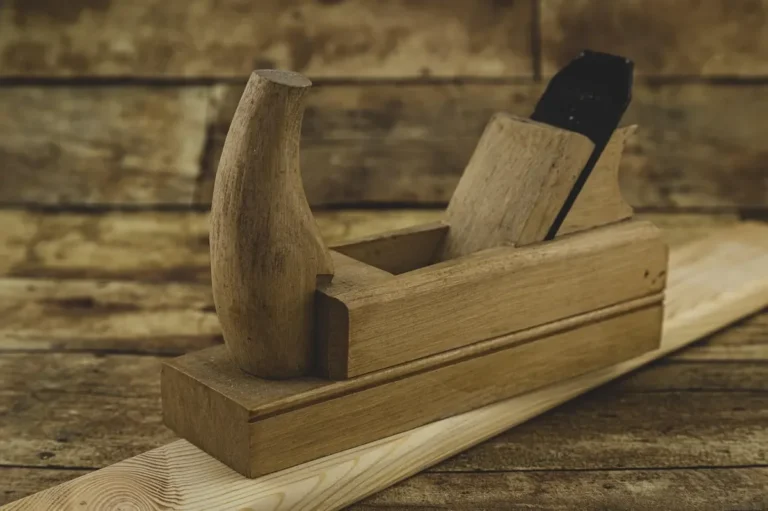
You do enough volume that hand-planing eats your weekend. A hand plane or belt sander used for light stock removal can dimension a board or two. Neither is realistic across a full project’s worth of lumber — a benchtop planer does in one pass what a hand plane takes many passes and real technique to match — including the marking-gauge and winding-sticks method that keeps it accurate.
When You Can Probably Skip It — For Now
You mostly build from pre-surfaced lumber. If every project starts with a trip to the home center for S4S boards, a planer will spend most of its life covered in a shop towel. That’s not a failure of your setup — it just means the tool you actually need next is something else (a table saw, a router, a good set of clamps).
You build occasionally, not constantly. A quality benchtop planer is a real investment in money and shop space. If you finish two or three small projects a year, the per-project cost of owning one rarely makes sense compared to the alternatives below.
Your projects don’t require matched thickness. Outdoor furniture, rough shelving, and jigs are far more forgiving of small thickness variation than a glued-up tabletop or a fitted drawer front. If that’s most of what you build, you can lean on S4S stock and skip the planer entirely.
Real Alternatives to Buying Your Own
If you only need a board or two surfaced occasionally, buying a $400–$700 machine to use it four times a year is a bad trade. Two alternatives are genuinely worth considering before you buy:
A local woodworking club or makerspace. Most cities have at least one woodworking guild, community makerspace, or shared shop with a stationary planer available to members for a monthly fee that’s a fraction of buying your own. You also usually get a jointer, table saw, and someone to ask when a cut doesn’t go the way you planned.
Pay a lumberyard or local sawmill to surface it for you. Most sawmills and hardwood dealers that sell rough-sawn lumber will run boards through their industrial planer for a per-board-foot fee — often just a few cents to a dollar or two per board foot. For an occasional project, this can still beat S4S retail pricing while skipping the tool purchase entirely. Call ahead; not every yard offers it, but most that sell rough lumber do.
If You Decide to Buy: What Actually Matters
Once you’ve confirmed a planer actually earns its space in your shop, the buying decision comes down to a handful of real specs — not marketing copy.
- Width capacity. 12.5″ and 13″ benchtop models cover the vast majority of home projects. Go wider only if you’re regularly gluing up unusually large panels before planing.
- Cutterhead type. Straight-knife cutterheads are cheaper and cut fine for most softwoods and common hardwoods. A spiral or helical cutterhead costs more but leaves a noticeably smoother finish on figured or interlocked-grain wood and is quieter to run.
- Snipe control. Nearly every planer leaves a slightly deeper cut at the start and end of a board (snipe) unless it has a carriage lock or infeed/outfeed support. Check reviews specifically for how bad snipe is on a given model before buying.
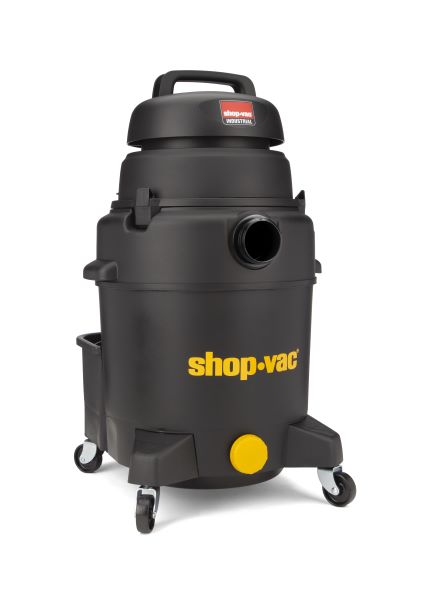
- Dust collection port. A planer throws more shavings per minute than almost any other shop tool. A model with a real dust port you can hook to a vacuum or collector will save you a genuinely unpleasant amount of cleanup.
- Benchtop vs. handheld. A stationary benchtop planer dimensions whole boards; a handheld power planer is a different tool built for trimming doors, edges, and small area work, not full-board thicknessing.
Cost Reality
Entry-level benchtop planers start around $200–$300. Mid-range models with two-speed gearboxes and better snipe control run $400–$700. Helical-cutterhead machines and larger stationary units can run well past $1,000. None of that is money worth spending if your actual lumber habits don’t call for it — which is why the S4S-versus-rough-sawn question above matters more than the spec sheet.
If you’re on the fence, a realistic middle path is to use a makerspace or pay a sawmill to surface a project or two first. If you find yourself doing that three or four times in a year, you’ve already spent enough in fees to justify owning the tool — that’s usually the clearest signal to buy.
Frequently Asked Questions
Do I actually need a wood planer, or can I get by without one?
It depends on your lumber source, not your skill level. If you build almost exclusively from pre-surfaced (S4S) boards, you can skip a planer for a long time. If you buy rough-sawn lumber to save money, work with reclaimed wood, or need multiple boards matched to the same thickness for a glue-up, a planer becomes the tool that makes that lumber usable at all.
What’s the difference between rough-sawn and S4S lumber, and why does it matter here?
S4S (“surfaced on four sides”) lumber has already been planed flat and to a consistent thickness by the mill before it reaches the store, so it’s ready to build with. Rough-sawn lumber comes straight off the sawmill blade with uneven faces and inconsistent thickness, and it’s usually 20–50% cheaper — but a planer (and typically a jointer) is what actually turns that savings into usable stock.
Can I use a local woodworking club or makerspace instead of buying my own?
Yes, and it’s a genuinely good option if you only need a planer occasionally. Many community makerspaces and woodworking guilds have a stationary planer available to members for a membership fee well below the cost of buying your own machine. Some sawmills and lumberyards will also plane rough-sawn boards for you for a small per-board-foot fee.
How much does a benchtop thickness planer cost?
Entry-level benchtop planers start around $200–$300. Mid-range models with two-speed gearboxes and better snipe control typically run $400–$700, and helical-cutterhead or larger stationary machines can run well over $1,000.
Conclusion
A wood planer isn’t a tool every woodworker needs — it’s a tool that a specific lumber-buying habit makes worth owning. If you’re still buying S4S boards from a home center, hold off and put that budget toward a tool you’ll use every project. If you’re starting to buy rough-sawn lumber, work with reclaimed wood, or need boards matched to one thickness, a benchtop planer will pay for itself quickly. And if you’re not sure yet, a makerspace membership or a sawmill’s surfacing fee is a low-risk way to find out before you commit to owning one.
Sponsored / affiliate links. As an Amazon Associate I earn from qualifying purchases. I may earn additional commission from eligible campaigns.