How to Use Rottenstone to Polish Wood: The Pumice-First Method
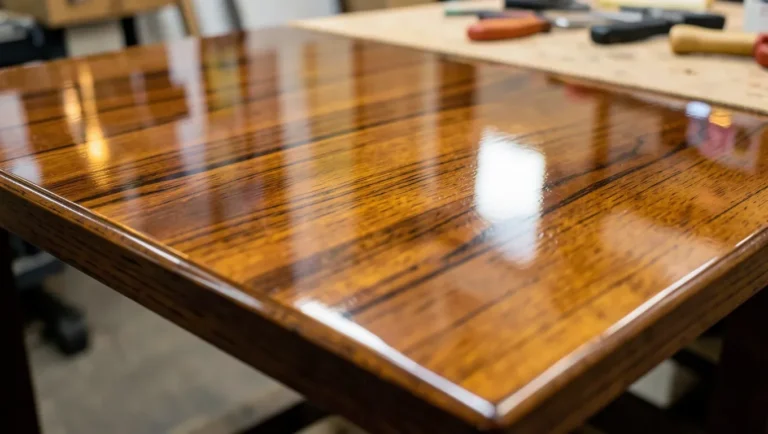
Rottenstone is a natural abrasive powder, finer than pumice, that woodworkers mix into a paste and rub over a cured finish to remove fine scratches and build a smooth, glass-like sheen. Used by itself, though, it only tells half the story. On a shellac, lacquer, or varnished piece, rottenstone is properly the second step in a two-stage rub-out, applied after a coarser pumice pass – and reaching for it before pumice, or before the finish has fully hardened, is the fastest way to end up with a smeared, cloudy surface instead of a mirror one.
What Rottenstone Actually Is (and Where It Fits in the Polishing Hierarchy)
Rottenstone is a decomposed, weathered limestone ground into an extremely fine powder – soft enough that it polishes a finish instead of scratching it. It sits at the bottom of a traditional three-step abrasive ladder that furniture finishers have used for well over a century: sandpaper or steel wool levels the finish first, pumice (a coarser volcanic powder) cuts out the resulting scratch pattern and knocks the sheen down to a uniform matte, and rottenstone comes last to polish that matte surface up to a high gloss. Skip the pumice stage and rub rottenstone straight onto an unprepped finish, and you’re polishing around scratches instead of removing them – which is a common reason people try rottenstone once, see a lackluster result, and never use it again.
STEP 1 COMPANION – AMAZON’S CHOICE PUMICE
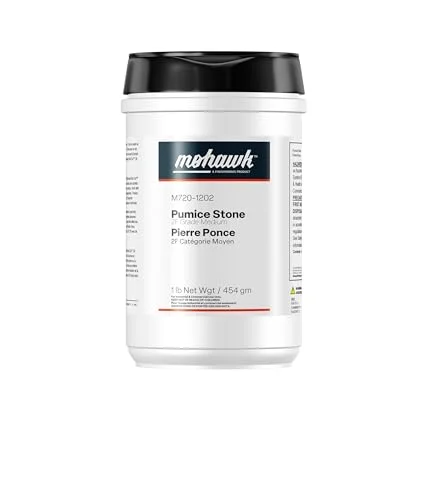 |
Mohawk 2F Medium Pumice Stone, 1 lb – $22.99 This is the pumice you need for Step 1 below, before you ever open a can of rottenstone – most rub-out failures trace back to skipping this stage entirely.
|
You will still need rottenstone itself for the second pass – most well-stocked woodworking or finishing suppliers (Rockler, Woodcraft, and similar shops) carry it as a companion product to pumice, typically sold in the same aisle or section.
Before You Rub Anything Out: Confirm the Finish Is Fully Cured
This step gets skipped constantly, and it’s the single biggest reason a rub-out goes wrong. Rubbing with pumice or rottenstone only works on a finish that has fully hardened all the way through, not just dried to the touch on the surface. A lacquer or shellac finish can feel dry and non-tacky within an hour but still be soft underneath for days. Varnish and oil-based polyurethane are worse – they can take two to four weeks to cure hard enough to rub out safely, even though they stop feeling tacky within a day. Rub too early and the abrasive drags through the still-soft film instead of skimming across a hard surface, leaving smears, swirl marks, or a cloudy haze that no amount of extra rubbing will fix – at that point the only real repair is letting it cure fully and refinishing the damaged area. If you’re not sure, press a fingernail firmly into an inconspicuous edge; if it leaves a mark or feels the least bit soft, wait longer.
What You’ll Need
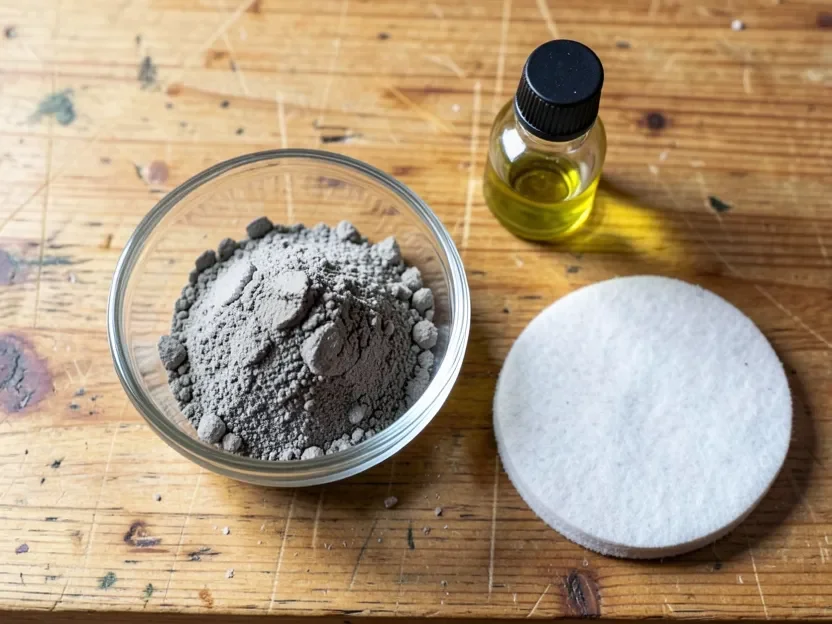
- Pumice powder (2F/medium grade for most furniture work) for the first pass
- Rottenstone powder for the final polishing pass
- Mineral oil or water as a lubricant
- Several soft felt pads or a folded piece of felt/wool cloth (one per abrasive – don’t cross-contaminate)
- A clean lint-free cloth for wiping down between passes
- A small dish or tray to mix the paste
- An inconspicuous test area or scrap of the same finish
Step 1: Rub Out With Pumice First
Wipe the surface clean of dust. Dip a damp felt pad into your lubricant, then dip it into the pumice so a thin, even layer clings to the pad – you want a light dusting, not a thick paste caked onto the felt. Rub in long, straight strokes that run with the grain, covering the whole panel evenly rather than working one small spot to death. Check your progress every minute or so by wiping the surface clean with a dry cloth: you’re aiming for a uniform, satiny matte with no shiny high spots and no dull low spots. That even matte is what tells you the original finish scratches and imperfections are gone and the surface is ready for rottenstone. Wipe away every trace of pumice grit before moving on – any leftover pumice mixed into the rottenstone stage will scratch instead of polish.
Step 2: Switch to Rottenstone for the Final Gloss
Using a fresh, separate felt pad, repeat the same process with rottenstone: dampen the pad with lubricant, dust on a light coating of rottenstone, and rub with the grain using long, overlapping strokes. Rottenstone cuts far more gently than pumice, so this stage is about polishing the matte surface into a gloss rather than removing material – light, even pressure and patience get better results than pressing hard. Wipe and check often. As the surface builds gloss, ease off the pressure even further for the last few passes so you don’t overshoot into an uneven sheen.
Water or Oil? Picking Your Lubricant (and When Not to Use Water)
Either mineral oil or water works as the lubricant for both pumice and rottenstone on most varnished and lacquered surfaces. Water cuts faster and produces a slightly higher gloss, which is why many finishers prefer it for the rottenstone stage specifically. Oil cuts more slowly and gives you a bit more control, plus it’s more forgiving if you’re new to the technique. There’s one real exception worth knowing: don’t use water over a shellac finish. Shellac is water-sensitive and can cloud, spot, or soften under a wet rub-out, so stick with mineral oil or naphtha as the lubricant any time the piece is finished in shellac, including a French-polished surface.
How to Check Your Progress: The Raking-Light Trick
A straight-on look at the surface under normal room light hides a lot of unevenness. Instead, once you’ve wiped the surface clean, hold a shop light or flashlight low and to the side so the beam rakes almost parallel across the wood. Raking light throws even tiny swirl marks, dull patches, and missed spots into sharp relief, so you catch problems while they’re still easy to fix instead of after you’ve called the job done. Check the surface this way after every couple of passes at both the pumice and rottenstone stages.
Common Mistakes That Ruin a Rub-Out
- Rubbing before the finish has cured. This is the top cause of smeared, cloudy rub-outs – give lacquer and shellac several days and varnish or oil-based polyurethane two to four weeks.
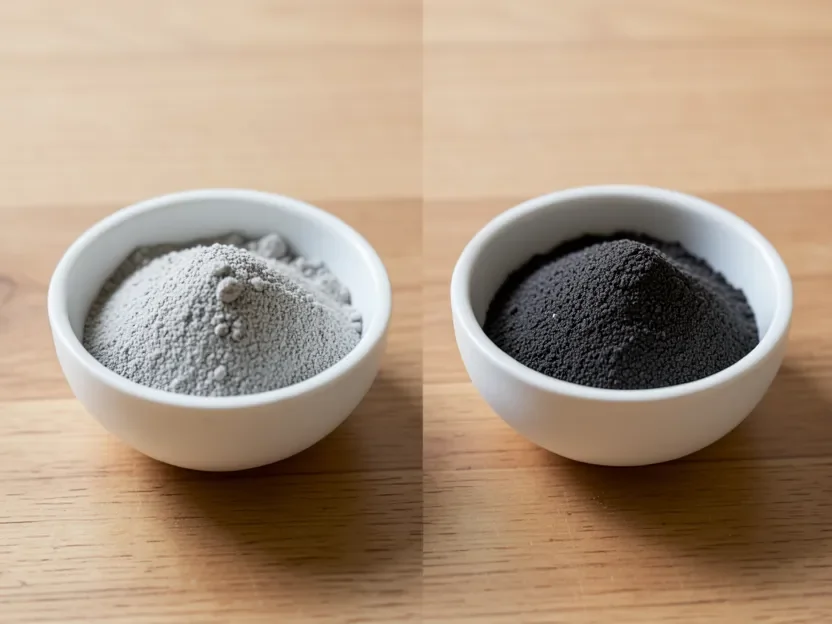
- Skipping pumice and going straight to rottenstone. Rottenstone is too fine to remove real scratches on its own; it will polish around them instead of out.
- Using water over shellac. Switch to mineral oil for any shellac or French-polished surface.
- Pressing too hard. Extra pressure doesn’t speed up the process – it just increases the risk of rubbing straight through the top coat, especially at edges and corners where the finish is thinner.
- Letting grit carry over between stages. Use a separate, clearly marked pad for pumice and for rottenstone so coarser grit never contaminates the final polish.
Maintaining a Rubbed-Out Finish
A hand-rubbed finish holds up well with routine care: dust with a soft, dry cloth, and clean occasional sticky spots with a barely damp cloth and mild soap rather than household cleaners, which can dull the sheen over time. Keep the surface out of direct sunlight where practical, since UV exposure fades and eventually degrades most clear finishes, and use coasters and trivets to prevent rings and heat marks. A very light coat of paste wax every few months protects the rubbed-out surface and helps maintain the gloss without ever needing to repeat the full pumice-and-rottenstone process.
Frequently Asked Questions
How does rottenstone work for wood polishing?
Rottenstone is an extremely fine natural abrasive powder. Mixed with a lubricant like mineral oil or water into a paste and rubbed with the grain, it gently polishes a cured finish – smoothing out the fine scratch pattern left by a coarser pumice pass and building a smooth, high-gloss sheen without cutting into the finish the way sandpaper or pumice would.
Can I use rottenstone on all wood finishes?
Rottenstone works on shellac, lacquer, and oil or varnish finishes once they’re fully cured. It’s not meant for raw or unfinished wood – it’s a finish-polishing compound, not a wood abrasive. On shellac specifically, use mineral oil rather than water as the lubricant, since water can cloud a shellac film.
What tools do I need for using rottenstone?
You need rottenstone powder, a lubricant (mineral oil or water), and a soft felt pad or folded wool cloth to apply it. For the full two-stage method, you’ll also want pumice powder and a separate pad for that first pass, plus a clean cloth for wiping the surface down between checks.
How long should I wait before rubbing out a finish with rottenstone?
Wait until the finish is fully cured, not just dry to the touch. Shellac and lacquer typically need several days; varnish and oil-based polyurethane can take two to four weeks to harden all the way through. Rubbing out before the finish has cured is the most common cause of a smeared or cloudy result.
Used in the right order – pumice first, rottenstone second, and only once the finish is genuinely cured – this traditional two-step rub-out is how furniture makers have produced a deep, hand-polished sheen for well over a century, all without a single power tool. Work in good light, check your progress often, and let the abrasives do the work rather than your arm.
Sponsored / affiliate links. As an Amazon Associate I earn from qualifying purchases. I may earn additional commission from eligible campaigns.
 Mikikit 2 Pcs Beeswax Furniture Polish for Wood, Natural Wood Polishing Wax with Fresh Smelling and Easy to Apply Formula, for Home and Mall Furniture Care
 Milsek Furniture Polish and Wood Cleaner with Lemon Oil - Multipurpose Solution for Home Improvement from Hardwood Floors to Kitchen Cabinets - 12 Fl Oz (Pack of 12)