Can You Use Tractor Hydraulic Fluid in a Wood Splitter?
Tractor hydraulic fluid will run in a wood splitter without instantly damaging it, but it is not the correct fluid — most splitter pumps are built around a single-viscosity AW32 or AW46 anti-wear oil, not tractor fluid’s multi-viscosity blend. Using the wrong grade accelerates seal wear and can void a pump warranty like Champion’s or Troy-Bilt’s. This guide covers which fluid grade to use, how tractor fluid actually compares, and how often to change it.
What Hydraulic Fluid Should You Use in a Wood Splitter?
AW32 hydraulic oil is a single-viscosity, ISO VG 32 anti-wear fluid that lubricates and seals a splitter pump at a thinner weight for cold starts. AW46 hydraulic oil is the same anti-wear chemistry at a heavier ISO VG 46 weight, built to hold viscosity in warm weather or heavy-duty use. Check your splitter’s manual first — the pump was engineered around one specific grade, and most residential splitters call for AW32 in cold climates (roughly 10°F–60°F) or AW46 in moderate-to-hot ones (32°F–80°F+).
Best AW32 Hydraulic Fluid Pick
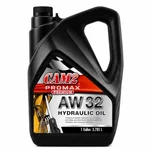 |
CAM2 Promax AW 32 Hydraulic Oil, 1 Gallon – $26.99 A manufacturer-spec ISO VG 32 anti-wear fluid — the exact grade this guide recommends over multi-viscosity tractor fluid for most residential splitter pumps.
|
Can You Use Tractor Hydraulic Fluid Instead?
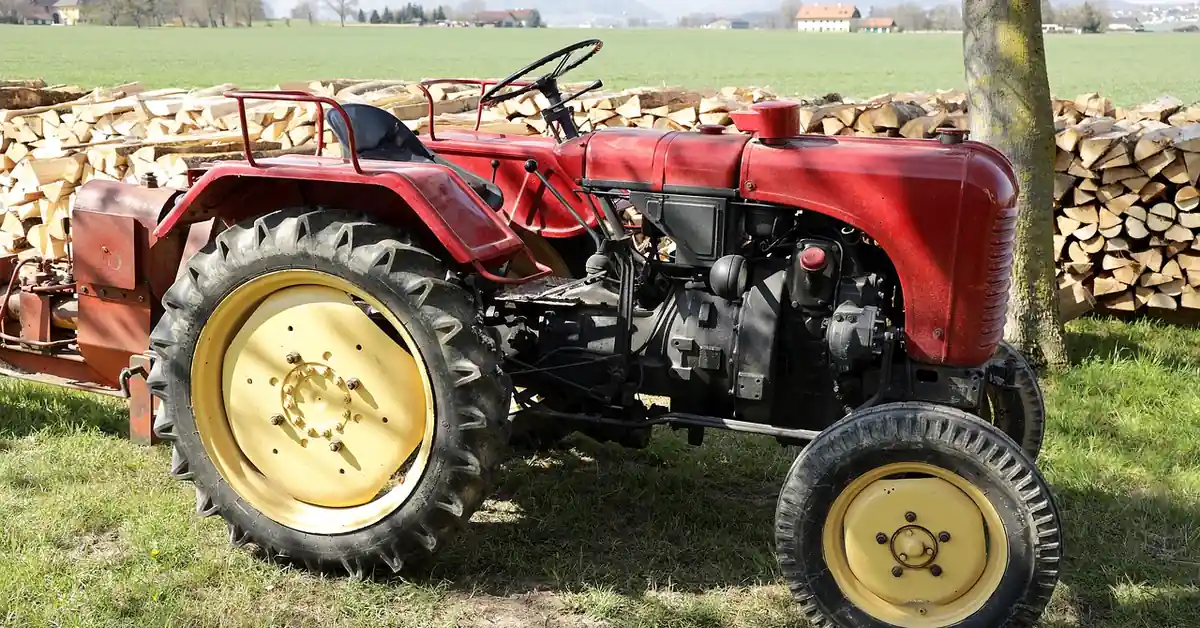
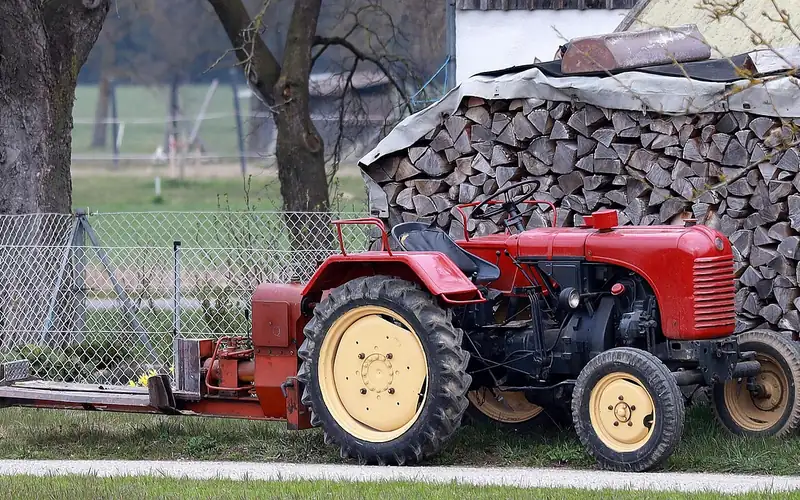
Yes, tractor hydraulic fluid will physically run through a wood splitter’s pump and cylinder without seizing anything — but it is a compromise, not a match. Tractor fluid is a multi-viscosity blend (closer to a 10W-30 motor oil) designed to lubricate a tractor’s transmission, hydraulics, and wet brakes all at once. A splitter pump was engineered around one narrow viscosity band, so tractor fluid runs thicker at startup and thinner once hot than the AW32 or AW46 the manual specifies.
Price is a real factor too, not just an engineering one. Universal tractor hydraulic fluid typically runs about $18–$25 per gallon at a farm supply store, while a purpose-built AW32 or AW46 anti-wear oil like the pick above runs roughly $25–$36 per gallon. That $10–$15 difference over a 1–2 gallon reservoir is small compared to a pump seal replacement, which is why most manufacturers don’t treat the fluid spec as optional.
| Fluid Type | Viscosity | Best For |
|---|---|---|
| AW32 (ISO VG 32) anti-wear oil | Single, thinner grade | Cold-climate splitters, easy cold starts (10°F–60°F) |
| AW46 (ISO VG 46) anti-wear oil | Single, heavier grade | Warm-climate or heavy-duty splitters (32°F–80°F+) |
| Tractor/universal hydraulic fluid | Multi-viscosity (~10W-30-like) | Emergency top-off only, not a long-term swap |
| Dexron III ATF | Multi-viscosity | Only on splitter models whose manual explicitly approves ATF |
Does Pump Type Change Which Fluid You Should Use?
Most residential log splitters use either a single-stage or two-stage gear pump, and both are sensitive to viscosity in the same way — the internal gear clearances are machined tight enough that a fluid running outside the specified ISO range either leaks past the gears (too thin, reducing splitting force) or drags and heats up excessively (too thick, straining the engine or motor driving the pump). A two-stage pump, which shifts from high-flow to high-pressure as resistance increases, is somewhat more forgiving of minor viscosity drift than a single-stage pump, but neither is designed to run indefinitely on a mismatched fluid.
What Happens If You Use the Wrong Hydraulic Fluid?
Running the wrong viscosity long-term shows up as slower cylinder speed on cold mornings, spongier ram control once the pump is hot, and faster wear on pump seals and O-rings that were sized for a specific fluid weight. None of this happens on the first tank — it accumulates over dozens of hours, which is why the mismatch often gets blamed on a “worn-out pump” instead of the fluid that caused it.
The bigger risk is warranty-related: several splitter manufacturers, including Champion Power Equipment, list a specific hydraulic fluid spec in the owner’s manual, and a pump failure traced to an unapproved fluid can be denied under warranty. If your splitter is still covered, stick to the exact grade the manual lists rather than substituting whatever is already in the shop.
How Often Should You Change Wood Splitter Hydraulic Fluid?
📊 Most manufacturers recommend changing wood splitter hydraulic fluid every 50–100 hours of use or once per season, whichever comes first — Source: Troy-Bilt Support, Hydraulic Fluid – Log Splitter
Check the fluid at every change interval, not just on a calendar. If it looks milky instead of clear amber, water has condensed into the tank and the fluid should be changed immediately regardless of hours — water in hydraulic fluid causes corrosion and foaming that a simple top-off will not fix.
Common Mistakes When Choosing or Changing Hydraulic Fluid
- Mixing fluid types: topping off AW46 with tractor fluid or ATF changes the blend’s viscosity and additive package — drain and refill with one fluid type instead of mixing.
- Guessing the grade: using whatever hydraulic oil is already in the shop instead of checking the splitter’s manual for the specified ISO grade.
- Overfilling the reservoir: hydraulic fluid expands as it heats up; overfilling leaves no room for expansion and forces fluid out through the breather cap.
- Ignoring the color change: continuing to run fluid that has gone milky or dark brown instead of changing it at the first sign of contamination.
How to Change Your Wood Splitter’s Hydraulic Fluid
- Warm up, then shut down: Run the splitter for a few minutes so the old fluid is warm and flows freely, then shut off the engine or motor and disconnect the spark plug or power source.
- Drain the reservoir: Remove the drain plug or hose at the bottom of the tank and let the fluid empty completely into a catch pan; cycle the ram a few times with the plug removed to push out fluid trapped in the cylinder.
- Inspect and replace the filter: If your splitter has an inline or suction filter, replace it now while the tank is empty — running a fresh fluid change through a clogged filter wastes the new fluid’s benefit.
- Refill with the manufacturer-specified grade: Fill to the level marked on the dipstick or sight glass with the exact AW32 or AW46 grade listed in your manual, not by volume alone, since reservoir designs vary.
- Bleed and test: Cycle the ram fully in and out several times with no load to bleed air from the lines, then check for leaks at the drain plug and hose fittings before splitting wood again.
Troy-Bilt’s own product support documentation tells log splitter owners to confirm the exact hydraulic fluid type listed for their specific model before adding or changing fluid, rather than assuming any AW-grade oil is an automatic substitute.
— Troy-Bilt Support, Hydraulic Fluid documentation
The same logic applies to a manual splitter setup: if your splitter uses a splitting wedge rather than a hydraulic ram, none of this fluid guidance applies — but if you’re deciding between a wedge splitter and a hydraulic one for wood that is tough to break down, it’s worth checking whether your species even needs hydraulic force; some, like ash, split easily by hand while ash’s moderate hardness still makes a hydraulic splitter worthwhile for volume.
Frequently Asked Questions
Is Tractor Hydraulic Fluid Safe for Wood Splitters?
Yes, in the short term. Tractor hydraulic fluid will not damage a wood splitter’s pump on first use, but it’s a multi-viscosity fluid running in a pump built for a single-viscosity AW32 or AW46 oil. It’s fine as an emergency top-off, but switch to the manufacturer-specified grade at the next fluid change.
What Happens If Wrong Fluid Is Used?
Using the wrong viscosity causes slower cylinder speed when cold, spongier control once hot, and faster wear on pump seals sized for a specific fluid weight over time. It can also void a pump warranty if the manufacturer’s manual specifies a different grade.
Can Hydraulic Fluid Affect Wood Splitter Lifespan?
Yes. Consistently running the wrong viscosity or contaminated fluid accelerates seal and pump wear, shortening the splitter’s working life. Changing fluid every 50-100 hours or once a season, and switching out fluid that looks milky, protects the pump long term.
How To Choose The Right Hydraulic Fluid?
Check your splitter’s owner’s manual for the exact ISO grade specified, usually AW32 or AW46. If the manual is missing, use AW32 in colder climates and AW46 in warmer ones, and confirm whether your specific model also approves Dexron III ATF before substituting it.
Tractor hydraulic fluid won’t wreck a wood splitter overnight, but it’s a stopgap, not a spec match. Check your owner’s manual for the exact AW32 or AW46 grade, change it every 50–100 hours or once a season, and swap it out immediately if it turns milky — that’s the whole maintenance routine standing between a splitter that lasts for years and a pump repair.
Sponsored / affiliate links. As an Amazon Associate I earn from qualifying purchases. I may earn additional commission from eligible campaigns.