Fence Board Calculator: Estimate Lumber for a Real Build
A fence board calculator starts with fence length ÷ board face width, then adds 10% for waste; for spaced picket fences, subtract the gap from each board’s coverage before you count. If the takeoff is off, you end up short on boards, making extra runs and patching the order mid-build. This guide shows how to turn fence length and style into a complete lumber list with boards, posts, rails, fasteners, and waste built in.
How is this calculated?
Press Calculate to see the math with your numbers.
What a fence board calculator can and cannot do


A fence board calculator can estimate board count from fence length, board width, and spacing, and many tools also estimate posts, rails, concrete, and screws. It cannot replace a layout check. Gates, corners, slope breaks, and the fence style itself can change the buy list enough that a simple count is wrong.
Board count versus full material takeoff
Board count is only one line on the order sheet. A full takeoff also needs post count, rail count, gate framing, concrete, and hardware. Wood fences can be built from pressure-treated lumber, cedar, or redwood, and each choice changes what lands in the cart.
When a board calculator is the wrong tool
A board-by-board calculator is the wrong tool when the fence uses pre-made sections, heavy grade changes, or unusual bay widths. MiniWebtool supports privacy, picket, post & rail, and panel styles, and panel fences are usually 6 or 8 feet wide. That changes the math.
What measurements do you need before you estimate?
Start with total fence length, actual board width, gap or overlap, post spacing, fence height, and the number of gates and corners. A good takeoff uses actual board dimensions, like a 5.5-inch 1×6 or a 7.25-inch 1×8, not the nominal size stamped on the rack tag. That one choice prevents a lot of bad math at the lumber yard.
Total fence length
Fence length is the total linear footage along the fence line. Measure the run, then subtract gate openings only if the calculator expects net fence length. For planning, keep the full perimeter and the gate widths in the same note set so the order stays consistent.
Actual board width, gap, and fence height
FenceCrunch lists common actual widths of 1×4, 1×6, and 1×8 boards. FenceCrunch also notes privacy fences use no gap, while decorative picket fences use larger gaps. That is the real starting point for board count, not nominal lumber size on the rack tag.
Post spacing, gate openings, and corner count
Posts for wood fences are typically 8 feet apart, and MiniWebtool says 6-8 foot post spacing is typical. Gate openings and corners add extra posts, and corners often need stronger end treatment than a plain line post. Count them before the order is placed.
- Measure each fence run in feet.
- Mark every gate opening.
- Count corners, ends, and slope changes.
- Choose actual board width and gap or overlap.
- Set post spacing for the fence style.
- Add waste, cuts, and defect allowance.
How do you calculate fence boards from length and spacing?
Divide fence length by the effective coverage of one board, then round up and add waste. Effective coverage is actual board width minus any gap, or actual width minus overlap loss for board-on-board work. The right formula changes with privacy, picket, and overlapping styles.
Privacy fence math with 0-inch spacing
For a privacy fence, the gap is 0 inches, so each board covers its full actual width. That is why a calculator for a solid fence counts more material than a decorative layout. The tighter the fit, the more important straight stock and careful layout become.
Picket fence math with open spacing
For a picket fence, board count depends on picket width plus the gap between pickets. A roughly 1.5- to 2-inch gap is often used for open decorative work. Wider gaps use fewer pickets, but they also change the look and the amount of wind that passes through.
Board-on-board counting with overlap
A board-on-board calculator uses picket overlap in its formula. The recommended overlap for board-on-board fences is about 24% of picket width, and overlap can range from one to three inches depending on picket width. That extra coverage protects privacy as wood moves and shrinks.
| Fence style | Spacing rule | Counting method | Takeoff effect |
|---|---|---|---|
| Privacy | 0-inch gap | Length ÷ actual board width | Highest board count |
| Picket | 1.5-2 inch gap | Length ÷ board plus gap coverage | Lower board count, more open look |
| Board-on-board | Overlap only | Length ÷ reduced effective coverage | Count rises because of overlap loss |
How do you figure posts, rails, and concrete?
Posts come from span length, rails come from fence height and style, and concrete follows the post count. A fence calculator can estimate posts, rails, pickets, concrete, and screws, but each line still needs a layout check. Corners and gates raise the total faster than many homeowners expect.
Post count from span length
Use the planned post spacing to turn fence length into post count. If the line runs are split by gates or corners, count each bay separately and add the extra posts at the breaks. Wider spacing reduces posts, but it also increases the load on each span.
Rail count by fence height and style
Board-footcalculator.com says 2 rails are standard for fences under 6 feet. Board-footcalculator.com says 3 rails are standard for taller fences. MiniWebtool also supports style-based estimates, which matters because a 6-foot privacy fence and a short picket fence do not need the same rail layout.
Concrete and hardware allowances
Concrete and hardware follow the post count, not the board count. Each set post needs footing material, and each rail line needs fasteners sized for the lumber choice. Add gate latches, hinges, post caps, and brace hardware before ordering, or the last mile of the build stalls.
How much waste should you add, and why?
Waste allowance is separate from shrinkage, defects, and offcuts. FenceCrunch recommends adding a waste factor. In practice, 5% can cover a simple straight run, while 10% to 15% makes more sense when the fence has corners, gates, short pieces, or rough stock.
Cuts, defects, and miscuts
Waste covers the board ends lost to cuts, minor measurement errors, and boards that arrive bent or split. Those losses are not the same as shrinkage, which comes later as the wood dries. Keep those buckets separate so the takeoff stays honest.
Corners, gates, and slope transitions
Corners eat short pieces. Gates eat clear space and framing lumber. Slope transitions often leave awkward offcuts that cannot be reused. That is why a fence that looks like a straight line on paper still needs a bigger buffer in the cart.
When 5 percent is enough and when 10 to 15 percent makes more sense
Use 5 percent on a simple run with few cuts and stable stock. Move to 10 percent when there are gates or multiple corners. Use 15 percent when the design has board-on-board overlap, mixed lengths, or a layout that forces many trimmed pieces.
Fence board calculator worksheet and sample takeoffs
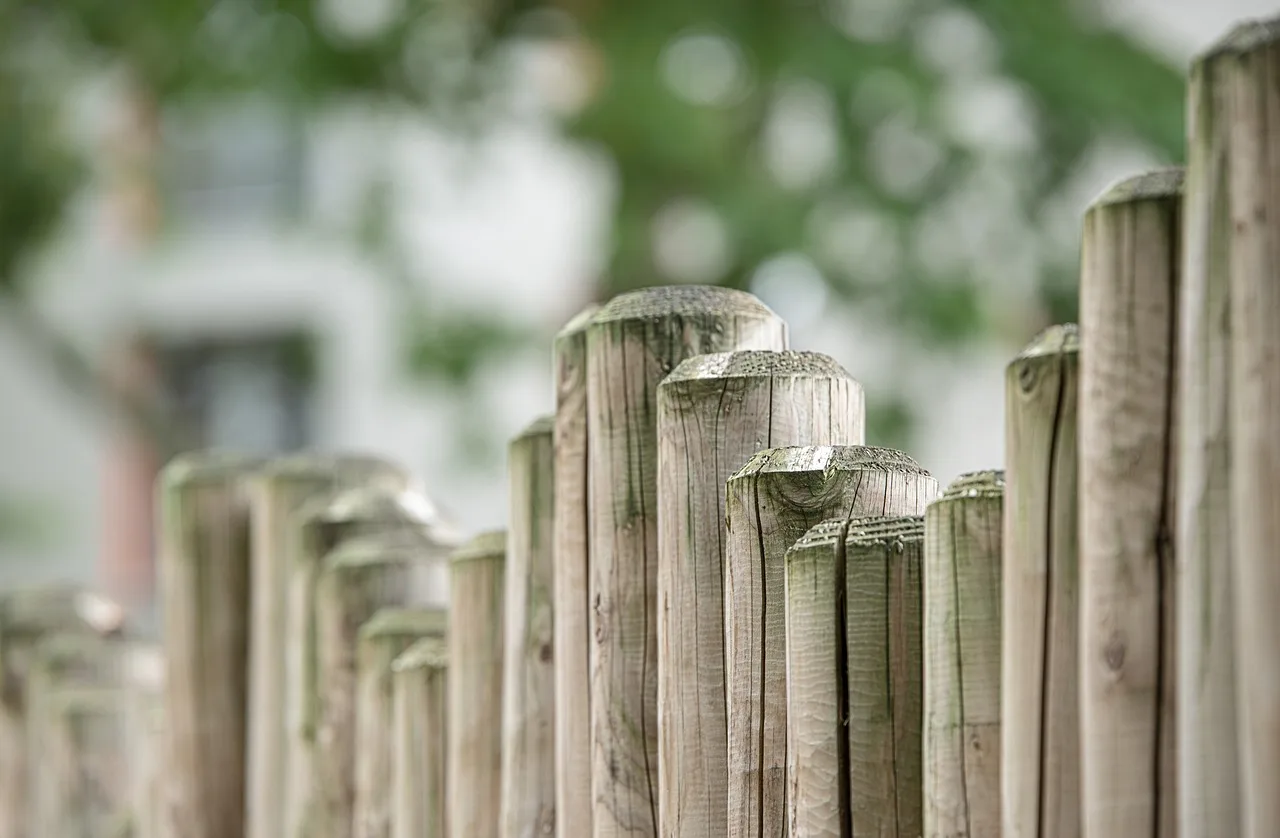
This worksheet turns a board count into a buy list. It separates board count, post count, rail count, waste allowance, and the final shopping list with actual dimensions. The three examples below use common residential layouts and show how the same calculator changes by style.
50 ft picket fence sample
| Item | Takeoff | Shopping list |
|---|---|---|
| Fence style | Picket with 2-inch gap | Open decorative layout |
| Board count | 46 pickets | 46 pcs 1×6 x 6 ft actual-width pickets |
| Post count | 8 posts | 8 pcs pressure-treated 4×4 posts |
| Rail count | 16 rails | 16 pcs 2×4 rails |
| Waste allowance | 5% | 3 extra pickets, 1 extra rail |
| Concrete and hardware | 8 post footings plus fasteners | 8 bags concrete, screws, hinges if gate is included |
100 ft privacy fence sample
| Item | Takeoff | Shopping list |
|---|---|---|
| Fence style | Solid privacy, 0-inch gap | Continuous board run |
| Board count | 236 boards | 236 pcs 1×6 x 6 ft boards |
| Post count | 14 posts | 14 pcs pressure-treated 4×4 posts |
| Rail count | 42 rails | 42 pcs 2×4 rails |
| Waste allowance | 10% | 24 extra boards, 4 extra rails |
| Concrete and hardware | 14 post footings plus fasteners | 14 bags concrete, exterior screws, gate hardware if needed |
30 ft panel fence sample
| Item | Takeoff | Shopping list |
|---|---|---|
| Fence style | Panel fence, 6 ft sections | Pre-made sections instead of loose boards |
| Board count | 5 panels | 5 pcs 6 ft wide fence panels |
| Post count | 6 posts | 6 pcs pressure-treated 4×4 posts |
| Rail count | Built into panels | Panels include rail structure |
| Waste allowance | 5% | 1 spare panel section if budget allows |
| Concrete and hardware | 6 post footings plus brackets or screws | 6 bags concrete, panel fasteners |
Fence board calculator versus panel calculator
A board calculator counts individual boards. A panel calculator counts sections. That difference changes the buy list, the post layout, and the time spent on site. Panel fences are usually 6 or 8 feet wide, so the section count drives the order more than board width does.
Individual boards versus pre-made sections
Individual-board fences need board count, rail count, and more cut planning. Panels reduce that work because the section already contains the board layout. The post spacing still matters, but the estimating method is simpler and the order list is shorter.
Estimating differences for layout and ordering
With panels, the main question is how many full sections fit between posts and gates. With loose boards, the main question is how much face coverage each board gives after gap or overlap is included. Use the wrong calculator and the order will miss something important.
Frequently asked questions
How do I calculate how many fence boards I need?
Divide total fence length by the actual face coverage of one board, then round up and add waste. For privacy fences, use the full actual width. For picket and board-on-board styles, subtract the gap or overlap from the coverage before you count the boards.
How many fence boards do I need for 100 feet of fence?
The answer depends on board width and spacing. A solid fence needs far more boards than a spaced picket fence because the gap is zero. Start with actual board width, then add a waste factor and check whether gates or corners change the total.
What board width should I use for a fence board calculator?
Use actual board width, not nominal size. FenceCrunch lists common actual widths of 1×4, 1×6, and 1×8 boards. That matters because nominal labels do not match the real face width that the calculator needs for board count.
How much gap should I leave between fence boards?
Privacy fences commonly use no gap. Decorative picket fences often use a larger gap, and 1.5- to 2-inch spacing is a practical planning range for many open styles. The right gap depends on the look, the needed airflow, and whether the fence should block views.
How far apart should fence posts be?
Posts for wood fences are typically 8 feet apart, and 6-8 foot post spacing is typical. Closer spacing can help with heavy fences or wind exposure, while wider spacing reduces post count. Gate posts and corners still need their own count.
Do I need extra boards for waste and cuts?
Yes. Waste covers miscuts, damaged stock, offcuts, and awkward pieces at corners or slopes. FenceCrunch recommends adding a waste factor. Five percent may be enough on a clean run, but 10% to 15% is safer when the layout has more breaks.
Sponsored / affiliate links. As an Amazon Associate I earn from qualifying purchases. I may earn additional commission from eligible campaigns.