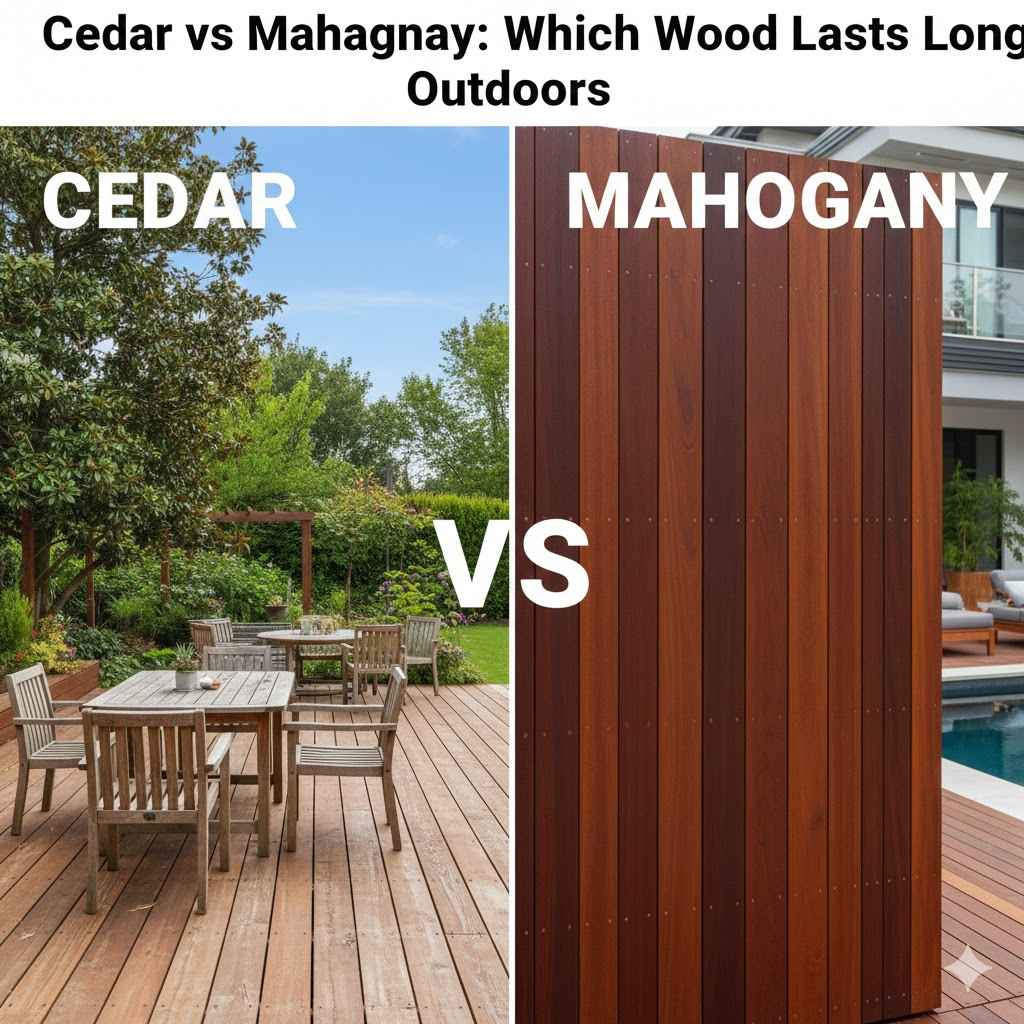
Cedar vs Mahogany: Which Wood Lasts Longer Outdoors?
Choosing the right wood for your outdoor projects can feel a bit tricky, especially when you hear about different types like cedar and mahogany. People often wonder about Cedar vs Mahogany: Best Wood for Outdoor Use because they want their decks, fences, or furniture to last a long time outside. Don’t worry, though!
This guide will make it super simple to pick the perfect wood. We’ll look at what makes each wood great for the outdoors and help you decide with clear steps.
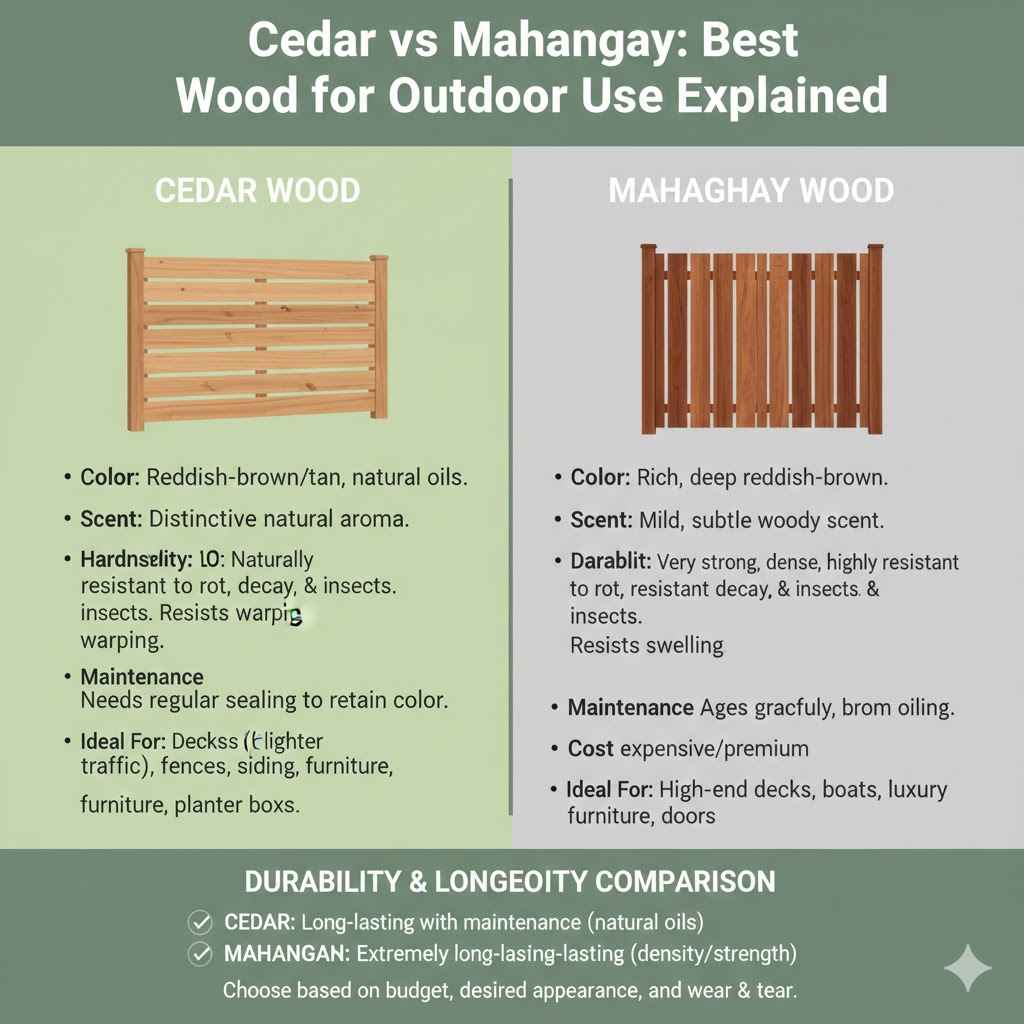
Cedar vs Mahogany Best Wood for Outdoor Use Explained
When you’re planning outdoor projects, picking the right wood is super important. You want something that looks good and can stand up to sun, rain, and bugs. Two popular choices are cedar and mahogany, and knowing the difference helps a lot.
This section will break down why these woods are often compared and what makes them stand out for outdoor use.
What is Cedar Wood
Cedar is a soft wood that comes from cedar trees. It’s known for its beautiful color, often reddish-brown or a lighter tan. It has a lovely, natural scent that many people enjoy.
Cedar is naturally resistant to rot and insects. This makes it a great choice for things that will be outside, like decks, fences, and outdoor furniture. It doesn’t warp or crack as easily as some other woods when the weather changes.
A big plus for cedar is its natural oils. These oils help protect the wood from decay and repel bugs like termites. It’s also a lighter wood, which can make it easier to work with compared to heavier hardwoods.
Cedar comes in different types, like Western Red Cedar and Eastern White Cedar. Each has its own look and specific benefits, but they all share that natural durability.
What is Mahogany Wood
Mahogany is a hardwood that is famous for its rich, deep reddish-brown color. It has a beautiful grain pattern that can look very elegant. It’s a dense wood, which makes it very strong and durable.
This wood is also naturally resistant to rot and insects. Its hardness means it can take a beating from the elements and everyday use. This makes it a top choice for high-end outdoor furniture, boat building, and other applications where longevity is key.
Mahogany is a bit more expensive than cedar, but many people feel its beauty and strength are worth the cost. It holds up well in moist conditions and doesn’t swell or shrink much, which is great for outdoor items.
There are different kinds of mahogany, like genuine mahogany and African mahogany. While they share many qualities, their exact color and grain can vary slightly.
Comparing Durability and Longevity
Both cedar and mahogany are excellent for outdoor use because they resist decay and insects. Cedar is great because of its natural oils, which keep bugs away and prevent rot. Mahogany is strong and dense, making it very tough against weather and wear.
When it comes to how long they last, both can be very long-lasting. Cedar might need a bit more care, like regular sealing, to keep its color and protection over many years. Mahogany, being a harder wood, often stands up to physical wear and tear a little better on its own.
Think about how much foot traffic or use your outdoor item will get. For a deck that sees a lot of action, the hardness of mahogany might be a slight advantage. For a fence or a more decorative screen, cedar’s natural beauty and lighter weight are big wins.
The climate where you live also plays a role. In very humid or wet areas, both woods do well, but their specific properties might make one a slightly better fit.
Cedar vs Mahogany Best Wood for Outdoor Projects
Choosing between cedar and mahogany for your outdoor projects depends on what you value most: cost, appearance, and how easy the wood is to work with. Both are strong contenders for decks, furniture, and more. This section will explore the specific uses and advantages of each wood, helping you decide which fits your project best.
Aesthetics and Appearance
Cedar is loved for its natural, warm look. It often has knots that add character, and its color can range from a pale yellow to a rich reddish-brown. Cedar has a pleasant, distinctive aroma that many people find relaxing.
Over time, cedar will turn a beautiful silvery-gray if left unfinished. This is a natural process that many homeowners prefer. If you want to keep its original color, you can use stains or sealers.
Mahogany offers a more sophisticated and luxurious look. Its color is typically a deep red-brown with a beautiful, often straight grain. The grain can have a ribbon-like pattern that looks stunning when polished.
Mahogany has a fine texture and a natural sheen. It’s often chosen for high-end furniture or architectural details where a polished, elegant finish is desired. It can be stained or finished to enhance its natural beauty.
If you’re going for a natural, rustic feel, cedar might be your choice. For a more formal, classic, or elegant look, mahogany is often preferred.
Workability and Installation
Cedar is a softwood, meaning it’s softer than hardwoods like mahogany. This makes it easier to cut, drill, and fasten. You won’t need as much power or heavy-duty tools to work with cedar.
Its lighter weight also makes it easier to transport and install, especially for larger projects like decks. This can save time and labor costs during installation.
Mahogany is a hardwood, which means it’s denser and harder. This makes it more challenging to work with. You’ll need sharper tools and more effort to cut and drill mahogany.
However, its hardness also means it’s more resistant to dents and scratches, which is a plus for furniture or high-traffic areas. Installation can be more time-consuming due to its density.
For DIYers, cedar is generally more forgiving and easier to handle. Professionals might prefer mahogany for its durability and premium finish, despite the extra effort.
Cost Considerations
Cedar is typically more affordable than mahogany. The price can vary depending on the grade and type of cedar, but it generally falls into a mid-range price point for outdoor woods.
This makes cedar a very popular choice for many homeowners who want a durable and attractive wood without breaking the bank. You get good value for your money with cedar’s natural resistance to decay.
Mahogany is usually more expensive. Its premium look, extreme durability, and the fact that it’s a dense hardwood contribute to its higher cost. Genuine mahogany, in particular, can be quite pricey.
The higher initial cost of mahogany can be offset by its incredible lifespan and minimal maintenance needs in the long run. It’s an investment that can pay off in terms of durability and beauty over decades.
When comparing costs, consider not just the price per board foot but also the total project cost, including fasteners, finishes, and potential labor savings if one wood is easier to work with.
Cedar vs Mahogany Maintaining Outdoor Wood
Keeping your outdoor wooden structures looking great and lasting a long time involves regular care. Both cedar and mahogany have natural strengths, but a little maintenance goes a long way. This section looks at what you need to do to protect and preserve your choice of wood.
Protecting Cedar Wood
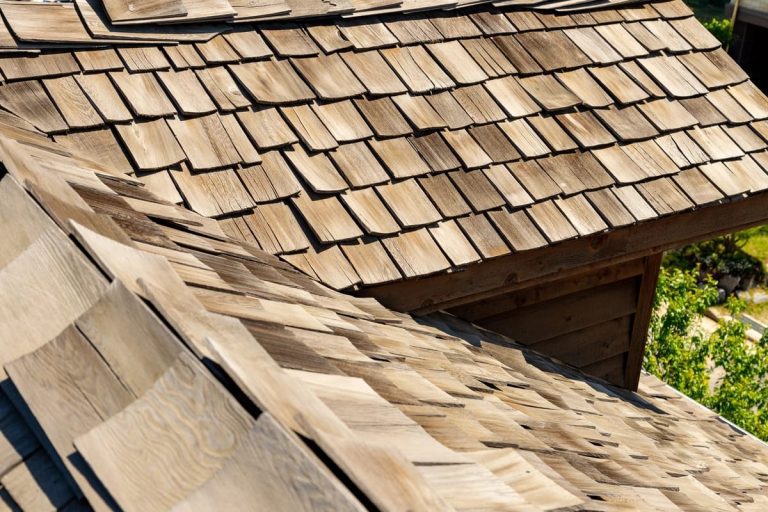
Cedar naturally resists rot and insects, but it can still benefit from protection. If you leave cedar unfinished, it will weather to a beautiful silvery-gray. This is a natural process and doesn’t harm the wood’s structure, but it changes the look.
To keep cedar its original color, you should apply a sealant or stain. UV-protective sealers are especially helpful to prevent the wood from graying too quickly. These products also add a layer of water repellency.
You’ll need to reapply sealants or stains every one to three years, depending on the product and your climate. Cleaning your cedar regularly with mild soap and water will remove dirt and mildew, keeping it looking fresh.
For very dirty or oxidized cedar, you might use a cedar cleaner. Always follow the product instructions carefully. Proper cleaning and sealing will extend the life and beauty of your cedar projects.
A simple cleaning involves a gentle scrub brush and a bucket of soapy water. Rinse well with a hose. For tougher stains, oxygen bleach can be effective and is gentler than chlorine bleach.
Protecting Mahogany Wood
Mahogany is very durable and naturally resistant to rot and insects. However, like all wood, it can be damaged by harsh UV rays from the sun, which can cause it to fade or turn gray over time.
To maintain mahogany’s rich color and protect it from the elements, applying an exterior-grade finish is recommended. This could be a penetrating oil, a stain with UV protection, or a clear sealant.
These finishes not only preserve the color but also add a layer of water resistance. Regular cleaning, similar to cedar, will help remove dirt and prevent mold or mildew growth.
Mahogany’s hardness means it’s less likely to get scratched or dented, but finishes will still protect the surface from moisture penetration and sun damage. Reapplication of finishes will be needed periodically, usually every two to four years, depending on the product and exposure.
Using high-quality marine-grade finishes designed for outdoor hardwoods can offer excellent protection. These often contain waxes and oils that nourish the wood and repel water effectively.
Real-Life Outdoor Project Examples
Imagine a homeowner building a beautiful deck. They choose cedar for its natural resistance to decay, especially important since decks are constantly exposed to rain and moisture. The cedar deck is easy to build, smells great, and has a warm, inviting look.
After five years, the homeowner reapplies a sealant to keep the original warm tone, and the deck looks almost new again.
Another homeowner wants a stunning outdoor dining table and chairs that will last for decades. They opt for mahogany. The rich, deep color of the mahogany table becomes a centerpiece in their garden.
The hardness of the wood means it resists scratches from dinnerware and the occasional dropped utensil. After several years, the homeowner wipes down the table with a nourishing oil, bringing back its lustrous sheen.
Consider a community park that needs new benches. Cedar is selected for its affordability and natural insect resistance, perfect for an area with many trees. The benches are comfortable and require minimal upkeep beyond occasional cleaning.
Parks departments often choose cedar for public spaces because it’s a good balance of cost, durability, and low maintenance for high-use items.
A seaside resort opts for mahogany for its exterior railings and balcony furniture. The salt air and constant humidity can be tough on wood, but mahogany’s density and natural oils help it withstand these conditions exceptionally well. The elegant appearance of the mahogany enhances the resort’s luxury feel, and it holds up beautifully against the harsh coastal environment.
Sample Scenarios for Wood Choice
- You are building a backyard fence that needs to be durable and relatively affordable. You want a natural look that will age gracefully. Cedar is a strong candidate. Its natural resistance to rot and insects means it will last a long time without needing constant treatments, and its lighter weight makes installation easier for a large project.
- You are crafting a custom outdoor kitchen countertop. This surface will see a lot of use, including exposure to food, drinks, and varying weather. You want something that is very hard, easy to clean, and has a luxurious appearance. Mahogany is an excellent choice here due to its density, superior resistance to wear and tear, and its beautiful, elegant finish.
- You want to build a small garden bench for a shaded corner of your yard. Budget is a consideration, and you prefer a wood that smells nice and is easy to handle for a DIY project. Cedar is perfect. Its pleasant aroma and ease of use make it a great option for smaller, less demanding projects where cost-effectiveness is important.
- You are designing a high-end outdoor patio furniture set that will be the focal point of your entertainment space. You need wood that is incredibly durable, resistant to fading, and can be finished to a beautiful sheen. Mahogany’s strength, stability, and stunning visual appeal make it the ideal choice for a statement piece like this.
Cedar vs Mahogany Weighing the Benefits
Both cedar and mahogany are excellent choices for outdoor applications, each offering unique advantages. Understanding these benefits helps you align your project goals with the right wood. This section summarizes the key perks of selecting either cedar or mahogany for your outdoor ventures.
Benefits of Choosing Cedar
Cedar is a fantastic choice for many outdoor projects due to its inherent qualities. One of its biggest benefits is its natural resistance to decay and insect infestations, like termites and carpenter ants. This resistance comes from natural oils and tannins present in the wood.
- Natural Pest and Rot Resistance: Cedar contains oils and extractives that are toxic to many insects and fungi. This means it won’t rot or get eaten by bugs as easily as many other woods, making it a durable outdoor material without chemical treatments. This natural defense is a significant long-term advantage.
- Aromatic Qualities: Cedar has a distinct, pleasant aroma that many people find appealing. This natural fragrance is often associated with freshness and can add a subtle sensory benefit to outdoor spaces like decks or pergolas. The scent is a bonus that many other outdoor woods simply do not offer.
- Lightweight and Easy to Work With: As a softwood, cedar is relatively lightweight compared to hardwoods. This makes it easier to transport, handle, and install. DIYers often find cedar projects more manageable due to its workability.
- Dimensional Stability: Cedar tends to expand and contract less than many other woods when exposed to changes in humidity. This stability helps prevent warping, cracking, and splitting over time, ensuring your project maintains its shape and integrity.
- Aesthetic Appeal: Cedar offers a warm, natural beauty. It can be left unfinished to weather to a silvery-gray or stained to maintain its original color. Its natural knots and grain patterns add character to outdoor structures.
Benefits of Choosing Mahogany
Mahogany stands out as a premium wood for outdoor use, prized for its exceptional strength and beauty. Its density and natural oils provide robust protection against the elements and wear.
- Exceptional Durability and Strength: Mahogany is a hardwood, meaning it is very dense and strong. This makes it highly resistant to dents, scratches, and general wear and tear. Its toughness is ideal for furniture and structures that will see a lot of use or harsh weather.
- Superior Rot and Insect Resistance: Like cedar, mahogany also possesses natural oils that make it resistant to rot and insects. Its dense cellular structure further limits the penetration of moisture and pests, contributing to its impressive longevity outdoors.
- Dimensional Stability: Mahogany is known for its excellent stability. It does not warp, twist, or shrink significantly when exposed to varying humidity levels. This consistent behavior is crucial for maintaining the shape and structural integrity of outdoor projects.
- Elegant Appearance: Mahogany is renowned for its rich, deep reddish-brown color and beautiful grain patterns. It can be polished to a high sheen, giving outdoor projects a luxurious and sophisticated look. It’s often the choice for high-end applications.
- Low Maintenance for Longevity: While finishes are recommended for color preservation, mahogany’s inherent toughness means it requires less frequent attention than many other woods to maintain its structural integrity. Its durability often translates to a longer service life with minimal intervention.
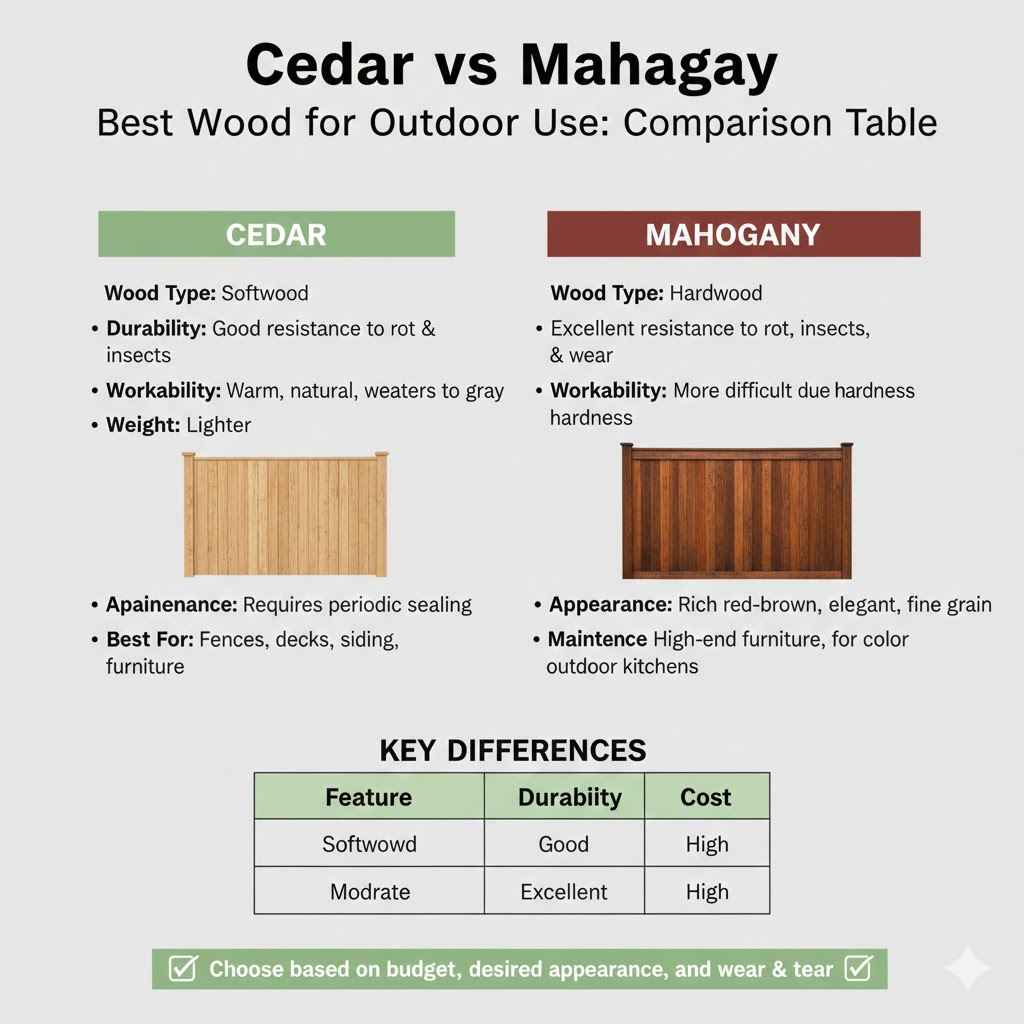
Cedar vs Mahogany Best Wood for Outdoor Use Comparison Table
To help you make a clear decision, here is a table comparing key features of cedar and mahogany for outdoor use. This visual guide highlights their strengths and weaknesses side-by-side.
| Feature | Cedar | Mahogany |
|---|---|---|
| Wood Type | Softwood | Hardwood |
| Durability | Good resistance to rot and insects | Excellent resistance to rot, insects, and wear |
| Workability | Easy to cut, drill, and fasten | More difficult due to hardness |
| Weight | Lighter | Heavier |
| Cost | Moderate | High |
| Appearance | Warm, natural, can weather to gray | Rich red-brown, elegant, fine grain |
| Maintenance | Requires periodic sealing to maintain color | Requires periodic finishing for color, very durable |
| Best For | Fences, decks, siding, pergolas, general outdoor furniture | High-end furniture, decks, boat building, outdoor kitchens, architectural features |
Frequently Asked Questions
Question: Is cedar or mahogany better for outdoor furniture
Answer: Both are excellent, but mahogany is often preferred for high-end furniture due to its superior hardness and elegant finish. Cedar is a great choice for more casual outdoor furniture as it is lighter and more budget-friendly while still being rot-resistant.
Question: How often should I seal cedar decks
Answer: You should seal cedar decks typically every one to three years. This depends on the sealant used, climate, and amount of sun exposure. Sealing protects the wood and helps maintain its original color.
Question: Can mahogany be left unfinished outdoors
Answer: Yes, mahogany can be left unfinished, and it will weather to a silvery-gray patina similar to cedar. However, applying a finish will protect its rich color and enhance its longevity against UV damage and extreme weather.
Question: Which wood is more prone to warping
Answer: While both are stable, cedar, being a softwood, can be slightly more prone to minor warping than the very dense and stable hardwood, mahogany, especially with extreme moisture fluctuations if not properly sealed or maintained.
Question: Is cedar a more sustainable option than mahogany
Answer: Sustainability depends on sourcing. Both woods can be sourced sustainably. Cedar trees often grow faster than some mahogany species, which can make it a more quickly renewable resource.
However, responsible forestry practices are key for both.
Final Thoughts
Cedar and mahogany are top choices for outdoor wood projects. Cedar offers natural beauty, pest resistance, and easier workability at a moderate price. Mahogany provides unmatched durability, strength, and a luxurious look, though at a higher cost.
Both can last for many years with proper care. Choose cedar for value and ease, or mahogany for ultimate longevity and elegance.