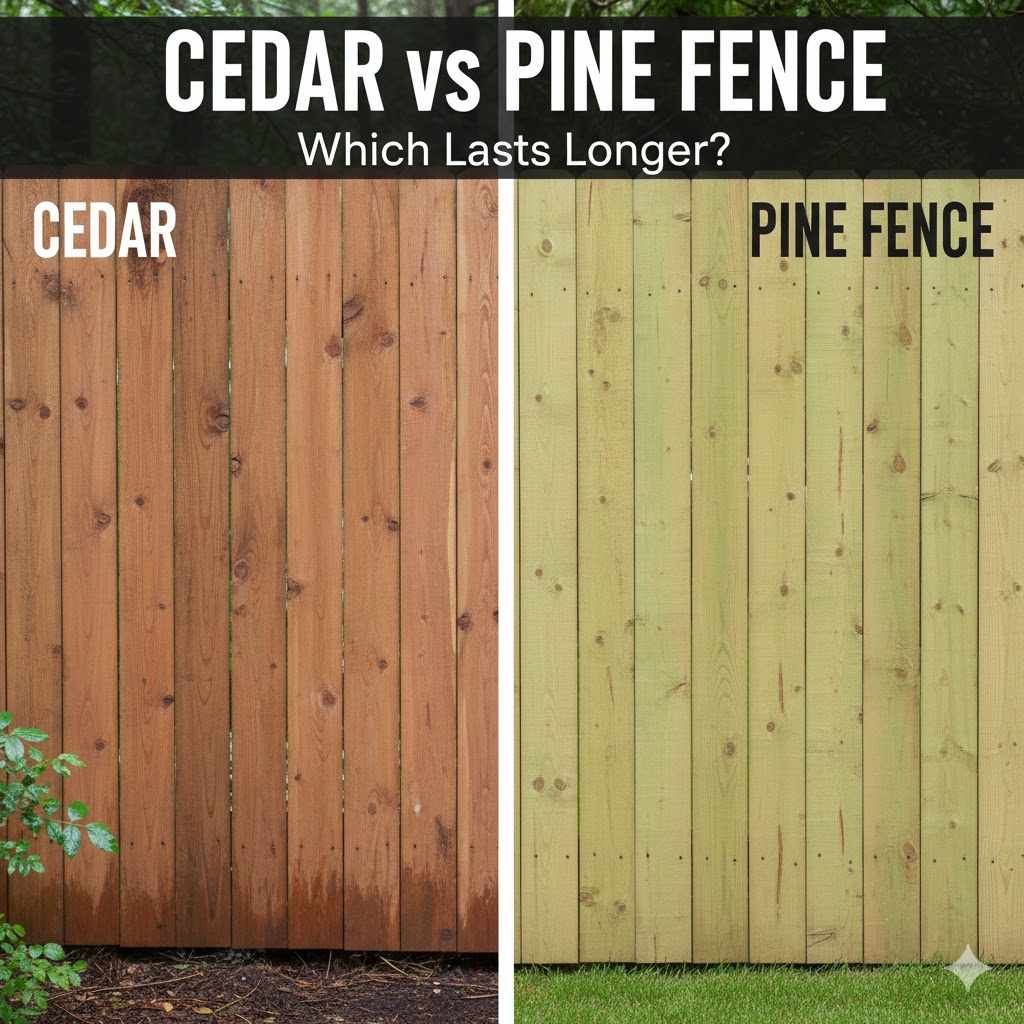
Cedar vs Pine Fence Which Lasts Longer
Figuring out if a cedar or pine fence will stick around longer can feel tricky, especially if you’re new to building or replacing fences. People often wonder about this because both wood types are popular, but they act differently over time. Don’t worry, though!
We’ll make it super simple and walk you through everything you need to know to pick the best wood for your yard. Get ready to learn what makes each one stand out so you can feel confident in your choice. We’ll cover all the important bits that make a real difference.
Cedar vs Pine Fence Which Lasts Longer Explained
When people ask Cedar vs Pine Fence: Which Lasts Longer?, they’re looking for a clear answer to a common backyard question. Both cedar and pine are widely used for fences, offering different looks and performance. Understanding their unique traits is key to making a choice that benefits your property for years.
This section breaks down what makes each wood type a good or less ideal option for a fence that needs to stand up to the elements and time.
We’ll look at how each wood is naturally made to resist rot and bugs, and how different treatments can change things. You’ll learn why one might cost more upfront but save you money later, while the other might be cheaper to start with but need more care. This information is vital for anyone wanting a beautiful, lasting fence without constant repairs.
The goal here is to give you the knowledge to see which wood truly wins in the long run. We want you to feel informed and sure about your decision for your outdoor space.
Cedar Wood Properties and Longevity
Cedar is known for its natural beauty and its ability to last a long time outdoors. It has a wonderful aroma and comes in beautiful reddish-brown or lighter tan colors. This wood is a favorite because it’s naturally resistant to rot, decay, and insect attacks.
This is thanks to oils and tannins present in the wood itself.
These natural compounds act as a shield, protecting the cedar from the dampness that can cause other woods to rot and from insects that like to chew on wood. Because of this natural defense, cedar fences often require less chemical treatment than pine. This makes them a more environmentally friendly choice for some homeowners.
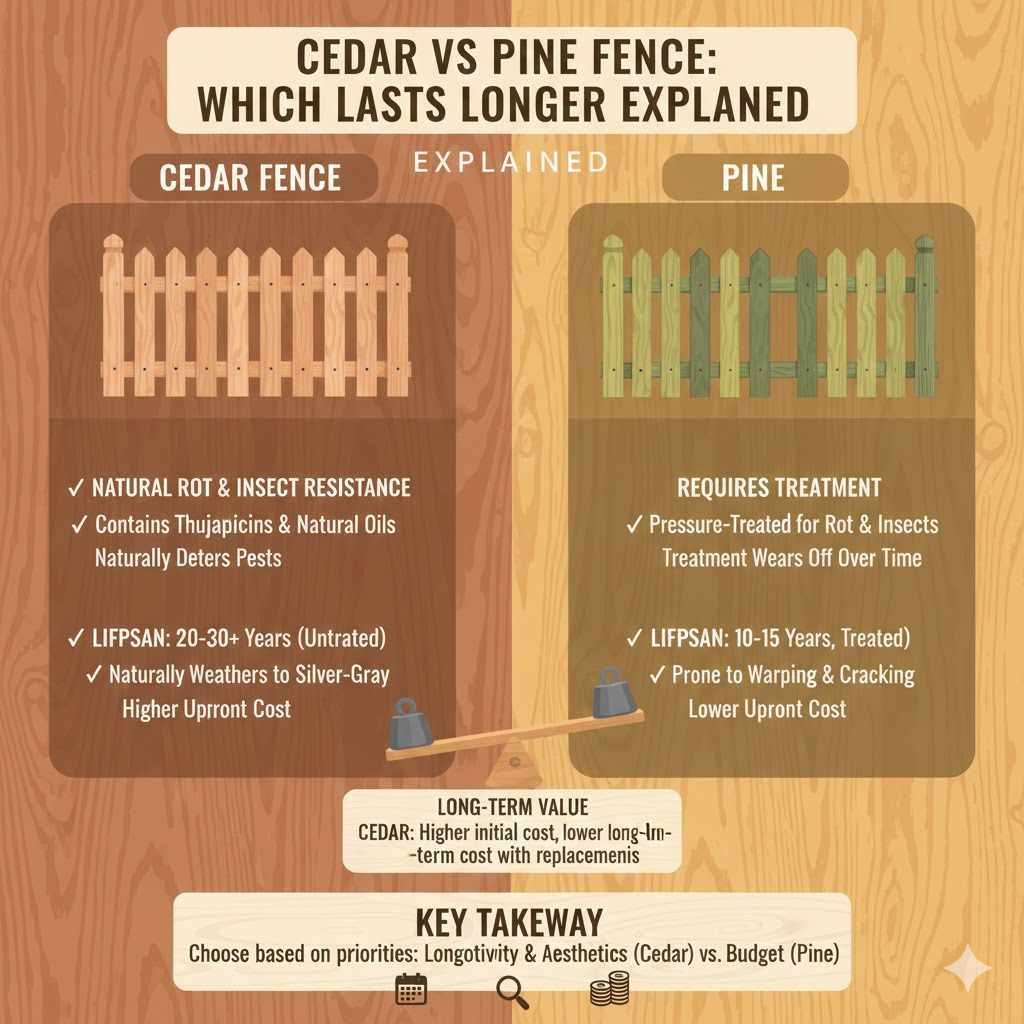
The lifespan of a cedar fence can vary depending on the type of cedar and how it’s installed and maintained. However, with proper care, a cedar fence can easily last 20 years or more. This makes its higher initial cost a worthwhile investment for many who value durability and natural resistance.
Natural Resistance to Decay and Insects
Cedar’s star quality is its natural resistance to decay and insects. This comes from compounds called extractives, which are like natural pesticides and preservatives. These extractives are most concentrated in the heartwood, the darker, inner part of the tree, making heartwood cedar more durable than sapwood (the lighter outer part).
For example, western red cedar is famous for its excellent resistance. It contains thujaplicins and other extractives that repel termites, ants, and other wood-boring insects. These same compounds prevent fungal growth, which is the main cause of rot in wood exposed to moisture.
This natural protection means that cedar fences often don’t need to be treated with harsh chemicals to prevent damage. This is a big plus for people who want to avoid chemicals around their homes and gardens. It also means less ongoing maintenance to protect the wood, contributing to its overall longevity.
Appearance and Aesthetic Appeal
Cedar wood offers a rich, natural beauty that many homeowners find very attractive. Its color can range from a warm, light tan to a deep, reddish-brown, and it ages gracefully, often turning a lovely silvery-grey if left untreated. The grain is usually straight and fine, giving it a smooth and elegant look.
The natural aroma of cedar is also a pleasant feature, adding a subtle, fresh scent to outdoor spaces. This appealing look makes cedar fences a popular choice for enhancing the curb appeal of a home. It blends well with most landscapes and architectural styles.
Compared to the more uniform appearance of pine, cedar’s natural variation in color and grain can give a fence more character. This natural charm is something many people are willing to pay a bit more for, as it adds to the overall value and aesthetic of their property.
Installation and Maintenance Considerations
When installing a cedar fence, its natural qualities make it relatively easy to work with. It’s lighter than some other hardwoods, which can make handling and putting up the fence panels simpler. It also holds nails and screws well without splitting, though pre-drilling is always a good idea to prevent any chance of cracking.
Maintenance for cedar is generally straightforward. To keep its original color, it can be sealed or stained with UV-protective finishes. If left to weather naturally, it will turn a attractive silver-grey.
Regular cleaning to remove dirt and mildew will help it look its best.
Even though it’s naturally resistant, cedar can still benefit from occasional sealing, especially in very harsh climates. This helps to maintain its color and provides an extra layer of protection against moisture, further extending its lifespan.
Pine Wood Properties and Longevity
Pine is a softwood that is very common and generally more affordable than cedar. It has a lighter color and a less dense grain. While pine doesn’t have the same natural resistance to rot and insects as cedar, it can be made much more durable through pressure treating.
Pressure treating involves forcing chemicals deep into the wood under pressure. This process helps to protect pine from decay and insects, making it a viable option for outdoor use. Without this treatment, pine fences would not last very long when exposed to the elements.
The lifespan of a treated pine fence can be quite good, often reaching 10-15 years, sometimes longer with proper care. Its affordability makes it a popular choice for budget-conscious projects. Understanding the treatment process is key to appreciating pine’s performance in a fence.
Pressure Treating Process Explained
Pressure treating is a process that forces preservatives deep into the wood under high pressure. This is done in a large, sealed cylinder. The wood is placed inside, and then a vacuum is pulled to remove air from the wood cells.
After that, the cylinder is filled with a liquid preservative, and pressure is applied.
This pressure pushes the preservative into the wood, displacing the air. The chemicals in the preservative protect the wood from fungi that cause rot and from insects like termites. Common preservatives include alkaline copper quaternary (ACQ) or copper azole (CA).
This deep penetration makes the wood resistant to decay and insect damage, even in ground contact. It’s crucial for pine to be pressure treated for outdoor applications like fencing. The level of treatment can vary, with some applications requiring more intensive treatment than others.
Susceptibility to Rot and Insect Damage Without Treatment
Without pressure treating, pine wood is highly susceptible to damage from moisture and insects. Pine is a softwood with a less dense cellular structure compared to hardwoods like cedar. This makes it easier for water to penetrate the wood, creating an environment where fungi can thrive and cause rot.
Insects, particularly termites and carpenter ants, are also attracted to untreated pine. They can burrow into the wood, weakening its structure and causing significant damage over time. The natural extractives found in cedar that repel pests are largely absent in pine.
This means an untreated pine fence would likely start to decay and be attacked by insects within a few years, especially in humid or insect-prone areas. This is why pressure treating is an essential step for pine to be considered a long-lasting fencing material.
Cost-Effectiveness and Accessibility
Pine is generally more affordable than cedar, making it a very attractive option for those on a budget. Its widespread availability also means it’s easy to find at most lumber yards and home improvement stores. This accessibility contributes to its popularity for DIY projects and large-scale fencing jobs.
The lower initial cost of pine can make a significant difference, especially when fencing a large property. While it might require more maintenance or have a shorter lifespan than cedar if not properly cared for, the upfront savings can be substantial. This makes it a practical choice for many homeowners.
When comparing costs, it’s important to consider the total cost of ownership over the fence’s intended lifespan. Even with the potential for earlier
Cedar vs Pine Fence Which Lasts Longer Comparison
When we talk about Cedar vs Pine Fence: Which Lasts Longer?, the main difference boils down to natural properties versus treated performance. Cedar brings natural defense to the table, while pine relies on a protective treatment. Both can provide a functional fence, but their longevity and maintenance needs vary significantly.
Understanding these core differences helps you decide which wood is the better fit for your specific needs, budget, and environmental preferences. We will now compare them head-to-head across several important factors.
This comparison will highlight the key strengths and weaknesses of each wood type, giving you a clear picture of what to expect in terms of durability, maintenance, and overall value over time.
Durability and Lifespan
In terms of raw durability and lifespan, cedar generally has the upper hand due to its natural resistance to rot and insects. A well-maintained cedar fence can last 20 years or more, sometimes even longer. This is because the wood contains natural oils and tannins that act as preservatives, repelling pests and preventing decay.
Treated pine fences, on the other hand, typically last between 10 to 15 years. The pressure-treating process infuses the wood with chemicals that protect it from rot and insects, mimicking some of the protection cedar offers naturally. However, this protection can degrade over time, especially at cut ends or if the treatment is not thorough.
For a fence that needs to withstand harsh weather, constant moisture, or insect activity, cedar is often considered the more durable long-term option. Its natural resilience means it holds up better against the elements without chemical intervention.
Resistance to Environmental Factors
Cedar’s natural oils and compounds make it inherently resistant to moisture damage and insect infestations. This means it’s less likely to warp, crack, or decay when exposed to rain, humidity, and pests like termites. It maintains its structural integrity better over extended periods in challenging outdoor conditions.
Pine, especially when pressure treated, gains significant resistance. The chemicals forced into the wood help it withstand rot and insect attacks. However, the effectiveness of this treatment can depend on the quality of the treatment, the type of wood, and environmental exposure.
Over time, the protective chemicals can leach out or become less effective, particularly if the wood is constantly saturated or damaged.
Cedar’s natural defenses offer a more consistent and potentially longer-lasting protection against environmental factors without relying on artificial treatments. This is a key differentiator when considering which fence material will endure longer.
Maintenance Requirements
Cedar fences require relatively low maintenance to ensure longevity and maintain their appearance. To keep the wood’s natural color, you can apply a sealant or stain with UV protection annually or every few years. If you prefer the natural silver-grey patina, occasional cleaning to remove dirt, mold, and mildew is sufficient.
Treated pine fences also need maintenance, but the focus is slightly different. While the treatment protects against rot and insects, the wood can still dry out, crack, and warp over time. Applying a water-repellent sealant or stain every 1-3 years can help protect the wood from moisture absorption and UV damage, thus extending its life.
Both types benefit from regular checks for damage and prompt repairs. However, cedar often demands less intensive upkeep to simply survive and function, whereas pine’s maintenance is more about preserving its treated state and appearance.
Cost Comparison Over Time
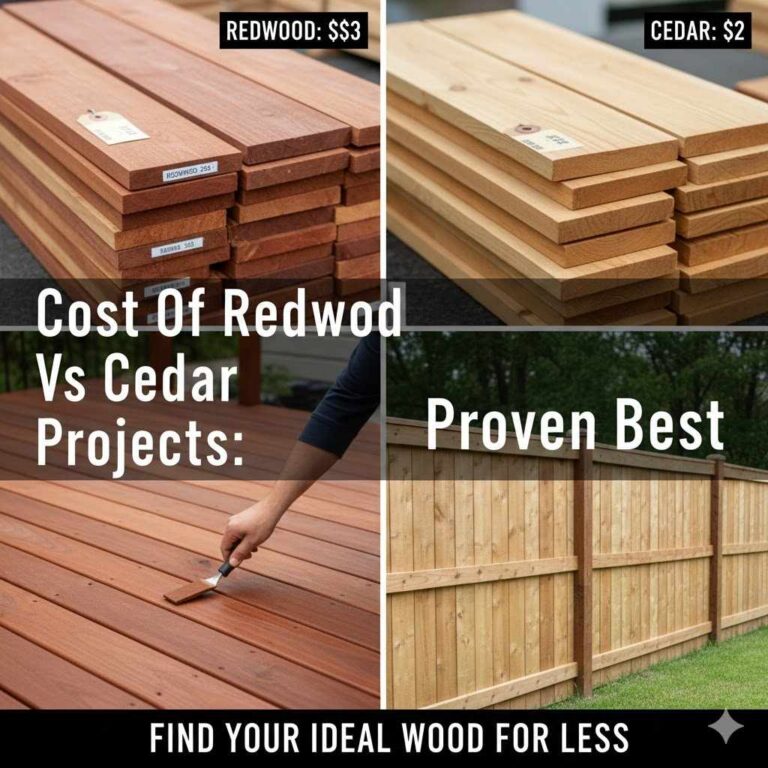
The initial cost of cedar fencing is typically higher than that of pressure-treated pine. For example, a 100-foot cedar fence might cost 30-50% more upfront than a comparable pine fence. This difference is due to the natural qualities of cedar and the demand for its durability and beauty.
However, when you factor in the lifespan, cedar can become more cost-effective over the very long term. If a cedar fence lasts 20-30 years and a pine fence lasts 10-15 years, you might need to replace the pine fence twice or even three times in the same period you have one cedar fence.
The total cost of ownership for cedar, considering its longer lifespan and potentially lower maintenance costs for structural integrity, can be less than repeatedly replacing a pine fence. This makes it a better investment for those planning to stay in their home for many years or who prioritize long-term value.
| Feature | Cedar Fence | Pressure-Treated Pine Fence |
|---|---|---|
| Initial Cost | Higher | Lower |
| Lifespan (Approximate) | 20-30+ years | 10-15 years |
| Natural Resistance | High (rot & insects) | Low (needs treatment) |
| Maintenance Focus | Color preservation (optional) & cleaning | Moisture protection & crack prevention |
| Appearance | Rich natural tones, elegant grain | Lighter color, more uniform grain |
Factors Influencing Fence Longevity
Beyond the type of wood itself, several other factors play a big role in how long any fence lasts. Thinking about these elements will help you get the most out of your investment, whether you choose cedar or pine. These are the details that can make a good fence last even longer.
We’ll explore how installation methods, climate, and ongoing care can impact your fence’s lifespan. Understanding these can help you make better choices during the installation and provide the right care for your chosen wood.
This will give you a complete picture of fence durability. It’s not just about the wood; it’s about how it’s treated and looked after.
Installation Techniques
Proper installation is critical for fence longevity. For both cedar and pine, it’s important to ensure the posts are set deep enough in the ground and properly secured, usually with concrete. This prevents the posts from shifting or leaning due to soil movement or wind pressure.
Drainage is also key. Fences should be installed so that water can drain away from the wood, especially at the base of the posts and where the fence panels meet the ground. Leaving a small gap between the bottom of the fence and the soil can prevent constant moisture wicking, which leads to rot.
Using appropriate hardware that is resistant to corrosion, such as galvanized or stainless steel nails and screws, is also important. This prevents rust stains and ensures the fasteners don’t degrade, which could weaken the fence structure over time.
Climate and Environmental Conditions
The climate where you live has a significant impact on fence life. Areas with high humidity, frequent rainfall, or persistent dampness will accelerate rot in any wood, though cedar’s natural resistance helps it fare better.
Regions with intense sun exposure can cause wood to dry out, crack, and fade. UV rays are particularly harsh and can break down wood fibers over time. Cedar and treated pine can both be affected, but proper sealing and staining can offer protection.
Harsh winters with freeze-thaw cycles can also stress fence materials. Wood can expand and contract, potentially leading to cracks or structural weaknesses. Coastal areas with salt spray can also accelerate the degradation of wood and metal components.
For example, a fence in a tropical climate with high humidity and constant rain will likely have a shorter lifespan than a similar fence in a dry, arid climate, regardless of the wood type. Similarly, a fence in a region with many termites will see pine decay much faster if not adequately treated and maintained.
Regular Cleaning and Maintenance Practices
Regular cleaning can make a big difference in how long your fence lasts. Washing your fence periodically to remove dirt, mold, algae, and mildew helps prevent these organisms from breaking down the wood fibers. Mildew, in particular, can hold moisture and contribute to rot.
Inspecting your fence regularly for any signs of damage, such as loose boards, cracked posts, or insect activity, is also crucial. Addressing these issues early can prevent minor problems from becoming major structural failures.
For both cedar and pine, applying sealants or stains as recommended can provide an extra layer of protection against moisture and UV rays. This not only keeps the fence looking good but also helps to preserve the wood itself.
For instance, a homeowner in a wet region might clean their fence twice a year, while someone in a dry area might only need to do it once annually. This simple practice extends the life of the wood significantly.
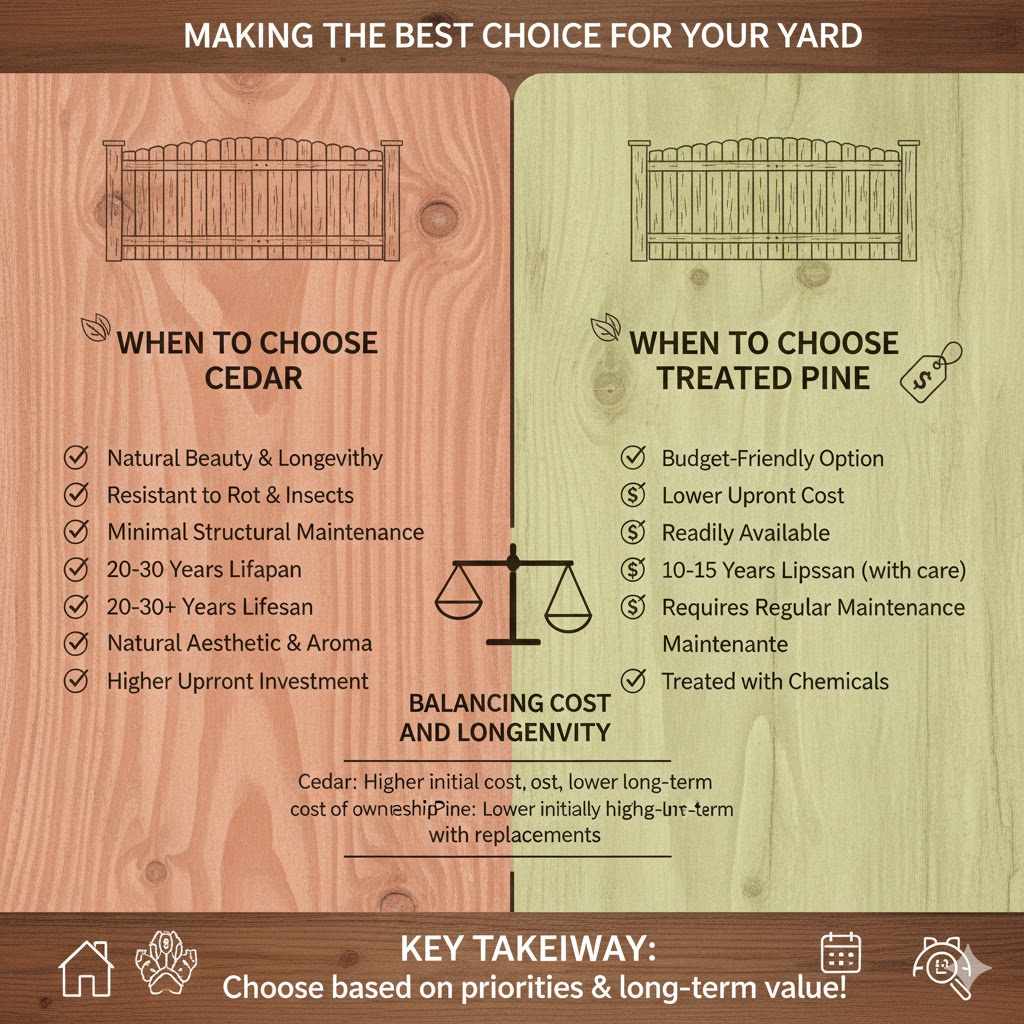
Making the Best Choice For Your Yard
So, when you’re weighing Cedar vs Pine Fence: Which Lasts Longer?, the answer isn’t always black and white. It depends on what’s most important to you. Are you looking for the longest possible life with natural resistance, or a more budget-friendly option that can still be quite durable with the right care?
We’ve explored the natural strengths of cedar and the treated resilience of pine. Now, let’s bring it all together to help you decide which wood is the perfect fit for your property and your priorities.
This final step will help you feel confident in choosing the fence that will best serve your needs for years to come.
When to Choose Cedar
Choose cedar if your top priorities are natural beauty, longevity, and resistance to rot and insects without relying heavily on chemical treatments. If you are willing to invest more upfront for a fence that is likely to last 20-30 years or more with minimal structural maintenance, cedar is an excellent choice.
Cedar is ideal for those who prefer a more natural aesthetic for their yard and appreciate the warm tones and pleasant aroma of the wood. It’s also a good option if you’re concerned about using treated lumber in your outdoor living spaces.
If your budget allows and you want a fence that requires less worry about decay and pest damage over the decades, cedar is the superior choice for enduring quality and appearance.
When to Choose Treated Pine
Opt for treated pine if your primary concern is budget. It offers a significant upfront cost saving compared to cedar, making it an accessible option for larger projects or for homeowners needing to manage expenses closely. The accessibility and ease of finding treated pine also make it a practical choice for many.
Treated pine can still provide a good lifespan of 10-15 years, and sometimes more, with proper installation and regular maintenance. It’s a solid performer when correctly treated and cared for, offering a functional and attractive fence at a lower initial price point.
If you are comfortable with the pressure-treating process and are prepared to perform regular maintenance to protect the wood, treated pine is a very sensible and economical choice for many fencing needs.
Balancing Cost and Longevity
The decision between cedar and pine often comes down to balancing initial cost against long-term value. Cedar demands a higher upfront payment but can offer a greater return on investment over its extended lifespan, often outlasting two or even three pine fences.
Treated pine requires a lower initial investment, making it attractive for immediate needs. However, factoring in potential replacement costs down the line can shift the long-term financial picture.
Consider how long you plan to live in your home and your willingness to perform maintenance. If long-term durability and a lower total cost of ownership over 20+ years are key, cedar often wins. If immediate affordability is paramount and you’re prepared for potential replacement sooner, treated pine is a good option.
Frequently Asked Questions
Question: How long does a cedar fence typically last
Answer: A well-maintained cedar fence can typically last between 20 to 30 years, and sometimes even longer, thanks to its natural resistance to rot and insects.
Question: Is pine fencing a good choice for wet climates
Answer: Pressure-treated pine can be a good choice for wet climates, but its longevity will depend heavily on the quality of the treatment and regular maintenance to prevent moisture absorption and rot.
Question: Does cedar fence require a lot of maintenance
Answer: Cedar fence requires relatively low maintenance. To keep its color, sealing or staining is recommended every few years; otherwise, occasional cleaning is sufficient for longevity.
Question: Which fence material is more affordable
Answer: Pine fencing is generally more affordable than cedar fencing, especially when comparing initial purchase and installation costs.
Question: Can pine fence be as durable as cedar
Answer: While treated pine can be durable, cedar’s natural resistance to decay and insects often makes it more durable and longer-lasting over many years without relying solely on chemical treatments.
Summary
When comparing cedar and pine, cedar offers superior natural durability and longevity, often lasting 20-30 years due to its inherent resistance to rot and pests. Pine, while more affordable upfront, relies on pressure treating for protection and typically lasts 10-15 years. Your choice depends on balancing initial cost against long-term value and maintenance commitment.