
Can You Safely Cut Chicken on a Wood Cutting Board?
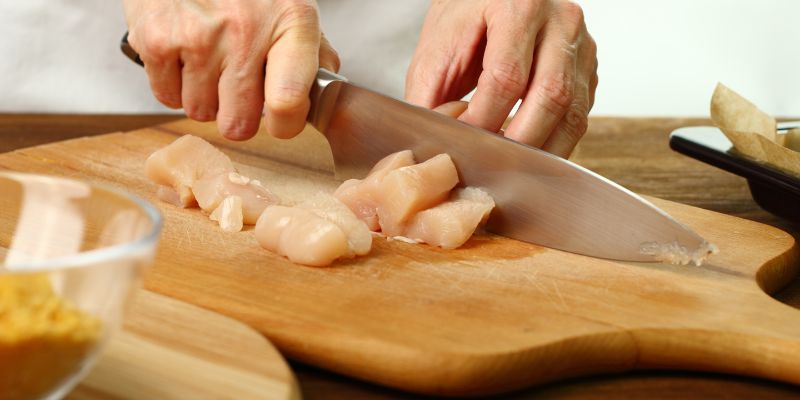
Cutting raw chicken is a big deal in any kitchen. It’s juicy, it’s messy, and it can carry bacteria like salmonella. I learned this the hard way when I once got a tummy bug from a poorly cleaned board. Using a wood cutting board for chicken can be safe, but only if you know the right steps. Wood boards are beautiful, feel great under a knife, and can even have natural bacteria-fighting powers. But they need extra care compared to plastic. Let’s break it down so you can chop chicken with confidence!
Is It Safe to Cut Chicken on Wood?
Wood cutting boards are awesome for many tasks. They’re gentle on knives and add a cozy vibe to your kitchen. But raw chicken? That’s where things get tricky. The USDA says wood’s porous surface can trap bacteria in tiny grooves, which might lead to cross-contamination if not cleaned properly. However, some studies, like one from the University of Wisconsin, suggest wood can trap and kill bacteria better than plastic because it wicks moisture away. So, can you use a wood board for chicken? Yes, but you need to follow strict cleaning rules and maybe dedicate one board just for meat.
Wood vs. Plastic: Which Is Better?
I’ve used both wood and plastic boards, and each has pros and cons. Plastic is non-porous, so it’s easier to clean and often dishwasher-safe. But plastic can develop deep scratches that hold bacteria. Wood, on the other hand, is kinder to knives and can self-heal small cuts, but it needs hand-washing to avoid warping. Here’s a quick comparison:
| Feature | Wood Cutting Board | Plastic Cutting Board |
|---|---|---|
| Knife-Friendly | Very gentle, preserves blade sharpness | Can dull knives over time |
| Cleaning | Hand-wash only, needs oiling | Dishwasher-safe, easy to scrub |
| Bacteria Risk | Porous, needs thorough cleaning | Non-porous, but scratches can trap bacteria |
| Cost | $20-$100, depending on quality | $5-$30, budget-friendly |
| Table 1: Comparing Wood and Plastic Cutting Boards for Chicken Prep |
My First Mistake with a Wood Board
When I started cooking, I used one wood board for everything—chicken, veggies, bread. Big mistake! I didn’t know juices from raw chicken could soak into the wood and linger, even after a quick rinse. Now, I use separate boards: one wood for veggies and bread, and a plastic one for chicken. If you love your wood board, you can use it for chicken, but clean it well and consider reserving it for meat only.
How to Safely Cut Chicken on a Wood Cutting Board
Prepping chicken on a wood board is no sweat if you follow these steps. I’ve done this a hundred times, and it’s become second nature. Here’s my go-to process:
- Choose a sturdy board: Pick a thick, end-grain wood board (like maple) for durability. My maple board from Boardsmith is a champ.
- Sanitize first: Wipe the board with a mix of 1 tablespoon bleach to 1 gallon of water. Let it sit for a minute, then rinse and dry.
- Prep chicken last: Chop veggies or other foods first to avoid cross-contamination.
- Clean immediately: After cutting chicken, scrub the board with hot, soapy water. I use a stiff brush to get into grooves.
- Sanitize again: Repeat the bleach solution wipe to kill any leftover bacteria.
- Dry completely: Air-dry or pat with a clean towel to prevent moisture buildup.
- Oil regularly: Rub food-grade mineral oil on the board monthly to seal pores and keep it smooth.
List 1: Steps to Safely Cut Chicken on a Wood Cutting Board
Visual Idea: Cleaning Diagram
Imagine a simple diagram showing a wood cutting board with arrows pointing to steps: “Scrub with soap,” “Rinse,” “Sanitize,” and “Dry.” This would make the process crystal clear for beginners.
Tools and Materials You’ll Need
You don’t need fancy gear to prep chicken safely. Here’s what I use in my kitchen:
- Wood cutting board: A 15×20-inch maple or walnut board works great. Avoid soft woods like pine.
- Knife: A sharp chef’s knife makes clean cuts. I love my 8-inch stainless steel one.
- Soap and brush: Dish soap and a stiff scrub brush are must-haves.
- Bleach solution: Mix 1 tablespoon unscented bleach with 1 gallon of water.
- Mineral oil: Food-grade oil keeps your board in top shape.
| Tool | Purpose | Cost Estimate |
|---|---|---|
| Wood Cutting Board | Surface for cutting chicken | $30-$80 |
| Chef’s Knife | Clean, safe cuts | $20-$100 |
| Scrub Brush | Deep-clean grooves | $5-$10 |
| Mineral Oil | Maintains board’s surface | $8-$15 |
| Table 2: Essential Tools for Chicken Prep on a Wood Board |
Benefits and Drawbacks of Using Wood
Using a wood board for chicken has ups and downs. I love the feel of chopping on wood—it’s like strumming a guitar compared to a plastic toy! But there are trade-offs.
Benefits
- Gentle on knives: Wood won’t dull your blades as fast as plastic.
- Looks great: A wood board adds charm to your kitchen.
- Natural bacteria fighter: Some woods, like maple, may trap and kill bacteria.
Drawbacks
- Porous surface: Juices can soak in if not cleaned well.
- Hand-washing only: No dishwasher, or it might warp.
- Maintenance: Needs regular oiling to stay in shape.
My Top Tips for Success
After years of trial and error, here are my best tips for using a wood cutting board for chicken:
- Dedicate a board: Use one wood board just for raw meat to avoid cross-contamination.
- Freeze chicken slightly: Pop chicken in the freezer for 15 minutes before cutting. It firms up and makes slicing easier.
- Check for wear: If your board has deep grooves, sand it down or replace it. Bacteria love hiding in cuts.
List 2: Tips for Using a Wood Cutting Board for Chicken
Visual Idea: Board Maintenance Chart
Picture a chart showing a wood board’s life cycle: “New Board,” “After Use,” “Cleaned,” “Oiled,” and “Worn Out.” It would show when to oil or replace the board.
Common Mistakes to Avoid
I’ve made plenty of goofs with my wood board. Here are mistakes to skip:
- Using one board for all: Don’t chop veggies right after chicken without cleaning.
- Skipping sanitizing: A quick rinse won’t kill bacteria. Use bleach solution.
- Soaking the board: Too much water can warp wood. Scrub and dry fast.
Alternative Approaches
If wood feels like too much work, try these options:
- Plastic boards: Dishwasher-safe and cheap. I keep a $10 plastic board for quick chicken prep.
- Color-coded sets: Use different colors for meat and veggies to stay organized.
- Bamboo boards: Harder and less porous than wood, but still need hand-washing.
| Option | Pros | Cons |
|---|---|---|
| Plastic Board | Dishwasher-safe, cheap | Scratches easily, dulls knives |
| Bamboo Board | Less porous, durable | Needs hand-washing, can split |
| Color-Coded Set | Prevents cross-contamination | More boards to store |
| Table 3: Alternatives to Wood Cutting Boards for Chicken |
Visual Idea: Board Type Comparison
A side-by-side image comparing wood, plastic, and bamboo boards with labels like “Knife-Friendly” or “Easy to Clean” would help readers pick the best option.
Conclusion
Cutting chicken on a wood cutting board is totally doable with the right know-how. It’s a beautiful, knife-friendly surface that can be safe if you clean it well and follow simple steps. Try dedicating a wood board just for meat, scrub it with soap, sanitize with bleach, and oil it regularly. You’ll save money by avoiding fancy gadgets and keep your kitchen safe. Grab your board, slice some chicken, and whip up a tasty dinner! Share your favorite chicken recipe in the comments—I’d love to hear it!
Frequently Asked Questions
Can I cut chicken on a wood cutting board?
Yes, it’s safe if you clean it well. Scrub with hot, soapy water, sanitize with a bleach solution, and dry completely to avoid bacteria buildup.
How do I clean a wood cutting board after chicken?
Use hot, soapy water and a scrub brush. Rinse, then wipe with a bleach solution (1 tablespoon per gallon of water). Dry fully.
Is wood or plastic better for raw chicken?
Plastic is easier to clean and dishwasher-safe, but wood is knife-friendly and may fight bacteria naturally. Both work if cleaned properly.
Can I use the same board for veggies and chicken?
No, use separate boards to avoid cross-contamination. Cut veggies first or dedicate one board for meat only.
How often should I oil my wood cutting board?
Oil it monthly with food-grade mineral oil to seal pores and prevent cracking. Apply more if it looks dry.
What wood is best for cutting chicken?
Maple or walnut are great choices. They’re hard, durable, and less likely to trap bacteria than softer woods like pine.
Can I put a wood cutting board in the dishwasher?
No, dishwashers can warp wood. Hand-wash with soap, rinse, and dry to keep it in good shape.