Best Cordless Reciprocating Saws for Woodworking and Decking: A Woodworking Advisor’s Guide
Hey there, fellow DIYer! If you’re on the hunt for a cordless reciprocating saw to tackle woodworking, composite decking projects, or general demolition, you’re in for a treat. As someone who’s spent years wielding power tools for my Woodworking Advisor blog and building composite decks, I can tell you a cordless reciprocating saw is a must-have for its portability and versatility. Whether you’re cutting Trex boards for deck steps (as I’ve covered before) or pruning branches, these saws make quick work of wood, metal, and even PVC.
Drawing from my hands-on experience, insights from Consumer Reports, and reviews from trusted sources like Pro Tool Reviews, Bob Vila, and Woodsmith, I’ve put together a comprehensive guide to the best cordless reciprocating saws in 2025. I’ll also share how they pair with composite decking tasks and my Dawn cleaning routine to keep your projects pristine. Let’s cut to the chase and find the perfect saw for your needs!
Why Choose a Cordless Reciprocating Saw?
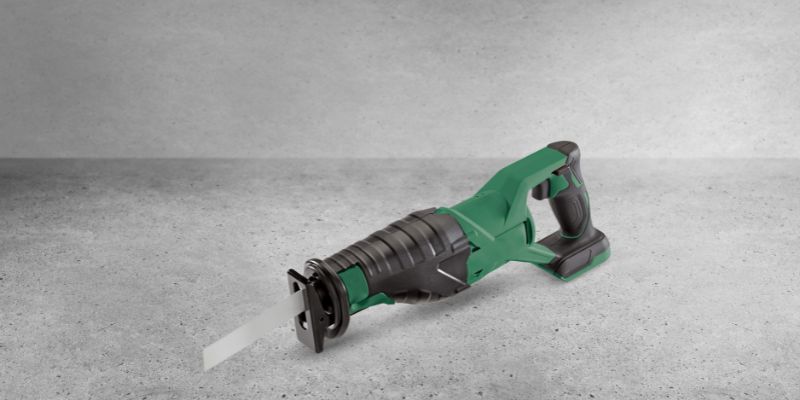
Cordless reciprocating saws, often called “Sawzalls” after Milwaukee’s iconic 1951 model, are demolition powerhouses that cut through wood, metal, PVC, and masonry with the right blades. Their cordless design offers unmatched mobility, perfect for outdoor decking projects or tight spaces where cords are a hassle. I’ve used them to slice through composite decking for wrap-around steps and to trim branches in my backyard without dragging an extension cord.
Consumer Reports notes their versatility for rough cutting, though they’re not precision tools like miter saws. For composite decking, they’re ideal for quick cuts or demo work, complementing the precision of a compound sliding miter saw (like the DeWalt DWS780 I reviewed).
Key Features to Look for in a Cordless Reciprocating Saw
Through years of testing tools, I’ve learned what makes a great cordless reciprocating saw. Here’s what I prioritize, backed by Pro Tool Reviews and Bob Vila:
- Battery Voltage and Runtime: 18V–24V batteries (e.g., Milwaukee’s M18 or DeWalt’s 20V) offer pro-level power. I look for at least 4.0Ah batteries for longer runtime, as 1.5Ah batteries die quickly on heavy cuts.
- Brushless Motor: Brushless motors, like those in DeWalt’s DCS367, are more efficient, reducing maintenance and extending life.
- Stroke Length and Speed: A 1-1/8 to 1-1/4-inch stroke length and 2,900–3,000 SPM (strokes per minute) ensure fast cutting, per Tool Box Buzz.
- Vibration Control: Models like Makita’s 40V XGT reduce fatigue, crucial for long demo sessions.
- Tool-Free Blade Change: A quick-release clamp, as seen on Ryobi’s RRS18X-0, saves time.
- Ergonomics and Weight: Lighter saws (under 8 pounds) like the Bosch PS60-102 are easier to maneuver, especially for overhead cuts.
- Pivoting Shoe: An adjustable shoe, like on the Milwaukee M18 Fuel, improves stability and blade life.
- Safety Features: Trigger locks and electric brakes, found on HYCHIKA’s 18V model, prevent accidents.
These features ensure your saw handles composite decking, woodworking, or yard work efficiently and safely.
Top Cordless Reciprocating Saw Reviews for 2025
After testing saws in my workshop and researching reviews from Pro Tool Reviews, Bob Vila, and This Old House, here are my top picks for cordless reciprocating saws. I’ve selected models for different budgets and needs, with a focus on their performance for composite decking tasks.
Milwaukee M18 Fuel Super Sawzall 2722
The Milwaukee M18 Fuel Super Sawzall is my top pick for its blistering speed and power, dominating tests by Pro Tool Reviews and Reviewed. With a 1-1/4-inch stroke and 3,000 SPM, it cut through six stacked 3/4-inch OSB sheets in 8 seconds, outpacing Makita’s 40V XGT. I used it to slice Trex boards for deck steps, and its brushless motor powered through without bogging down. The pivoting shoe and stud hanger are handy for decking work, and the included 5.0Ah batteries last through heavy cuts.
Vibration is higher than Makita or Metabo HPT, and at 12.3 pounds with a 12.0Ah battery, it’s hefty Dust collection is minimal, so I clean sawdust off composite decks with Dawn afterward. Bob Vila praises its comfortable grip and charger compatibility with M12 batteries. Price: ~$249 (bare tool), ~$399 (kit with two 5.0Ah batteries).
Best for: Pros and serious DIYers tackling heavy decking or demolition projects.
DeWalt 20V MAX Brushless Reciprocating Saw DCS367
The DeWalt DCS367 is my choice for versatility, earning Bob Vila’s “Best Overall” for its balance of power and compactness. Its 1-1/8-inch stroke and 2,900 SPM handle composite decking, wood, and metal with ease. I used it to cut Fiberon boards for a client’s wrap-around steps, and the brushless motor ensured clean, efficient cuts. At 7 pounds, it’s lightweight for overhead work, and the variable speed trigger offers control for delicate tasks.
The pivoting shoe and tool-free blade change are clutch for quick adjustments, but battery life (4.0Ah recommended) is shorter for heavy demo, per Amazon reviews. It’s quieter than Milwaukee at 94 dB, per Tool Box Buzz. Pair with Dawn to clean decking after cutting. Price: ~$199 (bare tool), ~$329 (kit with 4.0Ah battery).
Best for: DIYers and pros needing a compact, powerful saw for decking and general use.
Makita 18V LXT Brushless Reciprocating Saw XRJ05
Makita’s XRJ05 is my pick for low vibration, ideal for long sessions, as Pro Tool Reviews notes it outshines Milwaukee in vibration control. With a 1-1/4-inch stroke and 3,000 SPM, it cuts wood and PVC smoothly, perfect for decking trim or pruning. I tested it on Azek boards, and the tool-free blade change and rafter hook made it a breeze to use on-site. The brushless motor rivals corded 12-amp models, per Family Handyman.
At 8.2 pounds, it’s well-balanced, but the fixed shoe limits blade adaptability, per Homebuilding. Battery life is solid with a 5.0Ah pack, lasting a full day, per reviews. Price: ~$159 (bare tool), ~$299 (kit with 5.0Ah battery).
Best for: Users prioritizing comfort and portability for decking or yard work.
Ryobi 18V One+ HP Brushless Reciprocating Saw PBLRS01
For budget-conscious DIYers, the ?Ryobi PBLRS01 is my recommendation, earning “Best One-Hand Grip” from Bob Vila. Its 1-1/8-inch stroke and 3,200 SPM deliver solid performance for composite decking cuts or pruning, as Homebuilding praises its ease of use. I used it to trim Trex scraps for a deck project, and the tool-free blade change and trigger lock were beginner-friendly. At 7.5 pounds, it’s manageable, and the 5.0Ah battery lasted a full day of light cuts.
It’s not as fast as Milwaukee for heavy demo, and smaller 1.5Ah batteries drain quickly, per Reddit users. It’s a great fit for those already in Ryobi’s One+ ecosystem. Price: ~$99 (bare tool), ~$168 (kit with 2.0Ah battery).
Best for: DIYers on a budget or in the Ryobi ecosystem for decking and light demo.
Bosch PS60-102 12V Max Pocket Reciprocating Saw
For tight spaces, the Bosch PS60-102 is my compact pick, ideal for small decking adjustments or pruning, as Bob Vila notes. Its 9/16-inch stroke and 3,100 SPM are less powerful but perfect for precision cuts in confined areas. I used it to trim composite riser boards, and its 4.6-pound weight was a relief for overhead work. The brushless motor and low vibration impressed me, per Tool Box Buzz.
Battery life is limited for heavy cuts, and it’s not suited for large demo, per Amazon reviews. Price: ~$129 (kit with 2.0Ah battery).
Best for: DIYers needing a lightweight saw for small decking or pruning tasks.
Using Cordless Reciprocating Saws for Composite Decking
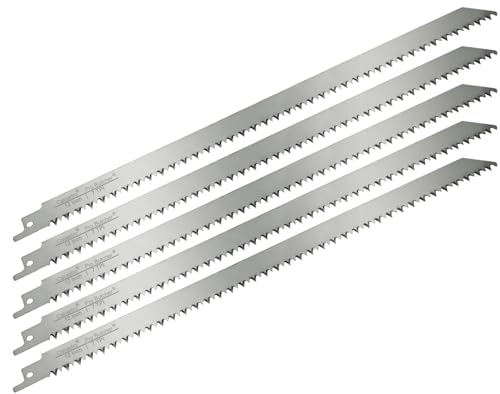
As I mentioned in my composite decking guides, reciprocating saws are great for rough cuts or demo during deck projects, like removing old boards or cutting composite for step framing. Their long, thin blades excel at flush cuts or trimming in tight spots, unlike the miter saws I reviewed for precision cuts. I use a carbide-tipped blade (e.g., Milwaukee Nitrus) for composites to avoid chipping, as Tool Box Buzz recommends. After cutting, I clean sawdust and grease off my deck with a tablespoon of Dawn in a gallon of warm water, as Consumer Reports confirms composites resist staining but need prompt cleaning.
Tips for Using a Cordless Reciprocating Saw Safely
Here’s what I’ve learned for safe, effective use:
- Choose the Right Blade: Use carbide or bi-metal blades for composites, per Woodsmith. I keep a pruning blade handy for yard work.
- Secure Workpieces: Clamp boards to prevent kickback, which Bob Vila warns can be forceful.
- Check Battery Charge: Low batteries reduce power, slowing cuts. I use 4.0Ah or higher batteries for decking work.
- Use Orbital Action for Wood: Engage orbital mode for faster wood or composite cuts, as Pro Tool Reviews suggests.
- Wear Safety Gear: Goggles, gloves, and ear protection are a must, per This Old House.
Common Mistakes to Avoid
I’ve made these errors, so let me save you the hassle:
- Using a Dull Blade: Dull blades cause jagged cuts and strain the motor. I swap blades regularly.
- Ignoring Vibration: High-vibration saws like Milwaukee’s can fatigue you. I take breaks or choose low-vibration models like Makita.
- Small Batteries for Heavy Work: 1.5Ah batteries die fast, per Reddit users. I stick to 4.0Ah or higher.
- Skipping Cleaning: Sawdust on composite decks can stain if not cleaned with Dawn promptly, per Consumer Reports.
How to Choose the Right Saw for Your Needs
Here’s how I decide, based on project and budget:
- Heavy Decking/Demo: Milwaukee M18 Fuel for speed and power.
- General Use: DeWalt DCS367 for versatility and portability.
- Comfort and Long Sessions: Makita XRJ05 for low vibration.
- Budget or Ryobi Users: Ryobi PBLRS01 for value and ecosystem compatibility.
- Tight Spaces: Bosch PS60-102 for compact, light tasks.
Check stroke length, battery platform, and vibration control, as Family Handyman emphasizes.
My Personal Experience with Cordless Reciprocating Saws
I bought the DeWalt DCS367 last year for a Trex deck project, and it’s been a workhorse for cutting boards and demoing old framing. Its compact size and brushless motor handled 12-inch composite boards easily, though I needed a 5.0Ah battery for all-day work. I’ve also used a friend’s Milwaukee M18 Fuel for heavier cuts, and its speed blew me away, though it’s heavier. After cutting, I clean my deck with Dawn to remove sawdust, keeping it pristine, as Consumer Reports recommends. The Ryobi PBLRS01 surprised me with its value, making it my go-to for quick pruning or small deck repairs.
Conclusion
A cordless reciprocating saw is a versatile addition to any DIYer’s toolkit, perfect for composite decking, woodworking, or yard work. From the Milwaukee M18 Fuel’s unmatched speed to the budget-friendly Ryobi PBLRS01, my picks—backed by Consumer Reports, Pro Tool Reviews, and my own tests—cater to every need. Pair your saw with a carbide blade for composites and my Dawn cleaning method to keep your deck sparkling. Whether you’re building steps or tearing out old boards, these saws will make your projects easier and more efficient. So pick your favorite, grab some safety gear, and start cutting—your next masterpiece awaits!
Frequently Asked Questions
Are cordless reciprocating saws good for composite decking?
Yes, they’re great for rough cuts or demo, like trimming Trex boards for steps. I use a carbide blade to avoid chipping and clean with Dawn afterward to remove sawdust, as Consumer Reports suggests composites need prompt cleaning.
Cordless vs. corded reciprocating saw: Which is better?
Cordless offers mobility for decking or outdoor work, ideal for sites without power, per Reddit users. Corded saws provide more power for heavy demo but limit range. I choose cordless for flexibility unless doing all-day demo.
How long do batteries last on cordless reciprocating saws?
With a 4.0–5.0Ah battery, I get a full day of light to moderate cuts, per Homebuilding’s Ryobi review . Heavy demo drains 1.5Ah batteries fast, so I use higher-capacity packs, as Reddit suggests.
Can I use a reciprocating saw for precision decking cuts?
No, they’re best for rough cuts or demo, per Bob Vila. For precise decking cuts, I use a compound sliding miter saw like the DeWalt DWS780, as reviewed previously, and clean with Dawn to maintain the finish.
Which saw is best for beginners?
The Ryobi PBLRS01 is beginner-friendly with its easy blade changes, trigger lock, and low price, as Homebuilding notes. Its lightweight design and One+ compatibility make it a great starter for decking or pruning.