Engineered Wood vs Solid Wood for a Statement Floor
Choose Solid Wood if you want the longest refinish life and a floor that can last for generations; choose Engineered Wood if you want wider planks, better stability, and a stronger fit for kitchens or basements. Pick the wrong material, and you can get cupping, gaps, or a floor that cannot handle the room. This guide compares durability, appearance, moisture tolerance, installation, and cost so you can choose the right statement floor.
| Factor | Engineered Wood | Solid Wood | Winner |
|---|---|---|---|
| Construction | Real wood veneer over a plywood or multi-layer core | One-piece timber plank | Tie |
| Stability in changing conditions | More dimensionally stable in humidity swings and over concrete | Can move more with humidity and temperature changes | Engineered Wood |
| Refinishing potential | Depends on wear layer; often 1–3 refinishes, sometimes only one | Can be sanded and refinished many times | Solid Wood |
| Installation flexibility | Can be floated, glued, or nailed if the product allows it | Mainly nail-down over an approved wood subfloor | Engineered Wood |
| Typical material cost | $3 to $16 per square foot | $6 to $25 per square foot | Engineered Wood |
| Best statement-floor use | Wide-plank, open-plan, kitchen, basement, radiant heat | Legacy-focused living rooms, bedrooms, above-grade spaces | Depends on room |
Engineered wood vs solid wood: the core trade-off
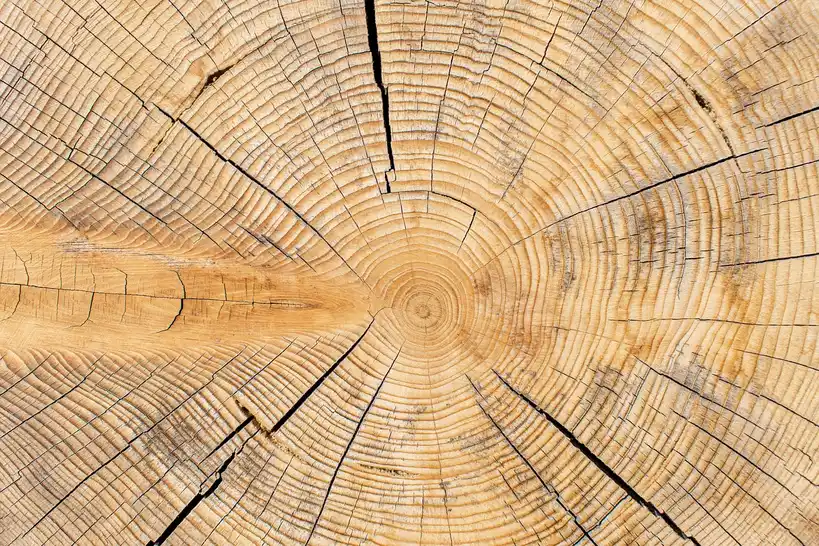
Solid Wood gives you one-piece timber, long sanding life, and the strongest legacy value when the room is dry and the subfloor is right. Engineered Wood gives you a real wood top layer over a stable core, which makes it easier to use in wider planks, over concrete, and in rooms with more moisture or temperature movement.
Construction and materials
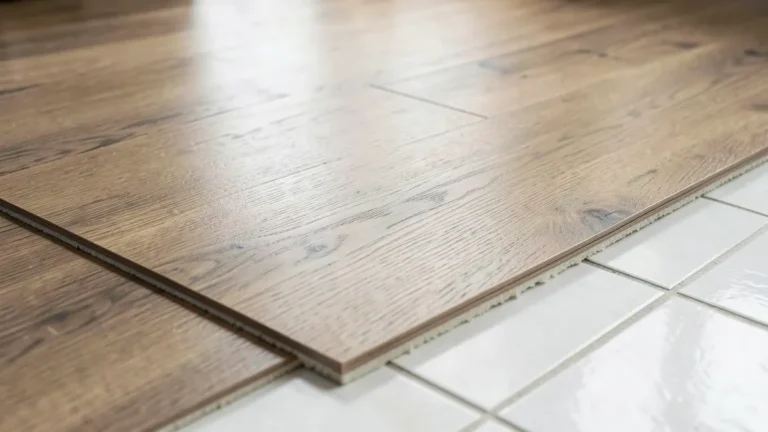
Solid hardwood is exactly what it sounds like: planks of real wood. Engineered Wood uses a real hardwood top layer over a plywood base, and that layered build is why it behaves differently in the house. The wear layer on engineered boards is typically anywhere between two and six millimetres, which is the detail that separates a floor that can be renewed from one that should be treated as a one-time wear surface.
Stability in changing conditions
Engineered Wood is usually the safer pick where humidity and temperature swing more, because the core resists movement better than a solid plank. Solid Wood can expand and contract more, which raises the risk of cupping or gapping if the space is too damp, too dry, or poorly conditioned.
Refinishing potential
Solid Wood can be sanded and refinished many times, and that is the main reason it can last over 100 years according to Tapi. Engineered Wood can also be refinished, but the limit depends on the wear layer thickness, core quality, and how aggressively the floor was finished at the factory. Treat it as a finite resource, not an endless one.
Installation flexibility and subfloors
Engineered Wood can often be floated, glued, or nailed, depending on the product and the approved method. That makes it easier to install over concrete slab floors and in some radiant-heat builds. Solid Wood usually wants a wood subfloor and a more traditional nail-down install, which narrows where it fits cleanly.
Cost and total project drivers
Hardwood flooring can cost about $6 to $25 per square foot, while engineered wood flooring usually ranges from about $3 to $16 per square foot. Total cost is not just the plank price. Underlayment, moisture barriers, subfloor leveling, stair work, transitions, and room prep can move the final bill quickly.
Where does each floor fit best?
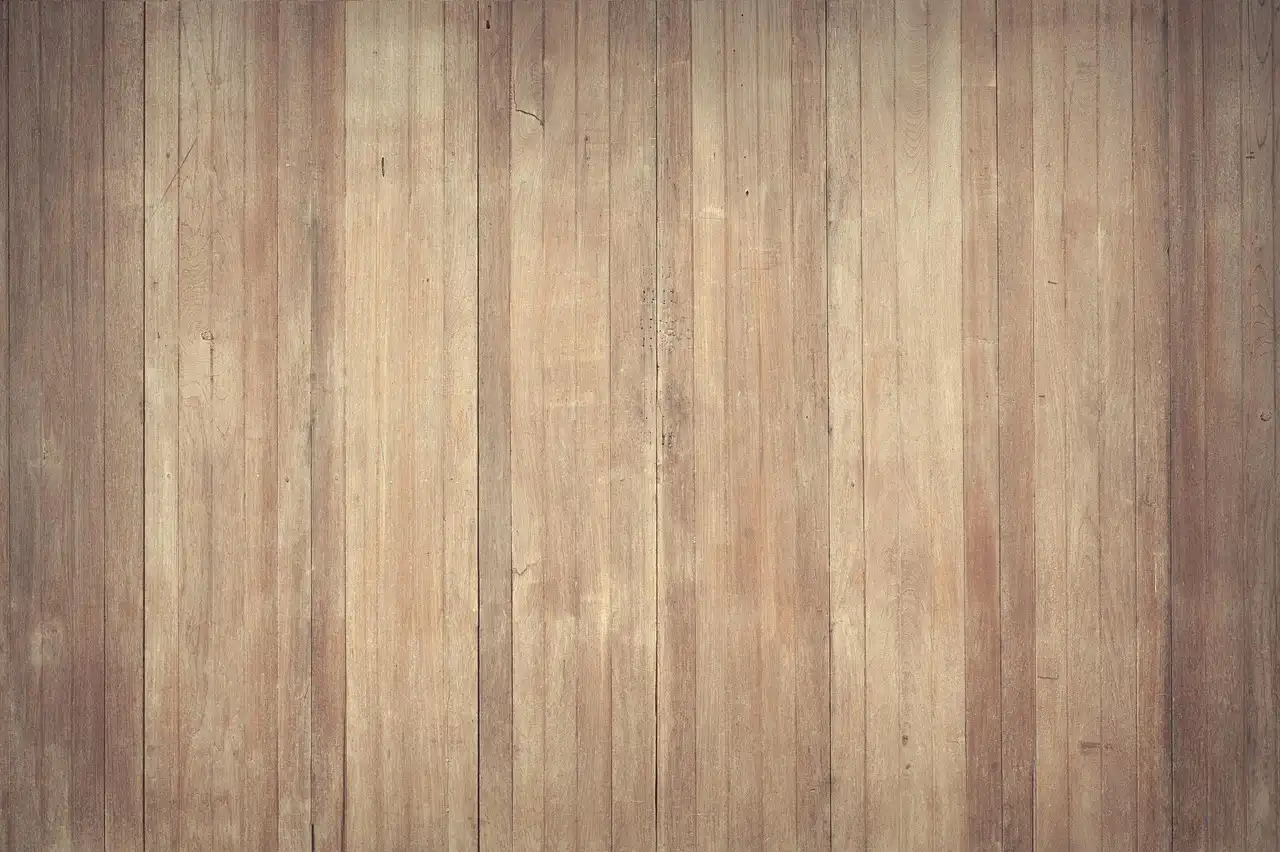
Choose by room first, then by style. The same floor can be a strong choice in a living room and a poor choice in a basement, even if the color and plank width look right on a sample board. Room conditions drive most of the risk.
Living rooms and open-plan spaces
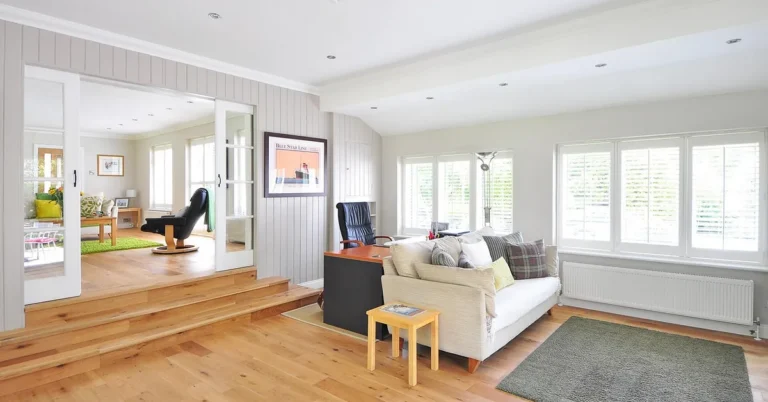
Both options can work well here, but the result changes with the look you want. Solid Wood fits a traditional, long-life approach in stable above-grade spaces. Engineered Wood is often the stronger design choice for extra-wide planks and long sightlines, where large boards create more visual impact without the same movement risk.
Say your 900-square-foot open-plan main floor spans a kitchen, dining area, and living room, with long sightlines from one end to the other. A wider Engineered Wood plank usually gives the cleaner visual run, while still handling the mixed-use layout more comfortably than a solid board of the same width.
Kitchens and busy family areas
Engineered Wood usually fits kitchens and active family rooms more comfortably because it tolerates ordinary indoor moisture swings better. Solid Wood can work in some kitchen layouts, but spills, dishwasher leaks, and repeated wet-dry cycles raise the chance of finish wear, swelling, or edge movement. Neither option belongs in a fully wet bathroom environment.
Basements and concrete slabs
Engineered Wood is usually the practical answer for basements and concrete slabs because the install methods and core structure suit those conditions better. Solid Wood is a poor fit for many basements because moisture movement from the slab and the room can cause shape changes that show up as gaps or cupping.
Bedrooms and resale-focused remodels
Solid Wood is still a strong choice for bedrooms and owner-occupied remodels where long refinish life matters more than installation flexibility. If resale is the goal, market preference often favors a floor that looks high-end and fits the house’s age and style. That does not mean solid always wins; it means the best choice is the one that suits the home and the room conditions.
What wear layer should you look for?
For Engineered Wood, wear layer thickness is the quality filter that matters most. A thicker top layer allows more sanding and gives you more room to correct finish wear later. Thin wear layers can look fine on day one and still leave you with very limited repair options.
2 mm to 3 mm wear layers
A 2 mm to 3 mm wear layer is a practical middle ground for many homes. This range often supports at least one refinishing cycle, sometimes more if sanding is light and the floor is maintained carefully. It is a reasonable target if you want a statement floor without paying for the thickest top layer.
4 mm to 6 mm wear layers
Wear layers in the 4 mm to 6 mm range give you more sanding margin and a better long-term buffer for a high-traffic house. This is the safer zone if you want the visual look of engineered boards but still care about future restoration. It is especially useful for wide-plank installs, where the floor is doing both a design job and a service job.
When wear layer matters more than species
Wear layer thickness can matter more than the wood species on top. A thin exotic veneer may not outlast a thicker oak wear layer in practical use, because sanding room and finish renewal matter more than the name on the surface. If you plan to keep the house a long time, start with the wear layer before you start with color.
Can you use either floor with radiant heat?
Engineered Wood is often the safer match for radiant heat because many products are approved for it, and the layered core handles temperature changes more predictably. Solid Wood is more limited and often has tighter approval rules. You need product approval, not just a general material label, before you install either one.
Why engineered wood is often approved
Engineered Wood is described as suitable for underfloor heating under 15mm thickness in many product lines, though approval still depends on the exact board. The layered structure helps reduce movement when heat cycles on and off. That makes it a more common fit for modern radiant systems.
Why solid hardwood is more limited
Solid Wood can react more strongly to heat-driven drying, which raises movement risk. The floor may gap or shift if the system runs hot or the indoor humidity drops too far. Even when a manufacturer allows it, the installation rules are usually stricter than for engineered boards.
Check the product approval, not the label
Do not assume every engineered floor works with radiant heat, and do not assume every solid floor is off limits. Check the product’s own installation guidance for thickness, core type, and temperature limits. That is the difference between a floor that stays flat and one that develops avoidable movement.
Statement-floor decision matrix

This matrix scores each option by the demands of the room and the project. Use it to match the floor to the job, not to a general preference.
| Scenario | Stability | Refinishability | Installation flexibility | Total risk | Recommendation |
|---|---|---|---|---|---|
| Open-plan living room | Engineered Wood | Solid Wood | Engineered Wood | Engineered Wood | Choose Engineered Wood for wide-plank impact and fewer movement concerns. |
| Kitchen | Engineered Wood | Solid Wood | Engineered Wood | Engineered Wood | Choose Engineered Wood if the room sees spills, dishwashing humidity, and busy traffic. |
| Basement | Engineered Wood | Solid Wood | Engineered Wood | Engineered Wood | Choose Engineered Wood for slab compatibility and lower movement risk. |
| Radiant heat | Engineered Wood | Solid Wood | Engineered Wood | Engineered Wood | Choose Engineered Wood unless the exact solid product is approved for the system. |
| Pet home | Engineered Wood | Solid Wood | Tie | Engineered Wood | Choose Engineered Wood if scratches, spills, and humidity swings are routine. |
| Future refinishing priority | Solid Wood | Solid Wood | Tie | Solid Wood | Choose Solid Wood if long sanding life is the main goal. |
| Wide-plank look | Engineered Wood | Tie | Engineered Wood | Engineered Wood | Choose Engineered Wood for extra width and a calmer visual field. |
| Resale-first remodel | Engineered Wood | Solid Wood | Engineered Wood | Tie | Choose based on the house: Solid Wood for traditional above-grade homes, Engineered Wood for mixed-condition spaces. |
| Budget cap | Engineered Wood | Solid Wood | Engineered Wood | Engineered Wood | Choose Engineered Wood if you need a lower starting price and more install options. |
| DIY install | Engineered Wood | Solid Wood | Engineered Wood | Engineered Wood | Choose Engineered Wood if you want a floating option or easier subfloor adaptation. |
A common first-timer mistake is choosing Solid Wood for a basement because the room feels dry during a short visit. If that slab later pulls moisture seasonally, the boards can cup or gap, and the repair often costs more than the price difference between products.
Choose Engineered Wood if… / Choose Solid Wood if…
Choose Engineered Wood if you want wider planks, a more stable floor in changing conditions, or a better match for concrete, radiant heat, kitchens, basements, and DIY-friendly installs. It is the stronger pick when the statement depends on scale and layout as much as on material.
Choose Solid Wood if you want the longest refinish life, a traditional above-grade install, and a floor that can stay in service for generations in a stable room. It is the stronger pick when legacy value and repeated sanding matter more than install flexibility.

Frequently asked questions
Is engineered wood or solid wood better for a statement floor?
It depends on the statement. Choose Solid Wood for a classic floor with maximum refinish life and long-term value in stable above-grade rooms. Choose Engineered Wood if you want a wider-plank look, better performance in demanding rooms, or a floor that fits more install conditions without sacrificing a real wood surface.
Which lasts longer: solid hardwood or engineered wood flooring?
Solid Wood usually lasts longer in the pure service-life sense because it can be sanded and refinished many times. Tapi says solid wood can last over 100 years, while engineered wood has a 20-40+ year lifespan. The exact result still depends on traffic, moisture, and how thick the wear layer is.
Can engineered wood be refinished like solid wood?
Yes, but only within limits. Engineered Wood with a thicker wear layer can often be refinished, while thin wear layers may allow only one light sanding or none at all. This Old House notes entry-level boards may have a 1-2 mm wear layer, better-quality floors 2-3 mm, and high-end floors 3 mm-plus. (Thisoldhouse)
Is engineered wood better for kitchens, basements, or radiant heat?
Usually, yes. Engineered Wood is often the safer match because it is more stable in changing conditions, can work over concrete, and is commonly approved for radiant heat. That does not make it waterproof, and it still needs the right underlayment and installation method for the room.
What wear layer thickness should I look for in engineered wood?
For a statement floor, aim for at least 2 mm to 3 mm if you want a realistic chance at future refinishing. If long-term renewal matters, 4 mm to 6 mm is a stronger target. The thicker the wear layer, the more sanding margin you keep.
How much does engineered wood cost compared with solid wood per square foot?
Hardwood flooring can cost around $6 to $25 per square foot, while engineered wood flooring usually ranges from $3 to $16 per square foot. The final project cost can move a lot with subfloor prep, underlayment, stairs, transitions, and whether the install is floating, glued, or nailed.
Sponsored / affiliate links. As an Amazon Associate I earn from qualifying purchases. I may earn additional commission from eligible campaigns.