Alumawood Patio Cover Cost: Newport vs. Laguna Lattice (2026)
Alumawood patio covers come in two core styles — the solid Newport roof and the open Laguna lattice — and run $18 to $55 per square foot installed depending on which one you pick and whether it’s insulated. Picking the wrong style means either paying for full weather protection you didn’t need, or getting a lattice that lets rain through onto furniture you wanted covered. This guide covers real per-square-foot pricing, which style fits which use, and what a DIY kit installation actually involves.
Transform Your Backyard With Alumawood Patio Cover Designs
Best Damp-Rated Patio Fan Pick
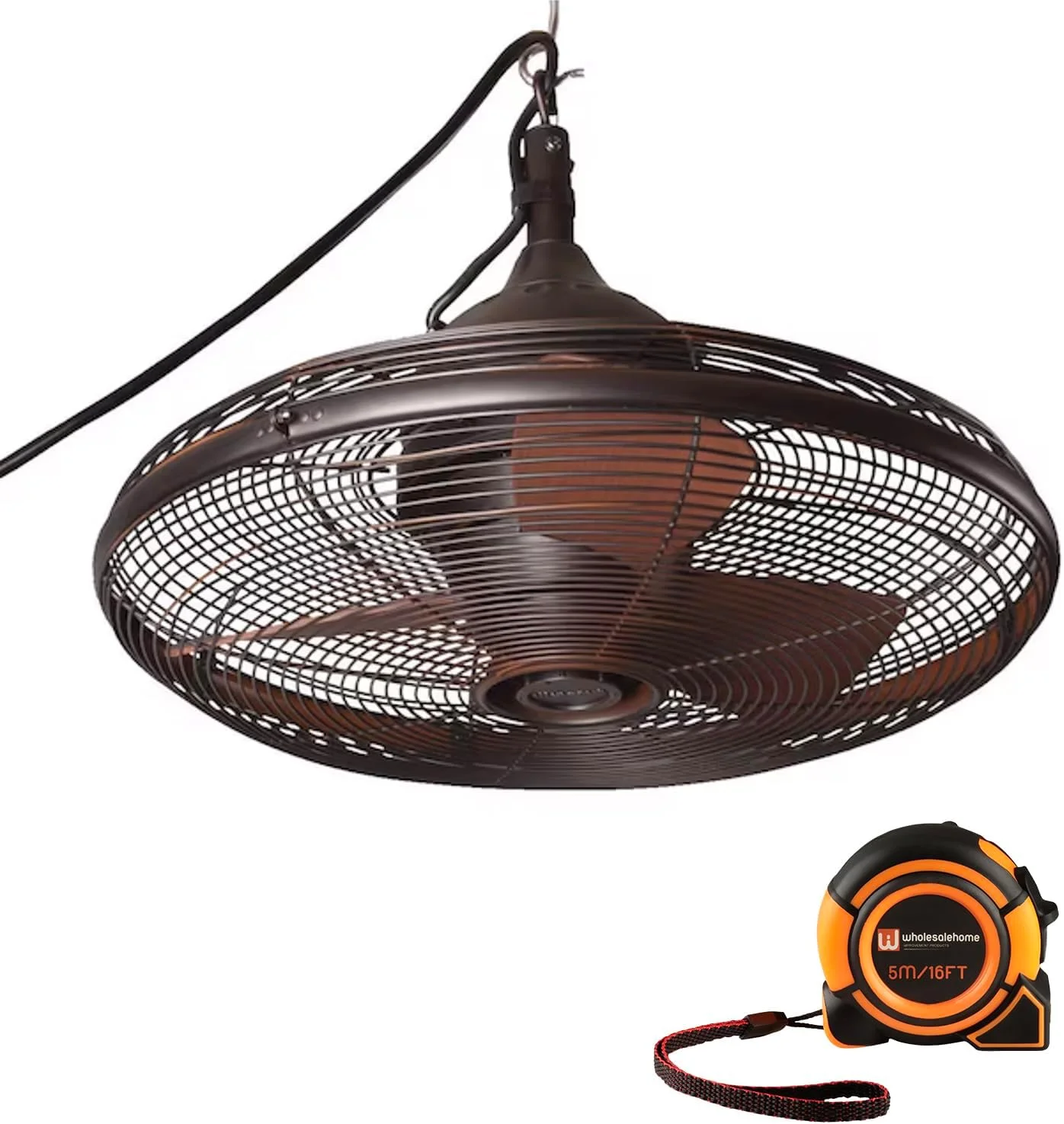 |
Harbor Breeze Valdosta 20-Inch Indoor/Outdoor Ceiling Fan – $132.98 A damp-rated fan sized to mount in the beam channels this guide mentions Newport and Laguna kits are built to accept, without needing a separate electrician-installed junction box modification.
|
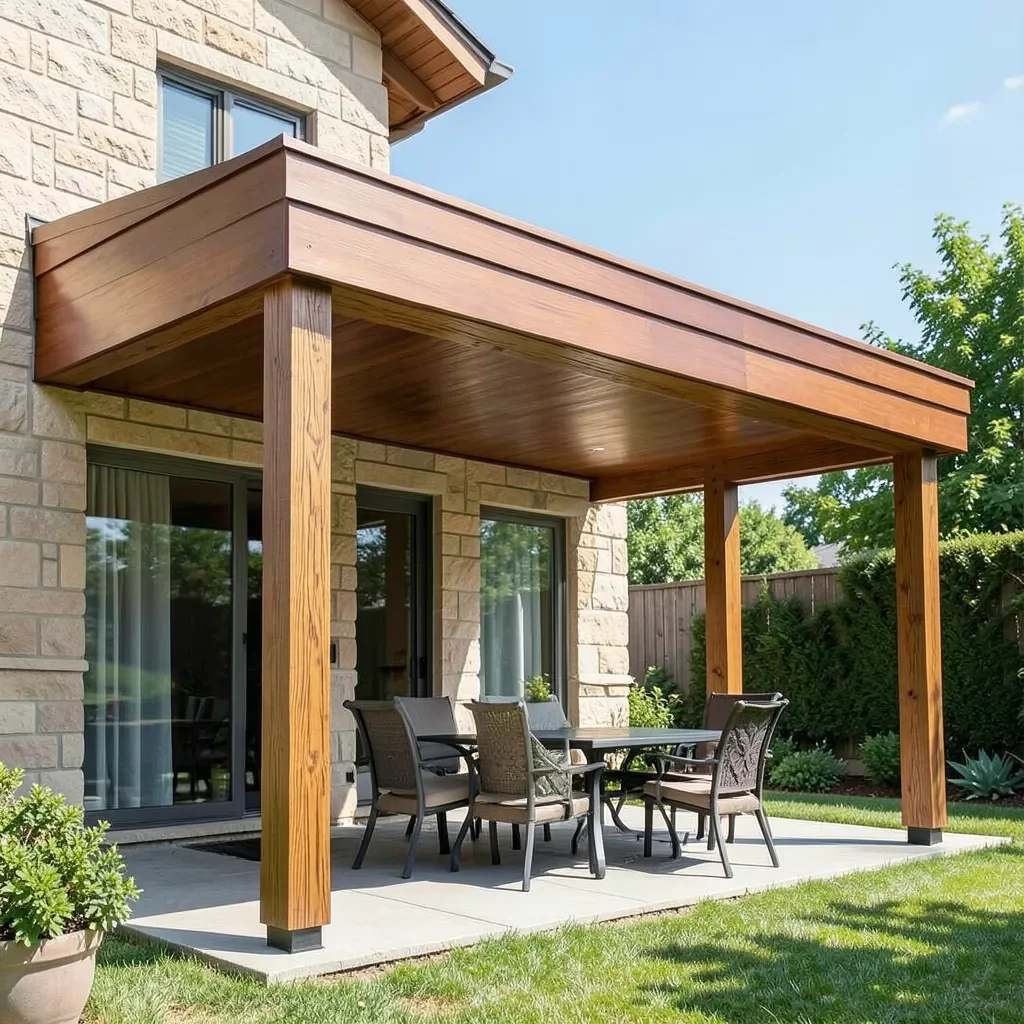
Alumawood patio covers add shade and a defined outdoor living space without the upkeep of real wood. The two style names you’ll actually see on a quote are Newport (the solid roof) and Laguna (the open lattice) — and picking between them changes both the price and how the space functions.
Choosing the Right Alumawood Style
Selecting the right Alumawood patio cover style is a key step in creating your dream outdoor space. Styles range from traditional to modern, each offering a unique aesthetic. Considering your home’s architecture is important. A cover that complements your house will look more integrated and appealing. Think about the materials and finishes available. Alumawood offers a variety of colors and textures that can mimic the look of real wood without the maintenance.
- A Solid Patio Cover: This type offers complete protection from sun and rain. It’s ideal if you want to use your patio in all kinds of weather. Imagine enjoying a quiet morning coffee even when it’s drizzling. This solid structure creates a true extension of your home’s indoor living space, perfect for outdoor dining or a sheltered play area for kids.
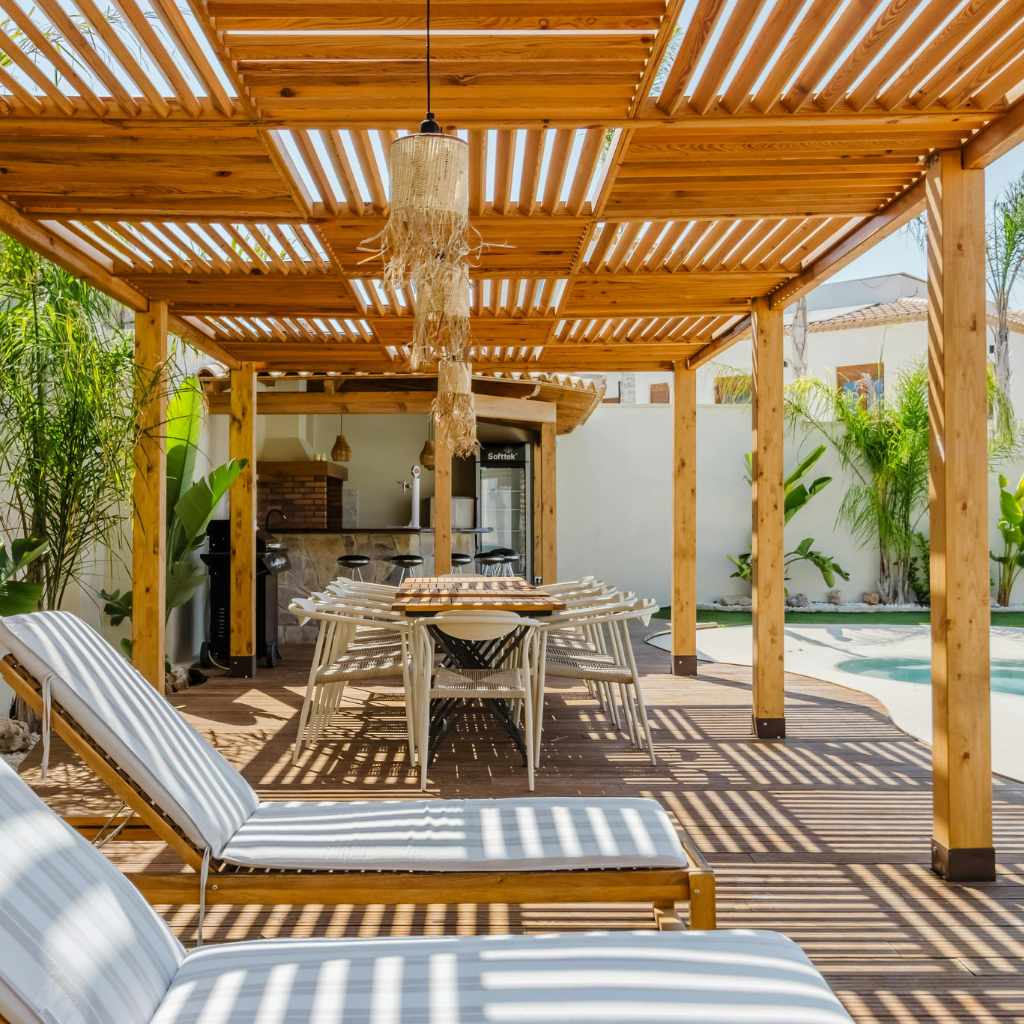
- A Lattice Patio Cover: For a more open and airy feel, a lattice cover provides partial shade. It’s great for those who still want some sunlight to filter through. This style creates beautiful dappled light patterns on your patio floor. It’s also excellent for supporting climbing plants, adding a touch of natural beauty and a unique visual element that changes with the seasons.
- A Pergola Style Cover: Pergolas are architectural features that can be freestanding or attached to your home. They offer a stylish frame for your outdoor area and can be customized with various roofing options. A pergola can define a specific zone, like an outdoor kitchen or a seating area, creating a sense of purpose and elegance. They are excellent for enhancing curb appeal and adding vertical interest to your yard.
Adding Essential Features to Your Cover
Once you’ve decided on a style, think about features that will enhance its usability. Lighting is a crucial element for extending the enjoyment of your patio into the evening hours. Ceiling fans can make a huge difference on hot summer days, keeping the space cool and comfortable. Consider built-in storage solutions if space allows, for cushions, gardening tools, or outdoor games. These additions turn a basic cover into a fully functional living area.
Consider integrating LED lighting strips under the eaves of your Alumawood cover. This provides soft, ambient light for evening gatherings. The low power consumption of LEDs also makes them an energy-efficient choice.
A ceiling fan can circulate air, creating a cooling breeze. Look for models specifically designed for outdoor use to withstand humidity and weather. Many modern outdoor fans are also stylish additions that complement the cover’s design.
Integrating Alumawood With Your Landscape
The success of your Alumawood patio cover also depends on how well it integrates with your surrounding landscape. Plants, water features, and outdoor furniture all play a role. Think about creating a seamless transition from your patio to your garden. This makes your entire outdoor space feel more cohesive and inviting.
Creative Alumawood Patio Cover Ideas for Enhanced Outdoor Living
A patio cover becomes a real outdoor room once you add the right features around it — not just shade, but lighting, seating zones, and comfort additions that make you actually use the space daily instead of a few times a summer.
Creating Outdoor Rooms With Alumawood
Alumawood patio covers are perfect for defining outdoor rooms. You can create distinct areas for dining, lounging, or even an outdoor office. This segmentation makes your outdoor space feel larger and more purposeful. It’s like adding extra rooms to your house, but with fresh air and sunshine.
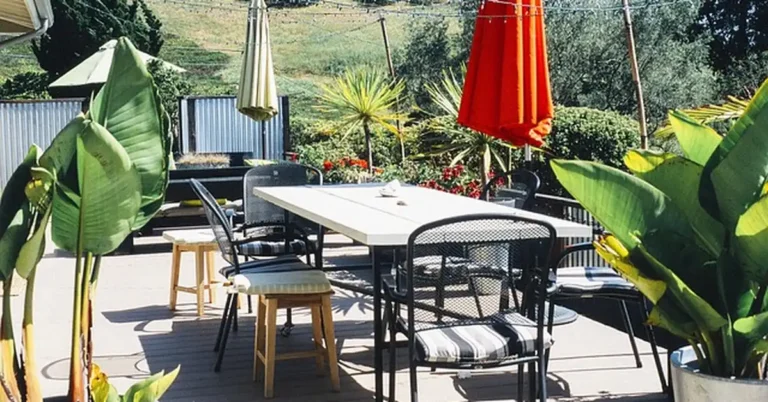
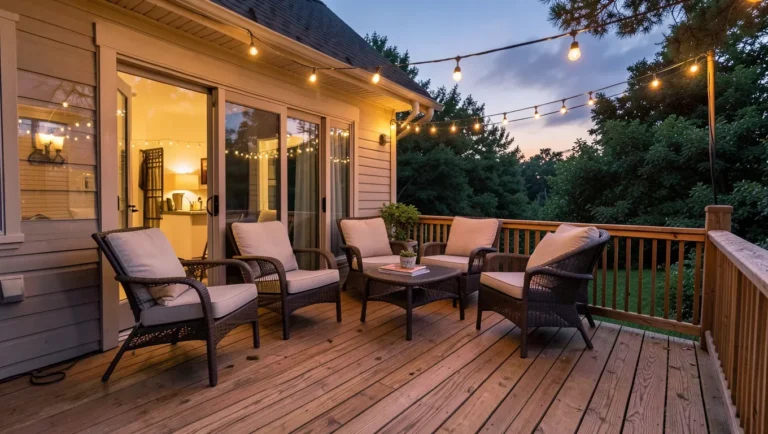
- The Outdoor Dining Room: Imagine hosting dinner parties under your Alumawood cover. You can place a dining table and chairs beneath it, creating a cozy and shaded spot for meals. Add some string lights overhead for a magical evening ambiance. This transforms a simple patio into an extension of your kitchen and dining area.
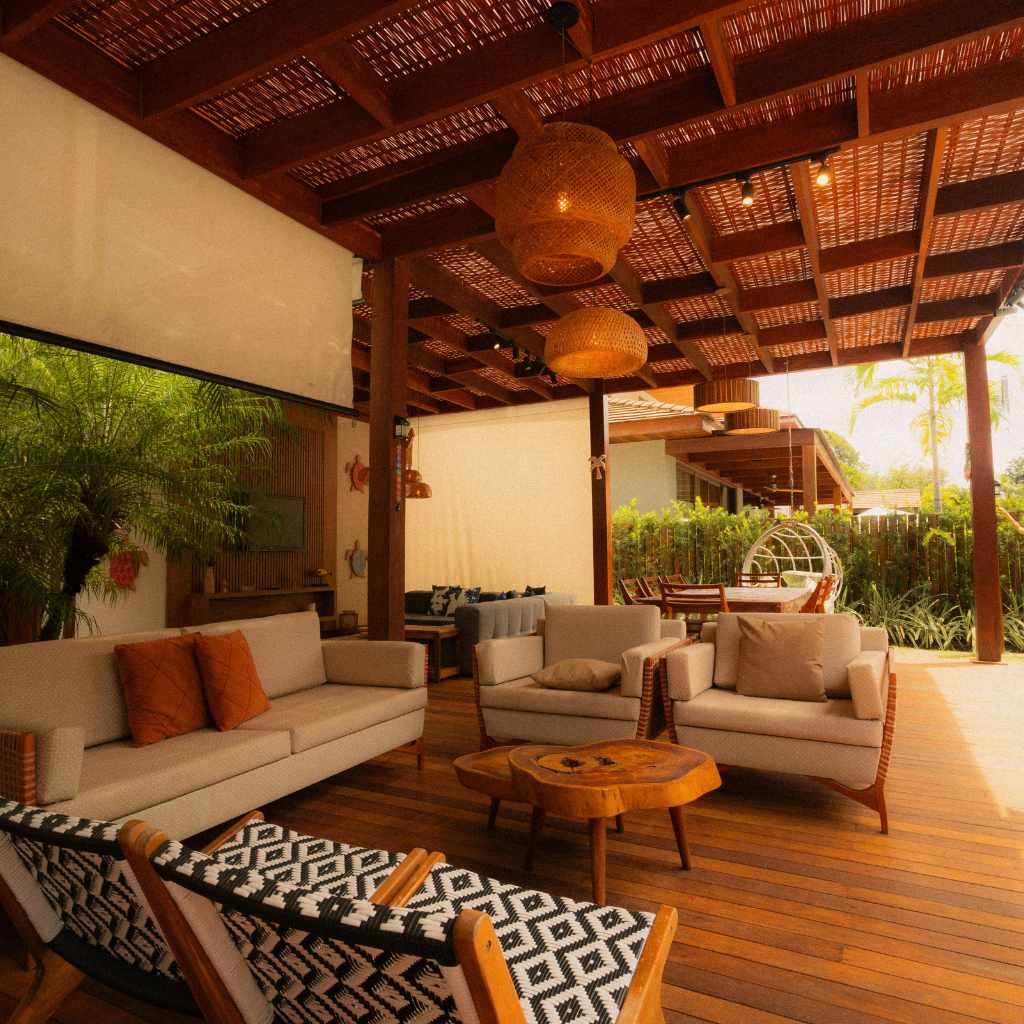
- The Relaxing Lounge Area: Set up comfortable outdoor seating, like sofas and armchairs, under your patio cover. This creates a perfect spot for reading, chatting, or simply enjoying a quiet moment. Adding an outdoor rug can further define the space and add a touch of comfort and style. This becomes your personal oasis for unwinding.
- The Entertainment Hub: For those who love to entertain, a patio cover can be the centerpiece of your outdoor entertainment space. You can incorporate an outdoor kitchen, a bar area, or even a space for a television. This allows you to enjoy your favorite shows or games outdoors without being bothered by the sun or light rain. It’s ideal for game days or movie nights.
Incorporating Stylish Lighting Solutions
Lighting is what extends a patio cover’s use into the evening. Both Newport and Laguna kits have channels in the beams built for running wire, so fixtures can be added without surface-mounted conduit. Three layers are worth planning for: ambient, task, and accent lighting.
Ambient Lighting
Ambient lighting provides general illumination for the entire patio area. This can include string lights draped across the cover, overhead recessed lights, or uplighting from the ground that shines up onto the cover’s structure.
String lights, often called fairy lights or bistro lights, are a popular choice for creating a warm and festive atmosphere. They can be hung in various patterns, such as straight lines, zigzags, or draped across the ceiling for a canopy effect.
Task Lighting
Task lighting is more focused and designed for specific activities. For example, if you have an outdoor kitchen or a grilling area under your patio cover, you’ll want lights that provide enough brightness for food preparation.
These might include pendant lights hung over a counter or bar, or spotlights aimed at specific work surfaces. Well-placed task lighting ensures safety and functionality in your outdoor workspaces.
Accent Lighting
Accent lighting draws attention to specific features in your outdoor space. This could be highlighting a beautiful plant, a piece of art, or the architectural details of the patio cover itself.
Small spotlights or LED strips can be used to create dramatic effects. This type of lighting adds depth and visual interest, making your patio cover and its surroundings more engaging.
Adding Comfort and Convenience Features
To truly maximize your outdoor living space, consider adding features that increase comfort and convenience. This can include things like ceiling fans, outdoor heaters, or even built-in sound systems. These additions make your patio cover a versatile and enjoyable space in all seasons.
Ceiling fans are excellent for keeping the air circulating on warm days. They can significantly lower the perceived temperature under the cover, making it a more pleasant place to be.
For cooler evenings, consider installing outdoor-rated infrared heaters. These can extend the usability of your patio well into the fall and even on chilly spring nights. They provide targeted warmth without heating the entire yard.
A built-in sound system can be discreetly installed, allowing you to enjoy music or podcasts while relaxing on your patio. Look for weather-resistant speakers that can be integrated into the Alumawood structure.
Maximizing Your Alumawood Patio Cover Investment
An Alumawood cover is a multi-thousand-dollar upgrade, so it’s worth getting the surrounding choices right — the furniture, flooring, and finish details around it matter as much as the cover itself for how the space holds up long-term.
Choosing Durable and Low-Maintenance Materials
Alumawood itself is known for its durability and low maintenance, which is a major selling point. However, when adding other elements to your patio cover, choosing materials that are also resistant to the elements is key. This ensures your outdoor living space remains beautiful and functional for years to come, without requiring constant upkeep.
- Outdoor-Rated Furniture: Select furniture made from materials like treated wood, wrought iron, wicker, or high-quality plastics. These materials are designed to withstand sun, rain, and temperature changes. Avoid fabrics that fade easily or materials that can rust or rot.
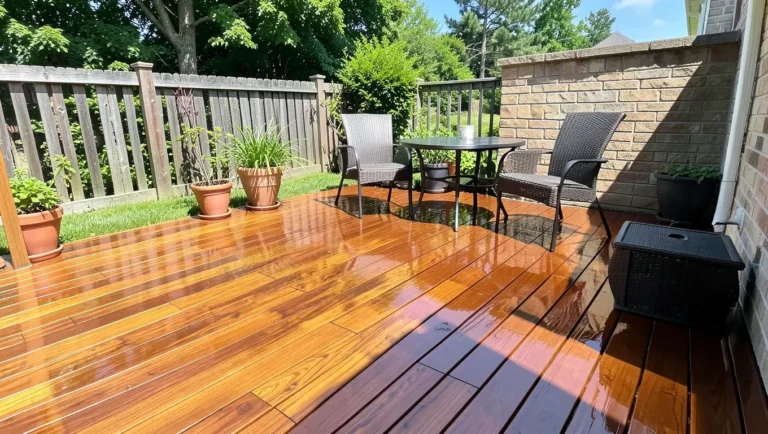
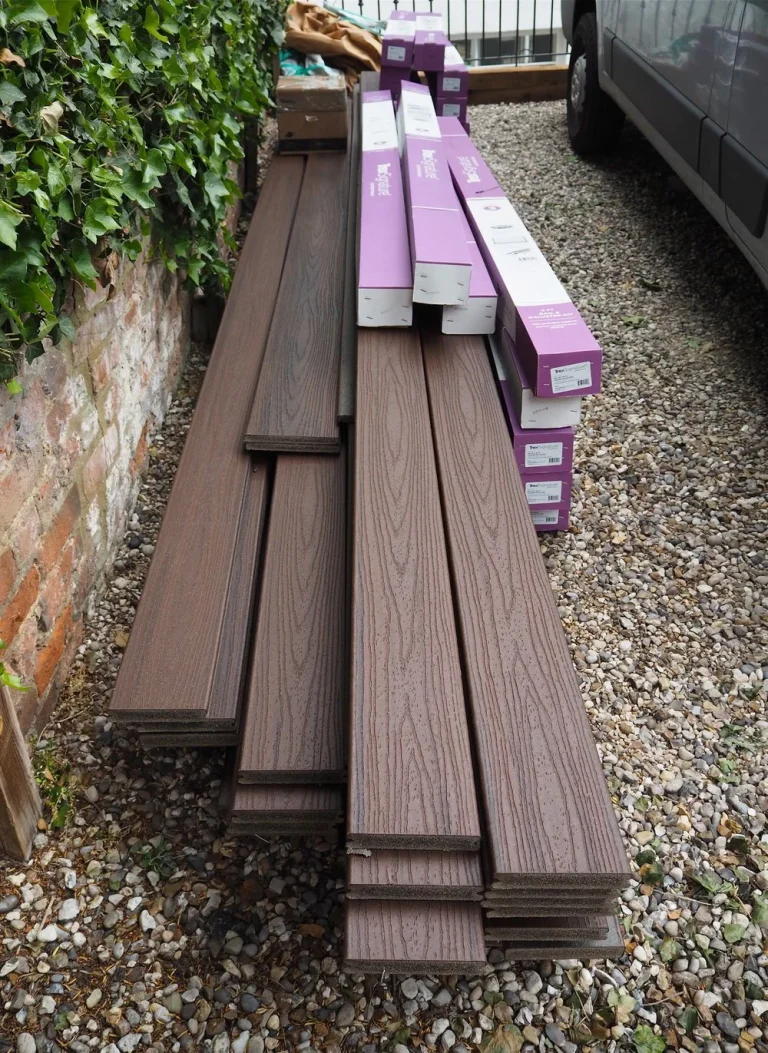
- Weather-Resistant Flooring: If you’re adding new flooring under your patio cover, opt for durable options like pavers, concrete, or composite decking. These are more resistant to moisture and wear than traditional indoor flooring materials. They also provide a stable and attractive base for your outdoor furniture.
- Protective Coatings and Sealants: For any wood elements or porous materials, consider applying protective coatings or sealants. These products help prevent water damage, UV fading, and general wear and tear, extending the life of your materials.
Incorporating Greenery and Natural Elements
Bringing plants and natural elements into your patio cover design can significantly enhance its aesthetic appeal and create a more inviting atmosphere. Greenery softens the look of the structure and adds a vibrant touch, making your outdoor space feel more like a natural extension of your garden.
Consider using hanging planters from the Alumawood beams to add a cascade of color and life. These can be filled with flowering plants, trailing vines, or even herbs for a fragrant touch.
Vertical gardens or living walls can be installed on any supporting posts or adjacent walls. This is a space-saving way to incorporate a lot of greenery and create a stunning visual focal point.
Larger potted plants or small trees can be strategically placed around the edges of the patio to create a sense of enclosure and privacy. They also help to blend the patio cover into the surrounding landscape.
Budgeting for Your Alumawood Patio Cover Project
Alumawood pricing is quoted per square foot and varies by style, not just size. Getting multiple quotes from reputable contractors, and knowing which style you actually need, is what keeps the project on budget.
Real per-square-foot pricing varies by style: Laguna lattice runs about $18-22 per square foot, solid-roof Newport runs $20-55 per square foot depending on finish, and an insulated solid roof runs $36-50 per square foot installed. A DIY kit alone (materials only, no labor) averages around $1,279 for a standard Newport-size kit, versus roughly $3,609 for the same cover fully installed by a contractor — the gap is entirely labor. A homeowner comfortable with basic tools can install a kit in 8 to 20 hours depending on size.
When budgeting, remember to allocate funds for any necessary site preparation, such as leveling the ground or pouring a new patio slab if one doesn’t exist. These preparatory steps are vital for a stable and attractive final product.
It’s also wise to have a contingency fund of about 10-15% of your total budget. This will cover any unexpected issues that may arise during the installation process, ensuring you can complete the project without financial stress.
Popular Alumawood Patio Cover Configurations And Their Impact
Beyond the Newport-vs-Laguna choice, a few other configuration decisions shape how the finished cover looks and performs: whether it’s freestanding or attached, how heavy the aluminum gauge is, and which column style you pick.
Freestanding vs. Attached Patio Covers
The decision between a freestanding and an attached Alumawood patio cover is a foundational one. Each offers distinct advantages and affects how the cover integrates with your home and yard.
- Attached Patio Covers: These are connected directly to your house, extending from the existing wall. They often use the home’s structure for support, which can sometimes reduce material costs. An attached cover feels like a natural extension of your home, providing a seamless transition from indoor to outdoor living. They are excellent for creating a covered walkway or expanding an existing patio area directly off a main living space like a kitchen or living room.
- Freestanding Patio Covers: These stand on their own posts, independent of the house. This offers greater design flexibility, as they can be placed anywhere in your yard. A freestanding cover can define a specific zone, such as a poolside relaxation area, a garden retreat, or a detached outdoor kitchen. They don’t require modifications to your home’s existing structure and can offer more privacy from neighbors if positioned strategically.
Single vs. Double-Layered Alumawood Structures
The gauge (thickness) of the aluminum used in the beams and posts also affects both looks and load capacity, particularly if you plan to hang fans or heavy lighting fixtures from it.
A single-layer Alumawood cover typically uses a standard gauge of aluminum. This is a cost-effective option that provides good shade and protection. It’s a popular choice for those seeking basic coverage without a large investment.
A double-layered Alumawood cover, often referred to as a “post-and-beam” or “heavy-duty” style, uses thicker aluminum and can offer a more substantial, decorative look. This construction can support more weight, making it ideal for attaching lights, fans, or even decorative elements like hanging baskets. It provides a more robust and visually commanding presence.
The Impact of Column Styles
The supporting columns of your Alumawood patio cover are not just structural; they are a significant design element. Choosing the right column style can dramatically alter the overall aesthetic of your outdoor space.
Fluted Columns
Fluted columns feature vertical grooves carved into their surface. This classic architectural detail adds a touch of elegance and sophistication. They evoke a sense of traditional design and can make a patio cover look more substantial and decorative.
Square or Rectangular Columns
Square or rectangular columns offer a more modern and minimalist look. They provide clean lines and a strong visual presence. These are often favored in contemporary home designs and can make the patio cover feel more solid and grounded.
Decorative Columns
Many manufacturers offer decorative column options with unique caps and bases, or even custom designs. These can be used to match existing architectural details on your home or to make a bold statement. They are excellent for adding a personalized touch and enhancing the overall visual appeal.
Frequently Asked Questions
Question: How much does an Alumawood patio cover typically cost?
Answer: Cost depends on style, not just size. Laguna lattice runs about $18-22 per square foot, solid-roof Newport runs $20-55 per square foot, and an insulated solid roof runs $36-50 per square foot installed. A DIY kit alone averages around $1,279; fully installed by a contractor averages closer to $3,609 for a comparable size.
Question: Is Alumawood a good material for patio covers?
Answer: Yes, Alumawood is an excellent material for patio covers. It is made from durable aluminum that is embossed and coated to look like real wood, but it requires much less maintenance. It is resistant to rot, insects, and weathering, making it a long-lasting choice.
Question: Can you attach lights or fans to an Alumawood patio cover?
Answer: Absolutely. Alumawood patio covers are designed to accommodate various additions like lighting fixtures, ceiling fans, and even heaters. Many covers have channels or are built to support these items securely, enhancing the functionality of your outdoor space.
Question: Do Alumawood patio covers require a permit?
Answer: In most cases, yes, you will likely need a building permit for an Alumawood patio cover. Local building codes dictate the requirements, and it’s always best to check with your local municipality before starting any construction to ensure compliance and avoid potential issues.
Question: How long does an Alumawood patio cover last?
Answer: With proper installation and minimal maintenance, Alumawood patio covers can last for many years, often 20 to 30 years or even longer. Their resistance to rust, rot, and insect damage contributes to their impressive longevity.
Final Thoughts
Newport (solid) and Laguna (lattice) cover most needs: Newport when you want full rain and sun protection, Laguna when partial shade and airflow matter more. Match the style to how you’ll actually use the space, get real per-square-foot quotes for that specific style, and the rest — lighting, furniture, columns — is customization on top of a decision that’s mostly about function, not looks.
Sponsored / affiliate links. As an Amazon Associate I earn from qualifying purchases. I may earn additional commission from eligible campaigns.