Why I Chose the DeWalt 20V Reciprocating Saw Kit
When I first started looking for a reciprocating saw, I wanted something versatile. I needed a tool that could handle everything from trimming branches in my backyard to cutting through old studs during a home renovation. The DeWalt 20V Reciprocating Saw Kit caught my eye because of its reputation for durability and power. DeWalt has been a trusted name in tools for years, and their 20V MAX system is known for its compatibility across a wide range of tools. As someone who already owns a few DeWalt 20V tools, the idea of using the same batteries for multiple devices was a big win.
The kit itself comes with everything you need to get started: the saw, a 20V MAX battery (usually a 5Ah), a charger, a couple of blades, and a sturdy carrying bag. For me, this all-in-one package was perfect. I didn’t have to hunt down accessories or worry about compatibility. Plus, the cordless design meant I could take it anywhere—my workshop, a job site, or even out to the garden. The freedom of movement is a game-changer when you’re working in tight spaces or outdoors.
Unpacking the Kit: What’s Inside
Let’s talk about what you get when you open the box. The DeWalt 20V Reciprocating Saw Kit is designed to set you up for success right away. Here’s a quick breakdown of what’s included:
| Component | Details |
|---|---|
| Reciprocating Saw | DeWalt 20V MAX model (varies, e.g., DCS380P1 or DCS382) with variable speed trigger |
| Battery | 20V MAX 5Ah lithium-ion battery (some kits include XR or PowerStack options) |
| Charger | Compatible with all DeWalt 20V MAX batteries |
| Blades | Typically 2 blades for wood and metal cutting |
| Carrying Bag | Durable fabric bag for easy storage and transport |
| Belt Hook (Optional) | Included in some kits for easy carrying on the job site |
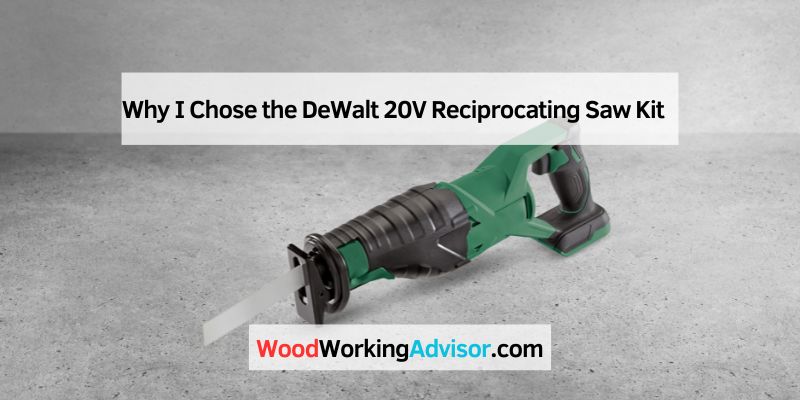
The saw itself is the star of the show. Models like the DCS380P1 or the newer DCS382 feature a variable speed trigger, delivering up to 3,000 strokes per minute (SPM). The 1-1/8-inch stroke length ensures fast, aggressive cuts, which I’ve found perfect for everything from rough lumber to PVC pipes. The battery is a high-capacity 5Ah pack, giving you plenty of runtime for most projects. The charger is straightforward and gets the battery ready in about an hour. The included blades are a nice touch, though I recommend picking up a variety pack for more specialized cuts.
The carrying bag is surprisingly sturdy. I’ve tossed it in the back of my truck countless times, and it’s held up without a tear. If your kit includes a belt hook, it’s a handy addition for keeping the saw within reach on a job site. Overall, the kit feels like a complete package, especially if you’re new to the DeWalt ecosystem.
Power and Performance: Cutting Through the Hype
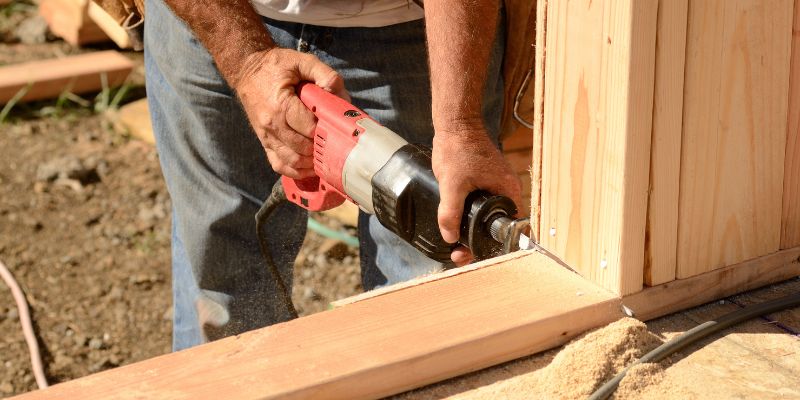
Let’s get to the heart of the matter: how does this saw perform? In my experience, the DeWalt 20V Reciprocating Saw is a powerhouse. The 3,000 SPM and 1-1/8-inch stroke length make quick work of most materials. I’ve used it to cut through 2x4s, hardwood planks, metal pipes, and even some stubborn tree roots during a landscaping project. The variable speed trigger is a standout feature. It lets you adjust the cutting speed on the fly, which is great for delicate tasks like flush cutting or aggressive demo work.
One of my favorite projects was tearing down an old shed in my backyard. The saw sliced through rusty nails and weathered wood like butter. I was worried about stalling, but even with a 5Ah battery, it powered through without a hitch. That said, I’ve noticed that smaller batteries, like a 2Ah pack, drain faster during heavy-duty tasks. If you’re planning on extended use, stick with a 5Ah or higher.
The brushless motor in models like the DCS382 or DCS384 is a big upgrade over older brushed versions. It’s more efficient, runs cooler, and delivers more power. I’ve found that brushless models also vibrate less, which makes a huge difference during long cutting sessions. My hands don’t feel like they’ve been through a blender after an hour of use, which wasn’t always the case with older saws.
Compact Design: Working in Tight Spaces
One thing I love about this saw is its compact design. At around 6 to 7 pounds (depending on the model and battery), it’s light enough to maneuver easily. The DeWalt ATOMIC series, like the DCS369, is even smaller, weighing just 3.13 pounds. I used the ATOMIC model to cut PVC pipes under a sink during a kitchen remodel, and it was a lifesaver. The tight space didn’t faze it, and the built-in LED light helped me see exactly what I was doing.
The pivoting shoe is another feature I can’t stop raving about. It adjusts to the workpiece, giving you better control and extending blade life. Whether I’m cutting flush against a wall or plunging into a board, the shoe keeps things stable. The keyless 4-position blade clamp is also a game-changer. I can swap blades in seconds without digging through my toolbox for a hex key. You can even rotate the blade for upside-down cutting, which is handy for awkward angles.
Battery Life and Compatibility
As someone who’s invested in the DeWalt 20V MAX system, I appreciate how versatile the batteries are. The 5Ah battery included in most kits lasts through hours of moderate use. For example, I spent an entire afternoon pruning tree branches and only used about half the charge. For heavier tasks, like cutting through thick hardwood or metal, you might need to swap batteries sooner. If you already own other DeWalt 20V tools, you can share batteries across your collection, which saves money and space.
One thing to note: some models, like the DCS386 with FlexVolt Advantage, get a power boost when paired with FlexVolt batteries. I tried this with a friend’s 60V FlexVolt battery, and the difference was noticeable—faster cuts and less strain on the motor. However, for most woodworking tasks, the standard 20V MAX batteries are more than enough. If you’re curious about battery options, DeWalt’s PowerStack batteries are worth a look. They’re compact, deliver 50% more power, and last twice as long as standard packs.
Versatility: Beyond Woodworking
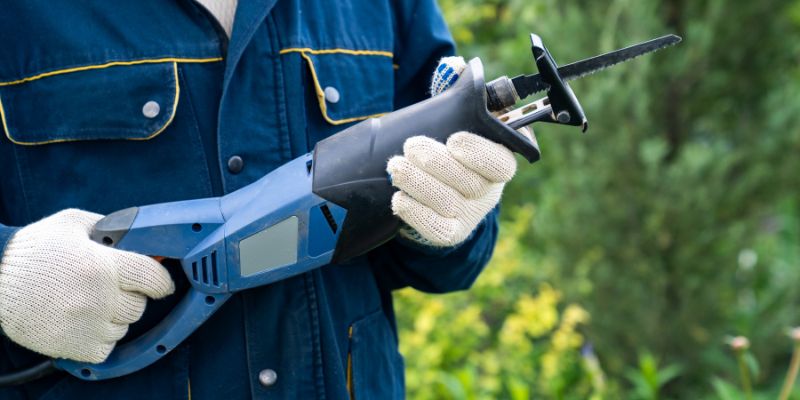
While I primarily use this saw for woodworking, its versatility is a huge selling point. I’ve tackled all sorts of projects with it, from demolition to landscaping. Here are a few ways I’ve put it to work:
- Woodworking: Cutting rough lumber, trimming dowels, and making quick crosscuts.
- Demolition: Tearing down old drywall, removing studs, and cutting through nails.
- Plumbing: Slicing through PVC and copper pipes in tight spaces.
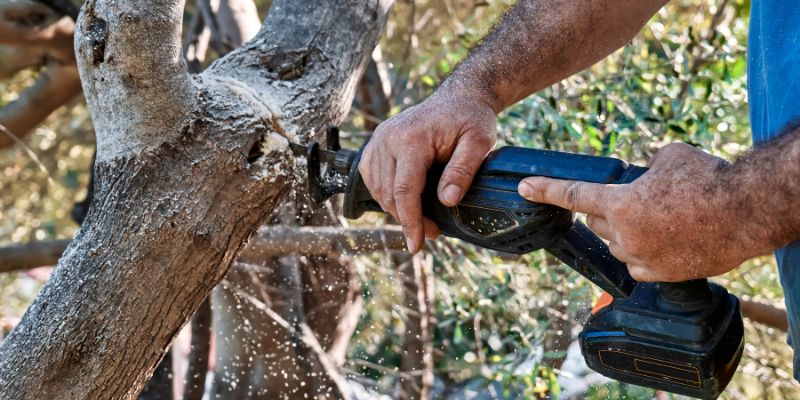
- Landscaping: Pruning branches and cutting tree roots.
- Metalwork: Trimming metal pipes and conduit for small repairs.
The ability to switch blades quickly makes it easy to adapt to different materials. I keep a set of Diablo blades on hand—wood-cutting, metal-cutting, and pruning blades. Each one is designed for specific tasks, and they make a big difference in performance. For example, the carbide-tipped metal blades cut through chain-link fence posts like they were paper.
Comparing the DeWalt 20V to Other Brands
I’ve used other reciprocating saws, like Milwaukee and Makita, so I can offer some perspective here. The DeWalt 20V holds its own, especially for the price. Milwaukee’s M18 Fuel saws are incredibly powerful, but they’re pricier and heavier. Makita’s 18V XRJ05Z is a favorite among some pros for its low vibration, but I find DeWalt’s battery compatibility and kit value hard to beat.
In a head-to-head test, I cut through a 4×12 piece of Parallam with the DeWalt 20V, a Milwaukee M18, and a corded Makita. The DeWalt stalled a couple of times but still finished faster than the Makita. The Milwaukee was the quickest, but the DeWalt’s lightweight design made it easier to handle for longer periods. If you’re already in the DeWalt ecosystem, sticking with their 20V saw makes sense. If you’re starting fresh, it’s worth comparing runtime and ergonomics before deciding.
Tips for Getting the Most Out of Your DeWalt 20V Reciprocating Saw
After months of using this saw, I’ve picked up a few tricks that might help you:
- Choose the Right Blade: Match the blade to the material. Diablo’s carbide-tipped blades are my go-to for metal and heavy-duty wood.
- Use the Variable Speed Trigger: Start slow for precision cuts and ramp up for aggressive demo work.
- Keep the Shoe Clean: Debris can build up on the pivoting shoe, affecting stability. A quick wipe-down keeps it working smoothly.
- Invest in Extra Batteries: A 5Ah battery is great, but having a spare (or a 6Ah/8Ah) ensures you won’t run out of juice mid-project.
- Use the LED Light: The built-in light is a lifesaver in dim spaces. Angle the saw to illuminate your cut line.
- Maintain Your Blades: Dull blades slow you down and strain the motor. Replace them regularly for best results.
These tips have saved me time and frustration, especially on complex projects like rebuilding a deck or installing new framing.
Pros and Cons: My Honest Take
No tool is perfect, so let’s break down what I love and what could not be improved:
Pros
- Powerful Performance: Up to 3,000 SPM and a 1-1/8-inch stroke length make quick work of most materials.
- Compact and Lightweight: Easy to handle, especially in tight spaces.
- Versatile Blade Clamp: The 4-position keyless clamp allows for quick changes and multiple cutting angles.
- Battery Compatibility: Works with all DeWalt 20V MAX batteries, a big plus for existing users.
- Durable Build: Feels solid and holds up well on tough job sites.
Cons
- Vibration: Older models like the DCS380 have noticeable vibration compared to brushless versions.
- Battery Drain: Smaller batteries (2Ah) run out quickly during heavy use.
- No Rafter Hook: Some pros might miss this feature for hanging the saw on a job site.
For me, the pros far outweigh the cons. The vibration is manageable with brushless models, and I always keep a spare battery charged. The lack of a rafter hook hasn’t been a dealbreaker, but it’s worth noting if you’re used to that feature.
Who Should Buy the DeWalt 20V Reciprocating Saw Kit?
This saw is a great fit for a wide range of users. If you’re a DIYer tackling home projects like furniture builds or yard work, the kit’s all-in-one nature makes it a no-brainer. For professionals like carpenters, plumbers, or remodelers, the saw’s power and portability are ideal for job sites. If you already own DeWalt 20V tools, this is an easy addition to your collection.
However, if you need maximum power for heavy demolition (like cutting through concrete), you might want to consider DeWalt’s 60V FlexVolt models. They’re heavier but pack a bigger punch. For occasional light tasks, the ATOMIC one-handed saw might be enough.
My Favorite Projects with the DeWalt 20V Reciprocating Saw
Let me share a couple of projects that really showed off this saw’s capabilities. Last summer, I built a custom pergola in my backyard. The DeWalt 20V saw made quick work of trimming 4×4 posts and cutting notches for crossbeams. The variable speed trigger let me fine-tune my cuts for precision, and the battery lasted through the entire day.
Another time, I helped a friend renovate an old farmhouse. We had to remove decades-old drywall and studs riddled with nails. The saw powered through without bogging down, and the keyless blade clamp made switching between wood and metal blades a breeze. These experiences solidified my trust in this tool’s reliability.
Maintenance and Care Tips
To keep your DeWalt 20V Reciprocating Saw in top shape, a little maintenance goes a long way. After each use, I wipe down the blade clamp and shoe to remove sawdust and debris. I also check the battery contacts for dirt and clean them with a dry cloth if needed. Store the saw in its carrying bag to protect it from dust and moisture. If you notice the motor running hot or the blade struggling, it might be time to replace the blade or let the saw cool down.
DeWalt offers a three-year limited warranty, a one-year free service contract, and a 90-day money-back guarantee. I’ve never had to use the warranty, but it’s nice to know it’s there. Registering your tool with MyDEWALT also helps you keep track of your investment.
Why It’s Worth the Investment
At around $250-$300 for the kit (or $99-$150 for the bare tool), the DeWalt 20V Reciprocating Saw offers great value. The included battery and charger make it a complete package, and the saw’s durability means it’ll last for years. Compared to corded saws, the cordless design gives you unmatched freedom, and the 20V MAX system ensures compatibility with other DeWalt tools. For me, the investment paid off the first time I used it to tackle a tough demo job without dragging an extension cord across the site.
Conclusion
After months of using the DeWalt 20V Reciprocating Saw Kit, I can honestly say it’s one of the most versatile tools in my workshop. Its power, portability, and ease of use make it a go-to for everything from woodworking to demolition. Whether I’m cutting precise joints for a furniture project or tearing through old framing, this saw delivers. The included kit components—battery, charger, blades, and bag—make it a fantastic value for anyone looking to expand their tool collection.
If you’re in the market for a reliable, cordless reciprocating saw, I wholeheartedly recommend giving the DeWalt 20V a try. It’s not just a tool; it’s a partner that makes your projects faster, easier, and more enjoyable. So, go ahead and add it to your cart—you won’t be disappointed.
Frequently Asked Questions
What’s the difference between the DeWalt 20V and 60V reciprocating saws?
The 20V saws are lighter and more compact, ideal for general woodworking and light demo tasks. The 60V FlexVolt models are heavier but offer more power for heavy-duty jobs like cutting concrete or thick metal. I use the 20V for most projects, but the 60V is better for intense demolition.
Can I use my existing DeWalt 20V batteries with this saw?
Yes! The DeWalt 20V Reciprocating Saw is compatible with all 20V MAX batteries. I’ve used 2Ah, 5Ah, and even FlexVolt batteries, and they all work great. Higher-capacity batteries like 5Ah or 8Ah give you longer runtime.
How do I choose the right blade for my project?
Pick a blade based on the material you’re cutting. For wood, use a coarse-tooth blade (6-10 TPI). For metal, go with a fine-tooth blade (14-24 TPI). I love Diablo’s carbide-tipped blades for durability and speed. Always have a variety on hand for different tasks.
Is the DeWalt 20V Reciprocating Saw good for beginners?
Absolutely. It’s easy to use, with a variable speed trigger and keyless blade clamp that make it beginner-friendly. The lightweight design also helps reduce fatigue. Just start with simple projects and practice using the trigger to control speed.
How long does the battery last on a single charge?
It depends on the battery and task. With a 5Ah battery, I get several hours of moderate use, like pruning or cutting 2x4s. Heavy tasks, like cutting metal, drain it faster—sometimes in an hour. I always keep a spare battery charged for longer projects.
Is the DeWalt 20V Reciprocating Saw worth the price?
For me, it’s worth every penny. The kit’s all-in-one nature, combined with DeWalt’s durability and battery compatibility, makes it a smart investment. If you’re already in the 20V MAX system, it’s a no-brainer. Even as a standalone purchase, the performance justifies the cost.