DEWALT vs Ryobi Drill: Torque Specs & Which to Buy
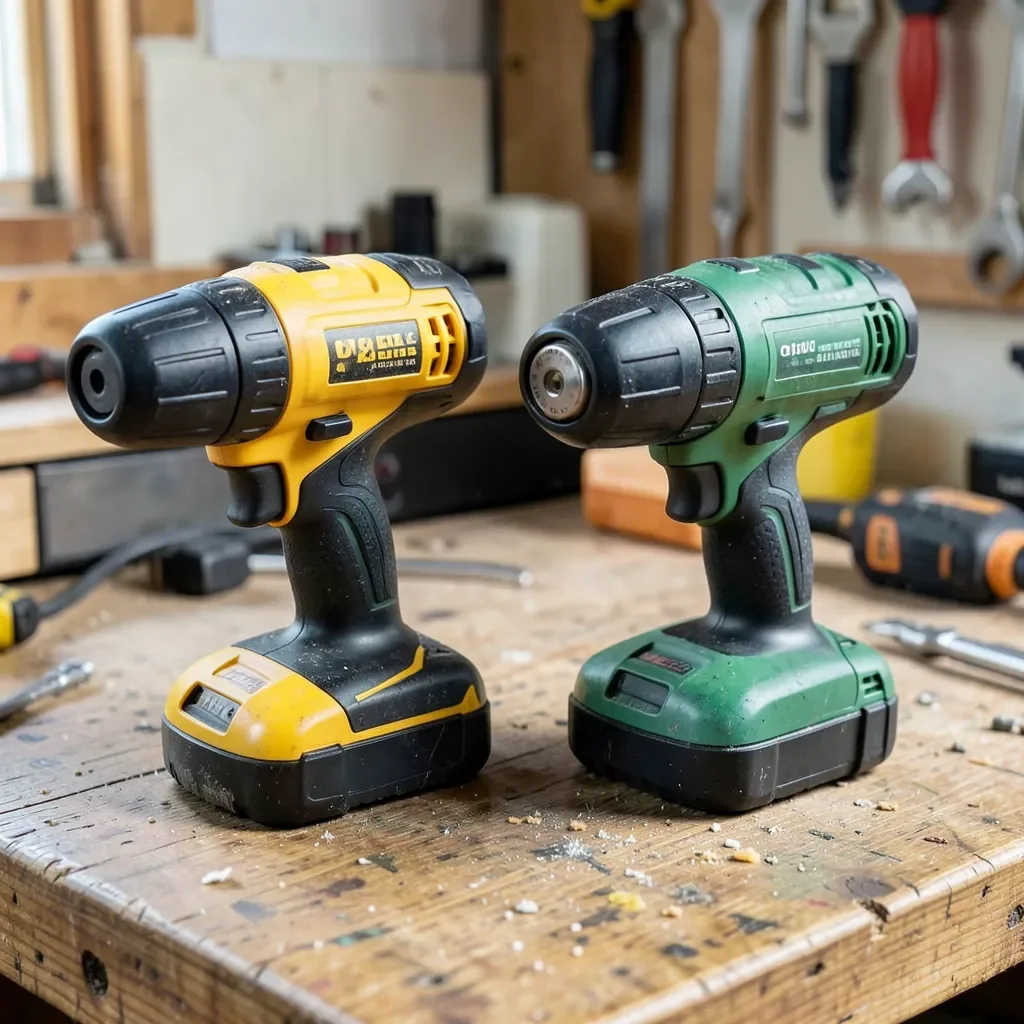
DEWALT’s 20V MAX XR drills deliver over 600 in-lbs of torque, well above Ryobi’s standard 18V ONE+ line at roughly 450–515 in-lbs — but Ryobi’s High Torque P210 closes that gap to 600 in-lbs for less than half the price. Buying the wrong one means paying professional-grade prices for occasional home use, or under-powering a framing or deck-building job. This guide compares real torque, battery, and price numbers so you can match the drill to the job, not the brand name.
Brand Reputation
Best Overall Torque Pick
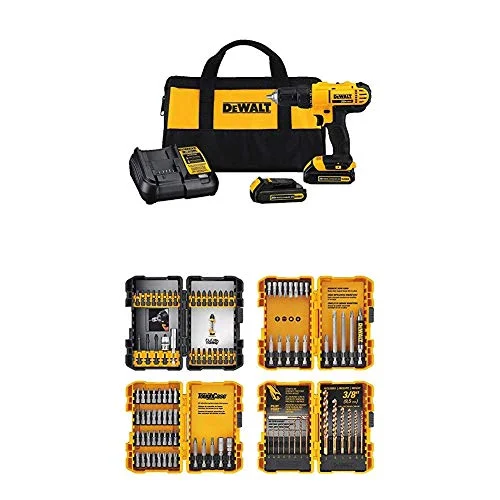 |
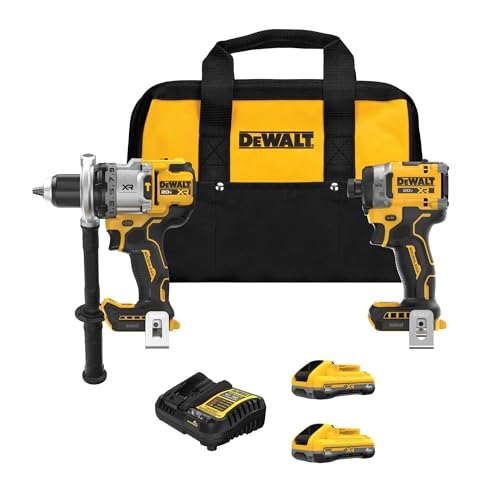
DEWALT 20V MAX Cordless Drill/Driver Kit (DCD771C2) – $182.44 This is the 20V MAX XR-class kit the torque numbers above are based on — the same brushless-adjacent motor and 2-speed transmission that holds RPM under load driving deck screws or large spade bits.
|
Brand reputation plays a big role in choosing the right drill. It shows how trusted and reliable a brand is over time. Both Dewalt and Ryobi have strong reputations but differ in history and user feedback. Understanding these differences helps pick the best tool.
History And Market Presence
Dewalt has a long history dating back to 1924. It started as a company focused on heavy-duty power tools. Over the decades, Dewalt grew to be a top choice for professionals. Its tools are known for durability and power.
Ryobi began in Japan in 1943. It expanded into power tools in the 1990s. Ryobi targets budget-friendly, easy-to-use tools for home users. It has gained popularity for offering good value at lower prices.
Dewalt leads in professional markets. Ryobi is strong in DIY and casual use markets. Both brands have wide market presence worldwide.
User Trust And Reviews
Dewalt earns high marks for reliability and performance. Many users praise its long-lasting batteries and strong motors. Professionals trust Dewalt for tough jobs and daily use.
Ryobi receives good reviews for affordability and ease of use. Users appreciate its lightweight design and variety of features. Some say Ryobi drills suit occasional tasks well.
Both brands have loyal customers. Dewalt scores higher in professional reviews. Ryobi shines in user satisfaction for home projects.
Performance And Power
Torque is the number that actually predicts whether a drill will drive a 3-inch deck screw into pressure-treated lumber without stalling. DEWALT and Ryobi land in very different ranges here, and picking by brand name alone skips the number that matters most.
📊 DEWALT 20V MAX XR drills exceed 600 in-lbs of torque; Ryobi’s standard 18V ONE+ line runs 450–515 in-lbs, though the Ryobi P210 High Torque model reaches 600 in-lbs — Source: ToolRecon, 2026
Motor Strength And Speed
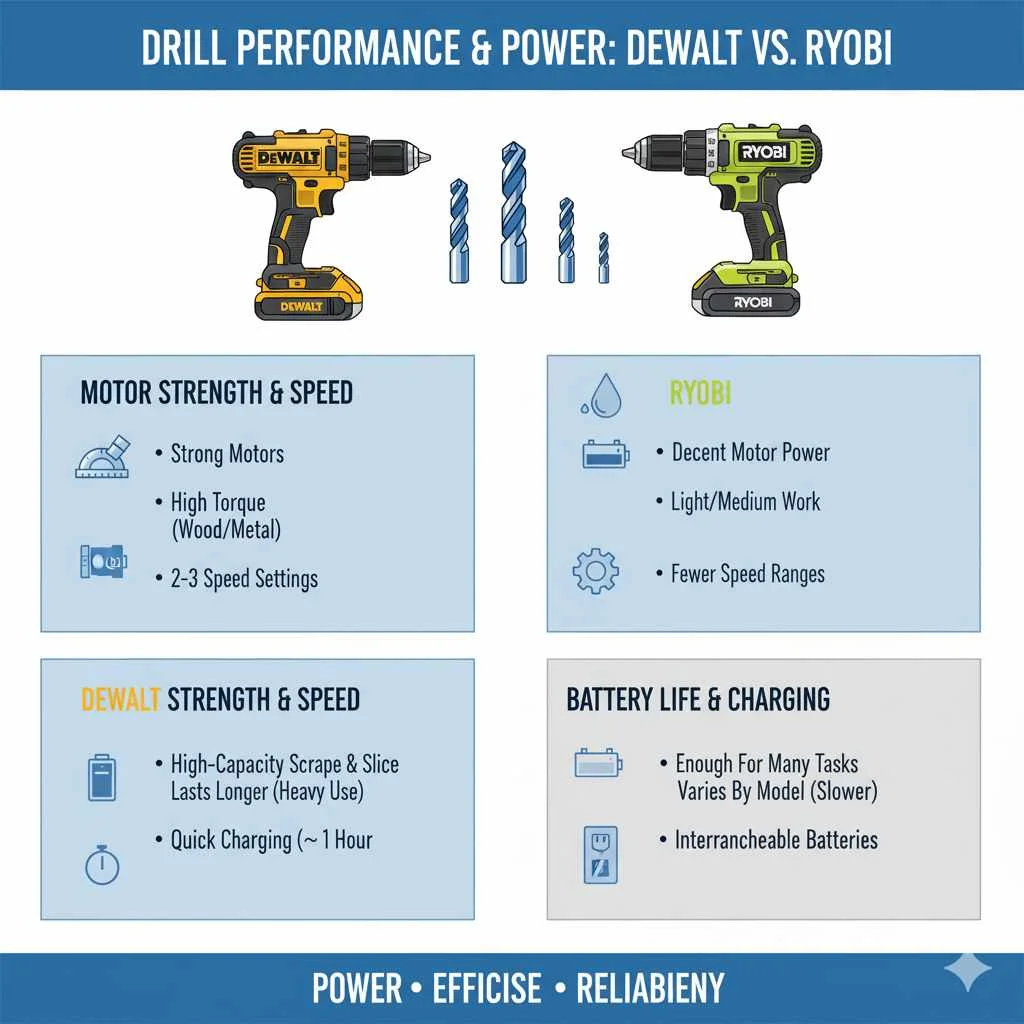
Dewalt drills usually have strong brushless motors with two or three speed settings, and independent testing shows DEWALT holds RPM more consistently under load than Ryobi’s standard line — the difference shows up most when driving long screws or drilling large-diameter holes in hardwood.
Ryobi’s standard ONE+ drills fit light to medium work well, but for anything approaching DEWALT XR torque, the step-up Ryobi P210 High Torque model is the one to compare, not the base kit.
Battery Life And Charging
Dewalt uses high-capacity batteries that typically recharge in about an hour or less, reducing downtime on the job. Ryobi’s 18V ONE+ batteries charge more slowly on the base charger but are interchangeable across Ryobi’s entire ONE+ tool lineup — a real advantage if you already own other Ryobi ONE+ tools.
| Spec | DEWALT 20V MAX XR | Ryobi 18V ONE+ (standard) |
|---|---|---|
| Torque | 600+ in-lbs | 450–515 in-lbs (P210 High Torque model: 600 in-lbs) |
| Motor | Brushless | Brushed on base kits; brushless on higher-end models |
| Battery recharge | ≈1 hour or less | Varies by charger; slower on base kits |
| Typical kit price | $150–$220 | $79–$150 |
| Best for | Framing, decking, daily/professional use | Furniture assembly, shelving, occasional home projects |
Design And Ergonomics
Design and ergonomics play a big role in choosing a drill. A well-designed drill feels good in your hand. It helps you work longer without pain. Both Dewalt and Ryobi offer unique designs. They focus on comfort and ease of use. Understanding their differences helps you pick the right tool.
Weight And Balance
Dewalt drills are often lighter. This makes them easier to carry and move around. Their weight is spread evenly. It helps keep the drill steady during work. Ryobi drills tend to be a bit heavier. The extra weight can feel tiring after long use. Their balance is good but may feel front-heavy to some users.
Grip Comfort And Handling
Dewalt uses soft rubber grips. This reduces slipping and gives a firm hold. The grip shape fits most hand sizes well. Ryobi also offers rubber grips. Their grips are slightly thicker. Some users find them easier to hold tightly. Both brands design for good control. Handling feels natural, helping precise drilling.
Features And Technology
Choosing the right drill depends a lot on features and technology. Both Dewalt and Ryobi offer tools with modern functions. These features improve performance and user experience. They help users work smarter and safer. This section breaks down key features of each brand.
Smart Features
Dewalt drills include brushless motors for longer life. They deliver more power with less battery use. Many models have LED lights to brighten work areas. Some drills connect with apps for tool control and tracking.
Ryobi drills also use brushless motors in higher-end models. They offer One+ battery system for many tools. LED lights are common for visibility. Certain models have adjustable speed settings for precision.
Safety Mechanisms
Dewalt drills come with electric brakes. They stop the drill quickly after release. This reduces accidents and improves control. Some drills include overload protection to avoid damage.
Ryobi offers similar electric brake features. Their drills often have ergonomic grips to reduce hand strain. Many models have built-in clutch systems. These prevent bit slipping and protect the user.
Durability And Build Quality
Durability and build quality are key factors in choosing the right drill. Both Dewalt and Ryobi offer tools designed to last. Their strength and toughness affect how well the drill performs over time. This section compares their materials and resistance to wear.
Materials Used
Dewalt drills often use high-grade metal and reinforced plastics. This mix makes the tool strong and light. The metal parts resist bending and breaking. Ryobi drills mostly use durable plastic with metal parts in critical areas. Their plastics are tough but lighter than Dewalt’s. Both brands focus on balance between weight and strength.
Resistance To Wear And Tear
Dewalt drills show strong resistance to drops and rough use. Their parts stay intact under heavy work conditions. Ryobi drills handle everyday tasks well but may wear faster with heavy use. The rubberized grips on both brands help prevent slips and protect the drill body. Dewalt’s build quality suits professionals. Ryobi works well for DIY and light jobs.
Price And Value
Price and value are key factors when choosing between Dewalt and Ryobi drills. Both brands offer quality tools, but their costs and benefits differ. Understanding these differences helps buyers make smart choices that fit their budget and needs.
Cost Comparison
Dewalt drills usually cost more than Ryobi models. This is because Dewalt targets professionals and heavy users. Ryobi offers budget-friendly options for casual or home use. The initial price of Ryobi drills is lower, making them attractive for simple projects. Dewalt drills often include extra features that raise the price. Think about how often you will use the drill. For frequent or tough jobs, Dewalt’s higher cost can be worth it. For light or occasional use, Ryobi saves money without losing much quality.
Warranty And Support
Dewalt provides a solid warranty, often lasting three years. This includes service and repair support. Ryobi also offers warranties, but usually shorter, around three years too, sometimes with limited coverage. Both brands have good customer service, but Dewalt’s network is larger. This means easier access to repairs and parts. Warranty terms can affect long-term value. Consider how important support is for your purchase. A strong warranty can protect your investment and reduce extra costs.
Best Use Cases
Choosing the right drill depends on the task at hand. Each brand shines in different scenarios. Understanding the best use cases helps you pick the perfect tool for your needs.
Both Dewalt and Ryobi offer reliable drills. Their strengths suit different types of projects. Let’s explore where each drill performs best.
Ideal Projects For Dewalt
Dewalt drills work well for heavy-duty tasks. They handle thick wood, metal, and concrete easily. Professionals prefer Dewalt for construction and remodeling jobs. This drill excels in long projects that need power and durability. It suits tasks like framing, deck building, and drilling large holes. Dewalt also performs well in tough outdoor conditions. Its strong battery lasts longer on big jobs. The drill’s high torque makes it great for driving large screws.
Ideal Projects For Ryobi
Ryobi drills are perfect for light to medium jobs. They work well for home repairs and DIY projects. This drill suits assembling furniture, hanging shelves, and small crafts. Ryobi is popular for indoor use and smaller outdoor tasks. It is lightweight and easy to handle. The battery life fits short to medium projects. Ryobi drills offer good value for occasional use. They are ideal for beginners or hobbyists who need a simple tool.
User Feedback And Popularity
User feedback and popularity reveal how Dewalt and Ryobi drills perform in real life. Reviews from actual users show strengths and weaknesses. Popularity hints at which brand many trust and choose. Both brands have loyal fans and critics. Understanding their feedback helps buyers decide.
Customer Satisfaction
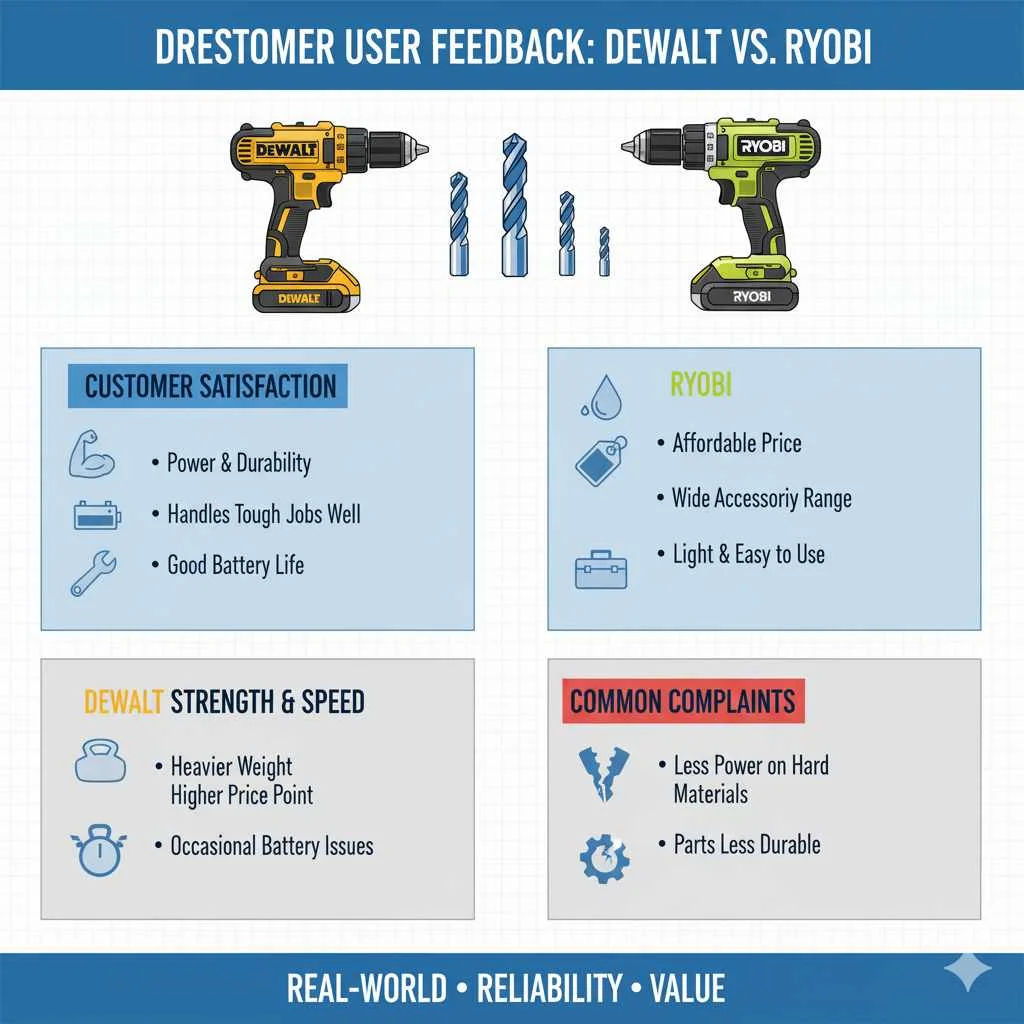
Dewalt users often praise the drill’s power and durability. Many say it handles tough jobs well. The battery life receives good remarks too. Ryobi customers like the price and wide accessory range. Users find Ryobi drills light and easy to use. Both brands score high in user satisfaction for basic tasks.
Common Complaints
Dewalt users sometimes mention the drill’s weight as a downside. Some say the price is higher than expected. Battery issues appear occasionally in reviews. Ryobi users report less power on hard materials. Some find Ryobi drill parts less durable over time. Battery life can be shorter than advertised. These complaints help buyers weigh pros and cons.
Frequently Asked Questions
What Are The Main Differences Between Dewalt And Ryobi Drills?
Dewalt drills offer higher power and durability, ideal for heavy-duty tasks. Ryobi drills are more budget-friendly and suitable for DIY projects. Dewalt uses brushless motors more often, while Ryobi focuses on versatility and affordability, making each brand fit different user needs.
Which Drill Brand Has Better Battery Life, Dewalt Or Ryobi?
Dewalt generally provides longer battery life with higher capacity lithium-ion batteries. Ryobi batteries perform well but may require more frequent recharging under heavy use. Dewalt’s Power Detect technology also optimizes battery efficiency, giving it an edge in runtime and performance.
Are Dewalt Drills More Expensive Than Ryobi Drills?
Yes, Dewalt drills typically cost more due to premium build quality and advanced features. Ryobi drills are more affordable, targeting budget-conscious users and casual DIYers. The price difference reflects Dewalt’s focus on professional-grade tools versus Ryobi’s value-driven approach.
Which Drill Brand Is Better For Professional Use?
Dewalt is preferred by professionals for its durability, power, and reliability. Ryobi suits homeowners and hobbyists looking for affordable, versatile tools. Dewalt’s extensive range supports tougher jobs, while Ryobi is ideal for light to medium tasks.
Conclusion
Choosing between Dewalt and Ryobi depends on your needs and budget. Dewalt offers strong power and durability for tough jobs. Ryobi provides good value and a wide range of tools for casual use. Both brands have loyal fans and solid products.
Think about how often you drill and what tasks you face. Either way, you get a reliable drill that fits different skill levels. Take your time to compare features before deciding. The right drill helps make your projects easier and faster.
Sponsored / affiliate links. As an Amazon Associate I earn from qualifying purchases. I may earn additional commission from eligible campaigns.