How Much Should You Pay For A Drill In 2026?
Finding the right drill can feel like a big task. You want something that works well. But you also don’t want to spend too much money.
Prices for drills change. What was a good deal last year might not be today. This guide will help you understand what to expect for drill costs.
We’ll look at what makes prices go up or down. You’ll learn how to spot a good deal. We’ll cover everything from basic drills to powerful ones.
Get ready to find the perfect drill for your needs and budget.
The cost of a drill in 2026 varies widely. Basic corded drills might start around $40-$70. Cordless models from budget brands can range from $70-$150. Mid-range options typically fall between $150-$300. High-end professional drills, with advanced features and battery tech, can cost $300-$600 or more. The price depends on power, brand, battery system, and features.
Understanding Drill Prices in 2026
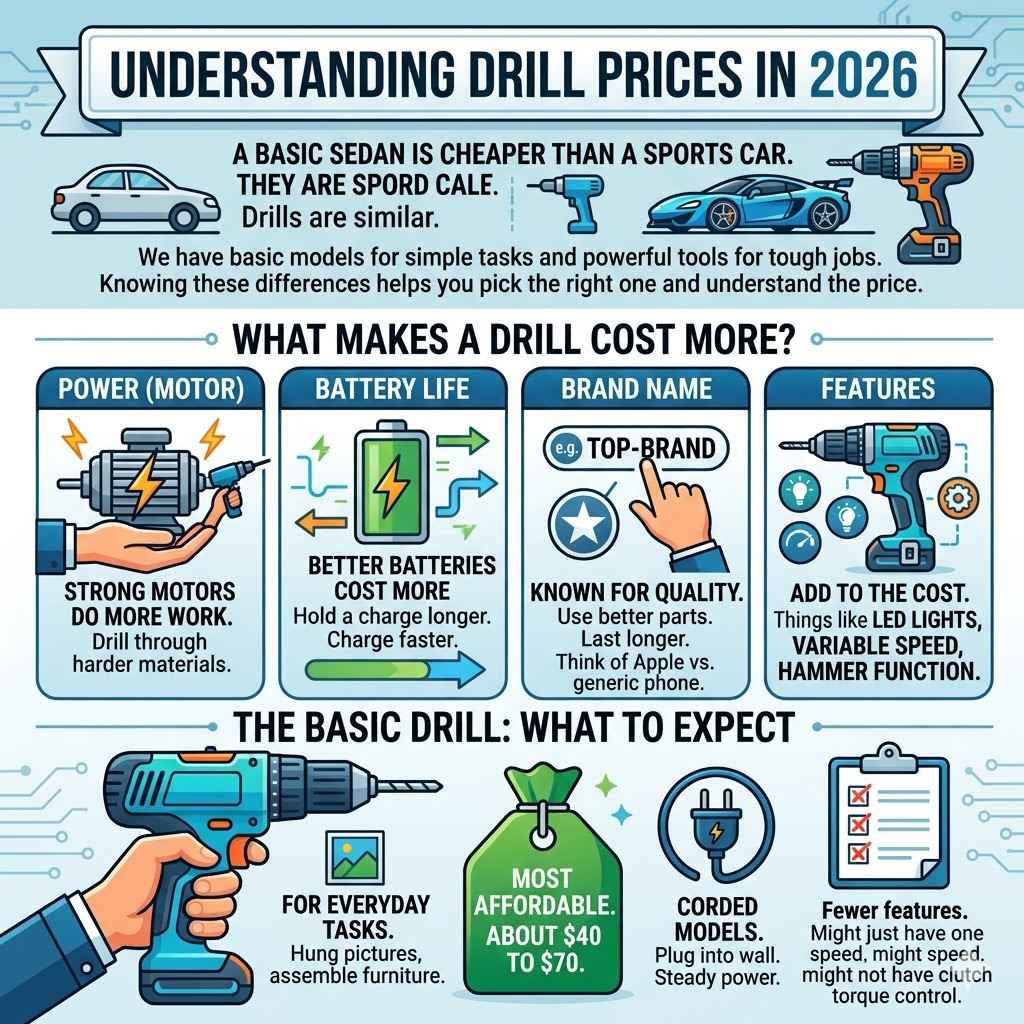
Drill prices are not one-size-fits-all. Many things make one drill cost more than another. Think about it like buying a car. A basic sedan is cheaper than a sports car. Drills are similar. We have basic models for simple tasks. We also have powerful tools for tough jobs. Knowing these differences helps you pick the right one. It also helps you understand the price tag.
What Makes a Drill Cost More?
Several factors push the price of a drill higher. Power is a big one. A drill with a strong motor can do more work. It can drill through harder materials. These drills cost more. Battery life is another factor. Better batteries cost more. They hold a charge longer. They also charge faster.
Brand name plays a role too. Some brands are known for quality. They use better parts. They also last longer. These brands often charge more. Think of Apple versus a generic phone. The same idea applies to drills. Features also add to the cost. Things like LED lights, variable speed settings, and hammer drill functions increase the price.
The Basic Drill: What to Expect
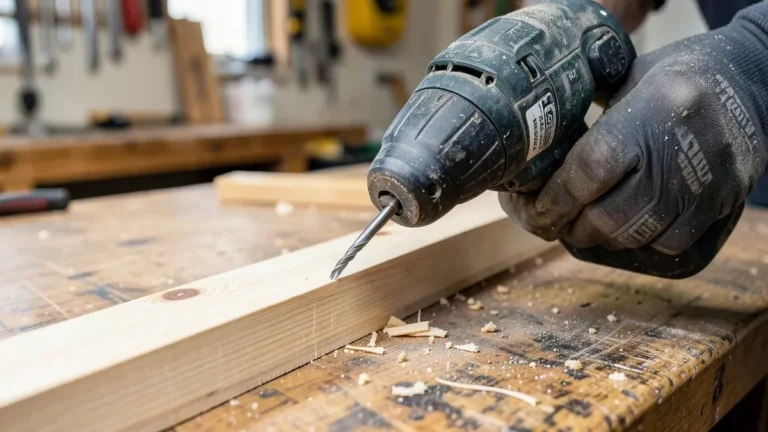
For everyday tasks, a basic drill is often enough. These are usually corded models. They plug into the wall. They offer steady power. You don’t need to worry about batteries. They are also the most affordable. You can find a decent corded drill for about $40 to $70. These are great for hanging pictures. They work for simple furniture assembly.
These basic drills have fewer features. They might have just one speed. They might not have a clutch for torque control. But for light DIY, they do the job. They are a solid starting point for any toolbox.
Cordless Drills: The Freedom Factor
Cordless drills are super popular. They give you freedom to move. No cord means you can work anywhere. This freedom comes at a price. Cordless drills need batteries. The battery is a big part of the cost.
Battery Technology and Price
Batteries are where much of the cost hides. Lithium-ion batteries are standard now. They are lighter and last longer than older types. More power means a bigger, more expensive battery. Batteries come in different sizes, measured in amp-hours (Ah). A higher Ah means more power and longer run time. This also means a higher price.
A drill kit usually includes the drill, one or two batteries, and a charger. The number and size of batteries will affect the total price. Expect to pay more for a kit with two larger batteries.
Voltage: Power Levels Explained
Drill voltage tells you about its power. Common voltages are 12V, 18V, and 20V Max. (20V Max is often the same as 18V). Higher voltage generally means more power.
12V Drills: These are small and light. They are good for light tasks. Think screw driving and drilling small holes. They are also less expensive. You might find these for $70 to $120 for a kit.
18V/20V Max Drills: These are the most common. They offer a good balance of power and weight. They handle most DIY jobs well. You can use them for drilling wood, metal, and even light masonry. These kits often range from $100 to $250.
Higher Voltage Drills (e.g., 36V): These are for heavy-duty work. They offer serious power. They are often more expensive. They might be overkill for most home users.
Brand Names and What They Mean for Your Wallet
The brand of a drill can say a lot. Some brands are built for pros. Others are made for home users. Both have their place.
Pro-Grade Brands
Brands like DeWalt, Milwaukee, and Makita are known for tough tools. They use high-quality materials. Their tools are built to last. They offer great performance. These brands also have strong battery platforms. If you buy multiple tools from the same brand, you can share batteries. This saves money long-term.
However, these brands come with a higher price tag. A high-end cordless drill from a pro brand can cost $300-$600. This includes the drill, batteries, and charger. If you use a drill daily for work, this is a good investment. For a weekend warrior, it might be too much.
DIY-Friendly Brands
Brands like Ryobi, Black+Decker, and Craftsman offer good value. They make tools for homeowners and DIYers. Their tools are reliable for common tasks. They often have more affordable price points. You can find a good cordless drill kit from these brands for $100-$200.
Ryobi is especially popular. They have a huge range of tools that use the same batteries. This is a big plus for people building their tool collection. Black+Decker offers very budget-friendly options. Craftsman has a long history and offers solid mid-range tools.
Store Brands and Budget Options
Many big box stores have their own brands. You can also find generic brands online. These are the most affordable. They might be okay for very occasional use. However, they often lack durability. The motors might be weaker. Batteries might not last as long. If you plan to use the drill often, it’s usually worth spending a little more.
Features That Influence Drill Cost
Beyond power and brand, specific features add to a drill’s price. Some are essential for certain jobs. Others are nice to have.
Brushless Motors: A Key Upgrade
Many newer drills have brushless motors. These are more efficient than brushed motors. This means they use less battery power. They also run cooler. Brushless drills tend to be more powerful. They also last longer. This technology is more expensive to produce. So, drills with brushless motors cost more.
If you plan to do a lot of drilling or use your drill for tough jobs, a brushless motor is worth it. You’ll feel the difference in power and battery life.
Hammer Drill Functionality
A hammer drill can also pound forward as it spins. This is great for drilling into brick or concrete. It makes the job much faster and easier. Standard drills can’t do this. Drills with a hammer function are usually a bit more expensive. You’ll see them marketed as “hammer drills” or “combi drills.” If you do any masonry work at home, this feature is a must.
Variable Speed Triggers and Torque Settings
Most drills have a variable speed trigger. This lets you control how fast the drill spins. This is important for starting screws without stripping them. It also helps control the drill when going through different materials.
Torque settings are also common. These are usually on a collar behind the chuck. They let you set how much turning force the drill uses. This is vital for driving screws. Too much force can strip the screw head or sink it too deep. Too little and the screw won’t go in all the way. Higher-end drills have more precise torque settings. This feature adds a small amount to the cost.
Chuck Type and Size
The chuck is the part that holds the drill bit. Most drills have a keyless chuck. You can tighten or loosen it by hand. This is convenient. Some professional drills might still use a keyed chuck. This offers a more secure grip but is slower to change bits.
Chuck sizes are usually 3/8 inch or 1/2 inch. A 1/2 inch chuck is more common on 18V/20V drills. It can handle larger drill bits and provide more torque. This is a standard feature on most mid-range and up drills.
Extra Features
Other features can add to the price:
LED Lights: Most modern drills have a small light. It shines on the work area. This is very helpful.
Battery Level Indicators: Some batteries show how much charge they have left.
Ergonomic Grips: Better grips make the drill comfortable to hold.
Included Accessories: Some kits come with extra batteries, a case, or a few drill bits.
The price you pay for a drill isn’t always the listed price. Smart shoppers look for sales.
Seasonal Sales and Holidays
Big holidays are great times to buy tools. Memorial Day, Fourth of July, Labor Day, and Black Friday are prime sale events. Many retailers offer deep discounts on drills and power tools during these times. Keep an eye on ads from home improvement stores and online retailers.
Online Retailers vs. Brick-and-Mortar Stores
Both online and physical stores have their pros. Online retailers like Amazon, Home Depot’s website, and Lowe’s website often have competitive prices. They also have a huge selection. You can easily compare models and read reviews.
Local stores offer the chance to see and hold a drill. You can feel its weight and balance. Store staff might also offer advice. Sometimes, local stores have exclusive deals. Check both options to get the best price.
Refurbished Tools: A Smart Saver?
Many manufacturers and retailers sell refurbished tools. These are tools that were returned or had a minor issue. They are repaired and tested. They often come with a warranty. Refurbished drills can save you a significant amount of money. You might save 20-50% off the original price. Just be sure to buy from a reputable source. Check the warranty details carefully.
Personal Experience: That One Time I Bought a Drill Too Cheap
I remember a few years back. I needed a drill for a small project. I was helping a friend paint a room. We needed to move some shelves. I saw a drill on sale. It was super cheap, maybe $30. It was a no-name brand. I thought, “Perfect! It’s just for a few screws.”
Well, that drill was a nightmare. The battery died after about 10 minutes. It struggled to even drive a small screw into drywall. It vibrated like crazy. My hand got tired really fast. We ended up borrowing a decent drill from another neighbor. That cheap drill just sat in my garage after that. It was a waste of even that small amount of money. It taught me a big lesson. Sometimes, paying a little more upfront saves you frustration later. And it saves you from buying a second drill soon after.
Drill Price Breakdown (Estimated 2026)
Basic Corded Drills: $40 – $70
Entry-Level Cordless (12V, Budget Brands): $70 – $150
Mid-Range Cordless (18V/20V, DIY Brands): $150 – $300
Pro-Grade Cordless (Brushless, Higher Voltage): $300 – $600+
Hammer Drill Add-on: Adds $20 – $50+ to base price.
What This Means for Your Project Needs
The price of a drill should match its job. Don’t buy a race car to go to the grocery store.
The Light DIYer: Occasional Use
If you only use a drill a few times a year, a basic corded drill is fine. Or, consider an entry-level 12V cordless model. Brands like Black+Decker or Ryobi’s 12V line are good. They cost between $70 and $150. You’ll get enough power for hanging pictures, assembling flat-pack furniture, or light repairs.
The Weekend Warrior: Regular Projects
For those who tackle DIY projects every few weekends, a mid-range 18V/20V cordless drill is ideal. Brands like Ryobi, Craftsman, or DeWalt’s entry-level 20V line fit this need. Expect to spend $150 to $250 for a kit with a decent battery. Look for brushless motors if possible. This will give you better performance and longevity.
The Serious Hobbyist or Prosumer: Frequent & Tough Jobs
If you’re building furniture, working on renovations, or using your drill often, invest in a pro-grade drill. Brands like DeWalt, Milwaukee, or Makita are built for this. Look for their brushless 18V/20V models. Prices will be $300 and up. The durable construction and better battery life will pay off. If you need to drill into concrete often, make sure it has a hammer function.
When to Splurge vs. When to Save
Deciding how much to spend is about matching the tool to the task and your budget.
Don’t Skimp On: Battery Life and Motor Power
If you’re going cordless, don’t buy the cheapest battery option. A weak battery will leave you frustrated. A drill that struggles to spin is just as bad. These are the two core functions of a drill. Getting them right is important. This often means choosing a known brand and a decent voltage (18V/20V is a good sweet spot).
Saving Tips: Battery Platforms and Sales
If you plan to buy more power tools later, stick to one brand’s battery system. Buying a tool-only model (without batteries) can save you money if you already own batteries. And, as mentioned, always watch for sales. You can often get a much better tool for your money during a promotion.
Quick Scan: Drill Buying Guide
- Budget DIYer: Basic corded or 12V cordless ($40-$150).
- Regular DIYer: 18V/20V cordless, brushless motor ($150-$300).
- Prosumer/Pro: High-end brushless 18V/20V, durable brand ($300-$600+).
- Key Features: Brushless motor, hammer function (if needed), good battery life.
- Smart Buying: Watch for sales, consider battery platforms, look at refurbished options.
Real-World Context: The Homeowner’s Toolbelt
In most American homes, a drill is one of the most used tools. It’s not just for hanging pictures anymore. People are building decks, renovating kitchens, and doing more DIY projects. This means the demand for good, reliable cordless drills is high.
The trend is towards cordless. People want the convenience. Battery technology keeps improving. So, while a corded drill might be cheaper, the value of a cordless drill is undeniable for many.
The environment also matters. If you live in a climate with harsh winters, tools need to be durable. They might sit in a cold garage. For humid areas, rust resistance can be a factor. Most major brands offer tools built for various conditions.
User behavior has changed too. With so many online tutorials and DIY blogs, more people are picking up tools. This means manufacturers are making tools that are easier for beginners to use. But they still need to perform. This is why features like variable speed and torque control are now standard on most models.
What This Means for You: Choosing Wisely
The price of a drill in 2026 will continue to reflect its capabilities. It’s about finding the sweet spot between cost and performance for your specific needs.
When Price Matches Need
If you’re a homeowner who hangs a few things a year, you don’t need a $500 drill. A $50-$100 drill will serve you well.
When to Expect Higher Costs
If you’re building furniture, working with hard materials, or need a tool that runs all day, you’ll need to spend more. That $200-$400 range will likely get you a very capable tool that lasts.
Simple Checks Before You Buy
Read reviews: See what other users say.
Check the warranty: A good warranty shows the manufacturer’s confidence.
Feel it in your hand: If possible, try holding the drill in a store.
Consider battery compatibility: If you have other tools from a brand, check if the batteries work.
Common Drill Features and Their Impact
Brushless Motor: (+) More power, better battery life, longer tool life. (-) Higher cost.
Hammer Drill Function: (+) Drills concrete/masonry easily. (-) Slightly higher cost.
Variable Speed Trigger: (+) Better control for screws and different materials. (Standard) Usually included.
LED Work Light: (+) Illuminates work area. (Standard) Usually included.
Multiple Battery Options: (+) Longer run time, flexibility. (-) Can increase kit price.
Quick Tips for Getting the Best Drill Value
Saving money on a drill doesn’t mean buying the cheapest one. It means getting the most for your dollar.
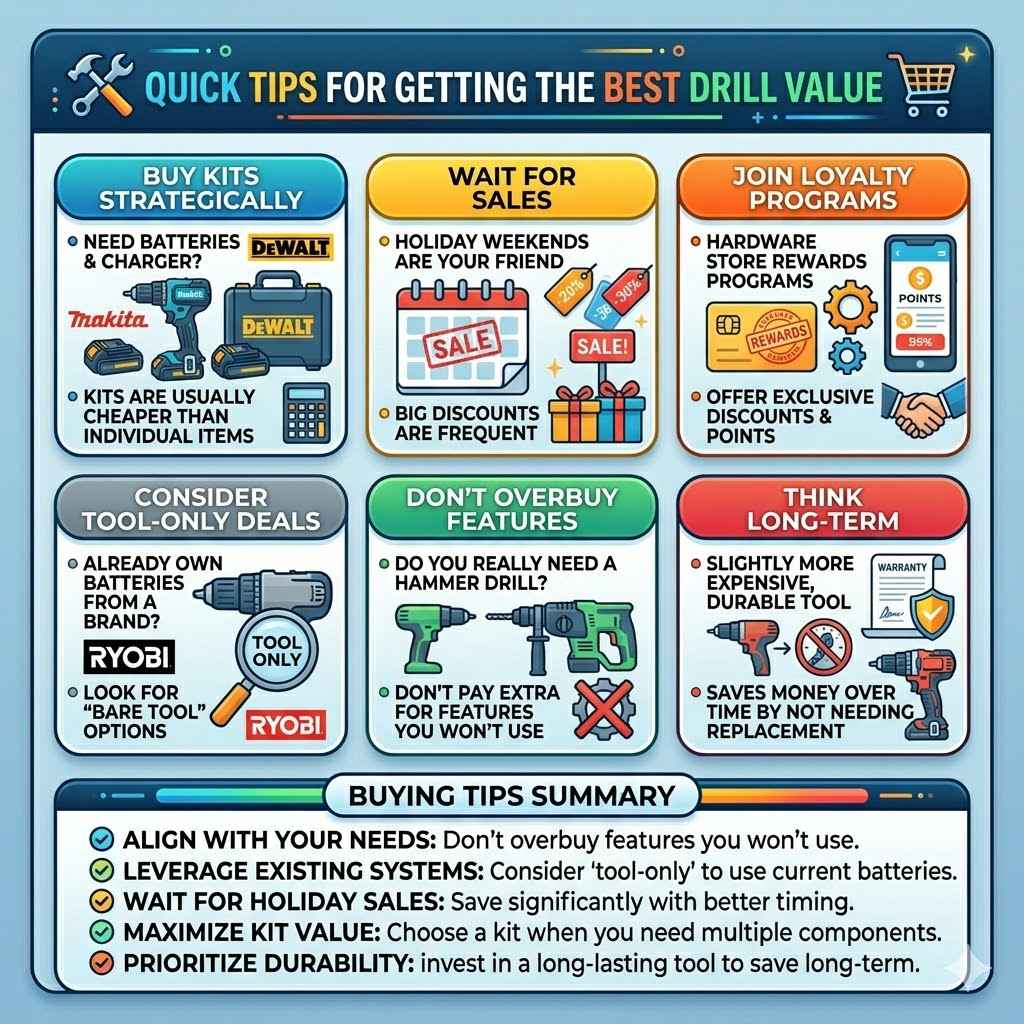
Buy Kits Strategically: If you need batteries and a charger, a kit is usually cheaper than buying them separately.
Wait for Sales: Holiday weekends are your friend.
Join Loyalty Programs: Many hardware stores have rewards programs that offer discounts.
Consider Tool-Only Deals: If you already have batteries from a brand, look for “tool-only” options.
Don’t Overbuy Features: If you don’t need a hammer drill, don’t pay extra for one.
Think Long-Term: A slightly more expensive, durable tool might save you money over time by not needing replacement.
Frequently Asked Questions About Drill Costs
How much should a good cordless drill cost in 2026?
A good cordless drill, suitable for most home projects, typically costs between $150 and $300 in 2026. This price range usually includes a 18V or 20V drill, one or two batteries, and a charger from a reputable DIY or mid-range brand. Look for brushless motors in this price range for better performance.
Are high-end drill brands like Milwaukee or DeWalt worth the extra money?
For professional use or very frequent, demanding DIY projects, high-end brands are often worth the investment. They offer superior durability, power, battery life, and ergonomic design that can lead to less fatigue and better results. For occasional home use, they may be overkill.
Can I find a decent drill for under $100?
Yes, you can find a decent drill for under $100, especially if you consider basic corded models or entry-level 12V cordless drills from budget-friendly brands. These are suitable for light tasks. However, for more demanding projects, you might find them underpowered or lacking in durability.
What is the biggest factor affecting drill price?
The biggest factors influencing drill price are the motor type (brushless costs more), battery technology (lithium-ion, voltage, and amp-hour ratings), brand reputation, and included features like hammer drill functionality. The quality of materials and construction also plays a significant role.
Should I buy a drill kit or just the drill itself?
If you don’t have batteries and a charger for a particular brand, buying a kit is usually more cost-effective. If you already own tools from a brand and have compatible batteries, buying a “tool-only” drill body can save you money.
What does “20V Max” mean for a drill’s price?
“20V Max” refers to the maximum voltage of the battery when it’s fully charged. It’s essentially the same as 18V tools in performance. Higher voltage (like 20V Max) typically indicates a more powerful drill, which can contribute to a higher price compared to lower voltage models.
Conclusion: Finding Your Perfect Drill Price
Drill prices in 2026 offer a wide range. You can find a simple tool for under $50 or a high-performance machine for over $600. The key is to match the tool to your needs. Think about what you’ll use it for. How often will you use it? What materials will you work with?
By understanding the factors that influence cost—power, battery, brand, and features—you can make an informed decision. Look for sales, consider battery platforms, and don’t be afraid of refurbished options. With a little research, you can find a drill that fits your budget and helps you tackle any project with confidence.
Sponsored / affiliate links. As an Amazon Associate I earn from qualifying purchases. I may earn additional commission from eligible campaigns.