Cost To Drill A New Well In The Us (2026 Guide)
Drilling a new water well can feel like a big step. You might be wondering about the costs involved. It’s a common question, especially if you’re thinking about a new home or improving an existing one.
We’ll break down what goes into the price tag so you know what to expect.
The average cost to drill a new water well in the US for 2026 typically ranges from $5,000 to $15,000. This wide range depends heavily on well depth, geological conditions, local labor rates, and the type of pump system installed. Deeper wells or those in rocky terrain will cost more.
Understanding Well Drilling Costs
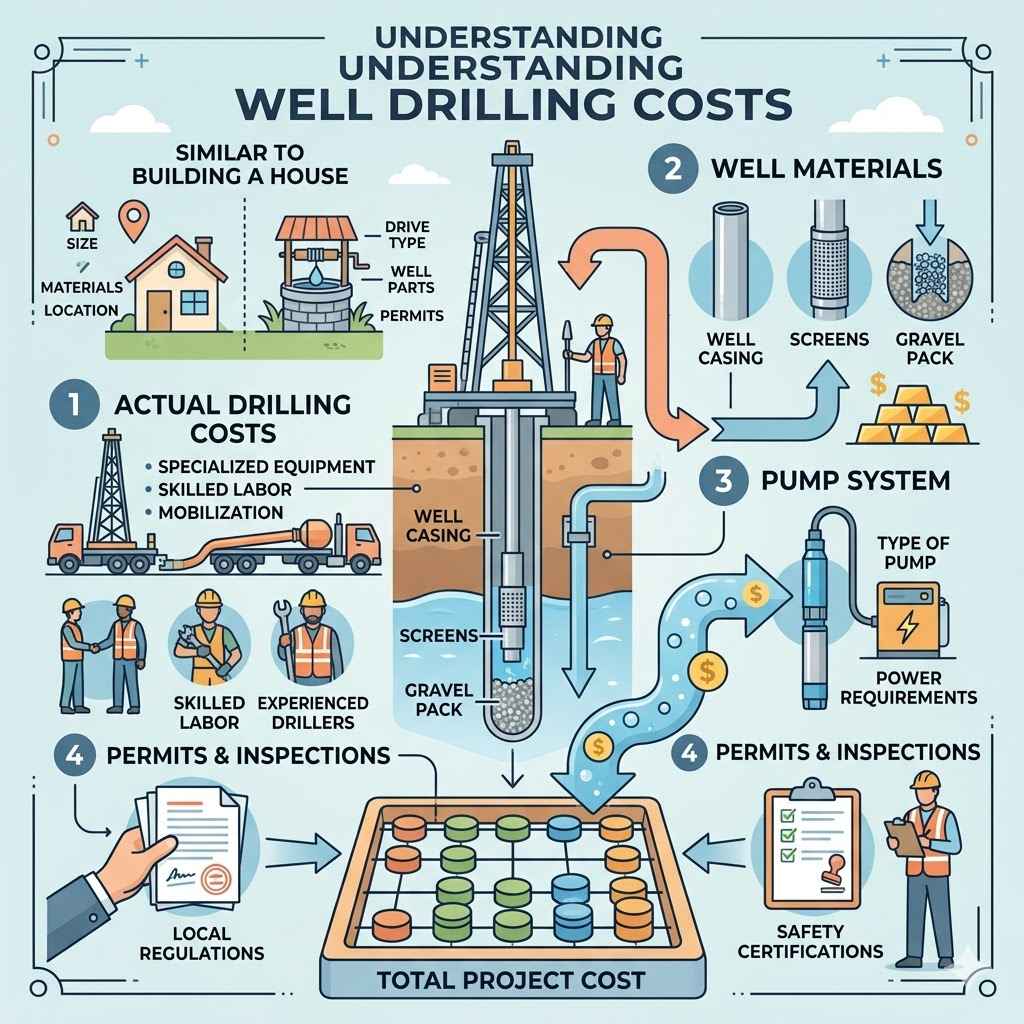
So, what makes up the price of drilling a well? It’s not just one thing. Many factors play a role.
Think of it like building a house; the final cost depends on size, materials, and where you build it. A water well is similar.
The biggest part of the cost is usually the actual drilling. This involves specialized equipment and skilled labor. Companies need to bring in drilling rigs, pumps, and experienced drillers.
These costs add up fast. Then there’s the cost of materials for the well itself. This includes the casing, screens, and gravel pack.
Beyond the hole in the ground, you need a way to get the water out. This means a pump system. The type and power of the pump also affect the total price.
Don’t forget about permits and inspections. Most places require them. They ensure your well is safe and meets local rules.
All these pieces come together to form the final bill.
What Determines How Much You’ll Pay?
Several things can make your well cost more or less. The depth of the well is a major player. Deeper wells naturally cost more to drill.
They take more time and more materials. The type of ground you’re drilling through matters a lot too.
Soft soil is easier to drill than hard rock. If you hit a lot of rock, the drill bits wear out faster. It also takes more effort to break through.
This increases drilling time and costs. The geological conditions in your area are key.
Labor costs vary by region. Areas with higher living expenses often have higher rates for well drillers. The distance the drilling company has to travel to your site can also add to the bill.
Think about mobilization fees for their big equipment.
The diameter of the well is another factor. A wider well needs more materials and takes longer to drill. The type of pump you choose is also a significant cost.
A simple submersible pump is different from a more complex system. The quality of the materials used for the casing and screen also plays a part.
The Drilling Process Explained
Let’s look at what happens when a well is drilled. First, the drilling company visits your site. They assess the location.
They consider things like soil type and expected depth. They’ll discuss your water needs. This helps them plan the project.
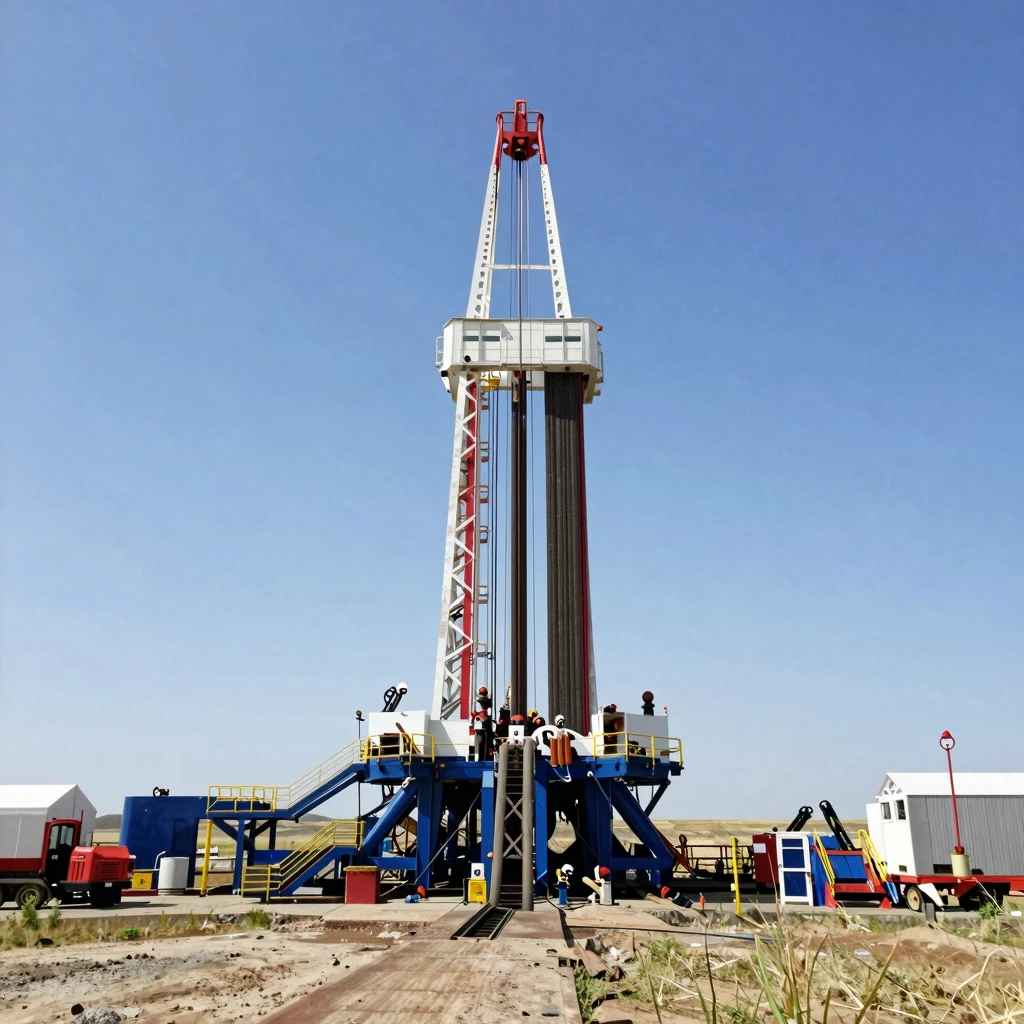
Next, they bring in their drilling rig. This is a large truck with a tall derrick. They set up the rig.
Then, they start drilling. They use a drill bit at the end of a long pipe. This bit grinds through the earth.
Water or drilling fluid is often pumped down to cool the bit and remove cuttings.
As they drill deeper, they install casing. This is a sturdy pipe, usually PVC or steel. It lines the well.
Casing prevents the sides of the hole from collapsing. It also keeps surface water and contaminants out. The casing is cemented into place to seal it well.
Once they reach the desired depth, they install a well screen. This is a slotted section of pipe. It lets water enter the well but keeps sand and gravel out.
A gravel pack might be placed around the screen. This helps filter the water further.
After drilling and casing, the well is developed. This process cleans out any drilling mud or debris. It also helps water flow into the well more easily.
Finally, a cap is put on top to keep it clean and safe. The pump system is then installed.
Well Drilling Stages & Costs
Site Assessment: Initial visit, geological surveys.
Cost: $100 – $500
Drilling: Labor, rig time, fuel, drill bit wear.
Cost: $30 – $60 per foot
Casing & Screen: Materials for lining the well.
Cost: $10 – $30 per foot
Pump System: Submersible pump, pressure tank, piping.
Cost: $1,000 – $5,000+
Permits & Inspections: Local government fees.
Cost: $100 – $500
My Own Well Drilling Experience
I remember when we decided to drill a well at our cabin. It was deep in the woods, miles from the nearest town. We thought it would be straightforward.
We were wrong. The drilling crew arrived, a tough-looking group with serious machinery. They started drilling on a Tuesday morning.
By Wednesday afternoon, they were still going. They hit a layer of very hard granite. The drill bit was struggling.
I could hear the grinding sound all the way from the house. The driller, a man named Earl, came over looking tired. He said they’d broken two drill bits already.
That wasn’t in the original estimate.
He explained that granite is tough. It slows everything down. It also wears out their tools much faster.
The price per foot went up because of it. We ended up drilling nearly 300 feet. The water quality was great, but the bill was higher than we expected.
We learned that nature always has the last say.
Factors Affecting Well Depth
The depth of your well is one of the most crucial cost factors. Why do wells need to be so deep? It’s all about finding a reliable water source.
In many areas, the water you need isn’t right at the surface.
There are different layers of groundwater. The shallowest layers are called the water table. This water can be easily affected by rain and drought.
It might not be consistent year-round. It can also be more prone to surface contamination. Most people want a deeper, more stable source.
Deeper wells tap into aquifers. These are underground layers of rock or sand that hold water. Aquifers are usually more consistent.
They provide a steadier supply of water. They are also less likely to be polluted. However, reaching these deeper aquifers costs more money.
The specific depth required depends on your location. Geologists and local well drillers know where to find water. They use maps and local knowledge.
Sometimes, a few miles can make a big difference in depth. One neighbor might need a 100-foot well, while another needs 500 feet.
Geological Conditions and Their Impact
The ground beneath your feet isn’t uniform. It’s a mix of soil, sand, clay, and rock. These materials affect how easy or hard it is to drill.
This is where geological conditions come into play.
Drilling through soft sand or clay is relatively easy. The drill bit moves quickly. The casing can be installed without much trouble.
This keeps the drilling time and costs lower. These areas are often ideal for well drilling.
However, many areas have layers of rock. This includes sandstone, limestone, or granite. Drilling through rock is much slower.
It requires stronger drill bits. These bits wear down and need replacing. The drilling rig has to work harder.
This uses more fuel and time.
Sometimes, drillers encounter unexpected obstacles. Large boulders can be challenging to break up or move. Areas with high water tables can also pose issues.
The hole might fill with water as it’s drilled, making it harder to work. These complexities all add to the final cost.
Geology Matters: Common Formations
- Sand/Gravel: Easiest to drill. Low cost.
- Clay: Moderate difficulty. Can sometimes cave in.
- Shale: Can be sticky or hard. Moderate cost.
- Sandstone: Often hard. Requires good bits. Moderate to high cost.
- Limestone: Can have fractures or caverns. Variable cost.
- Granite: Very hard rock. High drilling cost.
Labor and Equipment Costs
The people and machines involved in drilling a well are a significant part of the expense. Well drilling companies invest heavily in their equipment. They need powerful trucks, drilling rigs, and specialized tools.
These rigs are complex. They need regular maintenance. Fuel costs are also substantial.
Think about the thousands of gallons of diesel a large rig can consume. The drill bits themselves are consumable. They wear out and need to be replaced.
These costs are factored into the price per foot.
The crew is also highly skilled. Operating a drilling rig safely and efficiently requires training and experience. They work in challenging conditions.
Their wages reflect this expertise. The more complex the job, the longer the crew is on site. This also increases labor costs.
Mobilization is another factor. Getting a massive drilling rig to your property can be expensive. This is especially true if your property is remote or has difficult access.
Trucking fees, permits for oversized loads, and the time it takes to set up all add up.
Pump Systems and Water Pressure
Once the well is drilled, you need a way to get the water to your home. This is where the pump system comes in. The cost of the pump and its installation can be a large portion of the total well cost.
There are several types of pumps. The most common for residential wells is the submersible pump. This pump sits down inside the well.
It pushes water up to the surface. The depth of the well and the required water pressure determine the pump’s power and size. More power means a higher cost.
You’ll also need a pressure tank. This tank stores water and maintains pressure. It prevents the pump from running constantly.
The size of the pressure tank depends on your water usage. A larger tank might be needed for larger homes or families.
Pipes, wiring, and controls are also part of the system. These connect the pump to your house. The quality of these materials can also affect the price.
Sometimes, homeowners opt for more advanced systems. This might include a constant pressure system or a variable speed drive. These offer better water flow but come at a higher initial cost.
Pump System Components & Cost Range
- Submersible Pump: $500 – $2,000+
- Pressure Tank: $300 – $1,000+
- Control Box & Wiring: $100 – $300
- Piping & Fittings: $200 – $500
- Installation Labor: $500 – $1,500+
Permits, Inspections, and Regulations
Drilling a water well is not something you can just do without following rules. Most states and local municipalities have regulations. These are in place to protect public health and groundwater resources.
You’ll likely need permits.
These permits ensure that the well is drilled correctly. They also make sure it doesn’t contaminate local water sources. They might also have rules about well depth and location.
This is to prevent interference with other wells or natural water flows.
After the well is drilled, it often needs to be inspected. An inspector will check if the construction meets the required standards. They look at the casing, the seal, and the cap.
This ensures the well is safe and sanitary. These permits and inspections come with fees. These are usually a few hundred dollars.
It’s crucial to work with a licensed and reputable well drilling company. They will know the local requirements. They can help you navigate the permit process.
Failing to get the necessary permits can lead to fines. It can also force you to redo the work, costing you even more money.
Material Quality and Well Longevity
The materials used to construct your well play a huge role in its lifespan and performance. Using high-quality materials can mean fewer problems down the road. This often translates to lower long-term costs, even if the upfront price is higher.
The well casing is the pipe that lines the wellbore. It’s typically made of PVC or steel. PVC is common and cost-effective.
However, steel casing is stronger. It might be necessary in areas with unstable soil or for deeper wells. The thickness and grade of the casing matter.
Thicker, higher-grade materials cost more.
The well screen is another vital component. It filters water entering the well. Screens are made from various materials and designs.
Stainless steel screens are durable and resist corrosion. Cheaper materials might degrade faster. This could lead to sand infiltration and pump damage.
Gravel packing, if used, also involves specific materials. The size and type of gravel are important for effective filtration. The quality of the cement used to seal the casing is also critical.
A poor seal can allow surface contaminants to enter the well.
Material Choices & Their Impact
Well Casing
PVC: Common, affordable, good for stable ground. May degrade in sunlight or with certain chemicals.
Steel: Stronger, more durable, better for challenging geology. Can rust if not coated properly.
Well Screen
Stainless Steel: Excellent corrosion resistance, long-lasting. Higher initial cost.
Plastic/Other: Less expensive, but may not last as long or resist damage as well.
When to Worry: Signs of Trouble
Most of the time, a new well works perfectly for years. However, sometimes things can go wrong. It’s good to know the signs that might indicate a problem with your well or pump system.
One common issue is a drop in water pressure. This could mean the pump is failing. It might also indicate a blockage in the pipes or well.
Another sign is cloudy or discolored water. This could point to sediment entering the well. It might also suggest bacterial contamination.
Strange noises from the pump are also a warning. A pump that’s banging, grinding, or making loud humming sounds needs attention. It could be a sign of wear and tear or an internal problem.
Changes in water taste or smell are also red flags. These can indicate contamination or issues with the water treatment system.
If your water bill suddenly goes up, and you have city water, check for leaks. But if you have a well, it might mean the pump is running constantly. This could be due to a leak or a malfunctioning pressure tank.
It’s always best to address these issues early.
Quick Checks You Can Do
Before calling a professional, there are a few simple checks you can do yourself. These might help you pinpoint the problem or at least give you more information to share with a service technician.
Check the circuit breaker. If your pump isn’t running, the first thing to check is the electrical supply. Make sure the breaker for the well pump hasn’t tripped. If it has, reset it.
If it trips again immediately, there’s an electrical issue.
Inspect visible piping. Look for any obvious leaks in the pipes connecting your pressure tank to your home. Listen for running water when no taps are open.
Check your pressure gauge. On your pressure tank, there’s usually a gauge. Note the pressure when the pump kicks on and when it kicks off. If the range seems unusual or the pressure is very low, it’s worth noting.
Test your water quality. If you notice changes in taste, smell, or color, consider getting a water test done. Local health departments often offer these services. This can identify potential contaminants.
Listen to your pump. Pay attention to any new or unusual sounds coming from the pump or the area around the well. Write down what you hear and when you hear it.
Simple Well & Pump Checks
- Power: Confirm circuit breaker is on.
- Leaks: Visually inspect all accessible pipes.
- Pressure: Observe the pressure gauge readings.
- Water Quality: Note any changes in appearance, taste, or smell.
- Noise: Listen for unusual sounds from the pump system.
Factors Influencing Long-Term Costs
The initial drilling cost is just the beginning. There are ongoing expenses associated with owning a water well. Understanding these can help you budget better.
Maintenance: While wells don’t require a lot of daily upkeep, annual checks are a good idea. A professional can inspect the pump, tank, and water quality. This proactive approach can prevent costly breakdowns.
Repairs: Pumps can fail over time. Pressure tanks might need replacing. Seals can wear out.
These repairs can range from a few hundred dollars to several thousand, depending on the issue.
Water Treatment: Depending on your water quality, you might need filtration or treatment systems. This could include water softeners, iron filters, or UV sterilizers. These systems have initial costs and ongoing maintenance (e.g., salt for softeners, filter replacements).
Electricity: The well pump uses electricity to draw water. The amount of electricity used depends on your water usage and the pump’s efficiency. This is a recurring monthly cost.
Well Redevelopment: Over many years, a well’s performance might decline. Redevelopment involves cleaning out sediment or minerals that have built up. This process can restore flow and water quality but has a cost.
Cost-Saving Tips and Considerations
While well drilling can be expensive, there are ways to manage costs. Planning and smart choices can make a difference.
Get Multiple Quotes: Always get bids from at least three reputable, licensed well drillers. Compare not just the price but also what’s included. Ask about their experience in your area.
Understand Your Needs: Don’t over-spec your pump. A system that’s too large will cost more upfront and use more electricity. A professional can help you determine the right size based on your household’s typical water usage.
Consider Material Options: Discuss with your driller the trade-offs between different casing and screen materials. Sometimes, a slightly more expensive material upfront can save you money on repairs later.
Ask About Package Deals: Some companies offer a package price that includes drilling, casing, pump installation, and even basic water testing. This can sometimes be more cost-effective than hiring separate contractors.
Timing Matters: Drilling during the off-season (often late fall or winter) might sometimes result in slightly lower prices, as companies may have more availability. However, this isn’t always the case.
Government Programs: In some rural areas, there might be government programs or grants available to help offset the cost of well installation for homes that lack safe water sources. It’s worth researching if anything applies to your situation.
Maximizing Your Well Investment
Plan Ahead
Research local drillers. Get multiple bids. Understand their services.
Right-Size Your System
Don’t overdo it. Choose a pump and tank suited for your needs.
Material Smarts
Discuss durability. A bit more for quality can save money later.
Ask for Packages
Bundled services often come with discounts.
Look for Aid
Government programs might offer financial help in some areas.
What This Means For You
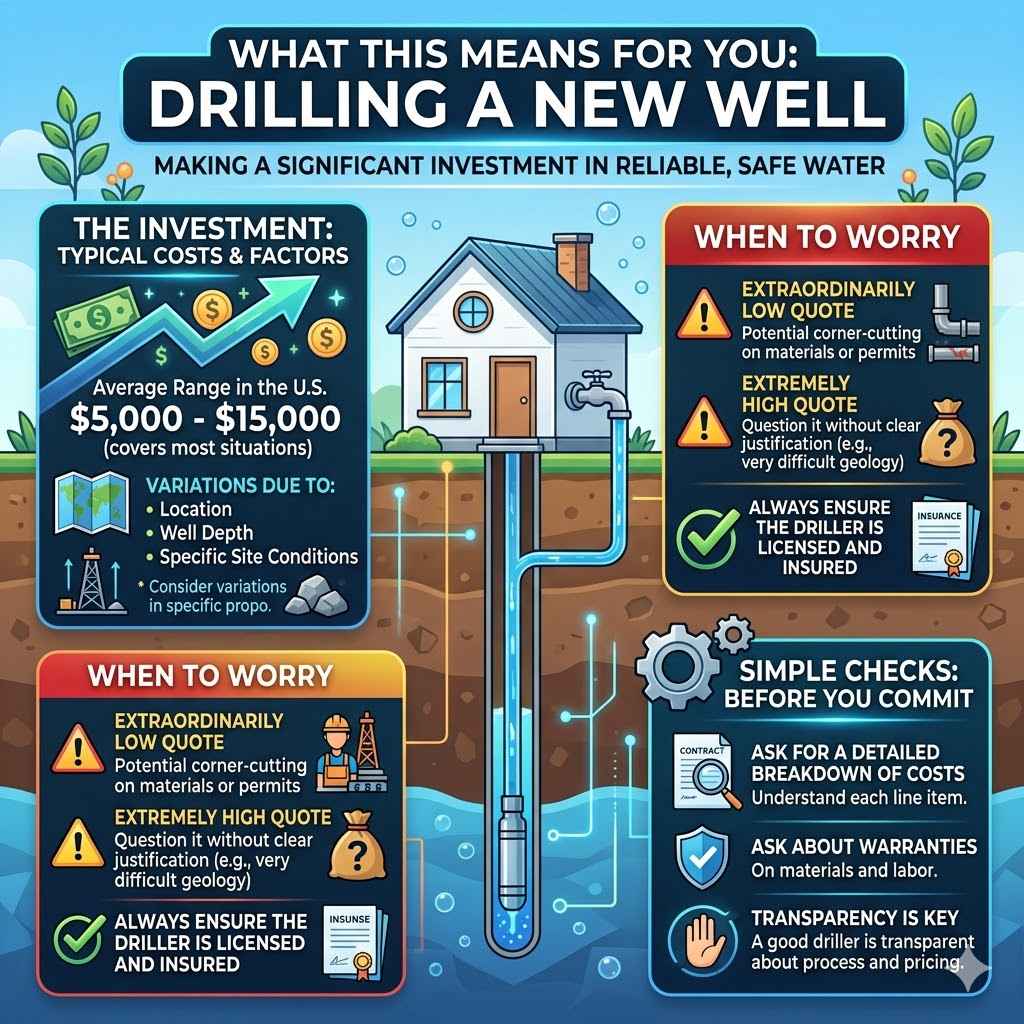
Drilling a new well is a significant investment. It’s not just the initial price tag. It’s also about ensuring a reliable, safe water supply for years to come.
When it’s normal: The costs we’ve discussed are typical for a new residential well. The average range of $5,000 to $15,000 covers most situations in the U.S. Variations are due to location, depth, and specific site conditions.
It’s normal for bids to differ.
When to worry: If a quote seems extraordinarily low, be cautious. It might mean corners are being cut on materials or permits. Conversely, if a quote is extremely high without clear justification (like very difficult geology), question it.
Always ensure the driller is licensed and insured.
Simple checks: Before you commit, ask for a detailed breakdown of costs. Understand what each line item covers. Ask about the warranty on materials and labor.
A good driller will be transparent about the process and the pricing.
Frequent Questions About Well Drilling Costs
How much does it cost to drill 100 feet for a well?
Drilling 100 feet for a well can cost between $3,000 and $6,000. This estimate includes the drilling itself at about $30-$60 per foot, plus costs for casing, materials, and a basic pump. However, this can increase if you hit hard rock or need a more complex pump system.
What is the average cost to drill a well in a rural area?
The cost to drill a well in a rural area is similar to urban areas, but accessibility can add to the price. If the drilling company has to travel long distances or face difficult terrain to reach your site, mobilization fees might increase the total cost. Expect costs in the $5,000 to $15,000 range, possibly higher for remote locations.
Can I drill my own well, and is it cheaper?
While technically possible in some areas, drilling your own well is rarely cheaper and often more expensive and risky. You would need to buy or rent specialized, expensive equipment. You also risk making costly mistakes that can compromise water quality or well integrity.
Plus, you must still obtain permits and pass inspections, which can be difficult without professional knowledge. Licensed drillers have the expertise and equipment to do it safely and effectively.
How long does a new well last?
A properly constructed and maintained water well can last for many decades, often 50 years or more. The lifespan depends on the quality of construction, the materials used, the geology of the area, and how well the well is maintained. Regular inspections and prompt repairs of the pump system are key to longevity.
What is the cheapest type of well to drill?
The cheapest type of well to drill is typically a shallow, driven well or a sand point well, if suitable for your area. These are generally less than 50 feet deep and are installed by driving a screened pipe into the ground. However, these wells are often less reliable and more prone to contamination than deeper drilled wells.
For reliable, safe water, deeper drilled wells are generally required, making them more expensive.
Does the cost of a well include the pump?
Not always. The quote for drilling a well might or might not include the pump system. It is crucial to clarify this with your well driller.
The drilling cost covers creating the wellbore, installing casing, and sealing the well. The pump system (pump, pressure tank, piping, controls) is often a separate line item. Always ask for a detailed estimate that specifies what is included.
Conclusion
Drilling a new water well is a significant project. The costs can vary widely, but understanding the factors involved helps. Depth, geology, labor, materials, and the pump system all play a role.
By getting multiple quotes and choosing quality materials, you can invest wisely in a reliable water source.
Sponsored / affiliate links. As an Amazon Associate I earn from qualifying purchases. I may earn additional commission from eligible campaigns.