How Much Does It Cost to Repair a Stripped Screw Hole?
A stripped screw hole usually costs about $5–$25 to fix with a DIY plug, glue, or oversized fastener, though repairs can reach about $50–$150+ if the part must be patched, re-drilled, or replaced. Left alone, or repaired badly, the screw can loosen again, split the material, or let a hinge, handle, or bracket fail. This guide prices the main repair methods and shows which fix fits the damage, material, and load.
What you’ll need
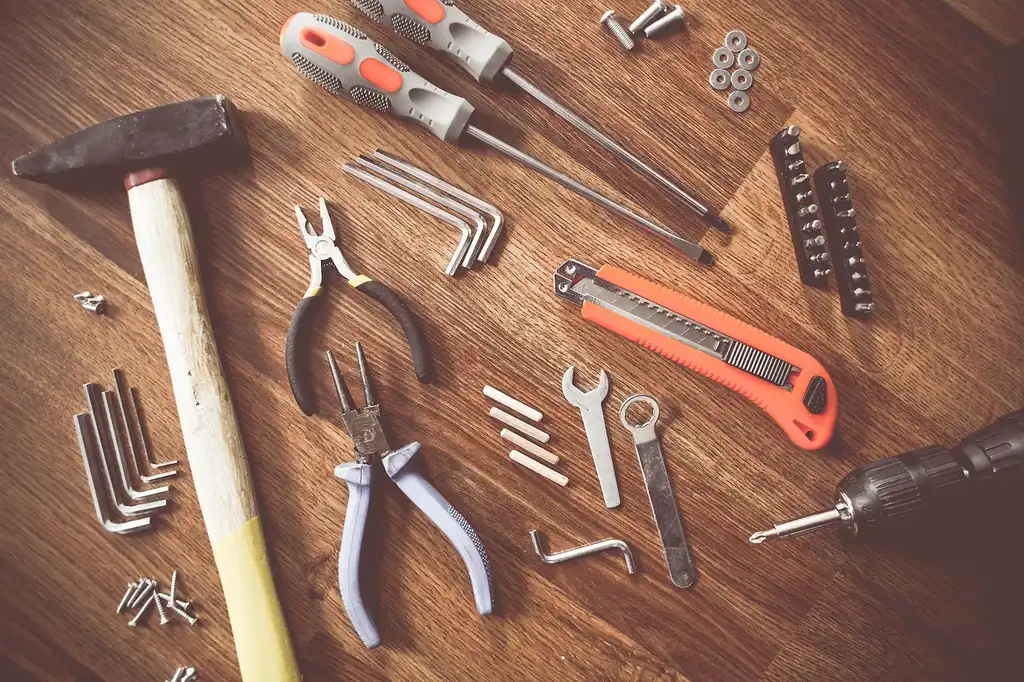


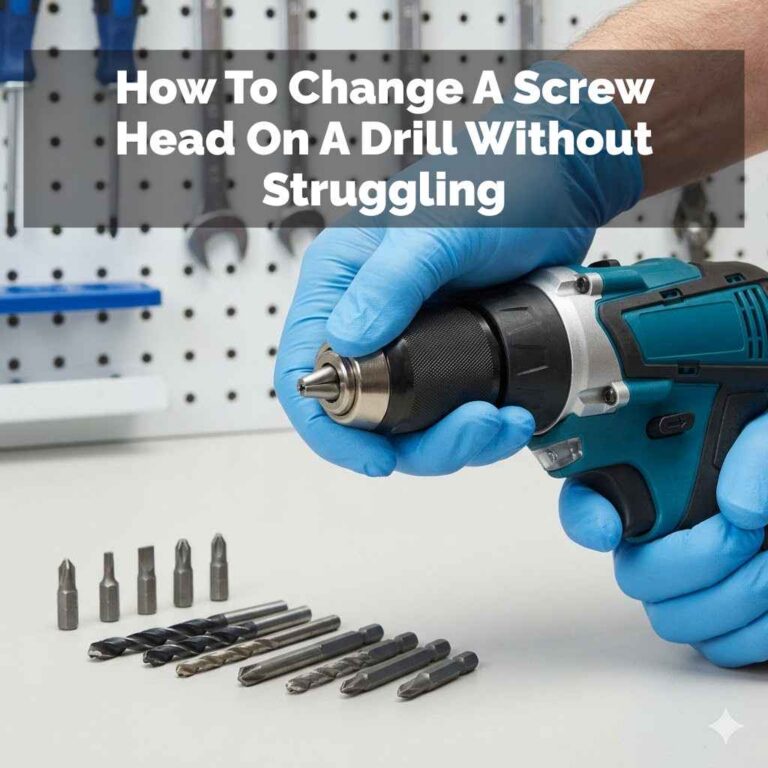
- Drill and screwdriver with the correct driver for Phillips or slotted head screws
- Wood glue or two-part epoxy
- Wooden toothpicks or matchsticks for light-duty wood repairs
- Hardwood dowel or plug stock for stronger repairs
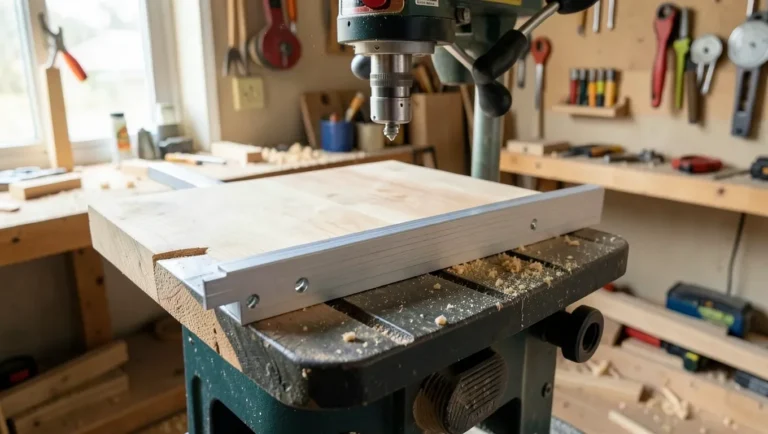
- 1/4-inch drill bit for hole cleanup and dowel prep
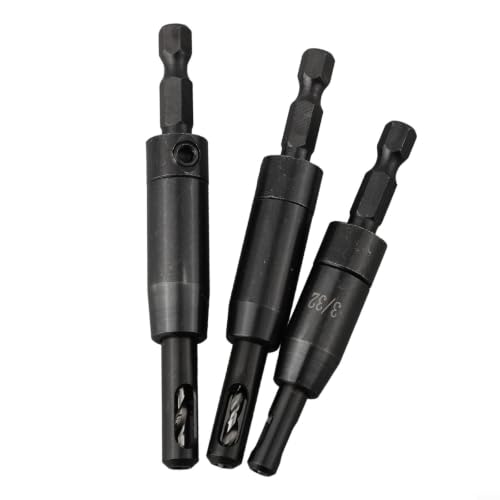
- Self-centering drill bit for hinge pilot holes
- Sandpaper
- Wax for screw threads
- Vacuum
- Optional: rotary tool, oscillating tool, flathead screwdriver, screw extracting pliers, rubber band, superglue
- Optional: snap-off inserts, brass threaded inserts, or a security and strip screw repair kit
How much does each repair cost?
Light-duty repairs are usually a parts-only job if the surrounding wood is intact. A toothpick-and-glue fix can stay under $10, while a hardwood dowel and epoxy repair often lands in the $10–$25 range before labor. Door hinges, MDF, and particleboard push costs higher because alignment and tear-out risk rise fast.
Cost table: six common stripped screw hole repairs
| Scenario | Typical material cost | Tool cost if needed | Labor range | Total expected DIY cost | Total expected pro cost |
|---|---|---|---|---|---|
| Toothpick and glue | $2–$6 | $0–$10 | $0 | $2–$16 | $75–$125 |
| Hardwood dowel and epoxy | $8–$18 | $0–$15 | $0 | $8–$33 | $100–$175 |
| Hinge longer-screw reset | $2–$8 | $0–$15 | $0 | $2–$23 | $90–$160 |
| Insert kit | $12–$35 | $10–$30 | $0 | $22–$65 | $125–$225 |
| Handyman labor | $5–$25 | $0–$15 | $75–$150 | $80–$190 | $80–$190 |
| Carpentry callout | $10–$40 | $0–$25 | $150–$300+ | $160–$365+ | $160–$365+ |
For 2026 budgeting, expect the low end to fit simple cabinet hardware, and the high end to fit a door jamb, a damaged jamb and jack stud area, or a part that needs patching before it can hold a screw again. Metal threads and machine screws often move the job into insert territory.
How do you choose the right fix?
Match the repair to the material, the fastener, and the load. A small cabinet screw in solid wood can often take toothpicks and glue. A hinge screw in MDF or particleboard usually needs a stronger rebuild. If the screw holds a door hinge, the top hinge stress matters more than the price of the fastener.
Match the repair to the material
Solid wood tolerates plug-and-redrill repairs well. MDF and particleboard need more caution because the fibers crush instead of gripping like solid wood. Veneer and laminate are thin surface layers, so overdrilling can break the face layer and make the damage wider than the original hole.
Match the repair to the fastener
Wood screws need fiber grip. Self-tapping screws work better in some plastics and light metal, while machine screws need threads or an insert. A Phillips or slotted head can be stripped at the head even when the hole is fine, so inspect both parts before you buy repairs.
Match the repair to the load
A loose cabinet knob is not the same job as a door hinge. A heavy hinge can pull on the jamb, the jack stud, and the frame every time the door moves. In that setting, a longer replacement screw, repair plate, or insert may beat glue alone.
How do I know if the screw hole is stripped or the screw head is stripped?
A stripped screw hole spins because the threads no longer bite the material. A stripped screw head fails because the driver can no longer grip the slots. If the bit cams out but the screw still tightens when the head is grabbed, the hole may be fine. If the screw turns freely without advancing, the hole is the problem.
First check the head with a fresh driver size. If that fails, inspect the material around the hole for crushed fibers, wobble, or enlarged edges. A stripped head may need a flathead screwdriver, screw extracting pliers, or a rotary tool slot cut before the hole repair starts.

Use the smallest fix that still matches the load. A light cabinet hole can be rebuilt in minutes. A hinge on a door takes more care because alignment changes at the latch and strike. If the hole is in a structural edge or the screw keeps leaning, move to the stronger option instead of repeating the same plug.
- Remove the screw and clean out loose fibers with a vacuum.
- Test-fit the fastener and mark whether the hole is shallow, enlarged, or split.
- Pack a light-duty wood hole with glue-coated hardwood toothpicks or matchsticks, then trim flush.
- For a stronger wood repair, drill the hole uniform with a 1/4-inch drill bit, glue in a hardwood dowel about an inch long, and let epoxy or glue cure fully.
- Drill a new pilot hole slightly smaller than the new screw, using a self-centering drill bit on hinges.
- Wax the screw threads, reset the screw, and stop if the hinge or part shifts out of alignment.
- If the screw still will not hold, switch to an insert, repair plate, or replacement part rather than forcing it.
Say your cabinet hinge screw pulls free from solid wood after the second turn. A glue-and-toothpick fix may hold the hinge, but a hardwood dowel is the better choice if the same hole has already failed once. The cost difference is small; the second failure usually costs more in time.
Suppose a top hinge on an interior door keeps sagging. That usually means the fastener is carrying real load, so a longer replacement screw that reaches deeper into framing may be worth more than another round of filler. If the screw can reach the jamb and jack stud area, the repair is far stronger.
When should I use a dowel instead of wood filler for a stripped hole?
Use a dowel when the screw needs real thread bite. Wood filler can smooth a surface or fill a cosmetic defect, but it is not the best structural fix for a loose screw hole. A hardwood dowel gives the screw fresh wood fibers to grip, which matters for hinges, brackets, and repeated use.
Choose filler only when the screw load is light and the hole is shallow. Choose a dowel when the screw must hold alignment, carry weight, or survive repeated removal and reinstallation. That is especially important in solid wood and on load-bearing door hardware.
What tools and materials do door hinge repairs need?
A door hinge repair usually needs a drill, a screwdriver, a self-centering drill bit, a 1/4-inch drill bit, wood glue or epoxy, sandpaper, wax, and a vacuum. For damaged or jammed screws, add a flathead screwdriver, screw extracting pliers, a rotary tool, or a small oscillating tool.
Longer screws are common for hinge resets, but watch the head size. A screw with a larger head can bind the hinge leaf and keep the door from closing cleanly. If the new screw binds the hinge leaf, the repair can create a new alignment problem even when the hole holds.
How much does a DIY stripped screw hole repair kit cost?
A basic stripped screw hole kit usually costs about $12–$35, while a better insert kit or repair kit can run about $20–$60. Snap-off inserts work for quick reinforcement, brass threaded inserts suit repeat removals, and a security or strip screw repair kit can help when the fastener itself is part of the problem.
These kits make the most sense when the hole must accept machine screws or when the same screw will be removed again later. For a one-time cabinet fix, a dowel or toothpick repair is usually cheaper. For metal threads or repeated service, an insert can be the better buy.
Common mistakes
Overdrilling is the fastest way to turn a small repair into a bigger one. Use only the bit size needed for the method you chose, and keep the drill square to the face. On doors, a crooked hole can push the hinge out of line and make the latch miss.
Using the wrong fastener is another common error. A wood screw will not hold well in stripped metal threads, and a machine screw will not bite bare wood unless an insert is present. If the screw head is stripped, fix that first so you do not destroy the hole while trying to remove it.
A common first-timer mistake is forcing a longer screw into soft particleboard after the original hole failed. The screw may bite for a moment, then the material crushes again. In MDF and particleboard, a dowel, insert, or replacement part is often the safer expense.
If that didn’t work, try this next: move from toothpicks to a hardwood dowel, then from a dowel to an insert or replacement hardware. If the part still shifts after reset, the repair cost is already close to a callout, and replacement may be the lower-risk choice.
Frequently asked questions
How much does it cost to repair a stripped screw hole?
Most DIY repairs land between $5 and $25 for glue, toothpicks, a dowel, or a longer screw. If you need a handyman, expect about $75–$150 total, and carpentry work can exceed that when the jamb, bracket, or part needs patching before the screw can hold.
Is a toothpick and glue repair strong enough for a stripped screw hole?
Yes, for small light-duty wood repairs such as cabinet hardware or a loose trim screw. It is not the best choice for heavy door hinges, repeated removal, or soft substrates that crush easily. If the screw keeps loosening, move up to a dowel or insert.
How long does it take to fix a stripped screw hole?
Simple toothpick repairs can take 10–20 minutes plus cure time. A dowel-and-epoxy repair usually takes 20–45 minutes of work, then drying time before redrilling. iFixit rates stripped screw removal at 5 to 45 minutes, with moderate difficulty, which fits many removal-only jobs.
What tools do I need to repair a stripped screw hole in a door hinge?
Use a drill, a self-centering drill bit, a 1/4-inch drill bit, a screwdriver that matches the head, wood glue or epoxy, sandpaper, wax, and a vacuum. A clamp jack can help stabilize the door while you reset the top hinge and check alignment.
Can I just use a longer screw after repairing the hole?
Yes, if the screw can reach sound material and the head will still seat flush. That works well on a top hinge when the jamb and jack stud are close enough to catch. If the head is too large or the material is soft, use a repair first, then recheck closure.
Sponsored / affiliate links. As an Amazon Associate I earn from qualifying purchases. I may earn additional commission from eligible campaigns.