DIY Outdoor Furniture Table: Materials, Sizing & Build Guide
The material you pick decides whether your DIY outdoor table lasts two summers or twenty. Teak and white oak resist rot on their own; pine and poly lumber need help (finish or none at all) to survive rain, UV, and freeze-thaw cycles. Below is what actually holds up, how to size and build the table so solid wood doesn’t crack itself apart, and which sealant is worth the money.
Which Material Actually Holds Up Outdoors
OUR PICK FOR WEATHERPROOFING
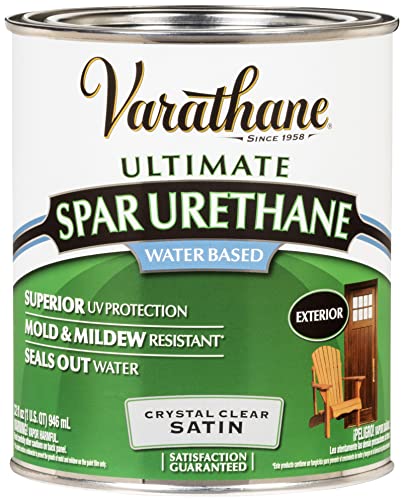 |
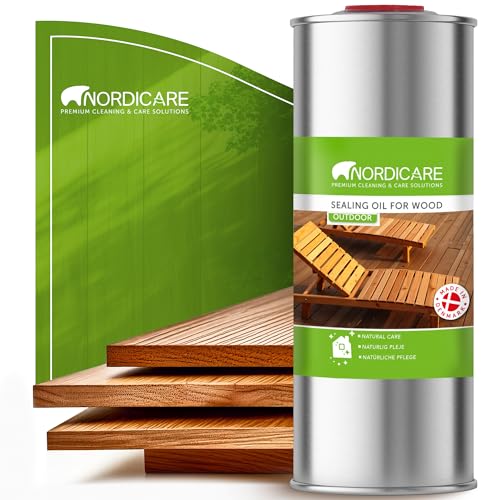
Varathane Ultimate Spar Urethane (Satin, Quart) – $28.58 The finish recommended in the weatherproofing section above: a water-based spar urethane built with UV blockers so it will not yellow or crack as outdoor wood moves.
|
Every “best wood for outdoor furniture” list names the same five species, but they’re not interchangeable. Teak carries natural oils (about 1,155 lbf on the Janka hardness scale) that shed water and repel insects without any finish, which is why it’s the only wood boatbuilders leave bare for decades. White oak (roughly 1,360 lbf) is denser and closes its own pores when wet, but it will still gray and needs a film finish to keep its color. Cedar and mahogany are softer (800-900 lbf) and lighter to work with, but they weather faster and dent more easily under patio furniture use.
If you’d rather not maintain a finish at all, HDPE poly lumber (made from recycled milk jugs and detergent bottles) is the honest alternative: it never rots, never splinters, and most brands back it with a 20-year warranty. It costs more per linear foot than construction-grade pine but less than actual teak, and it won’t ever need the sealant step below. Stainless steel table frames pair well with a poly or teak top when you want a modern look, but budget for 304 or 316 stainless hardware throughout — plain zinc-plated screws will rust and bleed orange streaks into the wood within a season.
| Material | Typical Cost | Maintenance | Lifespan Outdoors |
|---|---|---|---|
| Teak | $9-16/board ft | Oil 2-4x/year or let it silver naturally | 20-40+ years |
| White Oak | $6-9/board ft | Film finish (spar urethane) every 1-2 years | 10-20 years |
| Cedar / Mahogany | $4-7/board ft | Sealant reapplied yearly | 8-15 years |
| HDPE Poly Lumber | $6-11/linear ft | Soap and water, no finish ever | 20+ years (warrantied) |
Size the Table for How You’ll Actually Use It
Restaurants use 24 inches of table edge per seated adult as the minimum, and that number works for a backyard build too — go to 28-30 inches per seat if you want room for serving dishes. Standard dining height is 28-30 inches; if the table pairs with a fire pit or lounge chairs, drop it to 16-18 inches (coffee-table height) instead. Leave at least 36 inches of clearance behind every chair so people can push back and stand without bumping a railing or grill.
| Seats | Rectangular Top | Round Top |
|---|---|---|
| 4 | 36″ x 48″ | 42″ diameter |
| 6 | 36″ x 68″ | 54″ diameter |
| 8 | 40″ x 84″ | 66″ diameter |
Build It So Wood Movement Doesn’t Crack the Top
Solid wood moves roughly 1/4 inch per foot of width as humidity swings between seasons — a 36-inch-wide tabletop can grow or shrink almost 3/4 inch over a year. Glue individual boards edge to edge for the panel, but never glue that panel to a perimeter frame on all four sides; pick one fixed reference edge and let the rest float, or use breadboard ends with elongated screw slots so the top can expand without splitting. Leave a consistent 1/8-inch gap between boards on a slatted design so rainwater drains instead of pooling and rotting the joints.
For the base, mortise-and-tenon or draw-bored joints outlast pocket screws outdoors because glue alone weakens as it cycles between wet and dry. Whatever fasteners you use, make them 305 or 316 stainless steel (some hardware is only labeled “stainless” without a grade — ask before you buy for a coastal or high-humidity climate); plain steel screws rust inside the wood within a year and streak the surrounding grain.
Weatherproofing That Actually Survives a Season Outside
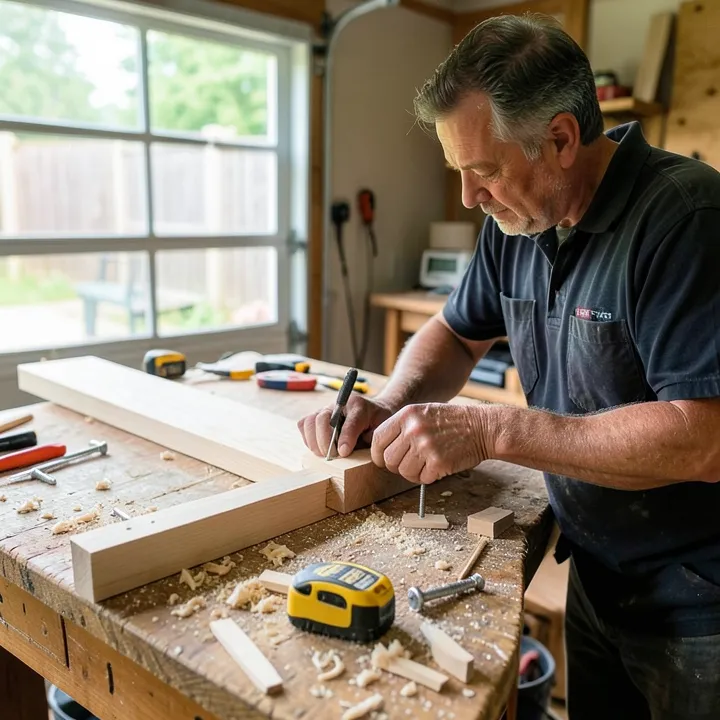
A spar urethane (sometimes labeled “marine varnish”) is the closest thing to a permanent finish for outdoor wood — it stays flexible as the wood moves and includes UV blockers that a plain interior poly doesn’t. It needs 3-4 thin coats minimum, with the first coat thinned about 10% so it soaks in rather than sitting on the surface; skip a coat and the UV protection gap shows up as graying within months. Teak oil is lower-maintenance to apply but not lower-maintenance overall — full sun exposure burns through it in 3-4 months, so plan on reoiling every season if you want to keep the honey color instead of letting the wood silver naturally.
End grain (the exposed ends of legs and stretchers) absorbs water at roughly ten times the rate of face grain, so it’s the first place rot starts. Seal end grain with two extra coats beyond what the rest of the piece gets, or brush on a penetrating epoxy sealer before the finish coat — it’s the difference between a leg that lasts five years and one that lasts fifteen.
Mistakes That Shorten an Outdoor Table’s Life
- Building tight to the ground: less than 3 inches of clearance under the legs traps splash-back moisture against the base. Add levelers or a stone pad.
- Mixing metals: aluminum feet on a steel frame (or vice versa) causes galvanic corrosion where they touch. Use isolating washers or matching metals.
- Skipping a moisture meter: lumber straight from a big-box store can read 15-19% moisture content. Let it acclimate to 8-12% before final glue-up, or joints loosen as it dries further outdoors.
- One thick coat instead of several thin ones: a single heavy coat of any finish skins over before it cures, trapping solvent underneath and cracking within a year.
Frequently Asked Questions
What’s the single best all-around material if I don’t want to think about maintenance again?
HDPE poly lumber. It costs more upfront than pine or cedar but needs zero sealant, oil, or refinishing over its 20+ year warrantied life — soap and water is the entire maintenance routine.
Can I build the top from real wood and the legs from something else?
Yes — mixed builds are common. A teak or white oak top on a powder-coated steel or aluminum base is a popular combination because it puts the wood only where its look matters most and keeps the structural base maintenance-free.
How often does an oiled teak table actually need re-oiling?
Every 3-4 months in direct full sun, or twice a year in a shaded or covered patio. Skipping it doesn’t damage the wood — teak silvers gracefully with no oil at all — but the honey-brown color fades within a few months without reapplication.
Why did my tabletop crack even though I used a good sealant?
Almost always a construction issue, not a finish issue: the panel was glued rigidly on all sides (fighting seasonal wood movement) or the wood wasn’t acclimated to outdoor humidity before final assembly. A good finish slows moisture exchange; it can’t stop wood movement caused by a rigid joint.
Do I need different fasteners near the coast versus inland?
Yes. Salt air corrodes standard 304 stainless within a few years; 316 stainless (marine grade) has added molybdenum for chloride resistance and is worth the extra cost within a few miles of saltwater. Inland builds can use 304 stainless safely.
Sponsored / affiliate links. As an Amazon Associate I earn from qualifying purchases. I may earn additional commission from eligible campaigns.