Fixed Blade vs Folding Carving Knife: Which Is Safer?
For beginner wood carving, a fixed blade is often safer than a folding carving knife because it tends to give steadier control and avoids the risk of a lock not holding as expected. Choose a Folding Carving Knife only if the lock is solid and you can keep a disciplined grip. A poor choice can cause slips, hidden blade closure, or bad hand placement that sends the edge into your thumb. This guide compares control, lock risk, sheath safety, and beginner hand position.
Carving safety factors compared
| Factor | Fixed Blade | Folding Carving Knife | Winner |
|---|---|---|---|
| Blade stability in push cuts and pull cuts | High | Medium | Fixed Blade |
| Lock failure risk under load | Low | Medium to high | Fixed Blade |
| Carry safety before the knife is in hand | Medium with a sheath | High in pocket carry | Folding Carving Knife |
| Deployment speed during carving | High | Medium | Fixed Blade |
| One-handed handling during cleanup | High | Medium | Fixed Blade |
| Beginner hand-position safety | High | Medium | Fixed Blade |
What each knife type does in carving
A Fixed Blade is one solid piece of metal, with the blade and tang running through the handle as a single structure. A Folding Carving Knife hinges into the handle and adds a lock, which makes it smaller to carry but adds a mechanical point that matters under carving load.
The core trade-off
The safety question in carving is less about toughness and more about control. A fixed blade is ready at once and stays rigid in the cut. A folder may be easier to pocket, but the hinge and lock add a point where the tool can feel secure without being equally secure under pressure.
Side-by-side comparison for the main safety factors
For carving, a sheath-based fixed blade is often the safer choice because it tends to stay predictable during push cuts, pull cuts, and cleanup. A sheath-based fixed blade usually wins on in-hand safety, while a folder wins on carry convenience before the work begins.
Which is safer for carving wood?
For most beginners, a Fixed Blade is safer for carving wood because blade stability and hand control matter more than pocket size. A Folding Carving Knife can work for light, careful cuts, but it asks more of the lock, the opening motion, and your grip discipline than a fixed blade does.
When a fixed blade has the safety edge
A fixed blade has the edge when you expect repeated push cuts, pull cuts, or cleanup after rough removal. The blade does not wobble at a hinge, and there is no lock to distrust when the grain changes or a knot makes the cut load spike.
When a folder can be acceptable
A Folding Carving Knife can be acceptable for very light carving, especially if you are making short, controlled cuts and the knife has a lock that feels solid under real pressure. It is a choice for a specific task, not a default one, and it works best when you treat it like a light-duty tool rather than a hard-use carving knife.
Blade stability and hand control
Blade stability is the main carving-safety advantage of a Fixed Blade. During push cuts and pull cuts, a rigid blade tracks more predictably, which helps keep the edge where your thumb and fingers expect it to be. That matters most when the work gets small.
Why a rigid blade matters for push cuts and pull cuts
Push cuts load the knife in front of the hand, and pull cuts load it as the edge comes back toward you. If the tool flexes or shifts at the pivot, even a little, the cut can skate off the line and move toward your guiding thumb or the supporting hand.
How wobble affects detail carving and mistakes
Detail carving depends on tiny corrections, so a blade that feels loose or wobbly can make those adjustments harder. A blade that feels loose or wobbly makes those corrections harder, and beginners often respond by gripping harder, which reduces fine control instead of improving it. A common first-timer mistake is tightening the grip as soon as the grain changes, then pushing the edge deeper than planned.
What short blade length does for control
A shorter blade length can help because less exposed edge means less leverage for a slip to travel. In carving, that usually matters more than broad outdoor durability claims. For beginner whittling, a shorter blade paired with a comfortable choke-up grip is usually safer than a longer blade that seems more capable.
Can a folding knife lock fail while carving?
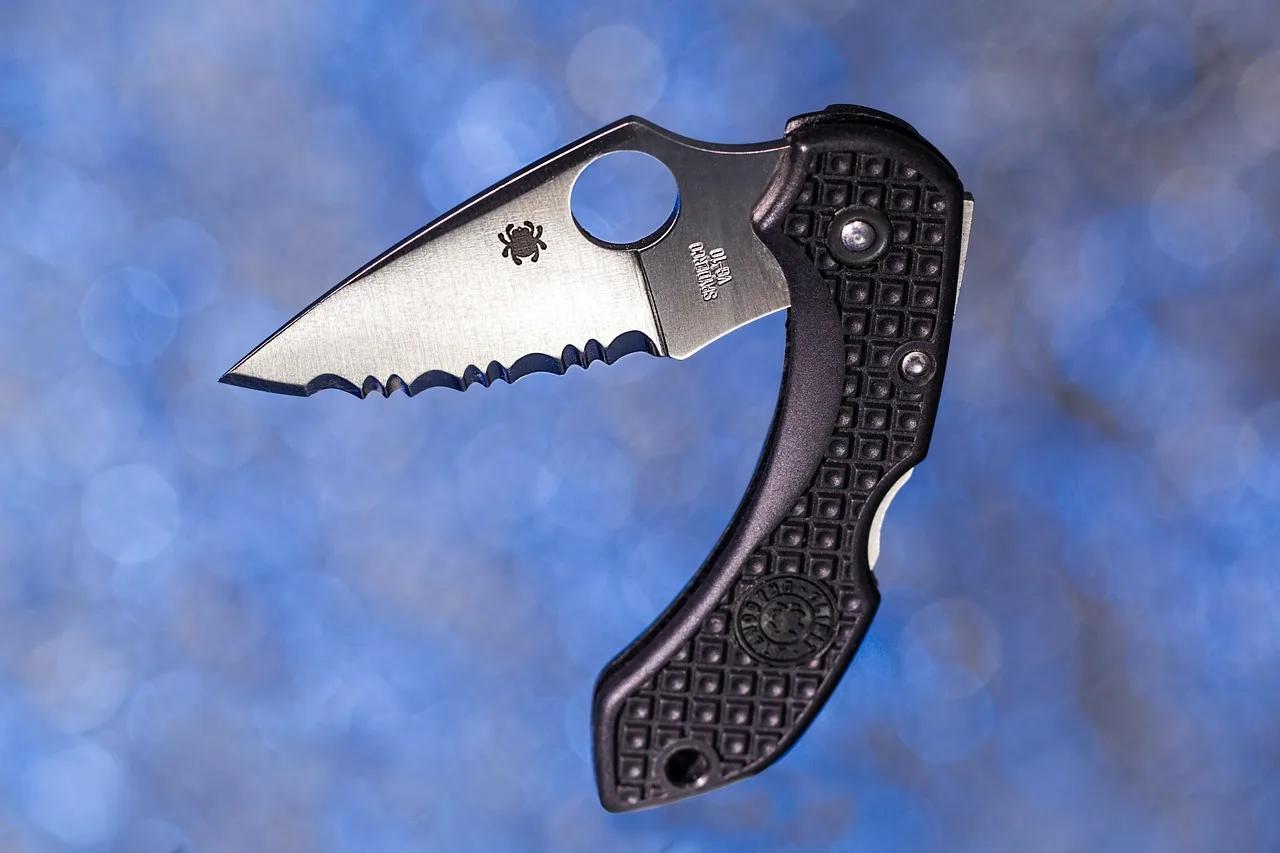
Yes. A folding carving knife can fail at the lock during carving if the liner-lock or frame-lock does not stay fully engaged under load, or if the cut shifts pressure in an unexpected way. The danger is not only breakage; it is a blade that starts moving when your hand assumes it is fixed.
Liner-lock and frame-lock basics
Both liner-lock and frame-lock designs depend on a locking surface keeping the blade open. That can work well for light cutting, but a lock is still a moving interface, not a single solid piece of metal. Carving load can expose wear, dirt, bad fit, or incomplete engagement.
How a lock can feel secure but still be a risk
Lockup geometry can create a false sense of safety. A folder may feel solid in a dry open-and-close test, yet still shift under push cuts or when the grain grabs the edge. That is why “locked open” is not the same as “safe under carving load.”
Why one-handed closing matters during cleanup
Cleanup often happens after attention drops. If you need to close the blade one-handed, the folding knife adds another handling step while your fingers are still close to the edge. Say your hand is tired after twenty minutes of whittling a 6-inch stick; the final close is when a distracted thumb can land in the wrong place.
| Carving Safety Scorecard | Fixed Blade | Folding Carving Knife | Recommendation |
|---|---|---|---|
| Control | High | Medium | Choose Fixed Blade for detail cuts that need steady tracking. |
| Lock failure risk | Low | Medium to high | Choose Fixed Blade when a lock defect would be unacceptable. |
| Sheath safety | Medium | Low | Choose Fixed Blade only with a proper sheath and retention. |
| Pocket carry risk | High | Low | Choose Folding Carving Knife if pocket carry is required. |
| One-handed handling | High | Medium | Choose Fixed Blade when you want immediate, simple handling. |
| Cleanup safety | High | Medium | Choose Fixed Blade if you close out the job with tired hands. |
| Beginner-friendliness | High | Medium | Choose Fixed Blade for first whittling practice. |
| Transport safety | Medium | High | Choose Folding Carving Knife for travel when storage matters more than cutting stability. |
What should you look for in a carving knife handle for safety?
Look for a handle that lets you choke up safely, gives clear thumb placement, and avoids sharp hotspots. In carving, the handle shape matters because your hand often rides close to the blade. A safe handle helps the grip stay repeatable without forcing the thumb into the edge path.
Handle shape for a choke-up grip
A choke-up grip puts the hand closer to the blade for control, so the handle should support that position without crowding the fingers. Rounded transitions and enough length for the index finger help keep pressure where you want it.
Thumb placement and finger clearance
Good carving handles give the thumb a flat or predictable place to push from. They also leave enough clearance so the index finger does not drift forward onto the edge path during a pull cut. That matters more than flashy handle styling.
Grip texture without hotspots
Texture should help the hand stay put, not bite into the palm. Aggressive checkering or sharp edges can create hotspots that make beginners change grip mid-cut, which is exactly when control drops. A smoother handle with reliable purchase is usually the safer choice.
Choose Fixed Blade if… / Choose Folding Carving Knife if…
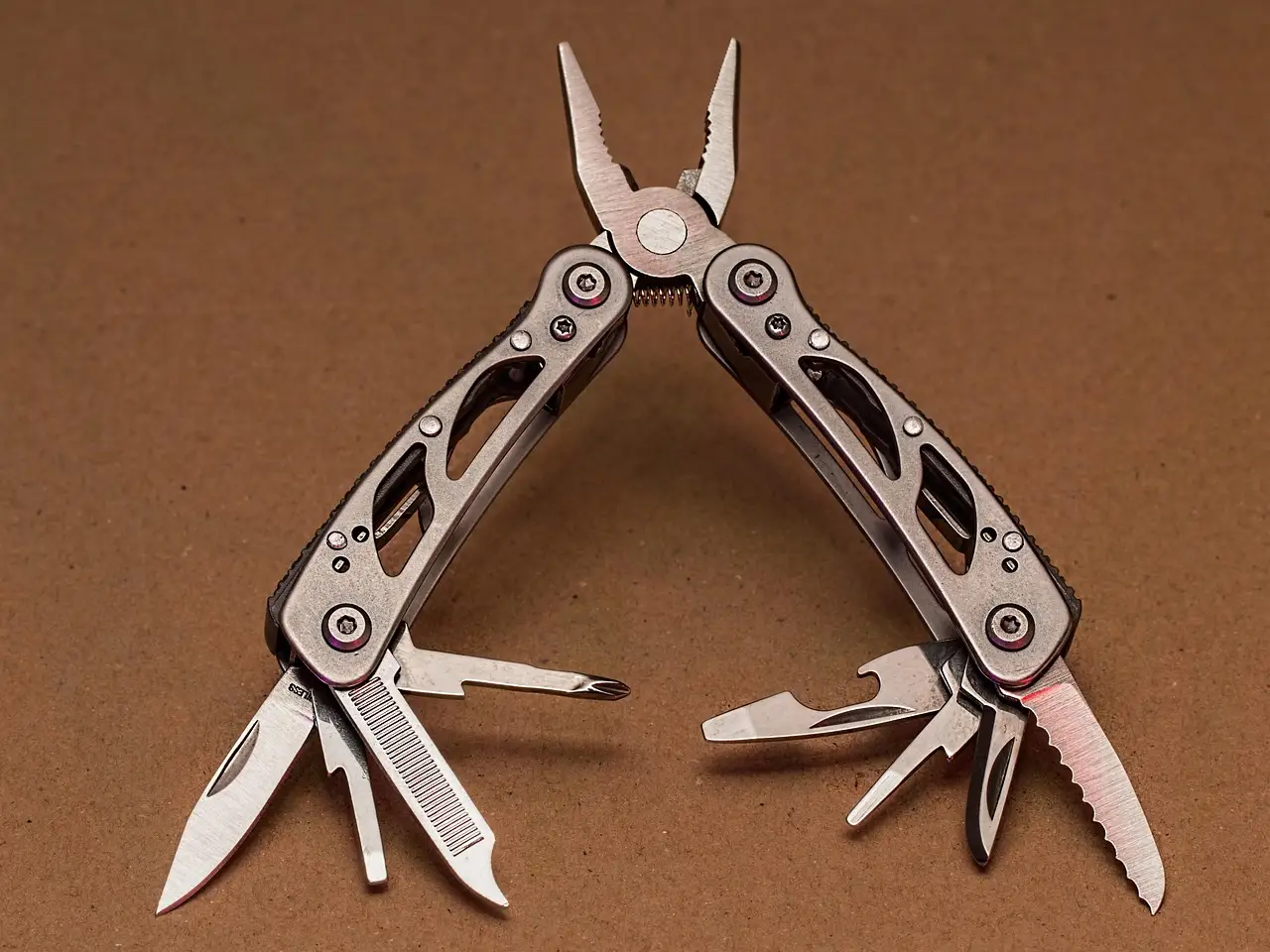
The right choice depends on where the safety risk sits, in the cut or in the carry. For carving itself, Fixed Blade is the safer default. For transport and occasional light use, Folding Carving Knife can fit better if you accept the lock and handling trade-offs.
Choose fixed blade if…
- You want the steadiest blade for push cuts, pull cuts, and detail work.
- You are a beginner and want fewer moving parts between your hand and the edge.
- You can carry it in a proper sheath with full blade coverage and secure retention.
- You plan to carve repeatedly, not only make one or two light cuts.
Choose folding carving knife if…
- Portability matters more than repeated carving performance.
- You need a pocket-carry tool for light, unplanned tasks.
- The lock is solid, clean, and you can verify full engagement every time.
- You are making short, careful cuts and keeping the grip disciplined.
A simple beginner rule for whittling
If the knife will spend more time cutting wood than riding in a pocket, start with a Fixed Blade. If it will spend more time carried than used, a Folding Carving Knife may make sense, but only for light work and only with careful lock checks. That mirrors how planned-task tools differ from everyday-carry tools.
Suppose you are shaving a spoon bowl from dry maple with a 2-inch blade. The fixed blade keeps the edge stable as the grain turns, while the folder may feel fine until the cut loads up and the lock becomes part of the safety calculation.
A common first-timer mistake is grabbing a folding carving knife with a loose lock, then pushing hard through a large roast as if it were a fixed blade. That swaps carry convenience for more moving parts during the cut, which is the wrong trade for most beginner whittling.


Frequently asked questions
Is a fixed blade or folding knife safer for carving wood?
For most people, a Fixed Blade is safer for carving wood because it gives steadier control and removes lock risk. A Folding Carving Knife can be safe for light use, but the hinge, lock, and closing steps add handling points that beginners often notice at the wrong moment.
Are fixed blade carving knives easier to control than folders?
Usually yes. A Fixed Blade stays rigid because there is no hinge in the cutting path, so it tends to track better during push cuts and pull cuts. That extra stability matters most for beginners, who often need the blade to behave predictably while they learn hand position and thumb pressure.
What kind of knife is better for beginner whittling safety?
A Fixed Blade is usually the better choice for beginner whittling safety. The safer setup is a short blade, a handle that supports a choke-up grip, and a sheath for transport. A Folding Carving Knife is more acceptable only when the cuts are very light and the lock is dependable.
Does a sheath make a fixed blade safer to carry?
Yes, a proper sheath makes a Fixed Blade much safer to carry because it covers the edge and reduces accidental contact in transit. The sheath matters as much as the knife itself. Without secure retention and full blade coverage, a bare fixed blade becomes a carry hazard even if it is stable in use.
Are folding knives ever a good choice for wood carving?
Yes, but only in a narrow role. A Folding Carving Knife can be a reasonable choice for light carving, travel carry, or occasional tasks where compactness matters more than repeated cutting. It is not the first pick when control, detail work, or cleanup safety are the priority.
How do blade stability and deployment affect carving safety?
Blade stability affects how cleanly the edge follows the wood, while deployment affects how quickly the knife is ready without extra hand movement. A Fixed Blade wins both for carving because it is already deployed and stays rigid. A Folding Carving Knife adds opening and lock-check steps before the cut begins.
Sponsored / affiliate links. As an Amazon Associate I earn from qualifying purchases. I may earn additional commission from eligible campaigns.