Do Flying Termites Eat Wood? Facts You Need To Know
Many homeowners wonder about flying termites and if they actually eat wood. This question comes up a lot when people see swarms of these insects. It can be a bit confusing, especially if you’re new to dealing with pests.
But don’t worry, figuring this out is much simpler than it sounds. We’ll break it down step by step to make it clear. Get ready to learn exactly what you need to know to tell the difference.
Do Flying Termites Eat Wood? The Truth Revealed
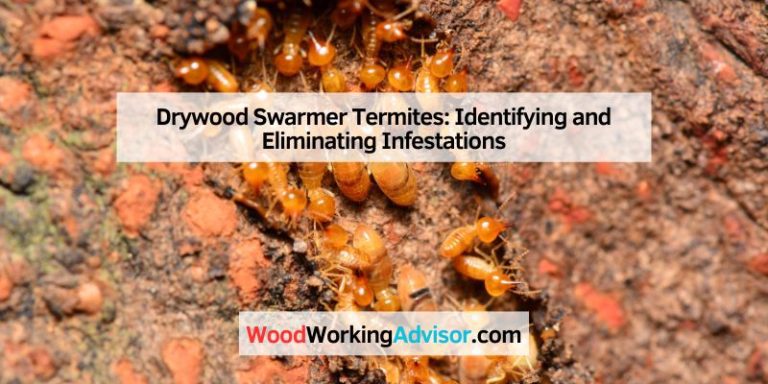
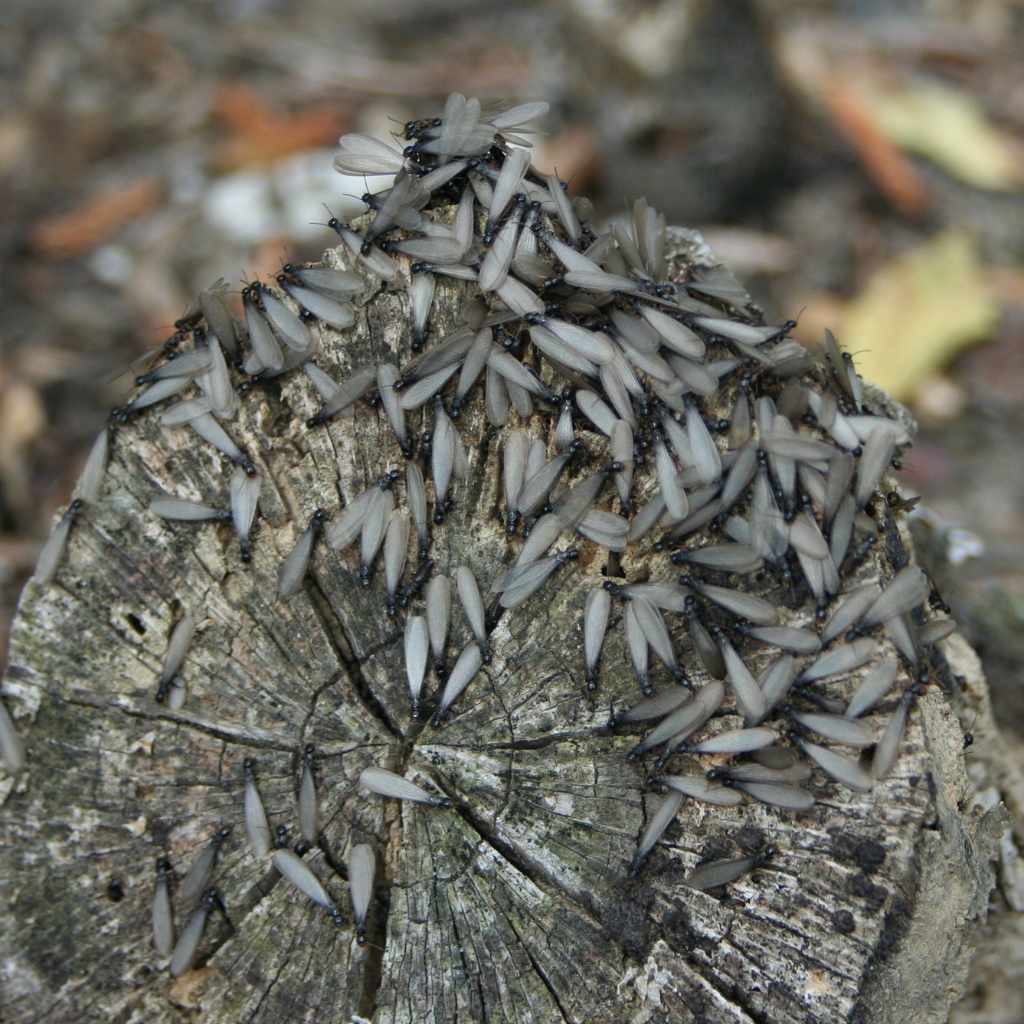
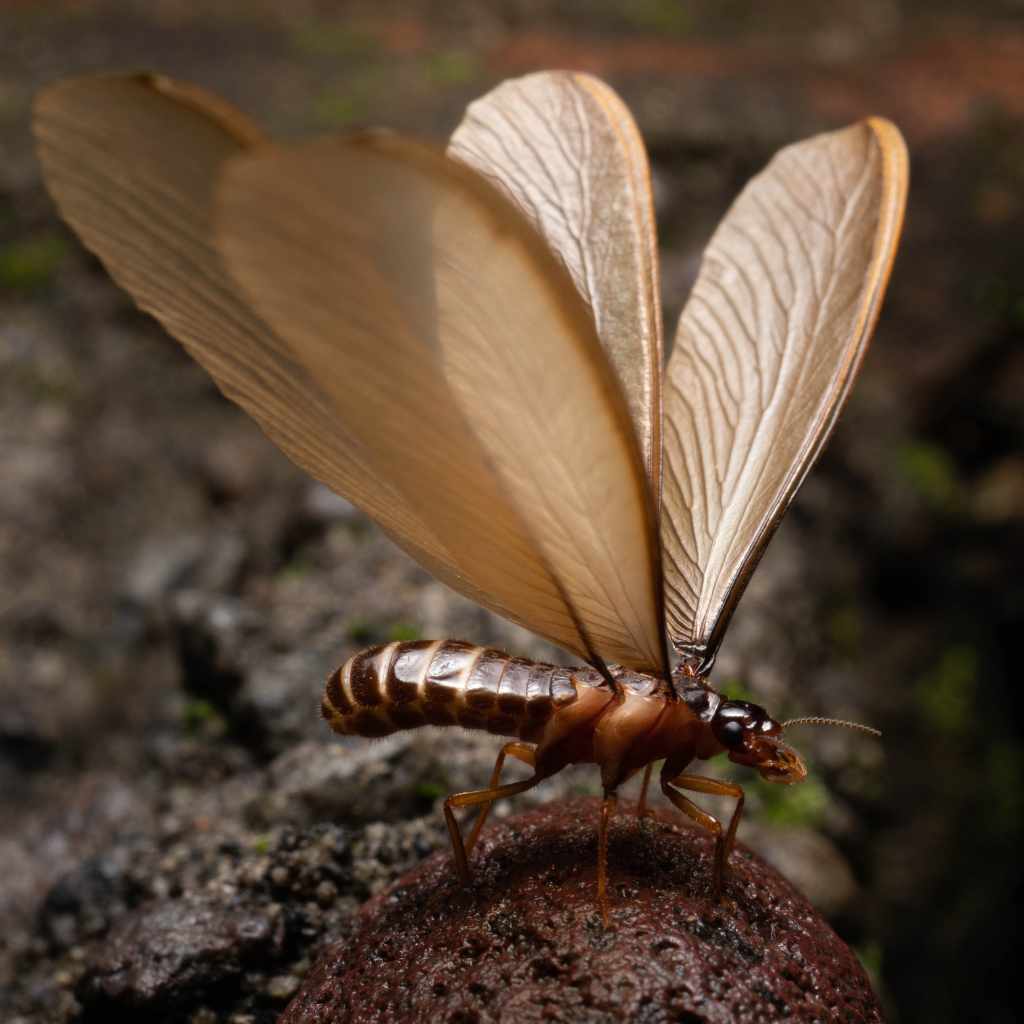
The question of whether flying termites eat wood is a common one, and the direct answer is yes, they do. When people see swarms of termites, often called swarmers or alates, they are typically winged reproductive termites. These are the termites responsible for starting new colonies.
While they don’t spend their entire lives flying, their purpose when they emerge in swarms is to find a mate and a suitable location to begin a new colony, which almost always involves wood.
The winged termites you see are essentially the scouts and founders of future termite populations. They are driven by instinct to locate a place where they can establish a nest and where food, which is primarily cellulose found in wood, is abundant. This is why observing a swarm can be an early warning sign of a potential termite problem.
Understanding this fundamental behavior is key to identifying and addressing termite issues before they become severe.
Understanding Termite Swarms
Termite swarms are a natural part of the termite life cycle. They occur when mature colonies send out winged reproductives to establish new colonies. These swarms are usually triggered by environmental conditions, such as warmth and moisture, often after rain.
The swarmers are looking for a new place to build a nest.
When these winged termites land, they shed their wings, which is often a tell-tale sign they have found a suitable spot. This location is typically a place with access to moisture and, most importantly, a food source. For most termite species, that food source is wood or other cellulose-containing materials.
The shed wings can be found near windowsills, doors, or on the ground, indicating where the swarmers have landed and begun their search.
The Role of Winged Termites
- Winged termites, also known as alates or swarmers, are the reproductive members of a termite colony. Their primary role is to disperse from the parent colony to mate and start new colonies. They are equipped with wings to fly away from overcrowded nest sites and find new territories.
- These winged individuals are not the primary wood consumers like the worker termites. However, their very existence and purpose are tied to finding environments rich in wood for future colony sustenance. Without the swarmers finding suitable locations, new colonies would not be established.
- The swarm itself is a critical phase for the survival and propagation of the species. Observing a swarm should be taken seriously as it signals the potential presence of an established colony nearby, and the start of new ones.
The Lifecycle Connection to Wood Consumption
The journey of a termite begins with a swarm. Once the winged termites have successfully mated and shed their wings, they will search for a damp, dark place, ideally with access to wood. This is where the worker termites, which hatch from the eggs laid by the queen, will eventually begin their crucial work of consuming wood.
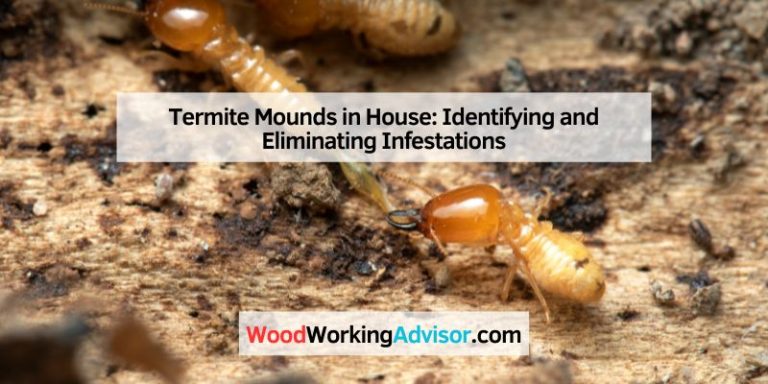
Worker termites are the ones you typically don’t see but are responsible for the damage. They are blind and sterile, and their sole purpose is to forage for food, build tunnels, and care for the young and the queen. Their diet consists almost exclusively of cellulose, which they extract from wood, paper, and other plant-based materials.
So, while the flying termites initiate the colony, it’s the workers that are the main “eaters” of wood.
From Swarm to Colony
- A swarm of winged termites emerges from an established colony, often during specific times of the year.
- These winged termites fly to find mates and a suitable location to start a new colony.
- Upon landing, they shed their wings and form a pair. This pair will then seek out a protected, moist environment with access to a food source, like soil and decaying wood.
- The mated pair, now the king and queen of the new colony, will begin laying eggs.
- The first eggs hatch into worker termites, who then begin foraging for food (wood) and expanding the nest.
The Difference Between Flying Termites and Wood Damage
It’s important to distinguish between seeing flying termites and finding evidence of wood damage. While the flying termites are the precursors to wood consumption, they are not the ones actively chewing through your house beams or furniture during their swarming phase. Their immediate task is reproduction and colony establishment, not demolition.
The actual wood damage is caused by the worker termites that emerge later. These workers are dedicated to feeding the colony, and their feeding habits can be devastating to wooden structures. Recognizing this distinction helps in understanding the termite life cycle and the potential threat they pose.
Seeing swarmers is a warning sign that wood-consuming termites may be present or about to establish themselves.
Identifying Signs of Termite Activity
There are several tell-tale signs that indicate termites, including the damage they cause, might be present in your home. One of the most obvious signs is the presence of discarded wings. After swarming, termites shed their wings, and you might find piles of these tiny, translucent wings near windows, doors, or light sources.
These wings are a strong indicator that termites have landed and are starting a new colony.
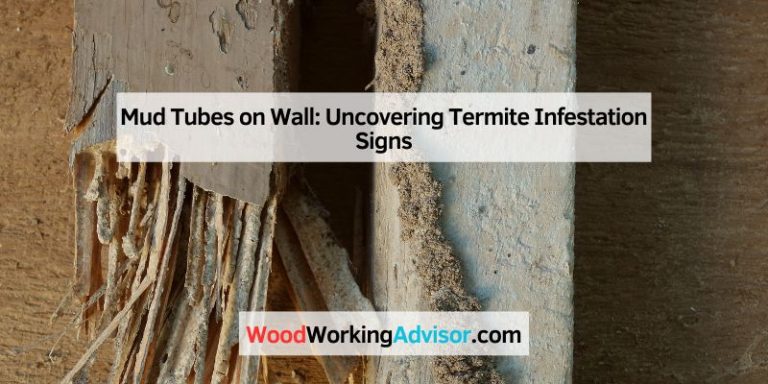
Another sign is mud tubes. Termites, especially subterranean termites, build these mud highways to travel between their underground nests and wooden food sources. These tubes are usually found on foundation walls, in crawl spaces, or other sheltered areas.
They are made of soil, wood particles, and termite saliva. If you see these tubes, it’s a clear indication of termite presence and their active foraging.
Common Indicators of Termite Infestation
- Discarded wings: As mentioned, finding piles of small, translucent wings is a significant clue that termites have recently swarmed and are attempting to establish a colony.
- Mud tubes: These pencil-sized tunnels are constructed by subterranean termites to protect themselves from dry air and predators as they travel between their nest and food sources. They are usually found on foundation walls or other structural elements.
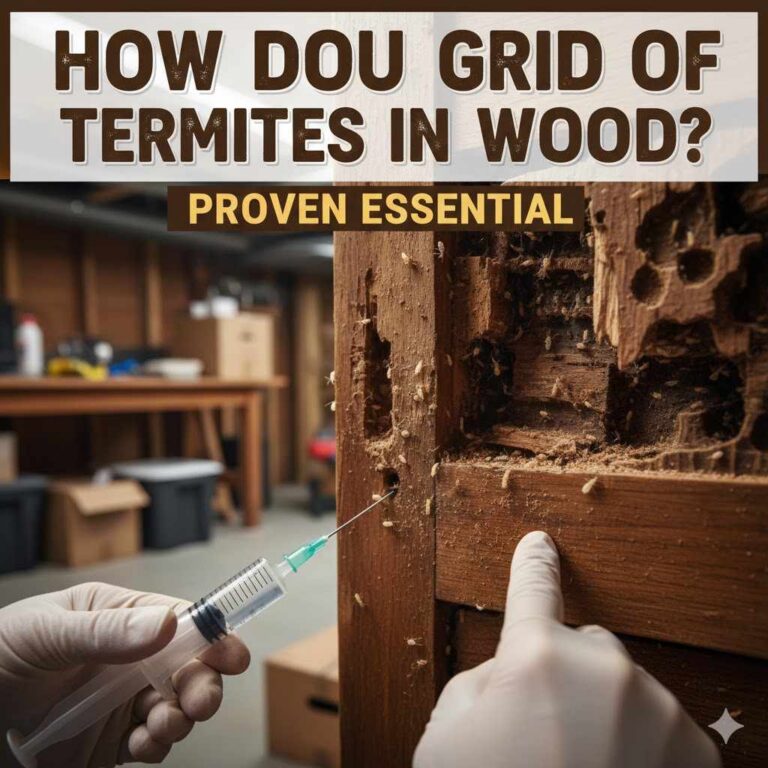
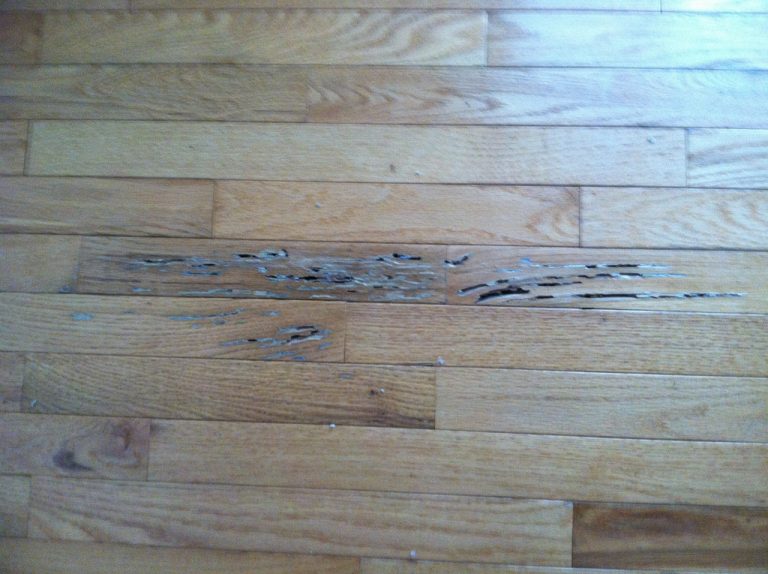
- Wood damage: Look for hollow-sounding wood, buckling floorboards, or small holes in drywall. Termites consume wood from the inside out, so visible damage might not appear until the infestation is quite advanced.
- Frass (termite droppings): Drywood termites, a different species, leave behind small, pellet-like droppings called frass, often found near their entry points or within the wood they infest. These droppings are typically dry and can be mistaken for sawdust.
Distinguishing Termite Damage from Other Pests
It can be easy to confuse termite damage with that caused by other wood-destroying insects, such as carpenter ants. However, there are key differences. Carpenter ants excavate galleries in wood to create nests, but they don’t eat the wood; they discard it.
Termites, on the other hand, consume wood as their primary food source.
Termite damage often appears as tunnels or galleries that are filled with soil or mud, especially in the case of subterranean termites. The wood might look eaten away from the inside, leaving a thin veneer of wood or paint. Carpenter ant frass, if present, looks like coarse sawdust with bits of insect parts, whereas drywood termite frass consists of dry, hexagonal pellets.
Understanding these differences is crucial for accurate identification and effective treatment.
Case Study: A homeowner’s discovery
- A homeowner in Florida noticed a swarm of flying insects around their porch lights one evening. They initially dismissed it as a common seasonal bug.
- A few days later, they found small piles of what looked like shed wings on their windowsill near the same porch.
- Concerned, they contacted a pest control professional who inspected the property. The professional confirmed that the swarmers were indeed termites.
- Upon further inspection, the professional found mud tubes leading from the ground to the wooden porch support and discovered soft, hollowed-out sections in the porch’s wooden beams, indicating a significant infestation by subterranean termites. The homeowner learned that the swarmers were the signal for a larger issue already in progress.
The Diet of Termites What They Actually Eat
The core of any termite infestation lies in their diet. Termites are primarily attracted to cellulose, which is a complex carbohydrate found in plant material. This makes wood their absolute favorite food.
They consume wood in all its forms, from the structural timbers of a house to furniture, paper products, and even cardboard boxes.
What’s fascinating is how they digest cellulose. Termites have symbiotic microorganisms living in their gut that help them break down this tough material. Without these microorganisms, termites would not be able to get any nutritional value from wood.
This digestive process is what allows them to thrive and cause extensive damage to wooden structures.
Cellulose The Termite Staple Food
Cellulose is the main component of plant cell walls. It’s what gives plants their structure and rigidity. Termites have evolved to efficiently break down and digest cellulose, making them one of the most significant decomposers of woody material in many ecosystems.
This ability is both their survival mechanism and the reason for their pest status in human environments.
Different species of termites have slightly different preferences and methods for accessing cellulose. For example, subterranean termites will often bring soil and moisture back to their nest, creating a more humid environment that aids digestion and wood breakdown. Drywood termites, on the other hand, live entirely within dry wood and extract all the moisture they need from their food source.
Types of Wood Termites Prefer
- Softwoods: Species like pine, fir, and spruce are generally easier for termites to digest due to their lower density and higher cellulose content compared to hardwoods. This makes them a primary target for many termite infestations.
- Hardwoods: While less preferred than softwoods, hardwoods like oak and maple are still a significant food source for termites, especially if they are decaying or have been softened by moisture.
- Treated wood: Some types of treated lumber can be resistant to termites, but many species can still infest and consume it, especially if the treatment is old or has degraded. Certain chemicals in the wood treatment are designed to deter pests.
- Paper and cardboard: Anything made from wood pulp, such as books, documents, and cardboard boxes, can serve as a food source for termites if left undisturbed. Termites can tunnel through these materials, extracting the cellulose they need.
Beyond Wood What Else Do Termites Eat
While wood is their primary and most damaging food source, termites are not exclusively wood-eaters. Their ability to digest cellulose extends to other materials that contain it. This broadens the scope of what can attract or sustain a termite colony within or around a home.
Understanding these other food sources can help in preventative measures.
Items like paper, cardboard, and even cotton fabrics can be consumed by termites if they lack access to more preferred materials like wood. This means that stored items in basements, attics, or garages that are made of these materials can become targets. In some cases, certain types of insulation that contain paper or plant fibers might also be attractive to termites.
Termite Diet and its Impact on Homes
- Structural wood: This is the most critical and damaging food source, including wall studs, floor joists, roof trusses, and support beams.
- Non-structural wood: This can include wooden trim, baseboards, window frames, doors, and any other wooden elements in a home.
- Paper products: Books, newspapers, wallpaper, and cardboard boxes can be consumed if termites have access to them.
- Cotton and natural fibers: While less common, termites may feed on cotton textiles or other plant-based fabrics if other food sources are scarce.
Preventing Termite Infestations Facts and Strategies
Given that flying termites are the precursors to wood-eating colonies, and that termites consume wood and other cellulose-based materials, prevention is key. A proactive approach can significantly reduce the risk of an infestation and the extensive damage that termites can cause. Understanding common attractants and implementing simple preventative measures can make a big difference.
The goal of prevention is to make your home less appealing and less accessible to termites. This involves managing moisture, eliminating food sources, and creating barriers that make it difficult for termites to reach or establish themselves. Regular inspections are also a vital part of a comprehensive prevention strategy, allowing for early detection.
Moisture Management Key to Prevention
Termites need moisture to survive and thrive. Controlling moisture around your home is one of the most effective ways to prevent an infestation. Leaky pipes, overflowing gutters, poor drainage, and damp basements or crawl spaces create ideal conditions for termites to nest and feed.
Addressing these moisture issues promptly can make your property significantly less attractive to termites. This includes ensuring that your roof and foundation are properly sealed, that all plumbing is in good repair, and that rainwater is directed away from your home’s foundation. Regularly checking for and repairing any leaks is a simple yet crucial step.
Practical Moisture Control Tips
- Ensure proper grading: The ground around your foundation should slope away from the house to direct rainwater and melted snow away from the structure.
- Clean gutters and downspouts: Clogged gutters can cause water to pool and seep into the foundation, creating moisture problems. Ensure they are regularly cleared and that downspouts extend several feet from the house.
- Ventilate crawl spaces and basements: Proper ventilation helps to reduce humidity levels in these areas, making them less hospitable to termites.
- Fix leaks promptly: Any plumbing leaks, roof leaks, or appliance leaks should be repaired immediately to prevent excess moisture from accumulating.
- Avoid direct wood-to-ground contact: Ensure that any wooden structures, such as decks or fences, do not touch the soil. Maintain a gap of at least a few inches.
Eliminating Food Sources
Since termites are attracted to cellulose, removing potential food sources around your home is a critical preventative measure. This means keeping wooden debris, firewood, and other cellulose-containing materials away from your foundation. Stacking firewood directly against the house is a common mistake that invites termites.
Also, be mindful of cardboard boxes and paper products stored in basements or garages, as these can also serve as a food source. Regularly clearing out clutter and storing items off the floor can help. Even dead trees and stumps close to the house can provide an entry point and sustenance for termites.
Keeping Your Property Termite-Resistant
- Store firewood at least 20 feet away from your house and at least 5 inches off the ground.
- Remove old tree stumps and dead trees from your yard, especially those close to your home’s foundation.
- Regularly inspect stored items like old newspapers, books, and cardboard boxes for signs of activity.
- Trim trees and shrubs so their branches do not touch your house, as they can act as bridges for termites.
- Seal any cracks or openings in your foundation and walls where termites could enter.
Professional Termite Inspections and Treatments
Even with the best preventative measures, professional inspections are highly recommended. Termite inspections by qualified pest control professionals can identify early signs of infestation that homeowners might miss. They have the expertise and tools to detect hidden termite activity.
If an infestation is detected, professional treatment is often necessary. There are various treatment methods available, including liquid barrier treatments around the foundation, baiting systems, and direct wood treatments. The best approach often depends on the type of termite and the extent of the infestation.
Regular professional inspections, usually annually, are crucial for long-term protection and early detection.
When to Call the Experts
- If you see a swarm of flying insects that you suspect are termites, especially if you find shed wings.
- If you discover mud tubes on your foundation walls, in crawl spaces, or on wooden structures.
- If you notice any signs of wood damage, such as hollow-sounding wood or buckling surfaces.
- If you have a history of termite problems in your area or on your property.
- As part of a regular home maintenance schedule, even if you don’t see obvious signs.
Do Flying Termites Eat Wood? Facts You Should Know Explained
To recap, the question “Do Flying Termites Eat Wood? Facts You Should Know” is important for homeowners. Flying termites, also known as swarmers or alates, are the reproductive members of a colony whose main purpose is to establish new colonies.
While these winged termites do not actively eat wood during their swarming phase, their mission is to find a location where their offspring, the worker termites, can feed on wood.
Worker termites are the ones that consume wood cellulose, which is essential for their survival and for feeding the entire colony. They are responsible for the structural damage that termites cause. Therefore, seeing flying termites is a critical warning sign that a termite colony is nearby and is actively looking to expand, and that wood-eating workers will soon follow if a suitable environment is found.
Understanding this connection is vital for effective pest management. By implementing moisture control strategies, eliminating food sources like wood debris, and conducting regular inspections, homeowners can significantly reduce the risk of infestation. Knowing the signs, such as mud tubes and discarded wings, allows for early detection, and when necessary, seeking professional help is the best course of action to protect your home from these persistent pests.
Frequently Asked Questions
Question: Are flying termites dangerous to people
Answer: Flying termites themselves are not dangerous to people. They do not bite or sting, and they do not spread diseases. Their danger lies in their ability to start new colonies that, when mature, will have worker termites that consume wood, potentially causing structural damage to homes.
Question: How long do flying termites live
Answer: Flying termites, or swarmers, have a relatively short lifespan once they leave the nest. They typically live for only a few weeks to a couple of months. Their primary purpose is to mate and start a new colony; if they fail to do so, they will perish.
Question: Can I kill flying termites myself
Answer: You can kill individual flying termites you see, but this will not solve an infestation. The real problem is the colony they came from and the potential new colonies they aim to establish. It’s more effective to focus on preventing them from starting new colonies and addressing any existing infestations with professional help.
Question: Do all flying termites eat wood
Answer: All termites, regardless of whether they are flying swarmers or workers, require cellulose for sustenance. However, it is the worker termites that are primarily responsible for the actual consumption and digestion of wood. Flying termites are the reproductive stage tasked with finding new locations for these wood-eating workers to establish themselves.
Question: What is the difference between termite swarmers and ants
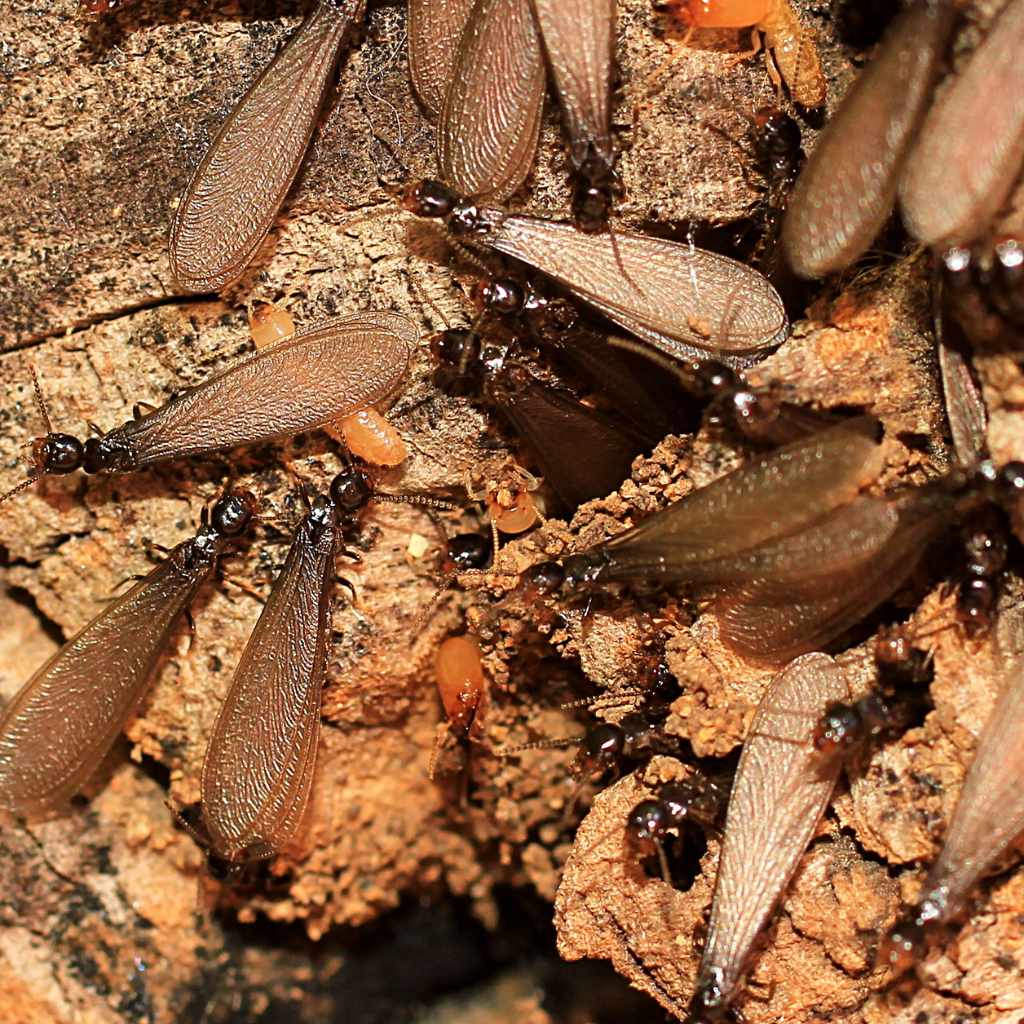
Answer: Termite swarmers and winged ants can look similar, but they have key differences. Termite swarmers have straight antennae, a thick waist, and two pairs of wings of equal size. Winged ants have elbowed antennae, a constricted waist, and their front wings are larger than their hind wings.
Seeing swarmers is a sign of termites, not ants.
Final Thoughts
It’s clear that flying termites play a crucial role in the termite life cycle by initiating new colonies, and while they don’t directly eat wood themselves during swarming, their purpose is intrinsically linked to wood consumption by future generations. Recognizing the signs of a swarm, such as discarded wings, is a critical first step for any homeowner. This swarm is an alert system, signaling the potential for established colonies and the need to investigate further.
Understanding that the actual wood damage is caused by worker termites highlights the importance of a comprehensive approach to pest management. Focusing on prevention, particularly managing moisture and removing potential food sources like wood debris around your property, can significantly deter termites. Creating barriers and keeping your home in good repair are also vital.
Don’t hesitate to seek professional help if you suspect an infestation. Regular inspections by experts can catch problems early, saving you from extensive and costly damage. Taking proactive steps ensures the safety and integrity of your home against these persistent pests.