Is Black Walnut Good Firewood? Pros And Cons Guide
What Is Black Walnut Firewood?
Black walnut wood comes from the black walnut tree. This tree is famous for its dark, rich wood. Furniture makers love it.
It’s strong and looks beautiful. But what about burning it? That’s a different story.
Not all wood is the same for burning. Some woods make lots of sparks. Others can clog up your chimney.
Black walnut firewood is known for being dense. This means it weighs a lot for its size. This density often means it burns hot.
But there are other things to think about too.
The tree itself grows tall and wide. It often has a thick trunk. This trunk is where the best wood comes from.
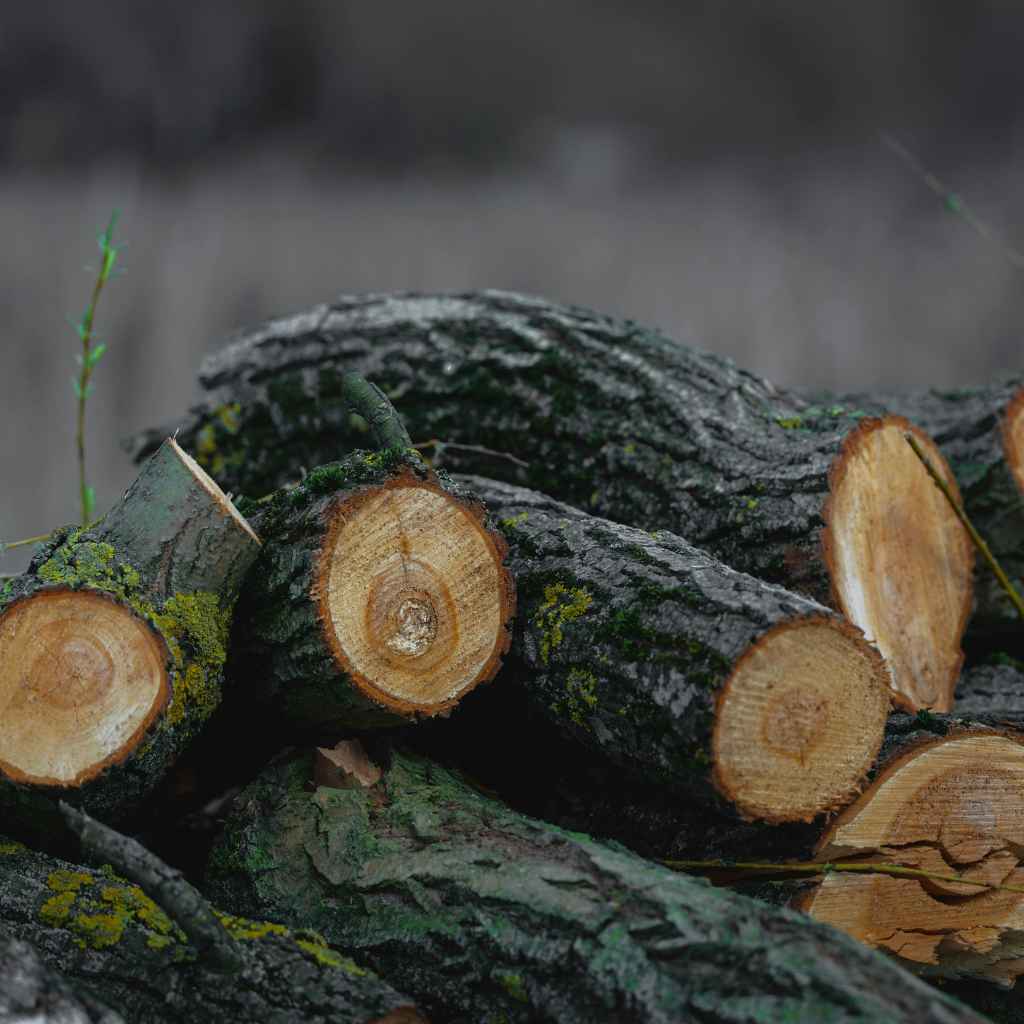
The bark is rough and dark. The leaves are compound, meaning they have many smaller leaves on one stem. It’s a tree you can spot easily in many parts of the United States.
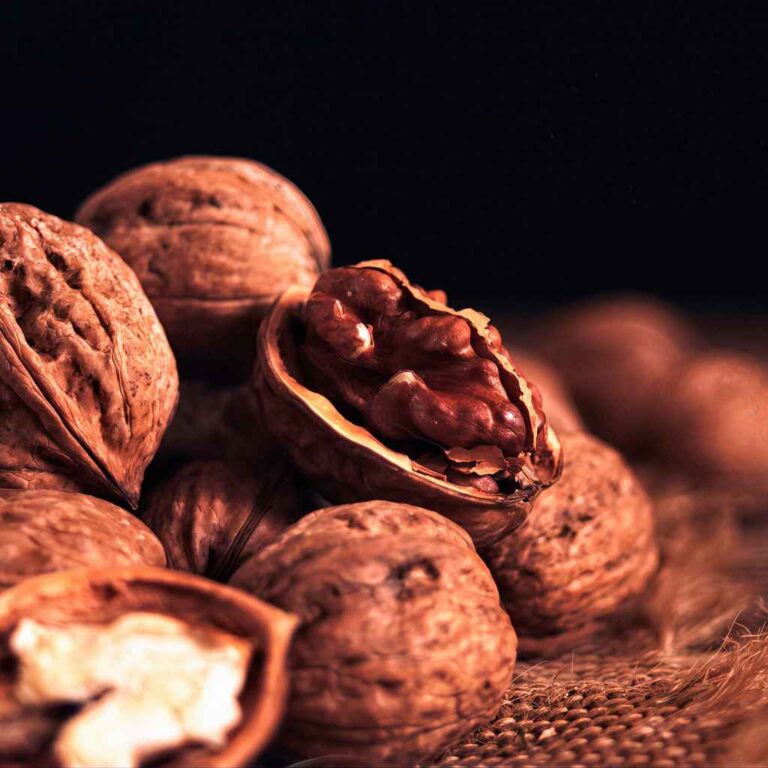
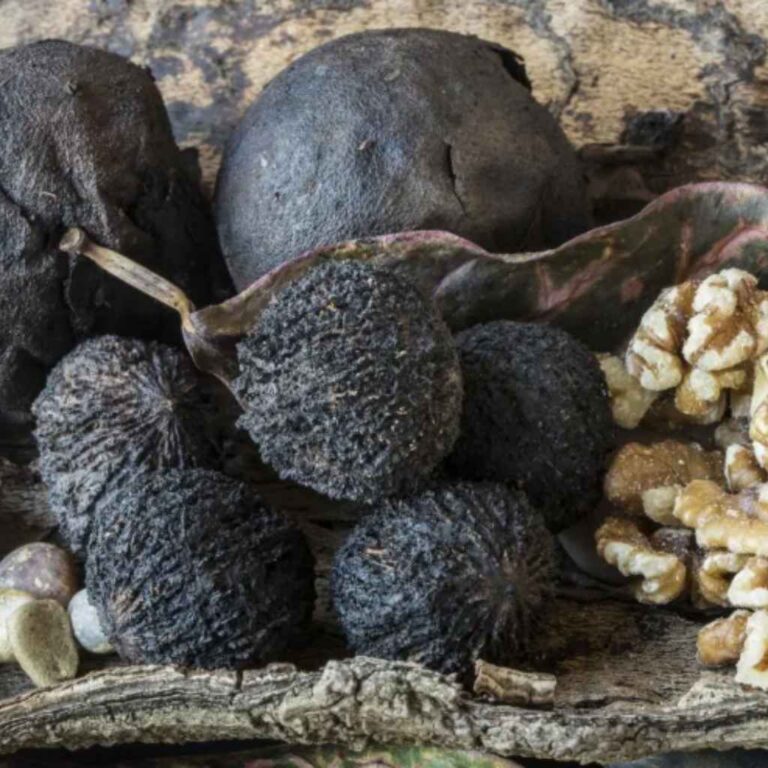
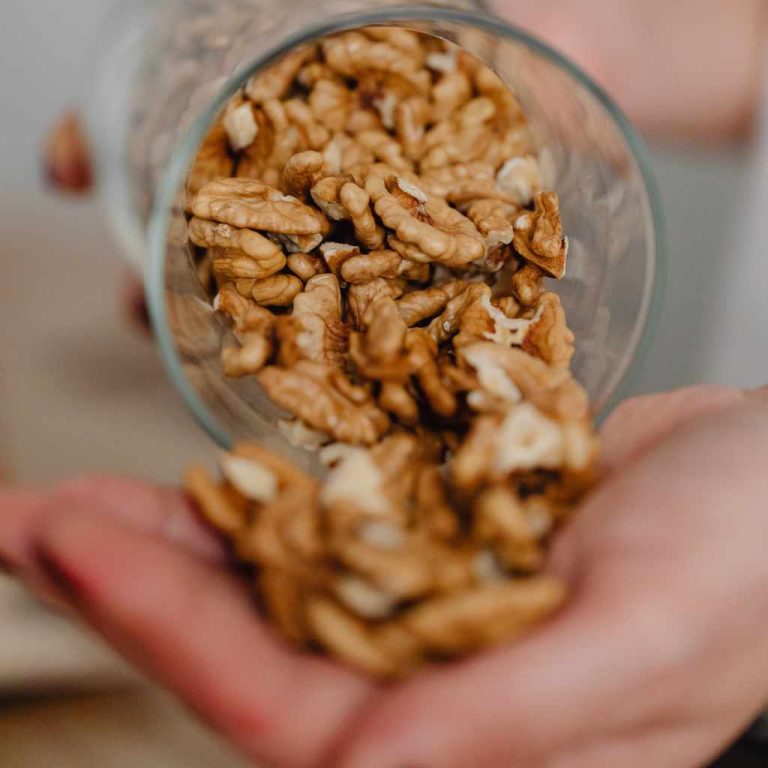
The nuts it produces are also well-known. They have a hard shell and a tasty kernel inside. But for burning, we focus on the wood itself.
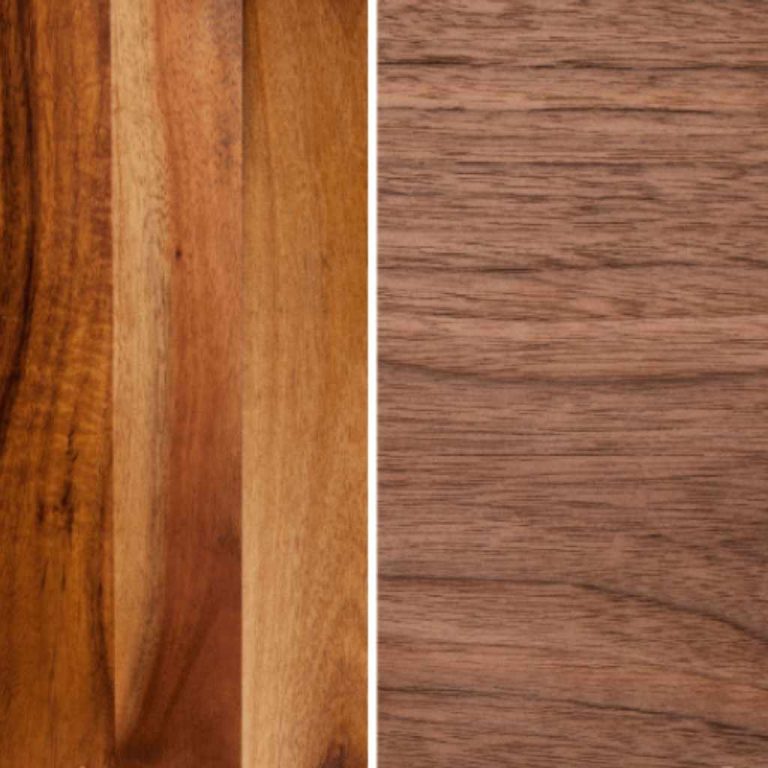
Its color can range from light brown to deep chocolate. This rich color is a hint at its density.
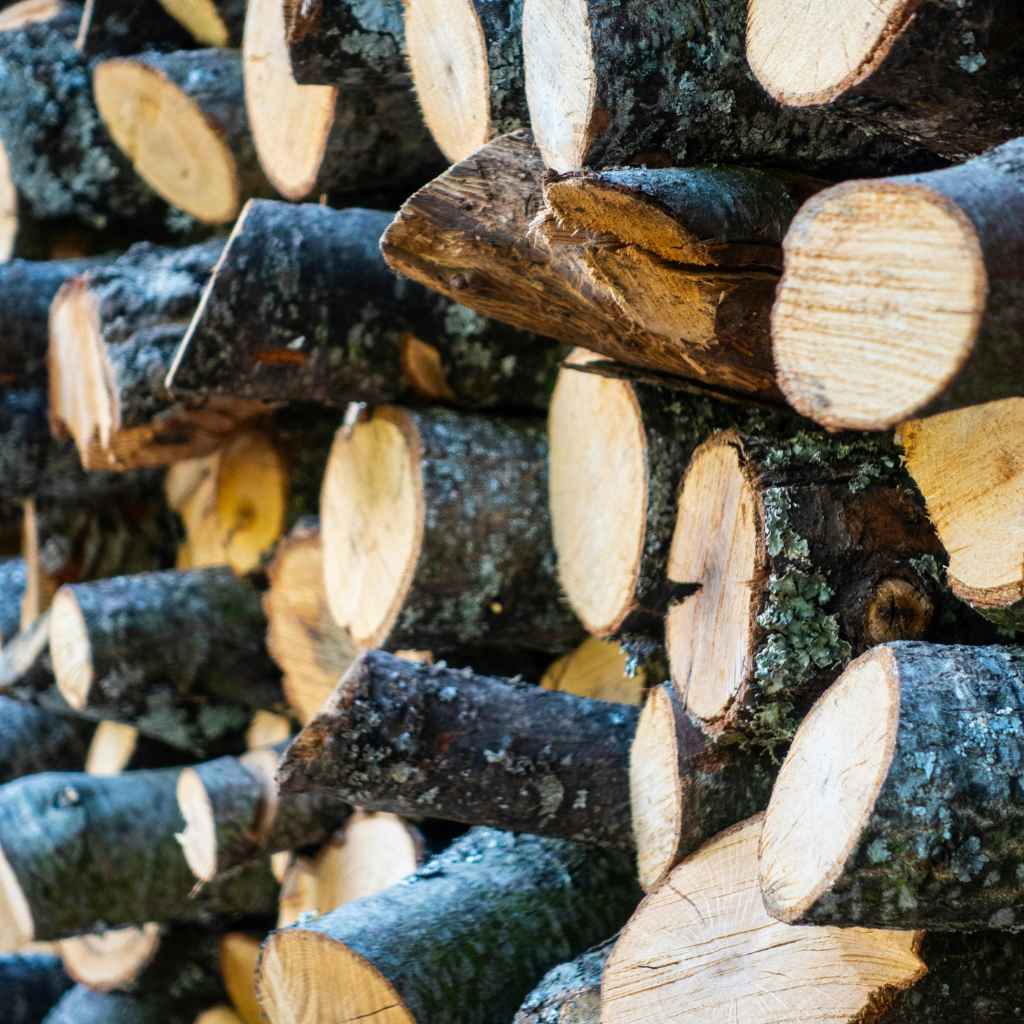
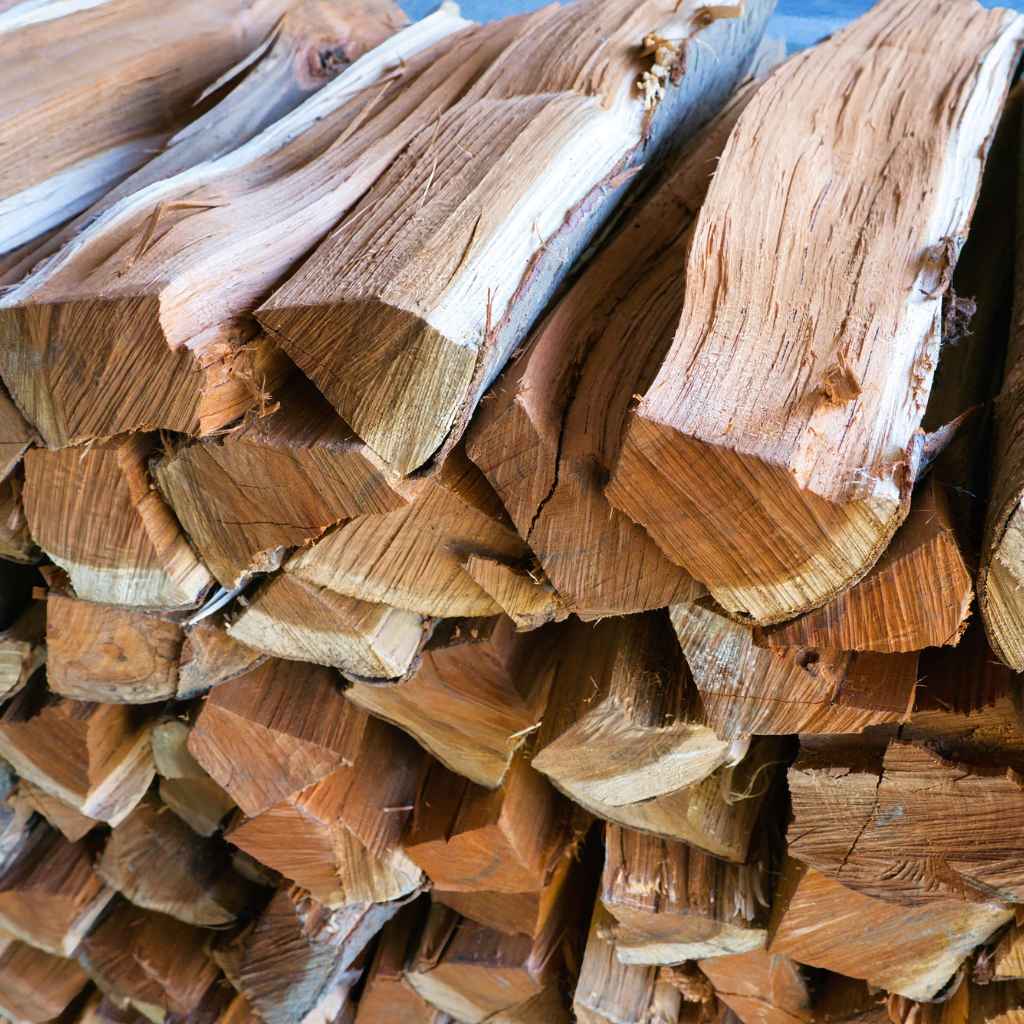
When you get black walnut for firewood, it’s usually split into logs. These logs need to be seasoned. Seasoning means letting the wood dry out over time.
This takes away the water. Wet wood burns poorly. It makes a lot of smoke.
It doesn’t produce much heat. Seasoned wood is key for any firewood. Black walnut is no different.
You’ll want to make sure it’s been drying for at least six months. A year is even better. It should have a pleasant, dry scent, not a damp or moldy one.
The ends of the logs might have cracks. This is a good sign of seasoning. Tap two logs together.
They should make a clear, sharp sound, not a dull thud.
My Own Black Walnut Firewood Experience
I remember the first time I stacked a load of black walnut. It was a chilly fall day. I had just bought some firewood from a local supplier.
He told me he had some “premium” wood. When it arrived, the logs were heavy. Really heavy.
I remember thinking, “Wow, this is going to burn forever.” I’d been using oak and maple before. They were good, but this walnut felt different. It had a deep, dark color.
It smelled clean, not like damp earth.
That evening, I threw a few logs into my wood stove. I was a bit nervous. I’d heard that some hardwoods could be tricky.
The fire caught quickly. Soon, a good heat was coming from the stove. The flames were steady.
They didn’t dance around too much. What struck me most was how long the logs lasted. I usually had to add wood every couple of hours.
With the black walnut, I stretched that time. It felt like the logs just kept on glowing. There wasn’t a lot of popping or hissing.
It was a calm, steady burn. That felt really good on a cold night. It meant less fuss and more consistent warmth.
I definitely felt like I had a good thing going. The room felt cozy and warm. It was a night of great comfort.
This experience made me a big fan of black walnut for burning.
Black Walnut Firewood At a Glance
Wood Type: Dense Hardwood
Heat Output: High
Burn Time: Long
Ash Production: Moderate
Smoke: Can be moderate if not seasoned well
Ease of Splitting: Moderate to Difficult
The Good Things About Black Walnut Firewood (Pros)
Black walnut firewood has several great qualities. These make it a sought-after fuel. One of the biggest benefits is its dense heat.
Because the wood is so dense, it packs a lot of energy. This energy is released as heat when the wood burns. This means you get a lot of warmth from each log.
It’s a very efficient way to heat your home. You won’t need to feed the fire as often as you might with lighter woods.
Another big plus is the long burn time. Dense wood burns slowly. This is because it takes more heat to break down.
The wood fibers are packed tightly. This slow, steady burn is perfect for keeping a room warm all night. You can load your stove before bed.
You might wake up to warm embers. This reduces the need to get up and add wood. It also means fewer trips to the woodpile.
For many people, this is a huge convenience. Imagine waking up to a warm house on a cold morning. That’s what good, dense firewood can do.
Black walnut also tends to produce less creosote if it’s properly seasoned. Creosote is a sticky black tar that builds up in chimneys. It’s a fire hazard.
It can lead to chimney fires. Dense hardwoods, when seasoned well, burn hotter and cleaner. This means less of that tar-like substance forms.
However, this is very dependent on the wood’s dryness. If it’s not seasoned enough, it can still cause problems.
The ash produced by black walnut is generally fine and powdery. This makes it easier to clean out of your stove or fireplace. It doesn’t tend to form hard clinkers.
Clinkers are chunks of ash that can clog the grates of a stove. Fine ash is less of a chore to manage. It also means more of the wood’s energy is going into heat, not into forming hard ash deposits.
Finally, there’s the pleasant aroma. Some people find that burning seasoned black walnut produces a mild, pleasing scent. It’s not overwhelming.
It’s just a subtle hint of the wood’s natural character. This can add to the cozy atmosphere of a room. It’s a subtle benefit, but one that adds to the overall experience.
Quick Pro List: Black Walnut
- High Heat Output: Packs lots of warmth.
- Long Burn Time: Stays hot for hours.
- Less Creosote (if seasoned): Cleaner burning for your chimney.
- Fine Ash: Easy to clean up.
- Pleasant Smell: Adds to the cozy feel.
The Not-So-Good Things About Black Walnut Firewood (Cons)
While black walnut has many good points, it’s not perfect. There are a few drawbacks to consider. One of the main issues is that it can be hard to split.
Black walnut wood is very dense. This density makes it tough to break apart with an axe. It often has interlocking grain.
This means the wood fibers grow in many directions. This makes it twist and resist splitting. It can take more effort and a sharper axe to split.
For some people, this is a dealbreaker. They might prefer woods that split easily, like softer maples or aspens.
Another point is that it can be a smoky wood if not seasoned properly. Remember how I mentioned less creosote if seasoned well? Well, the opposite is also true.
If black walnut firewood has too much moisture, it will create a lot of smoke. This smoke can be thick and unpleasant. It can also contribute to creosote buildup.
So, the seasoning process is extra important for this wood. You must be patient and let it dry thoroughly. This means storing it in a dry, airy place for at least six months, and preferably a year.
Black walnut can also be harder to find. It’s not as common as some other hardwoods like oak or maple. This is because the tree is highly valued for its lumber.
Many trees are cut down for furniture, not firewood. So, you might have to search a bit to find a supplier. This can also make it more expensive.
If it’s harder to get, suppliers will charge more for it. You might need to know a local farmer or arborist who cuts down walnut trees.
The weight of the wood can also be a con. While it means good heat, it also means heavy logs. Lifting and stacking heavy logs can be hard work.
It’s physically demanding. If you have back problems or aren’t strong, moving large amounts of black walnut firewood can be a challenge. You might need help from others or a good wood cart.
Finally, while the ash is usually fine, there can still be a moderate amount of ash. While not as bad as some other woods, you will still need to clean out your stove regularly. It’s not a completely ash-free wood.
You’ll still have some residue to deal with. It’s just something to keep in mind when planning your firewood chores.
Potential Downsides: Black Walnut
- Hard to Split: Dense wood needs extra effort.
- Smoky (if wet): Needs thorough seasoning.
- Harder to Find: Not as common as other hardwoods.
- Heavy Logs: Can be physically demanding to handle.
- Moderate Ash: Still requires regular cleaning.
How Black Walnut Firewood Compares
Let’s put black walnut firewood in perspective. How does it stack up against other popular firewood types? This comparison helps you make the best choice for your home.
| Wood Type | Heat Output (BTU/cord) | Burn Time | Ease of Splitting | Notes |
|---|---|---|---|---|
| Black Walnut | High (approx. 26-30 million BTU) | Long | Difficult | Dense, can be smoky if wet. |
| Oak (White/Red) | High (approx. 24-29 million BTU) | Long | Moderate | Very popular, consistent heat. |
| Maple (Sugar/Red) | Medium-High (approx. 20-24 million BTU) | Medium-Long | Moderate | Good all-around firewood. |
| Ash | Medium-High (approx. 20-24 million BTU) | Medium | Easy | Burns well even when not fully seasoned. |
| Pine/Fir | Low (approx. 15-18 million BTU) | Short | Very Easy | Burns fast, good for kindling, can spark. |
As you can see, black walnut firewood is up there with oak for heat output. It burns longer than maple and ash. However, it’s harder to split than any of them.
Softwoods like pine burn quickly. They don’t produce as much heat per cord. They are good for starting fires but not for long-lasting heat.
Oak is often considered the gold standard. It has high heat and a long burn. It’s also easier to split than walnut.
Maple is a close second. Ash is great because it burns well even if it’s a bit wet. This is a big advantage for people who might not have perfect drying conditions.
But when you want the absolute best heat and longest burn from a hardwood, black walnut is a strong contender. You just have to be prepared for the extra work in splitting it.
What This Means for Your Fireplace or Wood Stove
Knowing the pros and cons of black walnut firewood helps you decide if it’s right for you. Think about your own situation. Do you have a wood stove that needs to stay hot all night?
Or a fi
Consider the effort involved. Are you someone who enjoys the physical work of splitting wood? Or do you prefer to buy it already split?
If you buy it split, you might pay a bit more. Or you might need to hire someone to split it for you. The weight is also a factor.
If you have trouble lifting heavy things, stacking black walnut might be a challenge. You might need to get smaller logs or have help.
Seasoning is crucial. If you buy black walnut firewood, ask about how long it has been seasoned. If you cut it yourself, plan for the drying time.
Good seasoning means less smoke. It means more heat. It also means a safer chimney.
A poorly seasoned log is a recipe for problems. You’ll get a smoky room and potentially dangerous buildup in your chimney.
Is Black Walnut Right For You? Quick Check:
YES, if:
- You want maximum heat from your wood.
- You need logs that burn for a long time.
- You have the strength or tools to split dense wood.
- You have space and time to season wood properly.
- You can find a reliable source for it.
MAYBE NOT, if:
- You prefer wood that splits easily.
- You have very limited drying time or space.
- You want firewood that is easy to find everywhere.
- You have physical limitations that make heavy lifting difficult.
- You prefer a wood that requires less effort in preparation.
For many homeowners, the high heat and long burn time make black walnut worth the effort. It’s a premium firewood. It gives premium results.
Just be realistic about the work involved. It’s a rewarding wood to burn, but it demands respect.
Tips for Burning Black Walnut Firewood
Once you have your seasoned black walnut firewood, there are a few things you can do to get the most out of it. These simple tips will help you have a better fire experience.
Ensure it’s Properly Seasoned: This can’t be stressed enough. Stack your wood in a place that gets good air circulation. Cover the top to protect it from rain.
Let it dry for at least six months, but a year is ideal. The moisture content should be below 20%. You can test this with a moisture meter.
It’s a small, inexpensive tool.
Start with Kindling and Smaller Pieces: Don’t just throw a big black walnut log on a cold stove. Start your fire with small, dry kindling. Then add slightly larger pieces of softwood or well-seasoned hardwood.
Build up a good bed of hot coals first. This ensures the larger, denser walnut logs will catch and burn efficiently. A hot base is key.
Load Your Stove Appropriately: Don’t overfill your wood stove. Overfilling can reduce air flow. This can lead to incomplete burning and more smoke.
For black walnut, you want good air flow to get a hot, clean burn. Follow your stove’s manual for loading recommendations. Place logs so air can move between them.
Manage Air Controls: Your wood stove has air vents. These control how much oxygen gets to the fire. For black walnut, you’ll want to experiment with these controls.
Start with more air when you first load the wood to get it burning well. Once it’s established, you can reduce the air slightly to make it burn longer. But don’t close it off too much.
You still need enough air for a hot, efficient burn.
Regular Chimney Cleaning: Even with well-seasoned black walnut, creosote can build up over time. It’s good practice to have your chimney inspected and cleaned at least once a year. This is especially important if you burn a lot of wood or if you’ve noticed any signs of buildup.
A clean chimney is a safe chimney.
Top Burning Tips for Black Walnut:
- Seasoning is King: Aim for below 20% moisture.
- Build a Hot Base: Use kindling and smaller wood first.
- Proper Loading: Don’t pack the stove too full.
- Control Air Flow: Adjust vents for optimal burning.
- Clean Your Chimney: Annual maintenance is a must.
By following these tips, you can enjoy the benefits of black walnut firewood. You’ll get maximum heat and a long burn. Plus, you’ll keep your heating system running safely and efficiently.
It’s all about understanding the wood and using it correctly.
When is Black Walnut Firewood NOT a Good Idea?
While black walnut is a fantastic firewood, there are specific times or situations where it might not be the best choice. Understanding these exceptions will help you avoid problems and make informed decisions about your heating fuel.
If You Cannot Season It Properly: This is the biggest one. If you get a load of green (unseasoned) black walnut and you don’t have the space, time, or knowledge to season it for at least six months to a year, don’t burn it. Burning wet wood creates excessive smoke.
It leads to a weak, sputtering fire. It causes dangerous creosote buildup in your chimney. This can cause a chimney fire.
If you can’t guarantee proper seasoning, choose a different wood type.
If You Have a Very Old or Poorly Maintained Chimney: Black walnut’s density means it burns hot and long. If your chimney has existing cracks or damage, the intense heat could worsen the problem. Also, if your chimney has a lot of existing creosote, a hot burn can ignite that creosote.
Always ensure your chimney is in good repair and clean before burning dense hardwoods.
If You Have a Very Small or Inefficient Stove: Some older or smaller wood stoves might not be designed to handle the intense heat of dense hardwoods like black walnut. They might overheat, potentially causing damage. Or they might not be able to burn the wood efficiently.
This would lead to wasted fuel and incomplete combustion. Always check your stove’s manual for recommended wood types.
If Smoke is a Major Concern for Your Neighbors: While seasoned black walnut burns relatively cleanly, any wood can produce smoke. If you live in a densely populated area where smoke complaints are common, or if you have neighbors who are sensitive to smoke, you might want to consider a wood that is known for being virtually smokeless when seasoned, or stick to shorter burning times. However, with proper seasoning and stove operation, black walnut is usually not an excessive smoke producer.
If Physical Labor is a Significant Challenge: As mentioned, black walnut is heavy and hard to split. If you have significant physical limitations, the effort required to prepare and handle black walnut firewood might be too much. In such cases, lighter woods or buying pre-processed firewood might be a better option.
You could also look into processed firewood pellets, which are easy to handle.
When to Avoid Black Walnut Firewood:
- Poor Seasoning: If the wood is wet.
- Damaged Chimney: If your flue is old or has issues.
- Inadequate Stove: If your stove isn’t built for dense hardwoods.
- Sensitive Neighbors: If smoke is a big issue.
- Physical Limitations: If splitting and lifting are too hard.
By considering these factors, you can make sure black walnut firewood is the right choice for your home and your specific needs. It’s a great fuel, but not for every single situation.
Frequently Asked Questions About Black Walnut Firewood
How long does black walnut firewood take to season?
Black walnut firewood needs at least six months to season. A full year is even better for this dense wood. Proper seasoning means the moisture content is below 20%.
This is key for a clean, hot burn and less smoke.
Is black walnut firewood more expensive than other woods?
Yes, black walnut firewood can be more expensive. This is because the tree is highly valued for its lumber. It’s also not as commonly available as oak or maple.
If you can find it, expect to pay a premium price.
Does black walnut produce a lot of ash?
Black walnut typically produces a moderate amount of ash. This ash is usually fine and powdery. It’s easier to clean out than hard clinkers.
So, while you’ll still need to clean your stove, it’s generally manageable.
Can I burn black walnut in my fireplace insert?
Yes, you can burn seasoned black walnut in a fireplace insert. However, make sure your insert is rated for dense hardwoods. Also, ensure the wood is well-seasoned.
This will give you the best heat and a clean burn. Check your insert’s manual for guidance.
What is the BTU rating of black walnut firewood?
Black walnut firewood has a high BTU rating. It’s typically around 26 to 30 million BTUs per cord. This means it produces a lot of heat.
It’s comparable to good quality oak firewood in terms of energy content.
Is it safe to burn black walnut if it’s not fully seasoned?
No, it is not safe to burn black walnut if it’s not fully seasoned. Burning wet wood produces a lot of smoke. This smoke contains creosote.
Creosote can build up in your chimney. This is a major fire hazard. Always ensure your wood is dry before burning it.
Conclusion
Black walnut firewood is a superior choice for many reasons. Its ability to provide intense heat and burn for extended periods makes it a valuable fuel. While it demands more effort in preparation due to its density, the rewards of a warm, long-lasting fire are often well worth it.
Remember that proper seasoning is paramount for a clean and efficient burn. By understanding its characteristics and following best practices, you can confidently use black walnut to heat your home effectively and enjoy the cozy ambiance it provides.