How To Crack A Black Walnut Easily (Step-By-Step)
Cracking black walnuts is easier than you think with the right approach. This guide offers simple, step-by-step methods to open them efficiently, saving you time and frustration. Learn the best tools and techniques to access the delicious nutmeat inside your tough black walnuts.
What Are Black Walnuts?
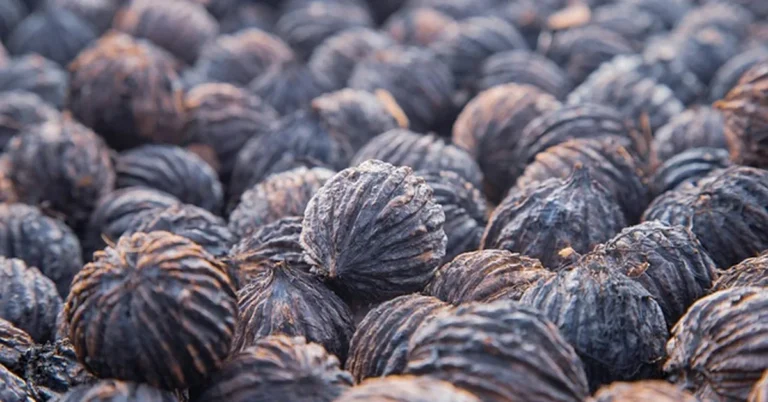
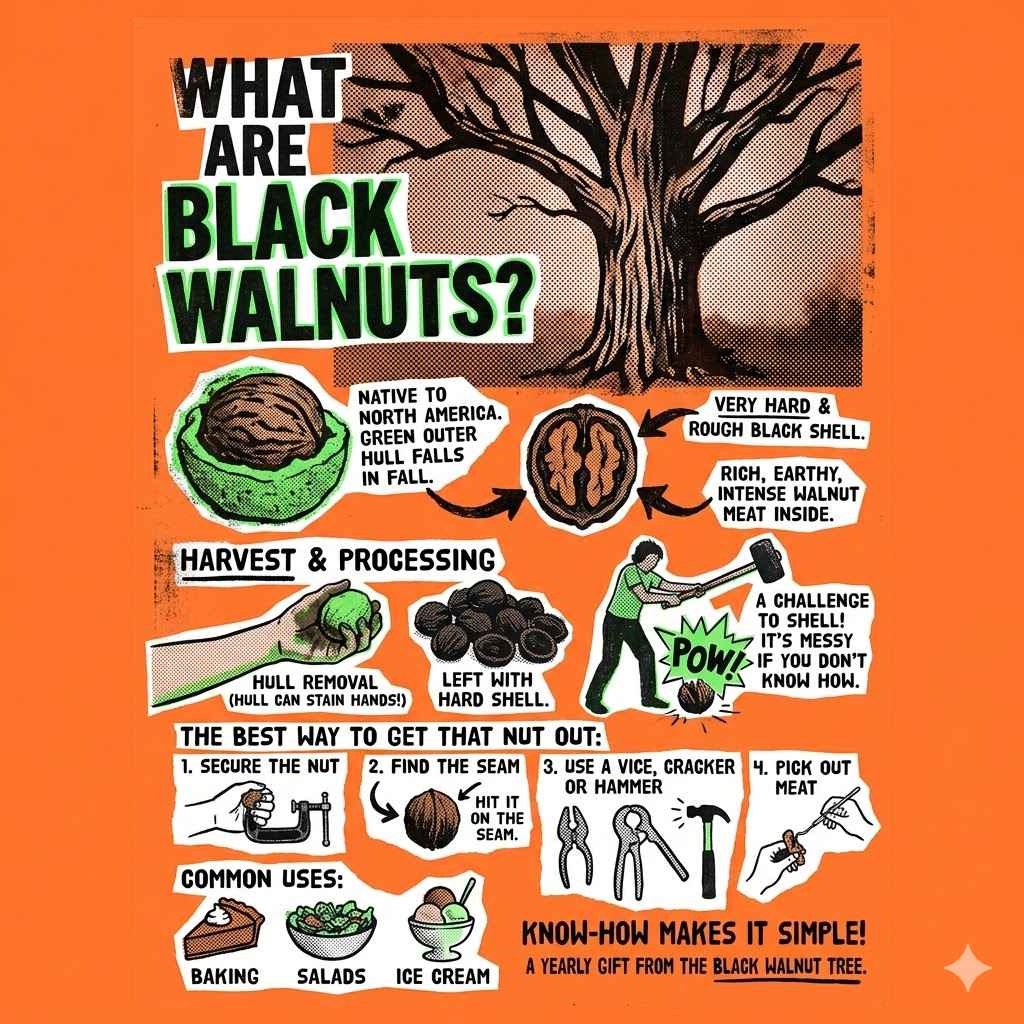
Black walnuts are a special kind of nut. They grow on trees native to North America. The shell is very hard and rough.
It has a dark, almost black color. This is where the name comes from. Inside this tough shell is the walnut meat.
Black walnuts taste richer and more intense than English walnuts. They have a unique, earthy flavor. Many people love their taste in baking and cooking.
But their hard shell makes them a challenge. It’s not like other nuts you can just shell with your fingers.
The tree itself is also interesting. It’s called the black walnut tree. These trees can get quite large.
They are known for their strong wood. This wood is used for furniture and other items. The nuts are a yearly gift from these trees.
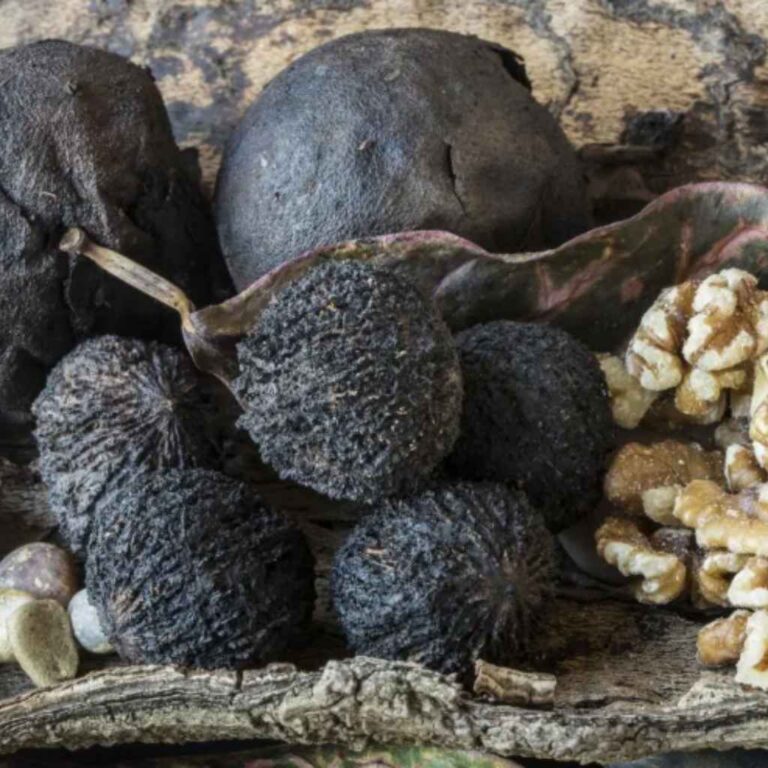
When fall arrives, the nuts start to fall. They often have a green outer hull. This hull needs to be removed first.
It can stain your hands. After the hull is off, you’re left with the hard, round shell.
Many people find them a bit intimidating. You see them at farmers’ markets or in the woods. You want to try them.
But the thought of cracking them stops you. It’s a common sight. Someone buys a bag of black walnuts.
They try to crack one with a hammer. The nut flies across the yard. Or it just smashes into dust.
It’s a messy job if you don’t know how. But with a little knowledge, it becomes much simpler. We’ll make sure you know the best way to get that nut out.
My First Black Walnut Struggle
I remember my first encounter with black walnuts. I was a kid, maybe ten years old. My grandpa had a huge black walnut tree in his backyard.
He collected the nuts every fall. He always seemed to have bowls of them. I asked him how he got them open.
He just winked and said, “A little patience and a strong hand, kid.” That sounded like a secret. So, one crisp autumn afternoon, I decided to crack them myself. I found a pile of nuts under the tree.
I picked up a smooth, dark one. It felt heavy. I tried to squeeze it.
My hands just slipped. Then I tried banging it on the concrete patio. It just bounced off.
I got angry. I found a big rock. I hit the nut with all my might.
The shell exploded everywhere. Tiny pieces of black shell flew in my face. The nut inside was smashed to bits. I felt so defeated.
My face was stained brown from the hull bits. I gave up for the day. It felt impossible.
I didn’t taste any of the famous black walnut flavor. I just had a mess and some sore hands. That was my introduction to black walnut cracking.
What’s Inside the Black Walnut?
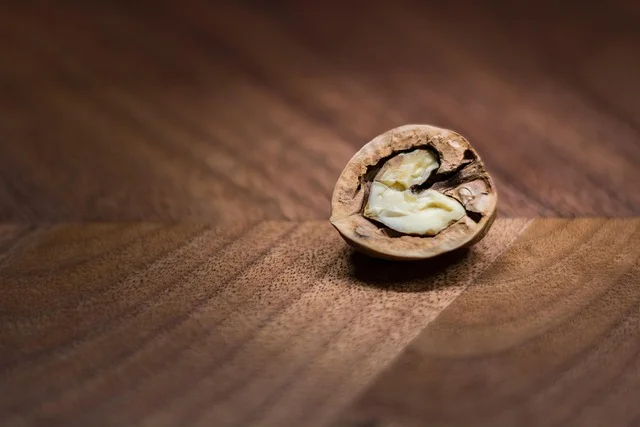
Nutmeat: The edible part. It’s rich and flavorful. It’s good for baking.
It also works well in savory dishes.
Shell: Very hard and thick. It’s dark brown to black. It’s made of two halves.
Membrane: Thin layers inside the shell. They help separate the nutmeat. They can be bitter for some.
Understanding the Black Walnut Shell
The black walnut shell is different. It’s not like an English walnut shell. English walnuts are smoother.
They split open more easily. Black walnuts have a thick, woody shell. It’s made of two halves.
These halves are very tightly joined. There’s a seam running all around the nut. This seam is the weakest point.
But it’s still very strong. The shell is also very uneven. It has ridges and bumps.
This makes it hard to get a good grip. It also means you can’t just pinch it open.
The shell is also known for its thickness. It needs to be strong. This protects the nut inside.
It keeps it safe from animals. It also protects it from damage. When you try to crack them, you need to overcome this strength.
Many nuts just need a sharp tap. Black walnuts need more force. But this force must be applied carefully.
Too much force can smash the nut. It can also create a lot of debris. This makes it hard to find the good nut pieces.
Think of the shell like a very tough nutshell. It has a rough outer texture. This texture can help you hold it.
But it can also make it slippery if it’s wet. The inside of the shell is smooth. It’s a different texture.
It’s important to know this shell. The better you understand it, the better you can crack it. You need to work with the shell, not against it.
Why Are They So Hard to Crack?
The main reason black walnuts are hard to crack is their shell. It’s one of nature’s strongest nuts. The shell is made of a hard, woody material.
It’s much thicker than other walnuts. It’s also not uniform in thickness. Some parts might be thicker than others.
This makes it tough to find a consistent way to break it open. The two halves of the shell are fused tightly together. There isn’t a clean seam that splits easily.
This fusion is very strong.
Also, the shape of the nut plays a role. Black walnuts are often round or slightly oval. They don’t have flat sides.
This makes it hard to get a good, stable grip. When you try to apply pressure, the nut can spin or roll. This makes it difficult to apply force effectively.
Without a good grip, your efforts might be wasted. You might just be hitting air or letting the nut slip.
Finally, the way the nutmeat is attached inside is tricky. The meat fills the shell almost completely. It’s held in place by thin membranes.
These membranes can also be a barrier. When you crack the shell, you want to break it cleanly. You want to avoid shattering the nutmeat inside.
This requires a specific type of force. It’s not just brute strength. It’s about targeted pressure.
It’s about finding the right spot to hit.
Cracking Tools: What You Need
Hammer: A small to medium-sized hammer is useful. You will use it to tap the nut.
Vise: A small bench vise is excellent for cracking. It holds the nut firmly.
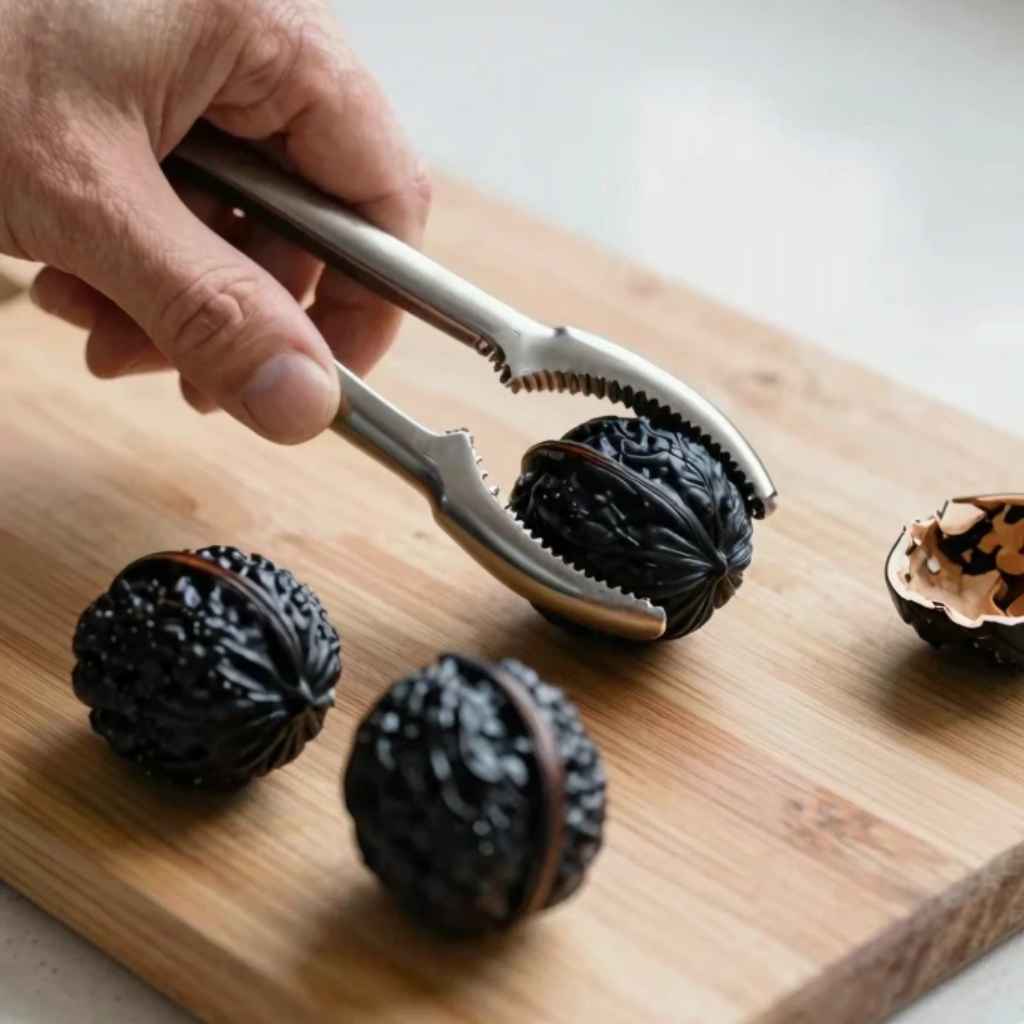
Nutcracker: A heavy-duty nutcracker can work. Some types are better than others.
Pliers: Strong, sturdy pliers can help. They can grip and twist.
Gloves: Keep your hands clean. The hulls can stain them brown.
Safety Glasses: Always protect your eyes. Shell fragments can fly.
Method 1: The Hammer and Anvil (or Sturdy Surface) Approach
This is a classic method. It uses simple tools you likely have. You’ll need a hammer.
A small ball-peen hammer or a regular claw hammer works well. You also need a sturdy surface. A blacksmith’s anvil is ideal.
But a strong, flat piece of metal or even a thick, smooth concrete slab can work. The key is a stable, hard surface that won’t move.
First, put on your safety glasses. This is very important. Black walnut shells can shatter unpredictably.
You don’t want fragments in your eyes. Next, place one black walnut on your chosen surface. Make sure it’s stable.
You don’t want it rolling away. Hold the hammer. Now, aim for the seam of the nut.
The seam is the line that runs around the middle. It’s where the two halves of the shell meet.
Give the nut a sharp, firm tap. Don’t hit it as hard as you can. You’re not trying to pulverize it.
You’re trying to crack the shell. The goal is to create a small fracture. You might need to tap it a few times.
Try tapping different spots along the seam. Listen for a change in sound. Sometimes, you can hear a slight crack.
If the nut starts to break, stop. Examine it carefully. You want to open it, not destroy it.
If the first tap doesn’t work, try another. If you hit it too hard, it might just smash. If you hit it too softly, nothing will happen.
It takes a little practice. Once you see a small crack, you can try to gently pry it open. Use the tip of the hammer or a sturdy flat tool.
Be patient. This method can produce some shell dust. But it’s effective for cracking many nuts.
I remember using this method on my grandpa’s porch steps. They were made of thick stone. I placed the walnut carefully.
I tapped it with my dad’s old hammer. It took a few tries. I heard a faint “crack.” Then I used a butter knife to gently pry it open.
Success! The nut came out in a few pieces. But it was delicious.
It felt like a victory. This method works, but it takes a gentle touch. You need to learn the right amount of force.
Hammer Technique Tips
- Tap, don’t smash: Aim for a controlled tap.
- Target the seam: This is the shell’s natural weak point.
- Rotate and tap: Try different spots along the seam.
- Listen carefully: A slight crack is your signal.
- Be patient: It might take a few tries.
Method 2: The Bench Vise — A Cracking Powerhouse
A bench vise is a fantastic tool for cracking black walnuts. It offers control. It holds the nut firmly.
This prevents it from moving. You can apply steady pressure. This is much better than random hammering.
If you have a vise, this is often the easiest way. You’ll need a small to medium-sized bench vise. Make sure it’s sturdy.
Also, have your safety glasses ready.
Place the black walnut in the vise. Position it so the seam is facing outwards. You want the vise jaws to grip the shell.
They should be on either side of the seam. Don’t tighten it so much that the nut cracks instantly. Tighten it just enough to hold it firmly.
You should feel resistance when you turn the handle.
Now, slowly and steadily turn the vise handle. You are applying pressure to the shell. Watch and listen.
You will feel the pressure build. The shell will start to creak. Keep turning slowly.
The shell will eventually crack. You might hear a distinct pop. Or you might see a crack appear.
Once it cracks, stop turning. You don’t want to crush the nutmeat inside. Gently loosen the vise.
Take the cracked nut out. Inspect it. If it didn’t open fully, you can put it back in the vise.
Apply a little more pressure. You can also use a small tool to help pry it open.
This method is great because it’s so controlled. You can feel the shell giving way. It reduces the chance of random shattering.
It also means you’re less likely to smash the nut inside. The nutmeat usually comes out in larger pieces. This is a big plus.
Many people find this method less messy. It’s also very efficient once you get the hang of it. It’s like having a mechanical hand that’s perfect for the job.
Vise Cracking Steps
- Secure the nut: Place the walnut in the vise.
- Align the seam: Position it so the jaws press on the seam.
- Tighten firmly: Hold the nut without crushing it.
- Turn slowly: Apply steady pressure with the handle.
- Watch and listen: Stop when you hear or see a crack.
- Loosen and inspect: Remove the nut and check the opening.
Method 3: Heavy-Duty Nutcrackers and Pliers
Not everyone has a bench vise. But many people have nutcrackers. For black walnuts, you need heavy-duty ones.
Standard nutcrackers won’t cut it. They might bend or break. Look for nutcrackers made of strong steel.
They should have a good grip. They should feel substantial in your hand.
You can also use sturdy pliers. Channel lock pliers or locking pliers can work. They offer a strong grip.
They allow you to apply twisting or crushing force. Again, wear your safety glasses. Walnut shells can still break.
You want to protect your eyes.
Place the black walnut in the jaws of the nutcracker. Try to position the jaws on the seam. Squeeze the handles.
Apply steady, firm pressure. You’re looking for the shell to yield. You might need to squeeze hard.
If using pliers, grip the nut firmly. You can then try to twist or apply pressure.
This method can be effective. But it can also be tricky. The nut can slip from the jaws.
You might not get a clean break. Sometimes, the nut just crushes. You have to experiment with different gripping points.
Find the spot where the shell seems most stressed.
Sometimes, you can combine tools. You might use pliers to hold the nut steady. Then, use a hammer to tap the spot where the pliers are gripping.
This adds extra force. It helps to break through the tough shell. This method takes some feel.
You need to learn how much pressure the nutcracker can handle. You also need to learn how much pressure the nut can take before it shatters.
I found that some nutcrackers worked better than others. The ones with jagged teeth inside the jaws were best. They gripped the shell better.
They didn’t let the nut slip as much. It was still a bit of a gamble. But with practice, I could crack most nuts this way.
It’s a good option if you don’t have a vise.
Nutcracker & Pliers Tips
- Use strong tools: Regular ones won’t work well.
- Grip the seam: Try to align the jaws with the shell’s line.
- Squeeze steadily: Apply firm, consistent pressure.
- Watch for slips: The nut might move. Adjust your grip.
- Experiment: Try different angles and grips.
Method 4: The “Two Nuts” Trick (Advanced)
This is a clever trick. It uses the strength of another black walnut. It sounds strange, but it works.
You need two black walnuts. This method requires a bit of practice. It’s best for nuts that have already been slightly cracked or have a visible seam.
Take one black walnut. Hold it firmly in your hand. You’ll use this nut as your “hammer.” Now, take a second black walnut.
Place it in the palm of your other hand. This is the nut you want to crack. Position the second nut so its seam is facing upwards.
You want to aim for the seam.
Now, bring the first nut down sharply onto the seam of the second nut. You are essentially using one nut to tap the other. The hard shell of the first nut can create enough focused force to crack the second one.
It’s like a self-contained nut-cracking system.
Aim carefully. You want to hit the seam precisely. If you miss, it won’t work well.
If you hit too hard, you might smash both nuts. It’s a delicate balance. You might need to try several times.
When you get it right, you’ll hear a crack. The shell of the second nut will break open.
This method is fun. It feels like a secret handshake. It’s also very portable.
You don’t need any tools. Just two nuts. It’s a good option when you’re out and about.
Or if you don’t have access to tools. It takes practice to master. But once you do, it’s very satisfying.
I saw someone do this at a picnic once. I was struggling with a regular nutcracker. This person just took two walnuts from their bag.
They tapped them together. One of them cracked open perfectly. I was amazed.
I asked them how they did it. They explained the “two nuts” trick. I tried it later.
It took me a few tries. But then, pop! It worked.
It felt like I unlocked a secret level.
The “Two Nuts” Trick Summary
- Requires two nuts: One to hold, one to crack.
- Aim for the seam: Precise tapping is key.
- Sharp, controlled strike: Don’t smash, tap.
- Practice needed: It takes a few tries to get it right.
- Tool-free: Great for on-the-go cracking.
Dealing with the Hull and Stains
Before you even start cracking, you need to deal with the hull. Black walnuts have a thick, green-brown outer hull. This hull is very soft when fresh.
But it turns black and leathery as it dries. It also stains everything it touches. Your hands, clothes, tools, and even concrete can get stained.
This stain is very stubborn.
So, the first step is to remove the hull. Do this outside. Wear old clothes and gloves.
You can peel the hull off with your hands. Sometimes, it slips off easily. Other times, it clings to the shell.
You might need to use a stiff brush or a dull knife to scrape it away. Be thorough. Don’t leave any hull material on the shell.
Once the hull is off, you need to let the nuts dry. Spread them out on newspaper or in shallow trays. Let them dry for a week or two.
This helps the shell to harden. It also makes the nutmeat inside easier to get out. Drying is important.
If you try to crack them when they are too wet, they can be mushy. The shells will be softer too.
If you do get stained, don’t worry too much. The stains will eventually fade. But they can be hard to remove completely.
Lemon juice or a paste of baking soda and water can help lighten stains. For tools, a good scrubbing might be needed. Be careful with harsh chemicals on metal tools.
Some people use steel wool.
The smell of the hull is also unique. It’s earthy and strong. Some people find it unpleasant.
Others find it pleasant. It’s a sign of fall and harvest. Just remember, treat the hull with respect.
It will stain you if you’re not careful. Always wash your hands thoroughly after handling the hulls.
Hull Removal & Stain Prevention
- Wear gloves: Protect your hands from stains.
- Use old clothes: The hull will stain fabric.
- Peel or scrape: Remove the green/brown outer layer.
- Dry thoroughly: Let nuts cure for 1-2 weeks.
- Clean tools promptly: Remove hull residue.
- Lemon juice for stains: A natural way to lighten skin stains.
Getting the Nutmeat Out After Cracking
Cracking the shell is only half the battle. Getting the nutmeat out can be another challenge. Black walnut meat often breaks into small pieces.
It’s not usually one big chunk like an English walnut. This is normal. The goal is to get out as much of the good meat as possible.
Once the shell is cracked open, you’ll see the nutmeat. It’s a rich brown color. It’s often in several pieces.
You might also see thin, papery membranes inside the shell. These are part of the nut’s structure. They can be bitter.
You can try to pick them out. But don’t worry too much if some remain.
Use a small, pointed tool to gently pry out the nut pieces. A small screwdriver, a pick, or even a sturdy toothpick can work. Work slowly.
Try to get the pieces out without breaking them further. Sometimes, the pieces will stick to the shell. You might need to gently scrape them loose.
If you cracked the nut with a vise or a controlled hammer tap, you’ll likely get larger pieces. This is ideal. If the nut shattered, you’ll have smaller bits.
This is where a pick becomes very useful. You can dig into the shell fragments to find the nutmeat.
Don’t be discouraged if you don’t get perfect halves. It’s rare with black walnuts. The flavor is so strong that even small pieces are valuable.
Many people use them for baking. They chop them up anyway. So, even if you get crumbs, they are still usable.
The taste is what matters most.
After you extract the nutmeat, check it. Make sure there are no shell fragments mixed in. This is important.
Shell pieces are not pleasant to eat. You can usually pick them out by hand. If the pieces are very small, you might want to rinse the nuts.
But be careful. Rinsing can remove some flavor. It’s usually better to pick them out visually.
I find it helpful to have a bowl for the shell pieces. Another bowl for the nutmeat. This keeps things organized.
It helps you see what you’ve collected. You can also sort through the shell fragments to make sure no nutmeat is left behind. It’s a bit like treasure hunting.
Extracting Nutmeat Tips
- Use a pick: Small tools help get pieces from crevices.
- Be gentle: Avoid further breaking the nutmeat.
- Remove membranes: Pick out the thin, bitter layers if you can.
- Check for shell: Ensure no hard shell pieces remain.
- Sort pieces: Separate large pieces from small ones.
- Clean as you go: Keep your workspace tidy.
What to Do with Your Black Walnuts
Once you have your delicious black walnut meat, what can you do? The possibilities are wide! Their rich, bold flavor makes them a star ingredient.
They are wonderful in baked goods. Think pies, cookies, and cakes. They add a special depth of flavor that other nuts can’t match.
Black walnut ice cream is a classic. The nutty crunch and rich flavor are perfect. Candied black walnuts are also a treat.
They make a great snack or a topping for salads and desserts. You can also chop them and add them to homemade bread or muffins. They are great in granola too.
Beyond sweets, they work well in savory dishes. Sprinkle them on salads. Add them to pasta dishes.
They can be a great addition to stuffing. Some people even use them in pesto. Their strong flavor can stand up to other robust ingredients.
They add texture and a unique taste.
If you have a lot of walnuts, you can store them. Store them in an airtight container in the refrigerator. They will last for several months.
For longer storage, you can freeze them. This keeps them fresh for up to a year.
Don’t forget the walnut trees themselves! If you have access to them, you can collect more. It’s a great way to get fresh, local nuts.
It’s also a rewarding activity. It connects you to nature. And it provides a delicious reward.
Consider sharing your bounty. Black walnuts are a special treat. Giving them as gifts is a thoughtful idea.
Your friends and family will appreciate the unique flavor. It’s a taste of home. It’s a taste of the harvest.
So, enjoy your hard-won nuts! You’ve earned them. The journey was worth the flavor.
When It’s Normal and When to Worry
It’s normal for black walnuts to have a very hard shell. This is their defining feature. It’s also normal for the shell to stain your hands.
This is why gloves are recommended. You might get a few broken pieces of nutmeat. This is also very common.
You should worry if.
.the shell seems unusually soft or mushy. This could mean the nut is old or has been damaged. It might have mold.
Always inspect your nuts.
.you find signs of insects or mold inside the shell. Discard any nuts that look or smell bad. This is important for food safety.
.you are having extreme difficulty opening them with any method. This might mean the nuts are unusually tough, or your tools are not suitable. It’s okay to take a break and try again later.
The texture of the nutmeat should be firm and slightly oily. It should smell rich and earthy. If it smells rancid or off, it’s best to discard it.
When in doubt, it’s always better to be safe. But with fresh, properly handled black walnuts, you’re usually in for a treat.
Quick Tips for Easy Cracking
Here are some simple things to remember:
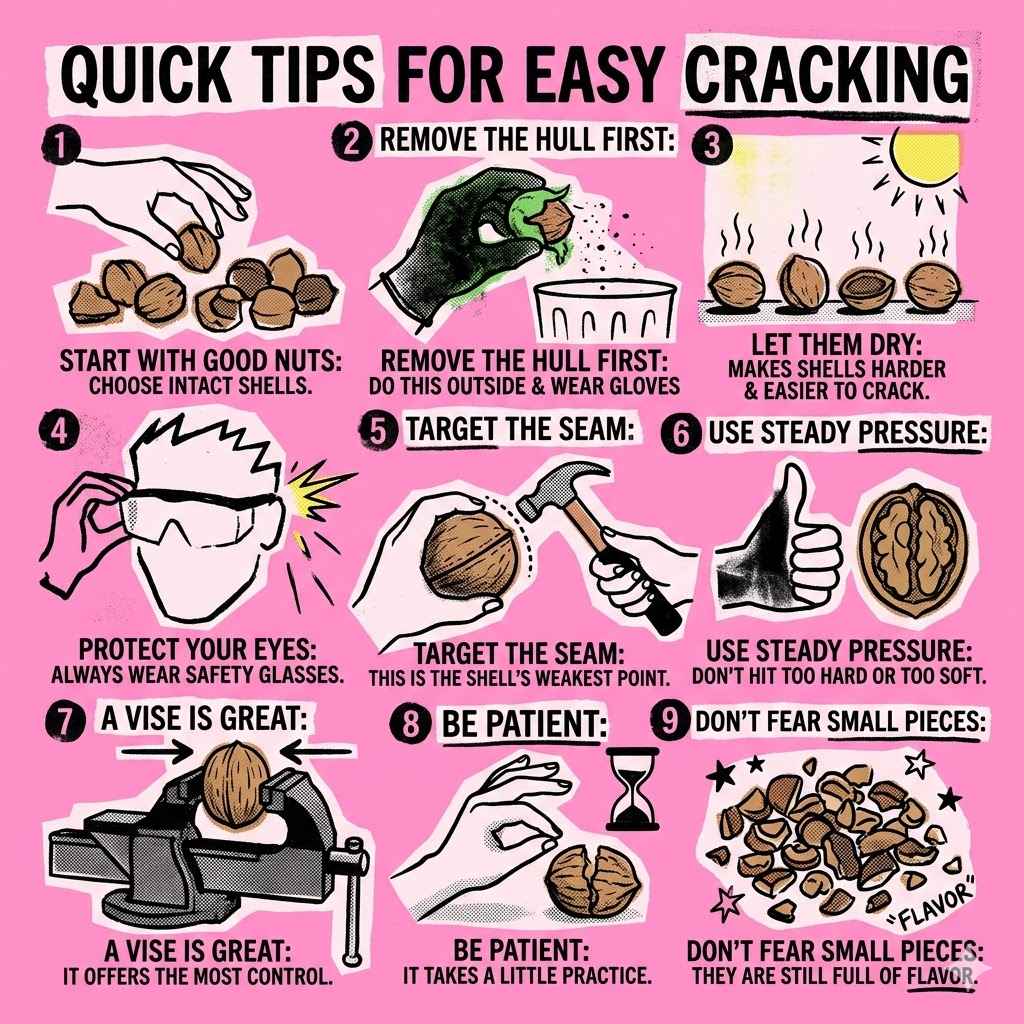
- Start with good nuts: Choose nuts with intact shells.
- Remove the hull first: Do this outside and wear gloves.
- Let them dry: This makes shells harder and easier to crack.
- Protect your eyes: Always wear safety glasses.
- Target the seam: This is the shell’s weakest point.
- Use steady pressure: Don’t hit too hard or too soft.
- A vise is great: It offers the most control.
- Be patient: It takes a little practice.
- Don’t fear small pieces: They are still full of flavor.
Frequently Asked Questions
What is the best tool for cracking black walnuts?
A bench vise is often considered the best tool. It offers controlled pressure and holds the nut securely. A heavy-duty nutcracker or a hammer and anvil are also effective.
The best tool for you might depend on what you have available and what feels most comfortable.
How do I prevent stains from black walnut hulls?
Always wear thick rubber gloves when handling the hulls. Wear old clothes that you don’t mind getting stained. Work outside or in an area that’s easy to clean.
If you do get stained, try washing with lemon juice or a baking soda paste.
Can I crack black walnuts with my bare hands?
No, it is extremely difficult and not recommended to crack black walnuts with bare hands. Their shells are too hard and tough. You risk injuring your hands.
Always use tools designed for cracking nuts.
How long do black walnuts last after cracking?
Once cracked, black walnut meat should be stored in an airtight container. In the refrigerator, they can last for several months. For longer storage, freeze them.
Frozen black walnuts can stay good for up to a year.
Are black walnuts good for you?
Yes, black walnuts are very nutritious. They are a good source of healthy fats, protein, and antioxidants. They contain omega-3 fatty acids, which are good for heart health.
They also have vitamins and minerals like vitamin E and magnesium.
What is the difference between black walnuts and English walnuts?
Black walnuts have a much harder, thicker shell and a richer, more intense, earthy flavor. English walnuts have a smoother, thinner shell that is easier to crack and a milder, buttery taste. Black walnuts are native to North America, while English walnuts are more widely cultivated globally.
Final Thoughts on Cracking Black Walnuts
Cracking black walnuts can seem daunting at first. But with the right knowledge and tools, it becomes manageable. Remember to protect yourself.
Take your time. Enjoy the process. The reward is a truly delicious nut.
You’ve learned different methods. You know how to handle the hulls. And you know how to get the tasty meat out.
Happy cracking!
Sponsored / affiliate links. As an Amazon Associate I earn from qualifying purchases. I may earn additional commission from eligible campaigns.