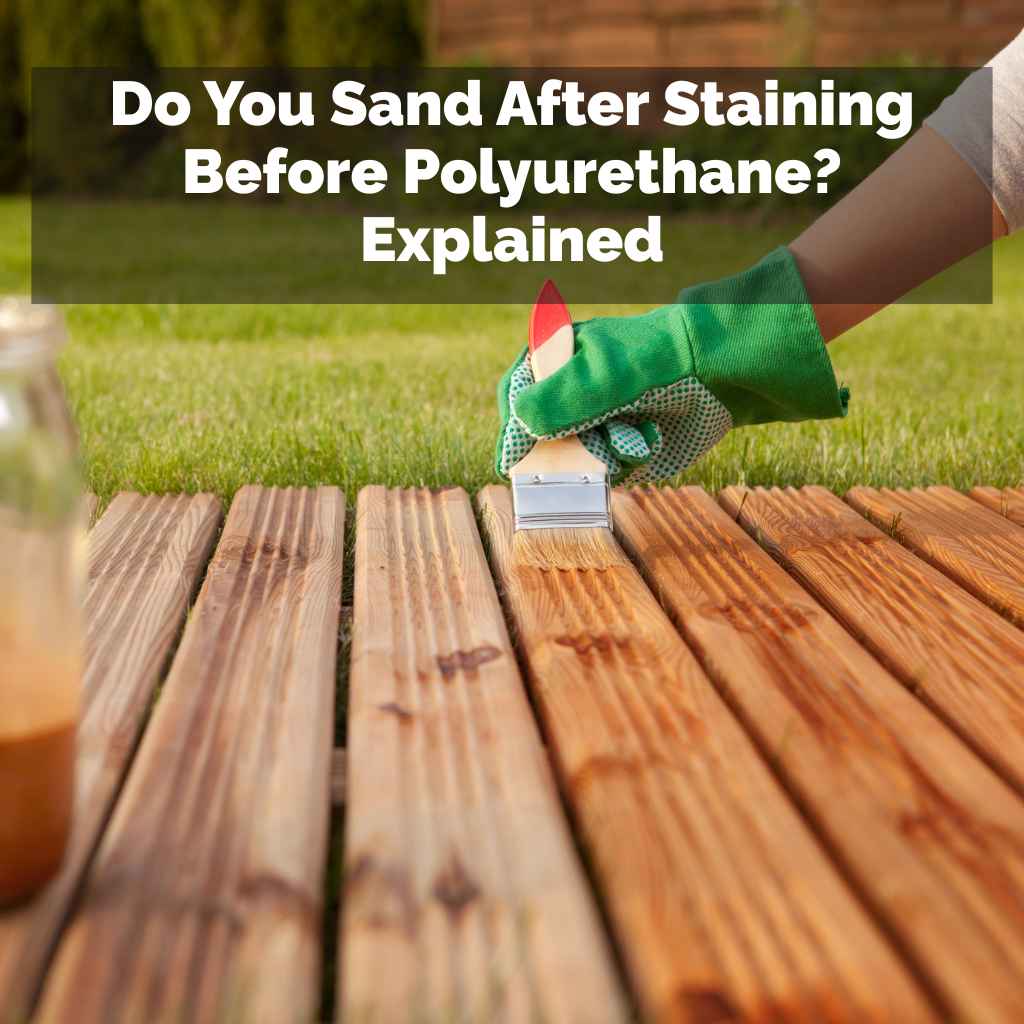
Do You Sand After Staining Before Polyurethane? Explained
Generally, you do not sand after staining before applying polyurethane. Light sanding is sometimes needed afterward for a specific problem – raised grain or dust specks – but it’s not a routine step, and a full sanding pass at this stage risks lifting the color you just applied. The real smoothing work happens before you stain, and again lightly between polyurethane coats.
The Sanding Question: What’s Really Happening?
For the Between-Coats Step
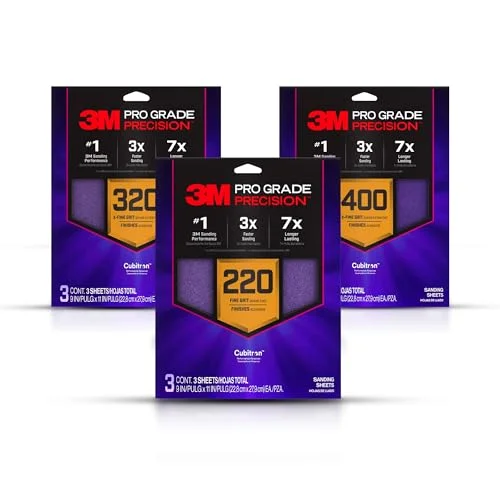 |
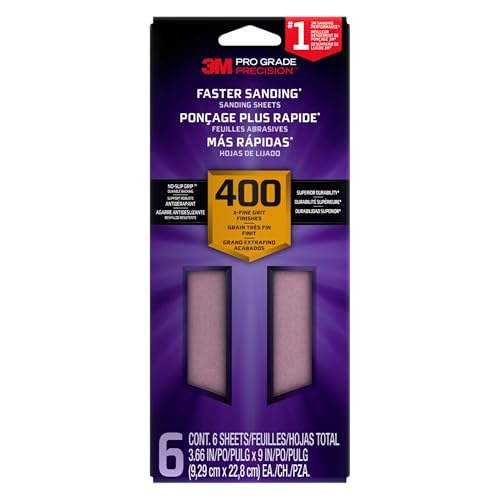
3M Pro Grade Precision Sanding Sheets (220/320/400) Covers the exact three grits this whole process actually calls for – fixing raised grain, scuffing between poly coats, and knocking down dust nibs.
|
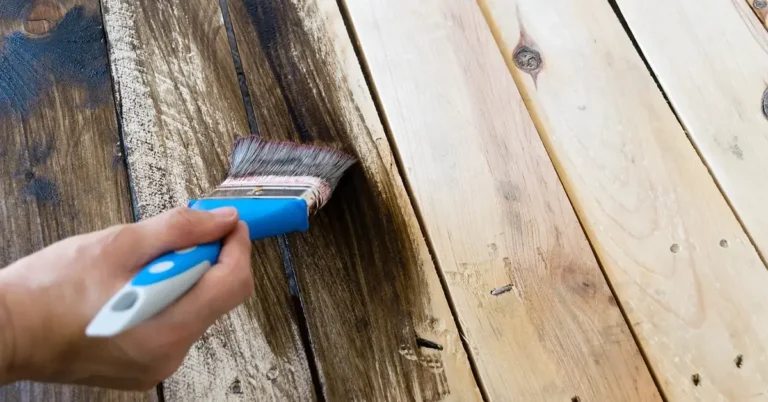
When you stain wood, the color soaks into the fibers. Polyurethane is a clear film finish that sits on top, sealing and protecting that color. Sanding after staining can seem like a way to smooth things out further, but it also risks lifting the color you just worked to get right – that’s the core of the confusion. In most cases the wood is already smooth from sanding before staining, so an additional pass afterward isn’t doing much useful work and mostly just adds risk.
Think of it like painting a wall: you wouldn’t sand fresh paint to smooth it out unless there was a specific bump or drip to fix. Stain works the same way – the prep happens before, and after staining your focus shifts to sealing the color in rather than reworking the surface.
Key Prep Steps Before Staining
Proper sanding before you ever open the stain can is what actually determines how smooth and even the final result looks.
- Start coarse: 80 or 100 grit for rough spots or old finish.
- Move finer: Work up through 120, 150, then 220 grit.
- Go with the grain: Always sand in the direction of the wood grain, never across it.
- Clean up dust: A tack cloth removes fine dust before staining so it doesn’t get trapped under the color.
Why Some People Do Sand After Staining
There are real situations where a light touch of sandpaper after staining makes sense – but they’re for fixing a specific problem, not a standard step. The most common is “raised grain,” where moisture from the stain itself swells the wood fibers, leaving the surface feeling fuzzy or rough. A very light pass with 220 or 320 grit, done only after the stain has fully dried, knocks down those raised fibers without stripping color.
Dust is the other common culprit: even careful work can leave tiny particles that settle on wet stain and feel like small bumps once dry. A very light pass with fine sandpaper or a tack cloth clears these. In both cases, using too coarse a grit is the mistake to avoid – that’s what actually removes the stain color you’re trying to protect.
The Role of Wood Type
Softwoods like pine raise grain more readily than hardwoods like oak or maple, simply because they absorb moisture and stain differently. A pine tabletop is more likely to feel slightly fuzzy after staining and benefit from a light 220-grit pass; a maple cabinet door usually stays smooth straight through to the polyurethane stage with no intervention needed.
| Wood Type | Grain Behavior | Post-Stain Sanding Likelihood |
|---|---|---|
| Hardwoods (oak, maple, cherry) | Dense, stable grain, less prone to fuzziness | Rarely needed |
| Softwoods (pine, fir, cedar) | Absorbs stain deeply, raises grain more easily | Often needed, light pass only |
Understanding the Polyurethane Layer
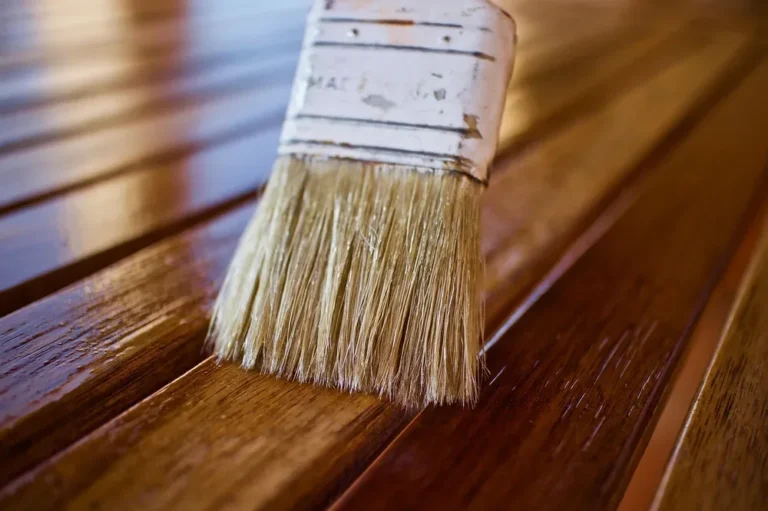
Polyurethane builds a protective shell on top of the wood and stain, guarding against everyday wear, spills, and scratches. It doesn’t need a perfectly smooth surface underneath to bond well – it needs a clean, dry one. Sanding after staining but before polyurethane risks removing stain color, especially with anything coarser than the finest grits, without actually improving how well the finish adheres.
- Purpose: Protects wood from scratches, moisture, and everyday wear.
- Types: Oil-based (amber tone, more durable) and water-based (stays clear, dries faster).
- Application: Thin, even coats, each fully dry before the next.
- Sanding between coats: A different, standard step – light 320-400 grit sanding between poly coats helps adhesion and levels minor imperfections.
What Happens If You Skip Pre-Stain Sanding?
Stain applied over unsanded or unevenly sanded wood goes on blotchy, since it absorbs more heavily into rougher spots. Once the stain is on, you’ve committed to that color – trying to smooth the wood afterward without disturbing it is difficult and usually leaves a less even, less vibrant result than getting the prep right the first time.
The “Feel Test” After Staining
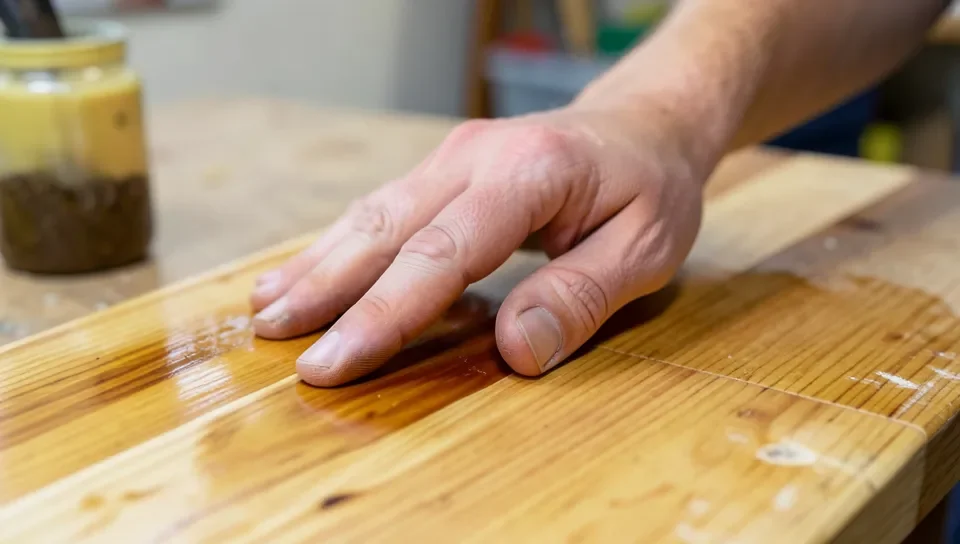
Once the stain has dried completely, run a hand over the surface. If it feels smooth, you’re ready for polyurethane with no sanding needed. If you feel fuzziness or small bumps, a very light pass with 220 grit or higher – sanding only the rough spots, in the direction of the grain – fixes it. Always wipe away dust with a tack cloth afterward.
| What You Feel | What To Do |
|---|---|
| Smooth surface | Go straight to polyurethane, no sanding needed |
| Slight roughness or fuzz | Very light 220-320 grit on the rough spots only, then clean dust |
| Noticeable bumps or drips | Gentle sanding, or careful scraping first for drips, then sand |
Sanding Between Polyurethane Coats
This is where sanding genuinely is a standard, helpful step. After the first coat of polyurethane dries, dust nibs or minor surface imperfections are common. A light pass with 320 or 400 grit sandpaper (or 0000-grade synthetic steel wool) scuffs the surface just enough to help the next coat bond, without removing the finish itself. Clean the surface thoroughly with a tack cloth before applying the next coat.
- When: After each polyurethane coat has fully dried.
- What to use: 320-400 grit sandpaper or 0000-grade synthetic steel wool.
- How: Light, even strokes in the direction of the grain.
- Goal: A slightly dulled surface for adhesion, not removal of the finish.
- Clean up: Tack cloth or a barely damp cloth, every time, before the next coat.
Common Mistakes to Avoid
Sanding too aggressively after staining is the single biggest mistake – it strips color unevenly and leaves a patchy look. Using too coarse a grit for a post-stain touch-up causes the same problem; always start with the finest grit that might work rather than defaulting to something more aggressive. Skipping dust cleanup after any sanding step is the other common error – trapped dust shows up as visible bumps and specks once the polyurethane goes on and dries.
What If the Stain Doesn’t Look Right?
If the stain looks blotchy, too dark, or too light before any polyurethane goes on, you still have real options: re-staining can even out blotches, wood bleach can lighten an overly dark result, and an additional coat can deepen one that’s too light. Once polyurethane is on, fixing the stain color underneath becomes much harder and usually means stripping the poly first – which is exactly why it’s worth being satisfied with the stain color before starting the protective coats.
When Is It Okay to Skip Polyurethane?
Polyurethane exists to protect against wear and moisture, so a purely decorative piece that’s rarely touched – a picture frame, for instance – can sometimes get by with a lighter finish or none at all. Anything handled regularly or exposed to daily use, like a tabletop or furniture, benefits from polyurethane’s real protection; skipping it there just means the stain and wood underneath take the wear directly.
Frequently Asked Questions
Do I need to sand after staining if I want a super smooth finish?
The real smoothness comes from sanding before you stain. After staining, only sand lightly for a specific issue like raised grain; the final polish comes from light sanding between polyurethane coats, not from sanding the stained wood itself.
What grit sandpaper should I use if I have to sand after staining?
Use the finest grit that will fix the problem, typically 220 or 320. Go up to 400 for minor dust specks. The goal is to fix one specific spot, not to sand the whole surface.
Can I use steel wool after staining?
Fine 0000-grade steel wool works well between polyurethane coats, but right after staining it can lift color and leave fine metal fibers behind that may rust. A synthetic steel-wool alternative or fine sandpaper is the safer choice for a post-stain touch-up.
How long should I wait after staining before applying polyurethane?
It depends on the stain: oil-based stains often need 24-72 hours to dry fully, while water-based stains can be ready in a few hours. Always check the specific product’s label, since applying polyurethane too soon can cause adhesion problems.
Will sanding after staining remove the color?
Yes, especially with a grit that’s too coarse or too much pressure. Stain sits in the top layer of wood fiber, and sanding removes that layer along with the color, which is why any post-stain sanding should be light and targeted.
Final Thoughts on Your Finish
In most cases, the answer to sanding after staining is no – the critical work happens before you ever apply stain, and again lightly between coats of polyurethane. After staining, sand only to fix a specific problem like raised grain or dust, and do it gently with fine sandpaper. Get the prep right up front and the rest of the process takes care of itself.
Sponsored / affiliate links. As an Amazon Associate I earn from qualifying purchases. I may earn additional commission from eligible campaigns.