Does Termite Damaged Wood Need to Be Removed? Essential Insights
Have you discovered termite damage in your wood and wonder if it needs to be removed? This can be a confusing and worrying situation.
You might ask yourself, “Is the damage serious enough to act now? ” or “Can I just repair it without removing the wood? ” Understanding what to do next is crucial to protect your home and your investment. You’ll learn exactly why removing termite-damaged wood might be necessary, how it affects your safety, and what steps you can take to fix the problem before it gets worse.
Keep reading to find out how to make the best choice for your home’s health.
Signs Of Termite Damage
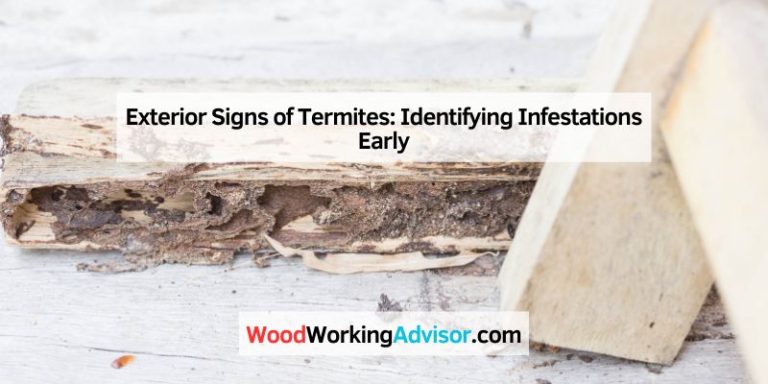
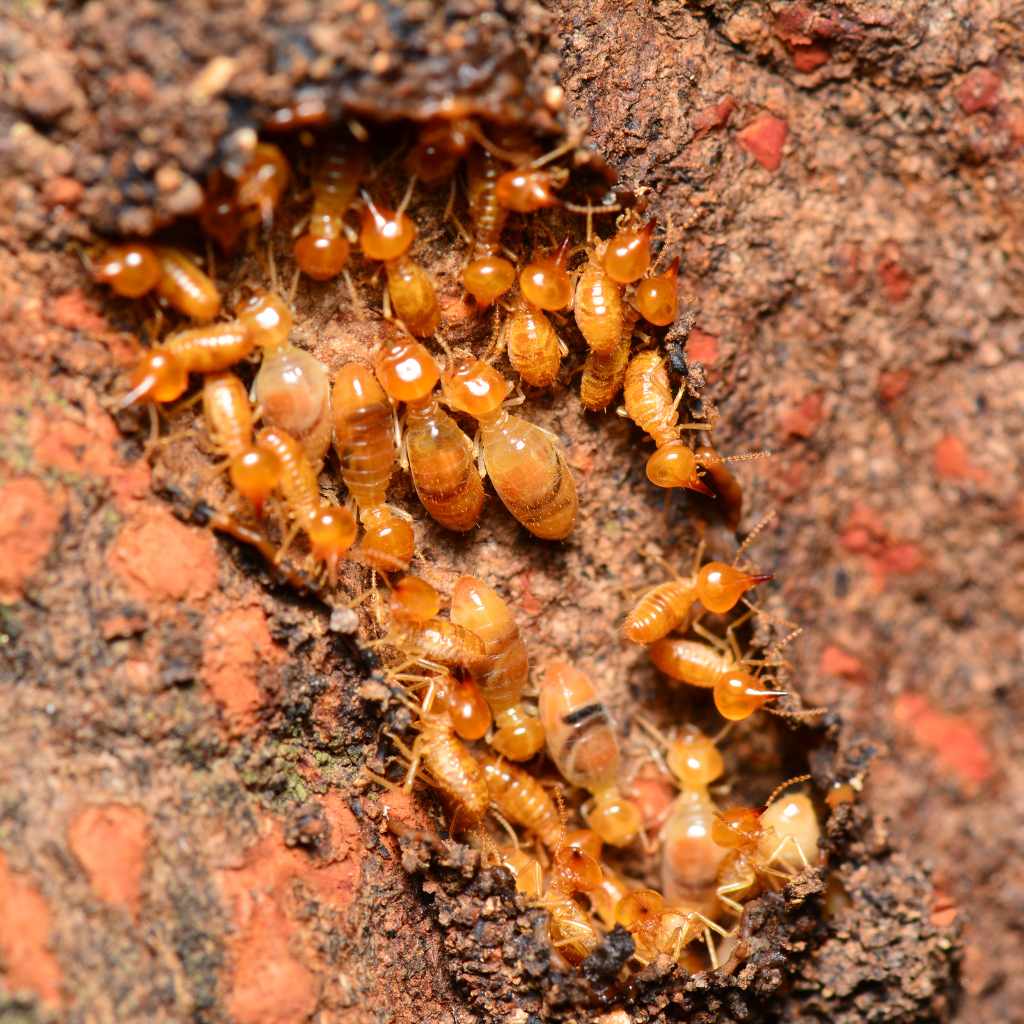
Termite damage can be hard to spot at first. These tiny insects eat wood from inside out. Early signs help catch the problem before it gets worse. Recognizing these signs saves your home and money. Here are common signs of termite damage.
Visual Indicators
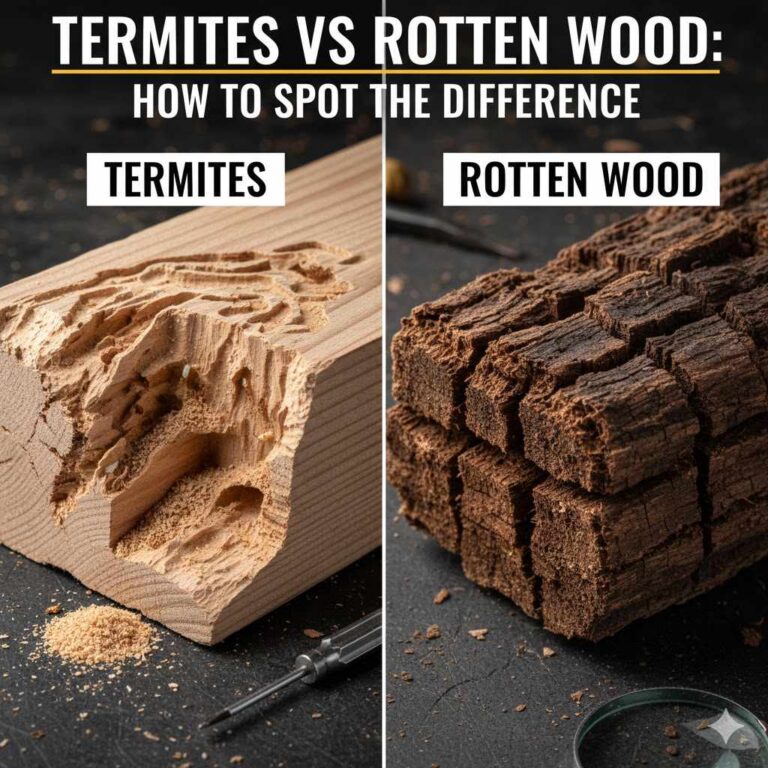
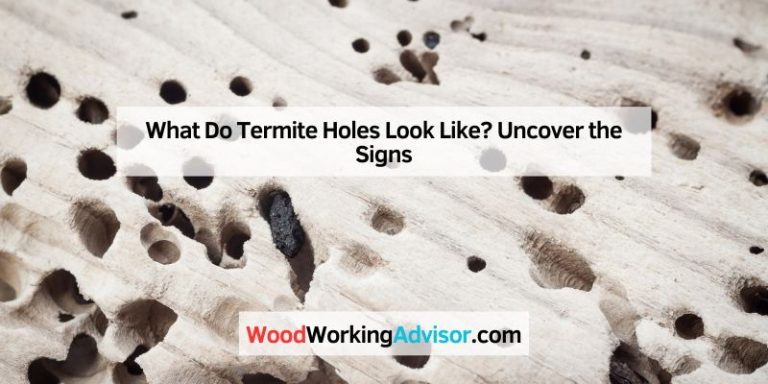
Look for hollow or damaged wood surfaces. Wood may appear blistered or cracked. Mud tubes on walls or wood show termite paths. Small holes or tunnels in wood are common. Discolored or weakened wood can also signal termites.
Structural Weakness
Soft or crumbly wood is a strong sign. Wood that sounds hollow when tapped is suspect. Doors and windows may stick or not close well. Floors might feel uneven or sagging. Termites weaken the wood’s strength quickly.
Hidden Damage Areas
Damage often hides inside walls or under floors. Termites stay out of sight to protect their colonies. Look behind wallpaper or inside cabinets for signs. Check wooden beams and support structures carefully. Use a screwdriver to test for soft spots.
Assessing The Extent Of Damage
Assessing the extent of termite damage is critical before deciding on removal. Wood affected by termites can vary from surface damage to deep structural problems. Knowing the damage level helps choose the right repair or replacement method. It also prevents unnecessary removal and saves money.
Professional Inspection
Hiring a professional termite inspector ensures accurate damage assessment. Experts use tools to detect hidden damage inside walls and beams. They identify termite activity and the affected wood’s condition. This inspection helps create a clear repair plan. Professionals can also suggest treatment to stop termites from returning.
DIY Evaluation Methods
Homeowners can check for damage by tapping wood with a screwdriver or hammer. Hollow sounds may indicate internal damage. Look for small holes, tunnels, and termite droppings called frass. Soft or crumbling wood is a warning sign. Use a flashlight to inspect dark corners and crawl spaces. These methods give a basic idea but lack full accuracy.
When Damage Is Severe
Severe termite damage weakens the wood’s structure and safety. Wood may break or crumble under slight pressure. In such cases, removal and replacement are often necessary. Ignoring severe damage risks collapse or costly repairs later. Structural engineers may need to check the building’s safety. Immediate action keeps your home safe and sound.
Repair Vs Removal
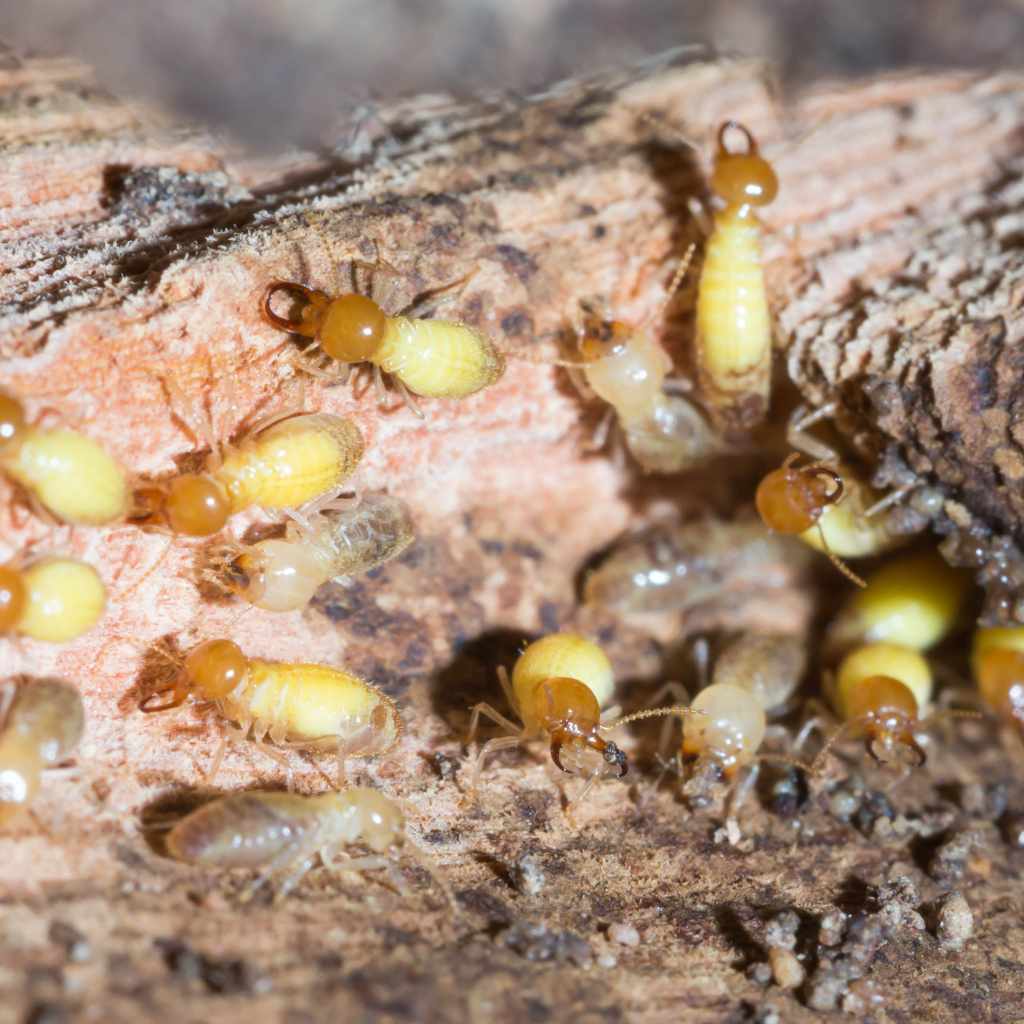
Deciding between repair and removal of termite damaged wood is important. The choice affects the safety and strength of your home. Knowing the differences helps you make a smart decision. Both options have their own benefits and costs. Understanding these will guide you to the best solution.
Benefits Of Removing Damaged Wood
Removing termite damaged wood stops the problem from spreading. It removes weak wood that can cause accidents. New wood restores the structure’s strength and stability. This option prevents future termite damage in the same spot. It gives peace of mind and a safer home.
When Repair Is Possible
Repairing termite damaged wood works for small or minor damage. It saves the original wood and reduces waste. Professionals use special fillers and treatments to fix wood. Repair keeps the look of the wood intact. It is a good choice if the damage is not deep.
Cost Considerations
Removing wood usually costs more because of labor and new material. Repairing wood is often cheaper and faster. Long-term costs matter too. Removing damaged wood can save money by preventing future repairs. Repair may need follow-up work if damage grows. Budget and damage size guide your choice.
Treatment Options For Termite Damage
Termite damage to wood requires proper treatment to stop further harm. Choosing the right treatment depends on the damage level and wood condition. Several methods exist to remove termites and protect wood from future attacks. Understanding these options helps make the best choice for your home or property.
Chemical Treatments
Chemical treatments use specially made insecticides to kill termites. These chemicals can be liquid or foam, applied directly to the wood or soil around it. Chemicals create a barrier that stops termites from returning. Professional application ensures safety and effectiveness. Regular inspection is needed to check if the treatment works.
Heat And Cold Methods
Heat treatment involves raising the wood temperature to a level that kills termites. The process uses special equipment to heat wood evenly. Cold treatment uses freezing temperatures to destroy termites inside the wood. These methods avoid chemicals and are eco-friendly. They suit smaller areas or valuable wood pieces.
Preventive Measures
Preventive measures help stop termites before they start damage. Keep wood dry and well-ventilated to avoid termite attraction. Use treated wood that resists termite attacks. Remove wood debris and keep soil away from wood structures. Regular checks find termite problems early and reduce repair costs.
Preventing Future Infestations
Preventing future termite infestations is key to protecting your home. Termites cause serious damage that can cost a lot to fix. Taking steps now helps keep your wood safe. Simple habits and treatments can stop termites from coming back.
Regular Inspections
Check your home often for signs of termites. Look for mud tubes, hollow wood, or small holes. Early detection can save your wood from severe damage. Hire a professional to inspect your property yearly. They can spot hidden termite activity quickly.
Moisture Control
Termites love damp wood. Fix leaks and avoid water buildup near your home. Use gutters and downspouts to direct water away. Keep wood away from soil contact to reduce moisture. Dry wood is less likely to attract termites.
Wood Treatment Techniques
Treat wood with termite-resistant chemicals or natural oils. These treatments create a barrier termites avoid. Use treated wood for new structures or repairs. Reapply treatments regularly to maintain protection. Properly treated wood lasts longer and stays termite-free.
Safety And Structural Integrity
Termite damage can weaken wood and affect a building’s safety. The wood may look fine but be hollow inside. This hidden damage can cause serious problems. Understanding the risks and how to protect your home is very important.
Risks Of Leaving Damaged Wood
Damaged wood loses its strength and can break easily. It may cause floors or walls to collapse without warning. Termites can spread to other parts of the building. This makes the damage worse over time. Ignoring the problem can lead to costly repairs. Safety risks increase for everyone inside the building.
Ensuring Building Stability
Removing termite damaged wood helps keep the building strong. Replacing weak wood with new materials restores stability. It stops the spread of damage to healthy parts. Regular inspections catch problems early. Safe buildings protect people and property. Stability means peace of mind for homeowners.
Professional Restoration Services
Experts know how to identify all termite damage. They use the right tools to remove damaged wood safely. Professionals treat the area to stop termites from returning. They repair and reinforce structures to last longer. Hiring specialists ensures the job is done right. This saves money and stress in the long run.
Frequently Asked Questions
What Happens If Termite Damaged Wood Is Not Removed?
If termite damaged wood is not removed, structural integrity weakens. This leads to safety risks and costly repairs later. Termites can continue to spread, damaging more areas. Removing damaged wood stops infestation and prevents further harm.
Can Termite Damaged Wood Be Repaired Instead Of Removed?
Minor termite damage can sometimes be repaired using fillers or epoxy. However, severe damage requires wood removal for safety. Repairing compromised wood may not restore full strength. Professional assessment is essential to determine the best action.
How Do Professionals Determine If Wood Needs Removal?
Experts inspect wood for damage depth and structural impact. They look for hollow sounds, cracks, and visible termite activity. If damage affects load-bearing parts, removal is necessary. Professionals use tools like moisture meters and probes for accuracy.
Does Termite Treatment Eliminate The Need To Remove Wood?
Termite treatment kills active termites but does not restore damaged wood. Treatment prevents further infestation but damaged wood remains weak. Removing damaged wood combined with treatment ensures long-term structural safety.
Conclusion
Termite damaged wood often weakens your home’s structure. Removing it stops further damage and keeps your house safe. Sometimes, minor damage can be fixed without full removal. Still, a professional inspection helps decide the best action. Acting early saves money and prevents bigger problems.
Protect your home by dealing with termite damage quickly. Don’t wait until the damage spreads. Safe wood means a stronger, healthier home.