What Color Is Redwood? True Heartwood Tones Explained
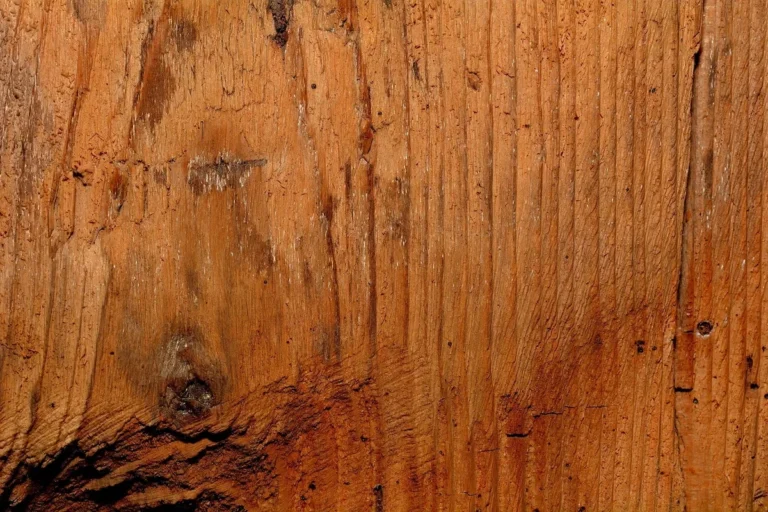
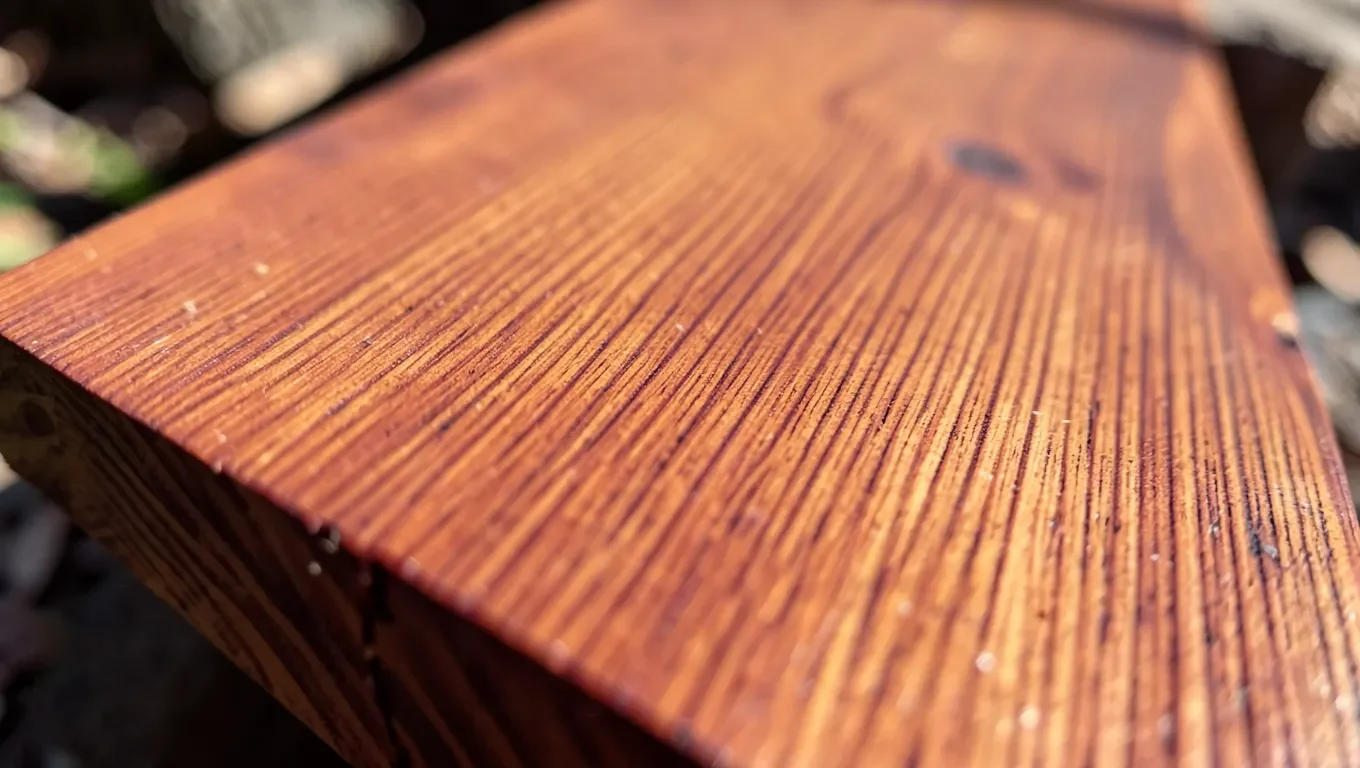
Redwood heartwood is naturally reddish-brown to deep red-violet — not the silvery gray most people picture, which is actually sun-bleached surface wood, not the tree’s real color.
If you’re looking at a deck, fence, or siding board and trying to figure out whether it’s really redwood, the color alone can be misleading. Freshly milled redwood and old, weathered redwood can look like two completely different woods, and which part of the tree a board came from — heartwood or sapwood — changes the color again. Here’s what actually determines redwood’s color, and how to tell natural aging from a wood that’s actually damaged.
What Color Is Redwood, Exactly?
Fresh-cut redwood heartwood falls in the reddish-brown family — think Sienna or a muted terracotta, roughly in the #7A3B2E to #A0522D range — with old-growth lumber trending darker toward a deep red-violet brown. That’s the color paint and stain chips labeled “redwood” are trying to match, and it’s also the color the wood itself only holds onto for a limited time outdoors before UV exposure changes it (more on that below).
Closest Match To Natural Redwood Heartwood Color
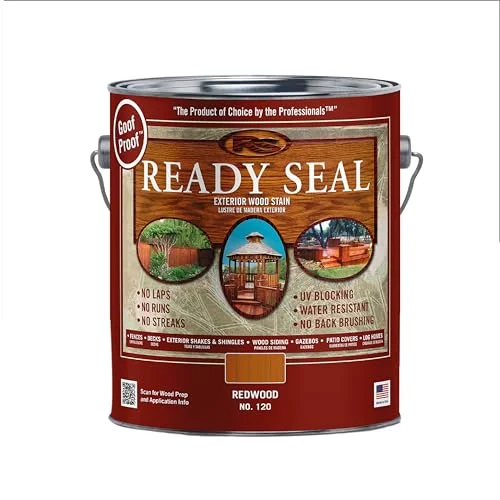 |
Ready Seal Exterior Wood Stain & Sealer, Redwood – $34.79 A semi-transparent oil stain tinted to match fresh-cut redwood heartwood — useful whether your deck is actual redwood that’s already grayed, or cedar/pressure-treated lumber you want to look like redwood.
|
Most stains sold as “redwood” or “redwood tone” aren’t made from actual redwood pigment — they’re synthetic tints formulated to approximate that fresh-cut heartwood color, because most redwood-look decks and fences you’ll see are cedar or pressure-treated pine wearing a redwood-colored finish rather than real redwood lumber.
Heartwood vs. Sapwood: Two Very Different Colors
A single redwood board can show two distinct colors, and it’s not a defect. Heartwood is the dense, dead-cell core of the tree, and it carries the tannins responsible for both redwood’s color and its natural resistance to rot and insects. Sapwood is the outer band of younger, still-living wood, and it’s much paler — close to cream or a light pink, with almost none of the tannin concentration that gives heartwood its color or its durability.
This is why redwood lumber grades like “construction heart” or “clear heart” cost more than grades that include sapwood: you’re paying for a higher percentage of the darker, more rot-resistant heartwood, not just a color preference. If a board looks unevenly colored with a pale stripe along one edge, that’s usually sapwood, not a sign of poor quality or a different species entirely.
Why Redwood Turns Silver-Gray Outdoors (And Why That Isn’t Rot)
Unfinished redwood left outdoors doesn’t stay reddish-brown for long. UV light breaks down lignin in the outermost wood cells — a process called photodegradation — and what’s left behind is mostly cellulose, which reflects light as a flat silver-gray. This only happens in the top few cell layers of the wood, so the color change is entirely cosmetic and surface-level.
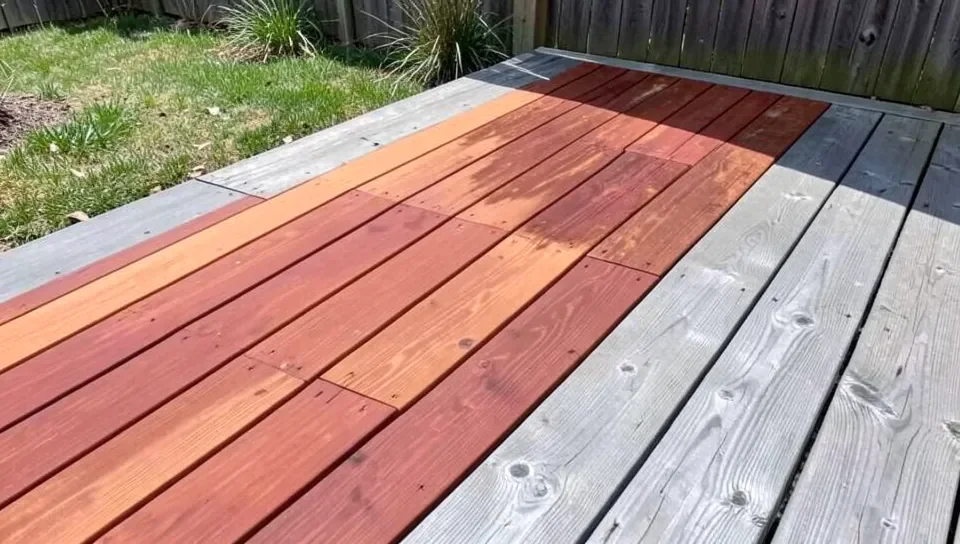
You can confirm this yourself: sand a small patch of grayed redwood, or look at a fresh cut end, and the original reddish-brown color is still there underneath. That’s different from actual rot, which shows up as soft, dark, crumbling wood rather than a uniform gray tone. Mildew and algae can also darken weathered wood with black or greenish blotches, which is a separate biological process from the UV graying and usually means the wood is staying wet too long, not that the color change itself is a problem.
Redwood Color Compared to Cedar, Pine, and Oak
Redwood’s tight, straight grain and reddish-brown to red-violet heartwood set it apart from the other woods it’s most often compared to or substituted for on a deck or fence:
- Western red cedar runs lighter — a pinkish-tan to reddish-brown — and typically shows more visible knots than clear-grade redwood.
- Pine starts pale yellow-white and ambers with age and UV exposure, even indoors; it has none of redwood’s natural reddish tone to begin with.
- Oak is a light tan to medium brown with a distinct ray-fleck grain pattern, a completely different figure from redwood’s straight, mostly knot-free grain.
When the color alone doesn’t settle it — a weathered gray board can look similar across all three species — smell is often the more reliable tell. Cedar has a strong, distinct aromatic scent that redwood mostly lacks, so a quick sniff of a fresh cut can separate the two faster than color comparison can.
How to Tell If a “Redwood” Deck Is Actually Redwood
Because redwood-tone stains are so common, color alone won’t confirm the species underneath. A few checks help: real redwood is noticeably lightweight for its size compared to a similarly sized piece of pressure-treated pine, its grain is straight and tight with very few knots (knotty boards are usually pine or a lower grade), and it won’t have the greenish tint or chemical smell that freshly pressure-treated lumber often carries. If a board is stamped or tagged at the lumber yard, the species is listed directly — worth checking before assuming color tells the whole story, especially since a “redwood-tone” composite or pine board can fool the eye at a glance.
How to Keep Redwood’s Color — Or Let It Gray on Purpose
If you want to keep that reddish-brown tone, the wood needs a UV-blocking finish, not just a water sealant — a clear waterproofer will keep out moisture but won’t stop the color from fading, since graying is driven by sunlight, not water. A semi-transparent oil stain with UV-blocking pigment, reapplied roughly every one to two years depending on sun exposure, is the standard approach; see our full guide to choosing a deck stain and sealer for how the different formulas compare, and our stain color chart if you’re trying to match an exact redwood shade.
Before applying any stain, clean and lightly sand the surface first — a pressure wash or deck cleaner removes surface dirt and the loosened gray fibers, and a light sanding (100–120 grit is usually enough) opens the grain so the new stain penetrates evenly instead of sitting on top in blotches. Skipping this step is the most common reason a fresh coat looks patchy: the stain grabs unevenly onto whatever gray, degraded wood is still there.
Letting redwood gray naturally is also a legitimate choice, not a maintenance failure — it’s cheaper (no reapplication schedule) and some homeowners prefer the weathered look. The tradeoff is that reversing it later means sanding or stripping the surface back down to the reddish-brown wood before a fresh UV-blocking finish will look right; a stain applied directly over already-grayed, degraded surface fibers won’t restore the original color evenly.
Frequently Asked Questions
What color is redwood naturally?
Redwood heartwood is naturally reddish-brown, ranging from a lighter pinkish-red in younger growth to a deep, almost red-violet brown in old-growth lumber. That color comes from tannins concentrated in the heartwood, which is also what makes redwood naturally rot- and insect-resistant.
Why does redwood turn gray outdoors?
Sunlight breaks down lignin in the outermost wood cells, a process called photodegradation. That leaves behind cellulose, which reflects light as silver-gray. It only affects a few cell layers deep, so the reddish-brown color is still there under the surface.
Is gray, weathered redwood rotting or damaged?
No. Graying is a cosmetic surface change from UV exposure, not decay. You can confirm this by sanding a small spot or cutting into the board — the wood underneath will still show its original reddish-brown color. Actual rot looks soft, dark, and crumbly, not uniformly gray.
What’s the color difference between redwood heartwood and sapwood?
Heartwood is the reddish-brown center of the tree and is what people mean by “redwood color.” Sapwood is the outer band of younger, still-living wood, and it’s much paler — almost cream to light pink. Lumber graded “construction heart” or “clear heart” is priced higher partly because it’s mostly the darker, more rot-resistant heartwood.
Conclusion
Redwood’s real color is a reddish-brown to red-violet heartwood tone — the silver-gray most people associate with redwood decks and fences is weathered surface wood, not the species’ natural shade. Whether a board is showing its true color or its weathered one comes down to sun exposure and which part of the tree it’s from, not the health of the wood underneath.
Sponsored / affiliate links. As an Amazon Associate I earn from qualifying purchases. I may earn additional commission from eligible campaigns.