Engineered Hardwood Flooring: Lasting Quality Proven
Engineered hardwood flooring offers impressive durability and value. With proper care and installation, it can significantly enhance your home’s appeal and last for decades, often exceeding homeowners’ expectations for longevity and quality. Its robust construction makes it a wise investment for a beautiful, lasting floor.
Hey there, fellow DIYers and home renovators! Are you eyeing that beautiful hardwood look for your home but find yourself hesitating? Maybe you’re concerned about whether it can truly stand up to daily life or how long that investment will actually last. It’s a common worry for many, as we all want our floors to be gorgeous and durable. The good news is, today we’re demystifying one of the most popular and reliable flooring choices: engineered hardwood. It’s celebrated for its quality and lasting beauty, and by the end of this guide, you’ll see exactly why it lives up to the hype and how to ensure yours lasts for years to come.
Discovering Deeper: What Exactly is Engineered Hardwood Flooring?
Engineered Hardwood vs. Solid Hardwood: A Clear Difference
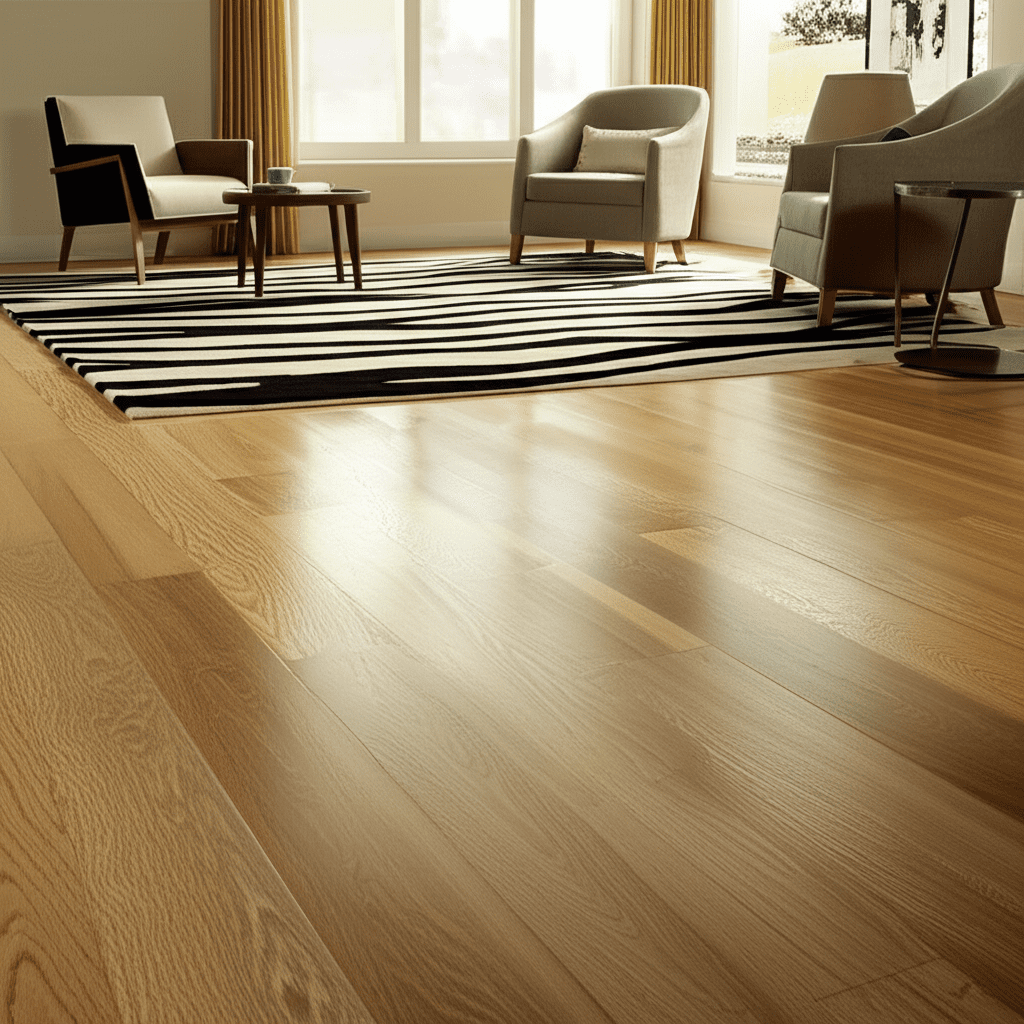
It’s super important to know what you’re working with. Engineered hardwood flooring might look like solid hardwood—and it truly does!—but its construction is a bit different, and that difference is what gives it incredible strength and stability. Solid hardwood flooring planks are cut from a single piece of wood all the way from top to bottom.
Engineered hardwood, on the other hand, is crafted with a smart layering technique:
- Top Layer (Veneer): This is the beautiful hardwood you see – oak, maple, walnut, you name it. It’s what gives your floor its stunning visual appeal.
- Middle Layers (Core): These are typically made from high-density fiberboard (HDF) or plywood comprised of core layers made from real wood veneers, often arranged in opposing directions – almost like a cross-grain super-structure.
- Bottom Layer (Backing): Another wood veneer or stabilizer to keep the whole thing perfectly Pbalanced.
This layered approach makes engineered hardwood significantly more stable than solid hardwood, especially when it comes to changes in humidity and temperature. To learn more about the manufacturing process, reputable sources like the Hearthstone have excellent insights into solid versus engineered hardwoods.
We’re really trying to get to the next step in a quick progression of articles on hardwood floors, so a table on comparing types is essential, not just a descriptive paragraph on flooring differences.
How Does This Construction Impact Durability?
Great question! Because of those stabilizing core layers, engineered hardwood is much less prone to expanding, contracting, warping, or cupping from everyday moisture fluctuations. Many engineered hardwood floors can be installed in areas of the house where solid hardwood might not be recommended, such as basements or areas with a higher chance of humidity, like even kitchens. Its strong core acts as a buffer, keeping the beautiful hardwood veneer looking its best for longer periods.
This stability means fewer worries about your floor performing poorly in between seasons or if your home’s humidity levels change. It’s design is specifically made to combat the natural inclination for wood to expand and contract with environmental shifts. This inherent resilience is a key factor in its reputation for lasting quality.
The Real Question: How Long Does Engineered Hardwood Flooring Last?
This is often the million-dollar query! The lifespan of engineered hardwood flooring is wonderfully extensive, but it hinges on a few key elements. If we consider a reasonably active household with a focus on sensible care, you can honestly expect your engineered hardwood floors to last anywhere from 25 to 100 years. Yes, you read that right! 100 years is fully possible! The top layer plays a crucial role here – often called the ‘wear layer’, and its thickness dictates how many times the floor could potentially be refinished (if it can be hardwood or not).
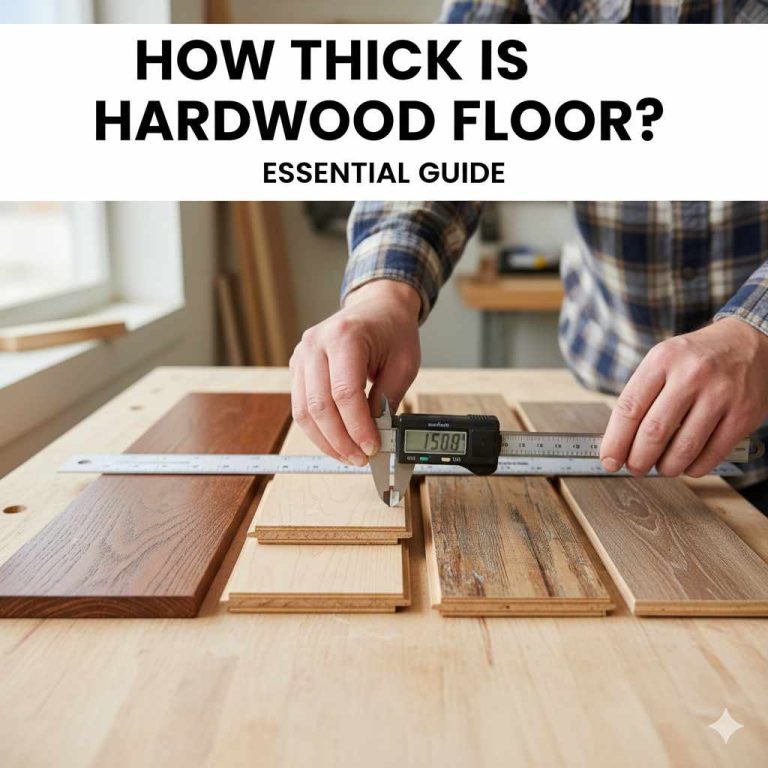
The thickness of that top hardwood veneer is the most critical factor affecting its longevity and refinishing potential. Generally, engineered hardwood is categorized by its wear layer thickness:
| Wear Layer Thickness (mm) | Durability & Refinishing Potential | Typical Lifespan |
|---|---|---|
| 0.5 – 1 mm | Good durability, generally not restorable beyond possibly a screen and recoat, NOT typically sanded hardwood. | 20-30 years with great care? |
| 2 – 3 mm | Excellent durability, can be sanded and refinished once or maybe twice. Very strong wear layer quality. | 40-70 years if cared for? |
| 4 mm or more | Exceptional durability once more, allowing for multiple refinishing cycles and showcasing its true wood benefits: This can sand like its solid siblings. | 70-100 years if its taken care ? of |
When you choose wood flooring from reputable companies, the thickness details of their wear layered quality always provide detailed information on this to show you how long the wood can potentially last. Always verify the the thickness measurements specific to any flooring choice.
According to standards set at places like the National Wood Flooring Association ((NWFA), what is properly maintained wood, like well taken care of engineered systems, have no set expiry. They always specify quality and how to care for our flooring products.
Factors Influencing Your Flooring’s Lifespan
While the inherent quality is key, so you actively maintain the plank flooring:
- Installation Quality: A proper installation makes certain the planks are firmly attached, helping to prevent movement and uneven wear. Whether using aGlue or nailing technique; proper attachment is absolutely crucial
- Traffic and Wear: High-traffic areas (hallways, entryways, playrooms occupied by kids younger children) see more wear and tear. Using rugs or runners in these places can dramatically increase the lifespan here. Think about entrance mats too.
- Pet Ownership: Pets are family members! However, their claws AND tracking in dirt are real concerns. Keep pet nails trimmed so they avoid scratching your hardwood beautifully. Wipe paws after any outdoor playtime.
- Maintenance is Key: Regular cleaning using the correct methods and minimal water is essential. Dried dirt works hard as fine-grained sandpaper across the entire surface of you floors—even if they’re engineered !
- Acquisition Choice Matters: Always select product reviews known for quality, perhaps from respected suppliers for this beautiful material flooring manufacture brands known widely .
“How long does these engineered hardwood floors last has some many reasons too count. People who invested in truly top-class, thick-layered hardwood flooring installed carefully, and thereafter treated it with kindness , continue to rave about its success—40+ decades later!” reports one such satisfied engineerable wood patron.
Caring for Your Engineered Hardwood: Lessons Learned from a Woodworker
Alright, let’s get down to what you can DO to make your engineered hardwood flooring practically immortal. As someone who loves working with wood, maintaining its beauty is as rewarding as the initial project installation itself! Prevention and gentle, correct care are your best friends.
Daily & Weekly Care to Love Your Floors
Think of this as a gentle massage for your floors every so often.
Sweep or Vacuum Regularly: Use a soft-bristle broom or a vacuum cleaner with a hard floor attachment. Avoid beater bars, as these can scuff and scratch the protective finish on your flooring, even if its hardwood . Its great to capture dust, dirt, pet hair, and tiny grit!
Ah, Spills Happen!, Clean ‘Em Smart: If you notice a Spill or Drop, tackle it immediately! Use a slightly damp cloth or sponge for little things. A microfiber mop, ever-so-slightly darned until it’s barely damp—really, just a whisper damp—is also ideal with water as its base . Do NOT use excessive water because standing Puddles of water can find their way between the planks and cause damage to your flooring over a broad spectrum which could warp hardwood products or cause damage to its overall core value
Use Your Doormats: Place mats both inside and outside exterior doors. These act as the first line of defense against dirt, moisture, and grit tracked in on shoes—all of which quickly start to look like really roughing sandpaper for floor surfaces for everyone to view.
We’ll even take some questions out of these common FAQ concerns
This list should definitely take precedence as your beginner method:
Key Supplies for Sparkling Engineered Hardwood: Have these essentials ready!
Soft-bristled broom
Vacuum cleaner with hard floor attachment only
Microfiber mop specifically for hard floors
pH-neutral wood floor cleaner (important: check manufacturer recommendations FIRST!)
Clean, soft cloths for spot cleaning and drying
Protecting Your Investment from Deep-Seated Threats
Let’s talk long-term resilience, like giving your floors a strong shield:
Furniture Foot Protection: Those heavy sofas and tables can damage your floor without protection. Felt pads. They’re cheap protective solutions available from various outlets that will stop scratch marks before they happen during furniture moves.
Area Rugs and Mats: Smart placement can prevent wear. Use durable area rugs in high-traffic areas like foyers, hallways, and living spaces, and kitchen mats directly where standing activity occurs. Ensure those are properly made from good quality materials. Backing doesn’t scour paint or coatings either! (Think felt or natural fibers. Check manufacturer advice before placing mats, to ensure they do not discolor the flooring below them, especially important for natural hues).
Pet Patrol – Claw Care and Paw Wiping: Stay on top of your pets’ nail trims! Long nails act more like sharp picks. Even indoor-active pets? It’s something you don;t foresee like when taking outdoor walks with your companion dog after playing . Gently wipe their paws routinely, especially after outdoor escapades which will remove grit tracked inside the dwelling.
Humidity Watch: While engineered hardwood is moisture-resistant, extremes can still be a problem. Aim to maintain a relative humidity level between 35-55%. Using a humidifier or dehumidifier in your New York condo or other environments can manage and normalize this internal environment. This might be extra key while heating your home up or cooling it via air conditioning seasons, per recommendations from sources like EPA information on indoor air quality.
Avoid “Wet Mops”: “Wet mopping” applies too much liquid too soon, and can damage engineered products tremendously if that water sits on the surfaced planks. Only “spritz and clean” which should not give too much liquid on entire surfaced areas. It really needs to be just perfectly managed and not soaked floors in general.
Did you know? My own workshop floors are original engineered pine, about 25, yes TWENTY-FIVE years old now. With lumber dust everywhere and constant machinery rolling, they still look superb today!
I always ensure that protective pads are applied under workbench weights and mobile tool carriers to preserve the surface underneath, preventing tiny wood particles from ingraining on itself over months. Routine cleaning ensures no stray metal shavings that came off small screws lay upon surface and scar flooring forever – because of this diligent care applied.
Can Engineered Hardwood Be Maintained? Deep Cleaning Explained
This is mainly asked after some very bad incident has spoiled a wood floor, but truly for quality wood grain boards its simply never necessary, especially compared to some things. However, sometimes life is just extremely complex:
Professional Refinishing : Not Possible (for thinner wear layers): If your engineered wood veneer is on lesser thickness levels of material as defined above, then a complete sanding or any total rejuvenation (sanding and RE-COATING) project may NOT be possible to be done. Often, you can really take care of your planks with a technique more like a “cleaning and screening”, rather than traditional heavy Pfull SANDING. This buffs existing coat to take minor Scuffs AND provides it an brand-new coat that helps repel future damage too as looking quite so vibrant in the glow of a good modern oil finish as possible which can be sealed after?
Deep Cleaning Methods : For really tough jobs—like say, greasy marks or scuffs that won’t easily come off—you’d stick to a specifically designed engineered wood cleaner. For this procedure, spray sparingly onto a soft microfiber cloth and gently rub the affected area. Test in an inconspicuous spot first always!! We don’t have very harsh consequences with these methods normally, though, because you generally start with quality.
My own timber workshop experience showed me just how critical it is to NOT scrub harshly. A slightly damp microfiber cloth infused carefully and effectively with 1/Four part manufacturer provided cleanser works well enough typically and will serve as a lasting, perfect surface maintenance strategy!
Pros and Cons: What Makers Really Reveal—An Even Balance
Even the best options have their trade-offs, as you’d expect with really superb engineered wood quality:
| Advantages of Engineered Hardwood | Disadvantages of Engineered Hardwood—As Revealed for YOU |
|---|---|
| Superior Stability: Handles humidity shifts better than solid wood. So important for homes where climate, plus kids or the active person’s routine, is ever uncertain? It won’t swell or warp! It becomes a very nice lasting surface. You see it in its full gorgeous glory much earlier. | Limited Refinishing (Generally): Thinner wear layers can become exhausted from sanding which therefore means it ultimately needs board reinstallation or may indeed have been impossible from inception in the first place concerning a good, full floor reset via Pwood floor. So it does NOT mean unlimited renewed life, obviously. That much is surely true for those wood pieces themselves. |
| Versatile Installation: Can be glued, stapled, nailed, or floated. Perfect flooring for concrete bases (as long as moisture barrier protocols are followed). Extremely easy indeed. | Can Appear Less Luxe than Solid Hardwood: To certain discerning homeowners, the visual luxury is, in fact, a touch lower than solid, where grain patterns emerge organically without such layered processes. This is mostly subjective of course; many consumers do not discern one from other nowadays? |
| Beautiful Aesthetic: Genuine hardwood top layer means it IS beautiful still! It provides a truly amazing and genuine wood home finish that is quite irreplaceable. For you, for them for sure, this surface looks fantastic every minute of the very day for many, so everyone appreciates hardwood. It’s fantastic quality wood board with extremely durable wear surfaces making so your entire dwelling truly looks quite wonderful after hardwood is IN- PLACE from initial instal. | VOC Concerns (Sometimes): Some engineered woods utilize adhesives which issue faint VOCs (Volatile Organic Compounds). To combat this very simply, always seek Low-VOC certified engineered wood when shopping! These offer quality PLUS the assurance that they represent minimal threat to home ambient healthy climate today. A major positive that truly helps people with this flooring choice selection, no doubt. The US’s Department of Housing & Urban Development HUD provides guidebooks often as well too regarding indoor pollutants within homes today. You can find similar HUD guidlines here. You can be sure that every supplier or manufacture we work with understands ALL governmental safety and general guidelines these days so that way you should get great final results AND feel sound as wood floor will perform perfectly over years so as NOT create more issues for anyone at the wrong time eventually. That will serve your needs and its inherent appeal exceedingly well because so of their high professional quality. |
| Cost-Effective: Often more affordable than solid hardwood. Thus often very good quality wood board at amazing retail cost figures. | The cost can indeed hover up for superior wears as one would probably wish, so it is worthy looking around for the right best value quality wood product that can perform to a higher living comfort level over twenty! years. One simply cannot overpay for quality if it means its durability for all future needs too ultimately providing great, functional lasting decorative appeals for that abode they own or rent. |
As a woodworker, I always stress selecting materials wisely. The extra few dollars for engineered hardwood from a reputable source, especially with a thicker wear layer for superior toughness — pay very well over duration compared here.
Frequently Asked Questions (FAQs) About Engineered Hardwood
Q1: How often should I deep clean engineered hardwood floors?
A1: You should aim for a “deep clean” with a manufacturer-recommended wood cleaner only when it’s truly necessary. Weekly sweeping and spot cleaning spills take care of most everyday messes. Think less about frequency and more about avoiding excessive moisture during any periodic cleans.
Q2: Can I install engineered hardwood in my bathroom or kitchen?
A2: Yes, in many cases, you can! Engineered hardwood is much more stable than solid hardwood due to its layered construction, making it more resistant to humidity fluctuations common in bathrooms and kitchens. However, it’s crucial to check the specific product’s rating and manufacturer instructions for wet areas, and always keep moisture—like splashes or spills—cleaned up immediately.
Q3: What’s the best way to remove scuff marks from engineered hardwood?
A3: For minor scuffs, try to gently rub the area with a pencil eraser or a clean micro-fiber cloth. For tougher scuffs, use your pH-neutral wood floor cleaner sprayed sparingly onto a cloth, then gently rub. Always test any cleaning solution in an inconspicuous spot first to ensure it doesn’t damage the finish, and never use abrasive cleaners or excessive water.
Q4: Is it true that some engineered hardwood floors can’t be refinished?
A4: Yes, this is generally true for engineered planks with very thin wear layers (typically under 2mm épais). If the wear layer is too thin, sanding it down to refinish the planks risk is damaging the structural integrity and can go too deep. Higher quality engineered wood has thicker wear layers (2-4mm+ épais) and can usually be lightly buffed and recoated, similar to restoring solid wood, but actual full sanding and complete finishing processes might be somewhat more limited.
Q5: How important is it to use the specific recommended cleaner for engineered wood flooring?
A5: It’s very important! Recommended wood floor cleaners are formulated to effectively clean without causing damage to the specialized urethane or aluminum oxide finishes often found on engineered hardwood. Using harsh chemicals (like ammonia or vinegar solutions too strong unless really specified for these certain circumstances) or abrasive cleaners can dull the finish, wear it away prematurely, or leave stubborn residue and markings.
Also here, for my DIY floor installers, one can surely seek much more guidance right off of Manufacturer Product Data Sheets, as these typically prove invaluable to everybody.
Conclusion: Trustworthy, Timely, Triumphant Flooring!
So, there you have it! Engineered hardwood flooring truly offers that coveted premium wood look with remarkable strength and longevity. When you pick a reputable brand, prioritize that substantial wear layer, and commit to consistent, gentle upkeep, you’re choosing more than just smart flooring; you’re investing in the lasting beauty and value of your home.
From their stable construction to their stunning appearance, engineered hardwood floors are designed to weather the demands of family life, acting almost as dependable structures for your happy domestic occasions. Remember the simple keys: a bit of dust control with sweeping or gentle vacuuming, swift attention to spills, proper protection under furniture, and always consulting your manufacturer’s care guides. Embrace it, nurture it, and your engineered hardwood floors will reward you with elegant charm and dependable quality for many, many memorable years ahead. Go ahead, trust the quality of the engineered choice!