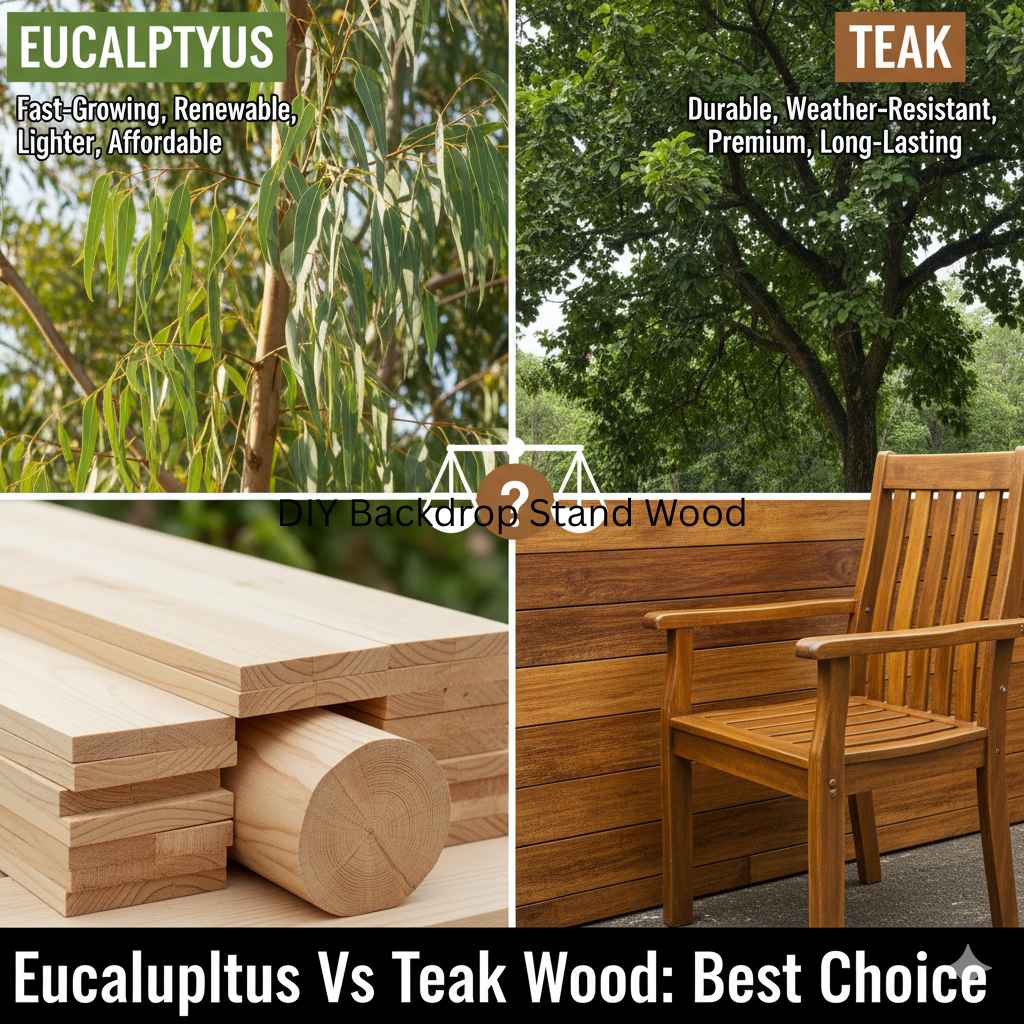
Eucalyptus Vs Teak Wood: Best Choice
For outdoor furniture, eucalyptus offers a budget-friendly, durable choice that requires some upkeep, while teak is the premium, low-maintenance, and naturally weather-resistant option. Your best choice depends on your budget and desired longevity.
Choosing the right wood for your outdoor projects can feel like a puzzle, especially when you want something that looks great, lasts a long time, and won’t break the bank. Two very popular options often come up: eucalyptus and teak. Both are fantastic woods, but they have some key differences that can make a big impact on your finished project and your wallet. Don’t worry, though! I’m here to help you sort out which one is the perfect fit for your next DIY adventure. We’ll walk through exactly what makes them tick, so you can feel confident in your decision.
Eucalyptus vs Teak Wood: Unpacking the Differences for Your Outdoor Projects
As Md Meraj, your woodworking mentor, I’ve worked with countless wood types, and when it comes to outdoor furniture or structures, eucalyptus and teak are real contenders. They both stand up to the elements better than many other woods, but they get there in different ways. Understanding these nuances will help you pick the perfect material for your needs, ensuring your hard work looks beautiful for years to come.
Let’s dive deep into what makes each wood unique. We’ll look at their strengths, weaknesses, how they handle the weather, and what kind of care they need. By the end, you’ll have a clear picture to help you make the best choice for your budget and your desired outcome.
What is Eucalyptus Wood?
Eucalyptus, particularly species like Australian Blue Gum or Red Gum, is a fast-growing hardwood. It has become a popular choice for outdoor applications because it’s readily available and offers a good balance of durability and affordability. It’s known for its strength and resistance to certain pests, making it a practical option for furniture, decking, and fencing.
This wood has a distinctive grain pattern, often appearing straight but sometimes wavy, which can give furniture a unique look. Its color can range from light tan to reddish-brown, and it can weather to a silvery gray if left unfinished, similar to teak. However, its oil content is not as high, which means it requires more protective sealing and maintenance to keep it in top condition outdoors.
Pros of Eucalyptus Wood:
- Affordability: Generally less expensive than teak, making it a great choice for budget-conscious projects.
- Good Strength: It’s a dense hardwood, offering good durability and resistance to wear.
- Eco-Friendly Growth: Eucalyptus trees grow very quickly, making them a more sustainable choice in many regions.
- Pest Resistance: Naturally resistant to many common wood-destroying insects.
Cons of Eucalyptus Wood:
- Requires More Maintenance: Needs regular sealing and oiling to protect against moisture and UV damage.
- Can Crack or Warp: If not properly maintained, it can be more susceptible to cracking, warping, and splintering than teak.
- Swell and Shrink: Tends to expand and contract more with changes in humidity.
- Not as Naturally Weather-Resistant: While good, it doesn’t have the same inherent natural oils that protect teak.
What is Teak Wood?
Teak is a tropical hardwood, famed for its exceptional durability and natural resistance to the elements. It’s renowned for its golden-brown color and beautiful, often straight, grain. What truly sets teak apart is its high natural oil content. These oils act as a built-in water repellent and protect the wood from decay, rot, and insect infestation, including termites. This makes it a premium choice for high-end outdoor furniture, boat decks, and anywhere that demands maximum longevity and minimal maintenance.
The Janka hardness rating for teak is quite high, signifying its density and strength. This density, combined with its oily nature, means teak weathers exceptionally well. When exposed to sunlight and rain, it will naturally develop a beautiful silvery-gray patina over time, which many people find very attractive and indicative of well-aged teak. Because of its superior performance and premium reputation, teak is also significantly more expensive than eucalyptus.
Teak is a cornerstone in premium outdoor furnishing. Its ability to withstand harsh weather conditions without significant degradation makes it a favorite for boat builders and discerning homeowners alike. For more information on wood hardness and its implications, you can check out resources like The Wood Handbook from the U.S. Forest Products Laboratory, which details wood properties and their uses.
Pros of Teak Wood:
- Exceptional Durability: Extremely long-lasting, even in harsh weather conditions.
- Natural Weather Resistance: High oil content naturally repels water, resists rot, and deters insects.
- Low Maintenance: Requires very little upkeep to maintain its structural integrity.
- Develops a Beautiful Patina: Ages gracefully into a sought-after silvery-gray color.
- Dimensional Stability: Less prone to shrinking, swelling, and warping compared to most woods.
Cons of Teak Wood:
- High Cost: Significantly more expensive than most other hardwoods, including eucalyptus.
- Heavy: Teak is a very dense wood, making it heavy to move and work with.
- Sustainability Concerns: While many teak sources are managed sustainably, illegal logging can be an issue. Always look for responsibly sourced teak.
Direct Comparison: Eucalyptus vs Teak Wood
To make things even clearer, let’s put eucalyptus and teak side-by-side. This comparison highlights the key features that will influence your decision.
| Feature | Eucalyptus Wood | Teak Wood |
|---|---|---|
| Durability in Outdoors | Good, but requires consistent maintenance. | Excellent, naturally weather-resistant for decades. |
| Maintenance Needs | High (oiling & sealing needed regularly). | Very Low (can be left unfinished or lightly oiled). |
| Cost | Mid-range, more affordable. | Premium, significantly more expensive. |
| Appearance (Initial) | Light tan to reddish-brown. Can have wavy grain. | Golden-brown to deep brown. Often straight grain. |
| Appearance (Aged) | Can weather to gray, but may show wear more. | Develops a beautiful, even silvery-gray patina. |
| Resistance to Rot & Insects | Moderate; can be susceptible if not maintained. | Excellent; inherent natural oils provide strong defense. |
| Workability | Relatively easy to work with, but density can vary. | Can be challenging due to density and oils, but cuts cleanly. |
| Sustainability | Generally good; fast-growing. | Varies; look for certified sustainable sources. |
Key Factors to Consider for Your Choice
When you’re standing in the lumber yard or browsing online, it’s easy to get overwhelmed. But let’s focus on the practical things that matter most for your project:
1. Your Budget: The Budget Factor
This is often the biggest deciding factor, and for good reason. Teak is a luxury material. If you’re splurging on a statement piece that you want to last a lifetime with minimal fuss, teak might be worth the investment. However, if you have a more limited budget, eucalyptus offers fantastic value. You get a durable, attractive hardwood that can do a great job outdoors, provided you are willing to put in a bit more effort for its upkeep.
2. Longevity and Durability: How Long Do You Want It to Last?
If your goal is to build something that will withstand the test of time with very little ongoing care, teak is the undisputed champion. Its natural oils make it incredibly resilient. Eucalyptus is durable, certainly, and much better than pine or fir for outdoor use, but it doesn’t have that same inherent resilience. For eucalyptus to last as long as teak, you’ll be investing more time and money in regular maintenance. Think of it as a car: teak is a luxury SUV that handles all terrain with ease, while eucalyptus is a solid sedan that needs regular servicing to keep it running smoothly.
3. Maintenance Commitment: Are You a DIYer or a Dabbler?
Be honest with yourself about how much time and effort you’re willing to dedicate to maintaining your outdoor wood projects. If you love the process of oiling and sealing, and enjoy the ritual of caring for your wood, eucalyptus is a great canvas. You can keep it looking rich and vibrant with regular attention. If you’d rather build it and forget it, or just want to give it a quick clean once in a while, teak is your best bet. Its natural properties mean it stands up to the elements with minimal intervention.
4. Aesthetic Preferences: The Look You Desire
Both woods have beautiful appearances, but they age differently. Teak, when left unfinished, develops a classic, elegant silvery-gray patina that is highly prized. This weathered look is a hallmark of quality outdoor teak furniture. Eucalyptus can also weather to a gray tone, but it may not be as uniform or as aesthetically pleasing as teak’s, and it might show signs of surface wear more prominently. If you prefer a warmer, more natural wood tone, both can be maintained with regular oiling and sealing. Understand how each wood will look after years of exposure to your local climate.
For an in-depth look at wood finishing, especially for outdoor use, you might find this guide from the Wood Database helpful: Wood Finishing and Care.
Working with Eucalyptus and Teak: What Beginners Need to Know
As a beginner, you want projects that are rewarding and not overly frustrating. Here’s what you can expect when you choose either wood:
Working with Eucalyptus:
Eucalyptus is generally easier for beginners to handle than teak. It cuts, sands, and finishes reasonably well. However, its density can vary between species, so you might encounter some tougher sections. When it comes to joining, it takes screws and glue effectively, but pre-drilling pilot holes is always a good idea to prevent splitting, especially near edges. Because it’s less oily than teak, finishes adhere well, allowing you to easily seal it with UV-protective varnishes or oils to keep it looking its best.
Tip for Beginners: Always wear safety glasses and a dust mask when cutting or sanding any wood, including eucalyptus. The fine dust can be irritating.
Working with Teak:
Teak’s density and natural oils can make it a bit more challenging for a beginner. It’s heavy, which means it can dull your tools faster. You’ll want sharp blades and bits for clean cuts. The oil content also means that some glues might not adhere as strongly as they would to other woods; specialized marine-grade adhesives are often recommended for critical joints. For many outdoor furniture applications, screws are sufficient, and pre-drilling is essential to prevent splitting. Finishing teak is more about protection and maintaining its color if you don’t want the patina. A good quality teak oil or sealer will enhance its natural beauty without requiring the frequent reapplication that eucalyptus might need.
Safety First: Teak dust can be an irritant. Always use a dust mask and enclosed goggles when cutting or sanding. Its weight also means you need to be mindful of lifting and handling.
Maintenance Steps for Each Wood Type
To help you keep your projects looking great, here’s a basic maintenance plan for both eucalyptus and teak.
Maintaining Eucalyptus Wood Outdoors:
- Clean Regularly: Wash your eucalyptus furniture or deck with mild soap and water at least twice a year to remove dirt, mold, and mildew. A soft brush can help.
- Inspect for Damage: Look for any signs of cracking, splintering, or loose fasteners. Address these issues promptly.
- Sand Lightly (If Needed): If the surface feels rough or has minor imperfections, a light sanding with medium-grit sandpaper (around 120-180 grit) can smooth it out.
- Apply Sealer/Oil: This is the most critical step for eucalyptus. Use a high-quality exterior wood sealer or a penetrating teak/hardwood oil. Apply it according to the product instructions, typically once or twice a year, or whenever the wood starts to look dull or absorb water. This protects against UV rays and moisture.
Maintaining Teak Wood Outdoors:
The beauty of teak is its minimal maintenance requirement.
- Occasional Cleaning: Wash with mild soap and water to remove surface dirt or grime. A soft brush is usually all you need.
- Allow to Weather: Most owners choose to let teak age naturally into its silvery-gray patina. This requires almost no effort beyond cleaning.
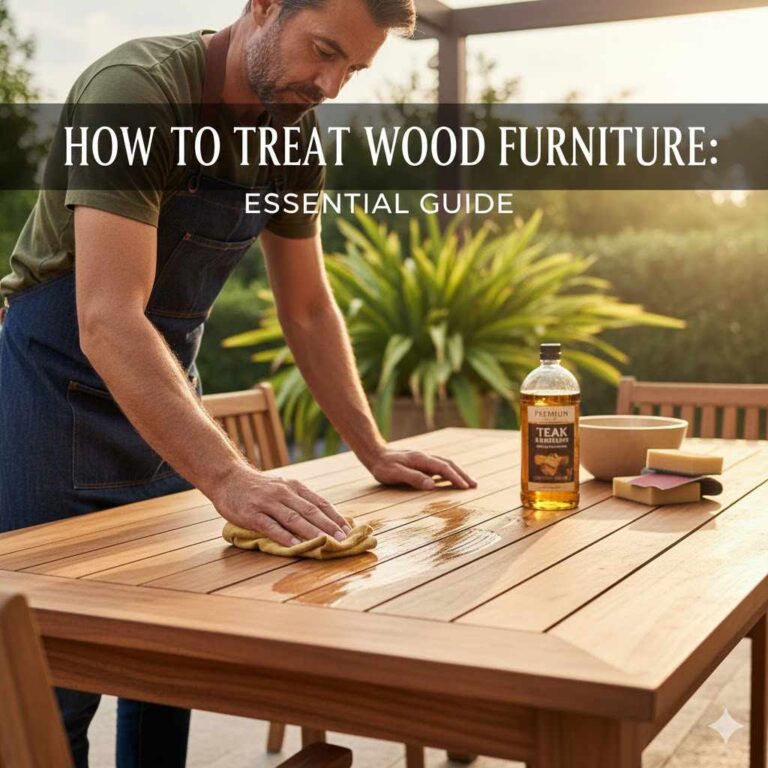
- Optional Oiling (for Color Retention): If you prefer to keep the golden-brown hue, you can apply a specialized teak oil or sealer. This will need to be done periodically, perhaps once every 6-12 months, depending on the product and your climate. Reapplication will be necessary to maintain the color as it will gradually fade.
- Spot Treat Stains: Minor stains can usually be wiped away with a damp cloth. For tougher spots, a specialized teak cleaner might be helpful, but usually, a gentle scrub is enough.
Common Projects for Eucalyptus and Teak
Both woods are excellent for outdoor use, but their differing price points and maintenance needs often steer them towards specific project types.
Projects Best Suited for Eucalyptus Wood:
- Backyard Furniture Sets: Dining tables, chairs, benches where budget is a consideration but durability is still important.
- Decking and Porches: A more affordable alternative to tropical hardwoods for areas that see regular foot traffic.
- Planter Boxes and Raised Beds: Durable containers for your garden that will last multiple seasons.
- Fencing and Gates: A nice-looking and robust option for defining property boundaries.
Projects Best Suited for Teak Wood:
- High-End Outdoor Furniture: Luxury loungers, dining sets, and deep seating for patios where longevity and a premium look are paramount.
- Marine Applications: Teak is the gold standard for boat decks and trim due to its extreme resistance to saltwater and weather.
- Pool Decks and Spa Surrounds: Its natural slip resistance when wet and resistance to chemicals make it ideal.
- Premium Pergolas or Gazebos: Structures that require maximum durability and minimal upkeep in exposed locations.
Eucalyptus Vs Teak Wood: The Final Verdict
So, what’s the best choice between eucalyptus and teak wood? It truly comes down to your personal needs and priorities. As your friendly woodworking mentor, I always say the “best” wood is the one that fits your project, your skills, and your budget!
If you’re designing a project where budget is a major concern, but you still want a beautiful, strong hardwood that can hold its own outdoors with a bit of care, then Eucalyptus is likely your winner. You gain a great-looking, durable material that’s sustainable and won’t require you to take out a second mortgage. Just remember to commit to that regular maintenance schedule to keep it looking its best and to maximize its lifespan. Think of it as an ongoing relationship with your project!
However, if you’re looking for the ultimate in outdoor durability and want a material that practically takes care of itself, and you have the budget to match, then Teak is your undisputed champion. Its natural oils make it incredibly resilient to water, sun, and pests, meaning it can last for many decades with minimal intervention. It’s the premium choice for a reason, offering unparalleled longevity and a classic, elegant appearance that only gets better with age.
Ultimately, both eucalyptus and teak are excellent choices for outdoor projects. By understanding their unique characteristics and considering your budget, maintenance commitment, and desired aesthetic, you can confidently select the wood that will help you create a project you’ll be proud of for years to come.
Frequently Asked Questions (FAQ)
Q1: Is eucalyptus wood good for outdoor furniture?
Yes, eucalyptus wood is a good choice for outdoor furniture. It’s a durable hardwood that offers good resistance to rot and insects. However, it requires regular maintenance, such as oiling and sealing, to protect it from moisture and UV damage and to prevent it from cracking or warping over time.