Do Black Walnut Trees Produce Nuts Every Year?
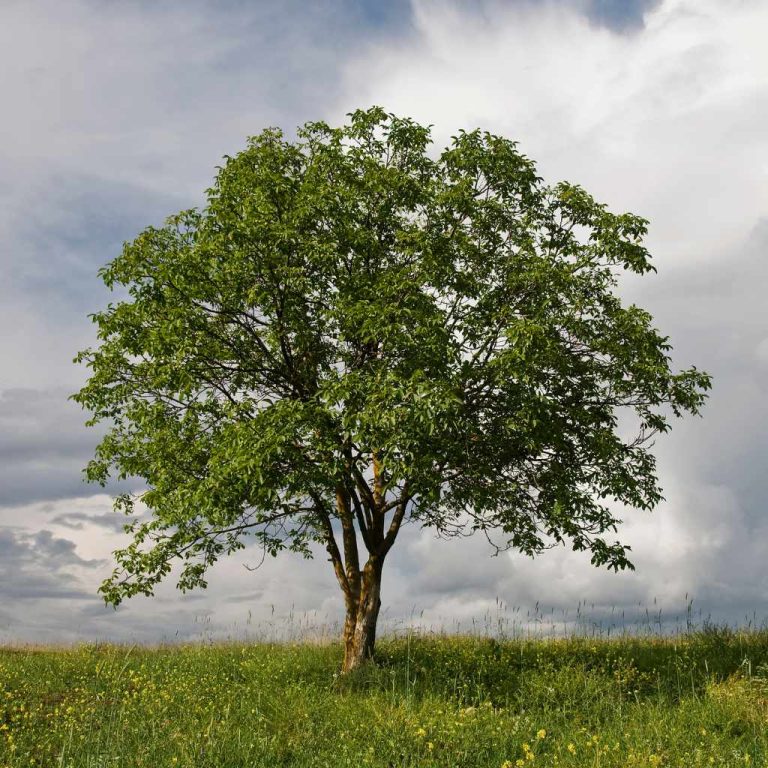
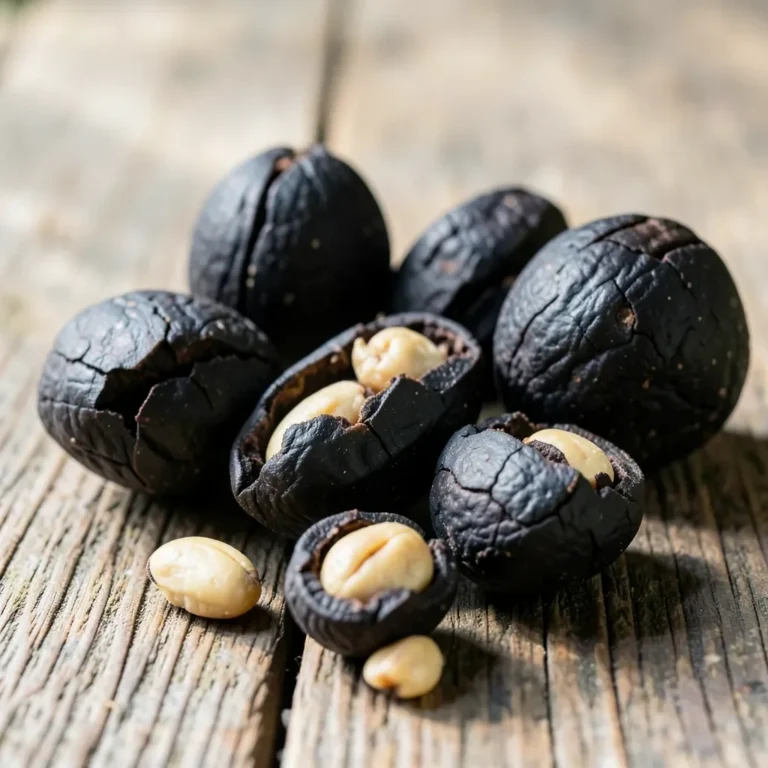
Black walnut trees do not produce nuts every single year without fail. Nut yield varies greatly year to year, influenced by a complex mix of environmental conditions, tree health, pollination, and even genetics. While some trees might produce a good crop annually, many experience fluctuations, with some years yielding abundant nuts and others very few or none at all.
Understanding Black Walnut Nut Production Cycles
Black walnut trees are hardy and beautiful. They give us wonderful nuts. But how often do they give them?
It’s not a simple yes or no answer. Many factors play a role. We need to look at the tree itself and its surroundings.
This helps us understand why some years are better than others.
The primary reason for inconsistent nut production is nature’s way. Trees don’t operate on a strict schedule like a calendar. They respond to what’s happening around them.
Think of it like a farmer waiting for a good harvest. Sometimes the weather is perfect. Other times, a late frost or a dry spell can ruin the crop.
Black walnut trees are no different.
One of the most important aspects is pollination. Black walnut trees are monoecious. This means each tree has both male and female flowers.
However, they bloom at different times. This is called dichogamy. The male catkins release pollen.
The female flowers, called nuts, are ready to receive it. If the timing isn’t right, pollination fails. This means no nuts develop.
Tree age is also a big factor. Young trees need time to mature. They focus energy on growing bigger.
They don’t start producing nuts until they are around 7 to 10 years old. Even then, it might be just a few nuts. Production usually increases as the tree gets older and stronger.
Very old trees can still produce a lot, but sometimes their energy wanes.
We also can’t forget about the weather. Extreme temperatures, heavy rain, or strong winds during flowering can be bad. A late spring frost can kill the delicate flowers.
Drought stress weakens the tree. It can’t support a large nut crop. Even good years can have fewer nuts if the tree is stressed.
The Science Behind the Nuts
Let’s break down the biology a bit. A black walnut tree (Juglans nigra) produces two types of flowers. There are male flowers, which look like long, drooping catkins.
These appear in spring. They release pollen. There are also female flowers.
These are small, greenish spikes that form at the end of new shoots. They are ready to be pollinated by the pollen from other trees, or sometimes even their own if the timing is perfect.
The problem is, the male flowers usually mature and release pollen before the female flowers on the same tree are receptive. This gap in timing is called protandry. It helps prevent self-pollination.
It forces the tree to rely on pollen from other black walnut trees. This is why having another black walnut tree nearby can often lead to better nut production.
If there aren’t enough nearby trees or if the wind doesn’t carry the pollen effectively, the female flowers won’t get pollinated. Unpollinated flowers will simply fall off the tree. They never develop into nuts.
This is a major reason for years with little to no nuts.
After successful pollination, the tiny nuts begin to grow. This is a very energy-intensive process for the tree. It needs plenty of water and nutrients.
If the tree is already struggling with pests, diseases, or poor soil, it might not have enough energy. It may abort the developing nuts. This is a survival mechanism.
The tree saves its energy for the next year.
So, it’s a dance between the tree’s internal readiness and external conditions. Perfect pollination plus ample resources equals a good nut crop. Any disruption in this chain can lead to a less bountiful year.
Understanding this helps us appreciate the effort a tree puts into producing those delicious nuts.
My Own Black Walnut Nut Year Saga
I remember one summer vividly. I had planted a beautiful black walnut tree a few years prior. It was growing nicely, a strong young specimen.
I was so excited for its future nut harvests. That year, the spring was unusually warm. Then, a brutal cold snap hit in late April.
I watched with dread as my apple blossoms browned. I also worried about my walnut tree.
In the late summer, I eagerly checked the tree. I saw a few tiny green husks. But they were small.
And there were hardly any of them. It was a real disappointment. I had envisioned bags of nuts.
Instead, I had just a handful that didn’t even fill a small bowl. I felt a pang of annoyance, then a wave of understanding. Nature had thrown a curveball.
That late frost likely zapped the potential for a good nut year.
The following year was different. The spring was mild and steady. The weather was just right for flowering.
I also noticed my neighbor had planted a couple of walnut trees too. This meant more pollen in the air. As summer progressed, the green husks on my tree grew larger and plumper.
By the fall, I had a respectable harvest. It was a great reminder that so much is out of our control. But when conditions align, the tree rewards us.
Factors That Influence Nut Production
Tree Age and Maturity
Young Trees (Under 7 Years): Focus on growth. Little to no nuts.
Adolescent Trees (7-15 Years): Start producing. Yield is often low and irregular.
Mature Trees (15+ Years): Reach peak production. More consistent yields are possible.
Very Old Trees: Production can decline with age. Still capable of good crops, but energy may be lower.
Pollination Success
Nearby Trees: More black walnut trees nearby increase pollen availability.
Wind Conditions: Adequate wind is needed to spread pollen effectively.
Flower Timing: Dichogamy (male and female flowers maturing at different times) is key. If timing is off, pollination fails.
Insect Activity: While wind-pollinated, general insect health can indirectly affect the tree’s overall vigor.
Environmental Conditions
Temperature: Extreme heat or cold during flowering can damage flowers or prevent pollen release.
Rainfall: Both drought and excessive rain during critical periods can harm nut development.
Frost: Late spring frosts are a major threat to developing flowers and young nuts.
Sunlight: Black walnuts need full sun to thrive and produce well.
Tree Health and Vigor
Soil Quality: Rich, well-drained soil is ideal. Poor soil limits nutrients.
Pest and Disease Pressure: Infestations weaken the tree, diverting energy from nut production.
Pruning: Incorrect pruning can stress the tree or remove fruiting wood.
Water Availability: Consistent moisture is crucial, especially during nut development.
When to Expect Nuts from Your Black Walnut Tree
So, when should you realistically start looking for nuts? Patience is key. As mentioned, young trees aren’t producers.
You need to wait for maturity. Think of it as an investment. You plant the seed, you nurture the sapling, and eventually, you reap the rewards.
Between 7 and 10 years old is when you might see the first few nuts. Don’t expect a bounty at this stage. These early nuts are like a preview.
They show the tree is capable. The actual significant harvests typically begin when the tree is 15 years or older. Some sources say 20 years for really heavy crops.
The growing season in your region also matters. Black walnuts need a long, warm growing season. In colder climates with shorter summers, nut production might be less reliable.
Or the nuts might not mature fully. The U.S. Department of Agriculture (USDA) Plant Hardiness Zones can give you a good idea of what your climate can support.
A good rule of thumb is to observe the tree’s flowering. If you see lots of healthy male catkins and receptive female flowers, and the weather cooperates, you have a good chance. But even with perfect flowering, remember that nut development takes months.
It’s a delicate process.
Most of the nut development happens from late spring through summer. The nuts are typically ready for harvest in the fall, usually September or October. The outer green husk will start to darken and may crack.
This is your signal that the nuts inside are mature and ready to be collected. If the husks are still bright green and hard, the nuts aren’t ready yet.
Why Your Black Walnut Might Not Be Producing Nuts
There can be many reasons why your beloved black walnut tree is being a bit stingy. It’s usually not just one thing. It’s often a combination of factors.
Let’s explore some common culprits.
Young Age is Common: This is the most frequent reason. You just can’t rush nature. If your tree is under 7 years old, it’s likely still focusing on establishing a strong root system and trunk.
It’s like a teenager saving money for a car instead of buying one outright. It’s building for the future.
Pollination Problems: As we discussed, black walnuts need cross-pollination. If your tree is isolated, meaning there are no other black walnut trees within a reasonable distance (sometimes up to a mile), the female flowers might not get pollinated. Even if there are other trees, the wind might not be strong enough, or the pollen might be weak.
Bad Weather at the Wrong Time: This is a huge one. A late frost in spring can wipe out the flowers. A severe drought during the summer can cause the tree to drop its developing nuts because it can’t support them.
Extreme heat can also stress the tree.
Poor Tree Health: A tree that is sick or struggling won’t have the energy to produce nuts. This could be due to:
- Poor soil conditions (too wet, too dry, lacking nutrients).
- Pest infestations (like walnut caterpillars or borers).
- Diseases (like anthracnose or bacterial blight).
- Damage from lawnmowers or construction.
When a tree is stressed, its survival instincts kick in. It prioritizes staying alive over producing nuts.
Competition for Resources: If your black walnut is planted too close to other large trees, it might be competing for sunlight, water, and soil nutrients. This competition can weaken the tree and reduce its nut-bearing capacity.
Nut Borers: These are tiny insects that bore into the developing nuts. They eat the kernels. If you see small holes in the nuts, or if the nuts fall prematurely with signs of damage, nut borers could be the issue.
They can significantly reduce your harvest.
Incorrect Location: Black walnuts need full sun. If your tree is planted in a shady spot, it won’t have enough energy for good nut production. They also don’t like constantly waterlogged soil.
The roots can rot.
Checking Your Tree’s Health
It’s important to be observant. Look for:
- Leaf Color: Are the leaves a healthy green, or are they yellowing or spotted?
- Branch Condition: Are there dead branches? Are the tips of branches dry or brittle?
- Bark: Is the bark intact, or are there cracks, cankers, or signs of insect entry?
- Overall Vigor: Does the tree look healthy and robust, or thin and sparse?
If you suspect health issues, consulting a local arborist or a cooperative extension office can be very helpful. They can diagnose problems and suggest solutions tailored to your specific situation and location in the U.S.
What This Means for You: Expectations and Checks
Understanding the nuances of black walnut nut production is key. It helps manage your expectations. You shouldn’t expect a perfectly predictable harvest every single year.
Nature is wild. Your tree is part of that wildness.
When It’s Normal to Have Few or No Nuts:
- Your tree is under 7-10 years old.
- There was a late spring frost during flowering.
- The summer was unusually hot and dry.
- Strong winds blew away pollen during the critical pollination period.
- You have an isolated tree with no other black walnuts nearby.
These are all natural occurrences. They happen. It doesn’t mean your tree is failing.
It means it’s reacting to its environment.
When to Be Concerned:
- Your tree is mature (over 15-20 years old) and has never produced a good crop.
- The tree shows consistent signs of poor health (yellowing leaves, dieback, visible pests or diseases).
- The tree has been consistently stressed by poor soil or lack of water for several years.
- You notice significant damage to developing nuts, suggesting pests like nut borers are prevalent.
If these situations apply, it’s time to investigate further. Your tree might need some help.
Simple Checks You Can Do:
1. Age Check: How old is your tree? If it’s young, be patient.
It takes time.
2. Neighbor Check: Do you have other black walnut trees nearby? Ask your neighbors!
Even one or two can make a difference.
3. Weather Watch: Think back to the spring and summer. Was there any extreme weather?
A late frost? A long drought?
4. Visual Inspection: Look closely at the leaves, branches, and trunk. Are there any obvious signs of trouble?
5. Soil Observation: Does the ground around the tree stay soggy for days after rain? Or does it bake hard in the sun?
These simple checks can often point you toward the most likely reason for a poor nut year. It’s like being a detective for your tree. You gather clues from its environment and its appearance.
Quick Tips for Better Nut Production (Guidelines, Not Guarantees)
While you can’t control the weather or force pollination, you can help your black walnut tree be as healthy as possible. A healthy tree is more likely to produce nuts. These are guidelines to support your tree’s efforts, not magic fixes.
1. Ensure Good Soil:
- Black walnuts love rich, moist, well-drained soil.
- If your soil is poor, consider amending it with compost.
- Avoid soil compaction around the base of the tree.
2. Water Wisely:
- Water deeply during dry spells, especially from late spring through summer when nuts are developing.
- Young trees need more consistent watering than established ones.
- Avoid overwatering, which can lead to root rot.
3. Mulch Matters:
- Apply a layer of organic mulch (like wood chips or shredded bark) around the base of the tree.
- Keep the mulch a few inches away from the trunk itself.
- Mulch helps retain soil moisture, suppress weeds, and regulate soil temperature.
4. Manage Pests and Diseases:
- Keep an eye out for common walnut pests like the walnut caterpillar.
- Remove infested leaves or branches if possible.
- Healthy trees are more resistant, so focus on overall tree health.
5. Provide Sunlight:
- Ensure your tree is planted in a location that receives full sun (at least 6-8 hours per day).
- If nearby trees are shading it out, consider selective pruning of those competing trees (if safe and permissible).
6. Consider Companion Planting (Carefully):
- While black walnuts produce juglone, which can harm some plants, other plants are tolerant.
- Having healthy ground cover can help retain soil moisture and prevent erosion.
7. Be Patient:
- This is the most important tip. If your tree is young, just let it grow.
- Celebrate the small harvests.
They are a sign of good things to come.
Remember, these tips aim to create the best possible conditions for your tree. They increase its chances of producing nuts. But they don’t guarantee a harvest every year.
Nature still has the final say.
Frequently Asked Questions About Black Walnut Nut Yields
Do black walnut trees produce nuts every year?
No, black walnut trees do not produce nuts every year. Nut production varies significantly from year to year due to factors like weather, pollination success, tree health, and age. Some years may have a bumper crop, while others have very few or no nuts.
How old does a black walnut tree need to be to produce nuts?
A black walnut tree typically starts producing nuts when it reaches about 7 to 10 years old. However, significant and consistent yields usually begin when the tree is around 15 to 20 years old and has fully matured.
What is the main reason for a black walnut tree not producing nuts?
The most common reasons for a lack of nuts are young tree age, poor pollination (especially if it’s an isolated tree), and unfavorable weather conditions during flowering or nut development, such as late frosts or drought.
Does having another black walnut tree nearby help with nut production?
Yes, absolutely. Black walnut trees often benefit greatly from cross-pollination. Having another black walnut tree nearby, ideally within a few hundred feet, significantly increases the chances of successful pollination and thus better nut yields.
Can I do anything to make my black walnut tree produce more nuts?
While you can’t control the weather, you can help by ensuring the tree is healthy. This includes providing good soil, adequate water during dry spells, full sunlight, and managing pests and diseases. A healthy tree has a better chance of producing nuts.
When are black walnut nuts ready to harvest?
Black walnut nuts are typically ready for harvest in the fall, usually around September or October. You’ll know they are ready when the outer green husks begin to darken, split, or fall from the tree.
What should I do if my mature black walnut tree is not producing nuts?
If a mature tree isn’t producing, check for pollination partners, assess recent weather patterns, and inspect the tree for signs of stress, pests, or diseases. Consider consulting a local arborist or extension agent for specific advice for your region.
The Annual Dance of the Walnut Tree
So, to wrap things up, your black walnut tree is a living thing. It responds to the world around it. It won’t give you nuts every year like clockwork.
But when the conditions are right, and the tree is healthy and mature, you can enjoy a wonderful harvest. Be patient, observe your tree, and appreciate the nuts it does give you.
Sponsored / affiliate links. As an Amazon Associate I earn from qualifying purchases. I may earn additional commission from eligible campaigns.