Do Walnut Trees Kill Nearby Plants? Facts Explained
Many gardeners find that plants don’t grow well near walnut trees. This happens because walnut trees release a natural chemical that can be toxic to some other plants. This effect is called allelopathy.
Understanding Walnut Allelopathy: The Science Behind the Struggle
So, what exactly is going on when plants struggle near a walnut tree? It’s a natural process, but it can be a big problem for your garden. This phenomenon is called allelopathy.
It’s a fancy word for how one plant can affect another through chemicals it releases.
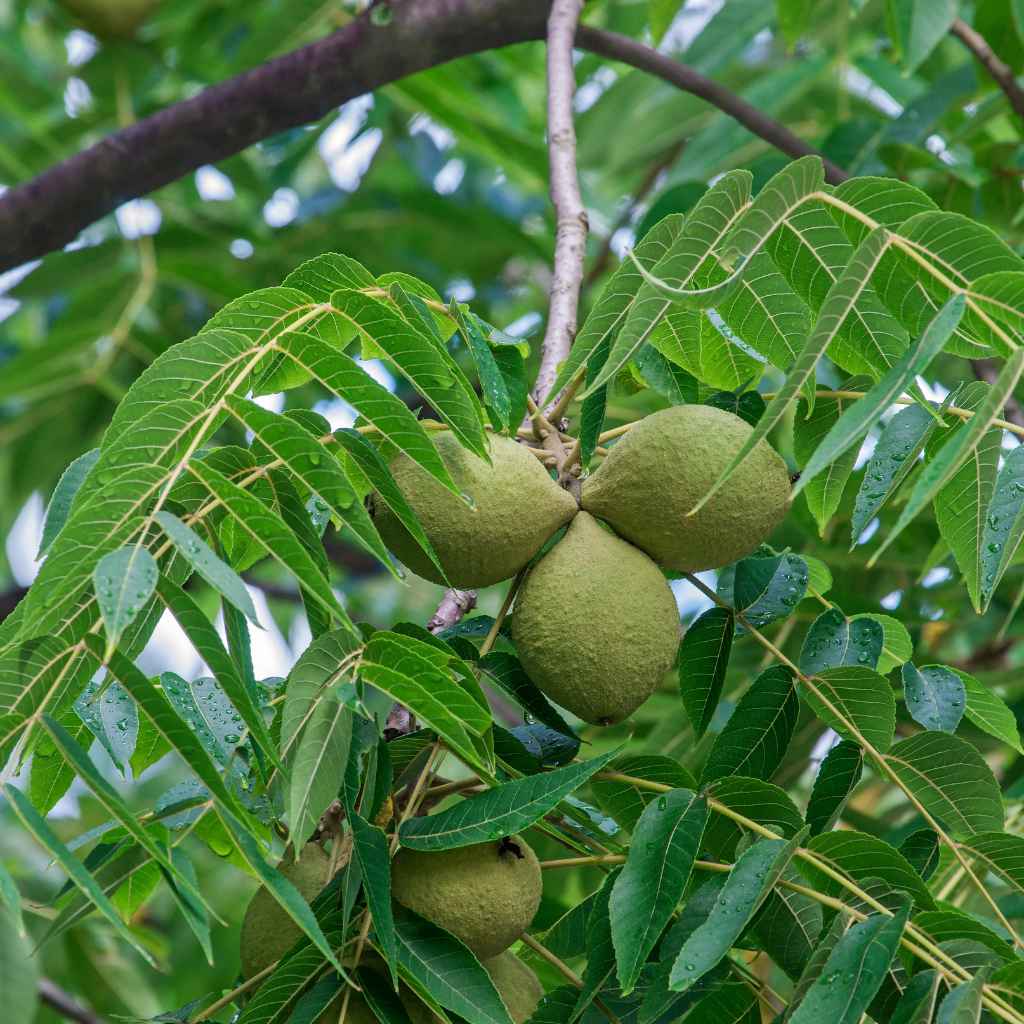
Walnut trees, particularly the Black Walnut: Achieve a Lustrous Glow” href=”https://woodworkingadvisor.com/how-to-finish-black-walnut/” target=”_blank” rel=”noopener” data-wpil-monitor-id=”19748″>black walnut (Juglans nigra), are famous for this. They produce a chemical called juglone. This juglone is found in the roots, bark, leaves, and even the green hulls of the nuts.
It acts like a natural defense system for the tree. It helps the walnut tree compete for resources like water and nutrients in the soil.
Juglone doesn’t just sit there. It seeps into the soil. When other plant roots come into contact with this juglone-rich soil, they can have a really hard time.
It interferes with their ability to take up water and nutrients. This can stunt their growth. In severe cases, it can even kill sensitive plants.
The concentration of juglone is highest in the soil directly around the tree’s roots. This area is often called the “drip line.” That’s the imaginary circle directly under the widest branches of the tree. But juglone can spread further.
Water can carry it through the soil. It can travel quite a distance from the tree.
My Own Walnut Tree Scare: A Garden Nightmare
I remember planting my first vegetable garden. I was so excited. I chose a sunny spot near a majestic Black Walnut Trees: Unveiling Hidden Wealth” href=”https://woodworkingadvisor.com/value-of-black-walnut-tree/” target=”_blank” rel=”noopener” data-wpil-monitor-id=”19747″>black walnut tree in our yard.
I’d read a little about walnuts, but I didn’t think it would be such a big deal. Big mistake.
Within weeks, my tomato plants looked sad. Their leaves turned yellow and brittle. My peppers were tiny and just wouldn’t grow.
Even my usually tough marigolds started to wilt. I tried everything: more water, different fertilizer, checking for pests. Nothing worked.
It felt like my garden was cursed.
Then, it hit me. The walnut tree. I started researching intensely.
I learned about juglone and how it poisons sensitive plants. I felt a pang of guilt, realizing my beautiful tree was likely the culprit. That’s when I knew I had to figure out how to garden with (or around) this powerful tree.
It was a tough lesson. But it taught me a lot about nature’s complex systems. It also showed me that with the right knowledge, you can still have a garden, even with a walnut tree nearby.
You just need to be smart about your plant choices and your planting strategy.
Walnut Tree Types and Juglone Levels
Black Walnut (Juglans nigra): Highest juglone producer. Most problematic for nearby plants. Its nuts are edible but have a very strong flavor and stain easily.
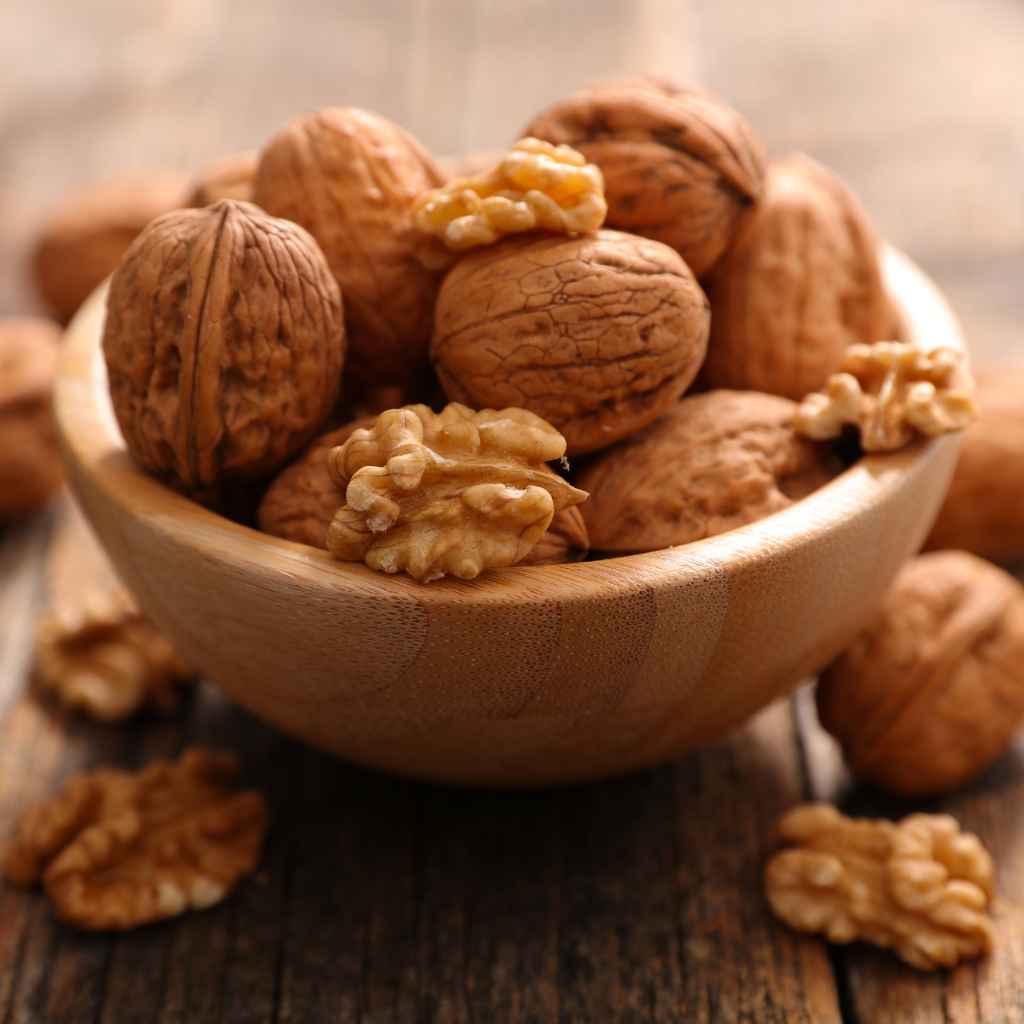
English Walnut (Juglans regia): Also produces juglone, but generally in lower amounts than black walnuts. Some varieties are less toxic.
Japanese Walnut (Juglans ailantifolia): Tends to produce the least juglone. Often considered safer for planting nearby, though still requires caution.
Heartnut (Juglans ailantifolia var. cordiformis): A variety of Japanese walnut. Also lower in juglone.
How Juglone Affects Different Plants
Not all plants are equally bothered by juglone. Some are very sensitive. Others don’t seem to mind it at all.
This difference is key to successful gardening near walnuts.
Sensitive plants often show signs of wilting, yellowing leaves, leaf burn, and poor growth. They might look healthy for a while, but then suddenly decline. It’s like they can’t get enough energy to thrive.
Why do some plants tolerate juglone better? It might be their root structure. Or how their cells process or detoxify the chemical.
Some plants might even benefit from the reduced competition. They can grow stronger because fewer other plants can survive there.
When you’re planning your garden, it’s super important to know which plants are sensitive and which are tough. This knowledge will save you a lot of time and heartbreak. It helps you make smart choices from the start.
Signs of Juglone Toxicity in Plants
- Wilting: Plants may droop even when the soil is moist.
- Yellowing Leaves (Chlorosis): Leaves turn yellow, especially between the veins.
- Leaf Scorch or Burn: Edges and tips of leaves turn brown and dry.
- Stunted Growth: Plants are much smaller than they should be.
- Poor Fruiting/Flowering: Plants produce few or no flowers or fruits.
- Death: In severe cases, the plant will die completely.
Common Plants Sensitive to Walnuts
If you have a walnut tree, you’ll want to avoid planting these common garden favorites too close. They are known to be very sensitive to juglone. It’s best to keep them a good distance away.
Vegetables: Tomatoes are classic examples. Eggplant, potatoes, and peppers also struggle. Beans, blueberries, and even cabbage family plants like broccoli and cauliflower can be affected.
Fruits: Apple trees are notoriously sensitive. So are many berry bushes like raspberries and blackberries. Peaches and pears can also show negative effects.
Flowers: Many popular annuals and perennials wilt. Petunias, impatiens, and hydrangeas are often on the sensitive list. Azaleas and rhododendrons also don’t do well.
Think of these plants as having a low tolerance. They simply cannot handle the juglone in the soil. It’s like trying to breathe in a place with very thin air; they just can’t get what they need.
Quick-Scan Table: Plant Sensitivity to Juglone
| Category | Highly Sensitive Plants | Tolerant Plants |
|---|---|---|
| Vegetables | Tomatoes, Potatoes, Eggplant, Peppers, Beans | Corn, Squash, Asparagus, Onions, Garlic, Rhubarb |
| Fruits | Apples, Berries (Raspberry, Blackberry), Peaches | Melons, Grapes (some varieties), Pears (some varieties) |
| Flowers | Petunias, Hydrangeas, Azaleas, Rhododendrons | Marigolds, Asters, Coneflowers, Daylilies, Poppies |
Plants That Can Handle Walnuts (Juglone Tolerant)
The good news is, not everything struggles near a walnut tree. Many plants are quite resilient and can grow happily nearby. These are the plants you want to choose if you’re planting close to your walnut.
Vegetables: Many common garden vegetables do well. Corn, squash (like zucchini and pumpkins), and cucumbers are often fine. Asparagus, onions, garlic, and rhubarb are also good choices.
Some root vegetables like carrots and beets might also tolerate it.
Fruits: While many berries suffer, melons often do well. Some grape varieties can also tolerate the conditions. Certain types of pears are also less affected than others.
Flowers: This is where you have lots of options. Many perennials thrive. Coneflowers, daylilies, hostas, and asters are often good choices.
Poppies, bleeding hearts, and ferns can also grow well. Even some shrubs like lilacs can tolerate the juglone.
These plants have a natural ability to cope. Their systems are not as easily disrupted by the juglone. They can absorb water and nutrients more effectively even with juglone present.
The Role of Soil and Water in Juglone Spread
Understanding how juglone moves is crucial for managing it. It’s not just about what’s directly under the tree. Soil type and water flow play big roles.
Juglone is a chemical compound. It dissolves in water. This means that when it rains or you water the tree, the juglone can be washed down into the soil.
It can then travel with the water. This can carry it beyond the immediate root zone of the walnut tree.
In sandy soils, water drains quickly. This can help move juglone further and faster. Clay soils hold water longer.
This might keep juglone more concentrated in a specific area. But it can also mean it stays active in the soil for longer periods.
The roots of the walnut tree also spread. They actively release juglone. So, the area of impact isn’t static.
It grows as the tree grows. That’s why it’s important to think about the tree’s mature size, not just its current size.
It’s also worth noting that juglone can be present in decomposing walnut leaves and fallen nuts. So, even areas where leaves have gathered can have higher concentrations. Cleaning up fallen debris can help a bit, especially with sensitive plants nearby.
Juglone Spread Factors
- Water Movement: Juglone travels with water through the soil.
- Soil Type: Sandy soils move juglone faster. Clay soils hold it longer.
- Tree Age and Size: Older, larger trees have more extensive root systems releasing juglone.
- Decomposing Material: Fallen leaves and nuts release juglone as they break down.
How Far Away Should You Plant? The Magic Distance
This is the question many gardeners ask: “How far away from my walnut tree do I need to plant my sensitive plants?” There isn’t one single, perfect number. It depends on several factors.
The general rule of thumb is to plant sensitive plants outside the tree’s drip line. The drip line is the area directly under the widest part of the tree’s canopy. For a mature black walnut, this can be 15 to 30 feet or even more.
For younger trees, the drip line is smaller.
However, juglone can travel further than the drip line. Some experts recommend an even larger buffer zone. A buffer of 50 feet or more for black walnuts is often suggested for highly sensitive plants like tomatoes or apple trees.
For less sensitive plants, a distance of 20-30 feet might be enough. For very tolerant plants, you might get away with being closer, perhaps just outside the drip line. It’s always a good idea to err on the side of caution.
Consider the water flow in your yard. If your yard slopes towards a garden bed from the walnut tree, the juglone could travel downhill. You might need to create a larger buffer zone in that direction.
Creating a Juglone Barrier
Sometimes, you really want to plant something sensitive in a spot that’s a bit close to a walnut tree. Can you create a barrier? Yes, it’s possible, but it takes effort and isn’t always 100% effective.
The most common way is to use physical barriers. You can dig a trench. Then, install a solid barrier like heavy-duty plastic sheeting or landscape fabric.
This needs to go deep enough to intercept the juglone-carrying roots and water. It should extend at least 18-24 inches deep. Make sure the barrier is continuous.
Any gaps will allow juglone to seep through.
Another approach is to build raised garden beds. Fill these beds with fresh, juglone-free soil. The raised bed acts as a container.
It keeps the sensitive plant roots physically separated from the walnut-contaminated soil. Make sure the bottom of the raised bed is lined with a barrier material if the soil beneath is known to be contaminated.
It’s important to remember that these barriers are not foolproof. Walnut roots can be surprisingly persistent. They might grow under or around the barrier over time.
You may need to maintain or deepen the barrier periodically.
Methods for Creating Juglone Barriers
- Physical Trench Barriers: Dig a trench around the planting area. Insert a solid barrier (e.g., heavy plastic, thick landscape fabric) at least 18-24 inches deep. Ensure the barrier is continuous.
- Raised Garden Beds: Construct raised beds filled with fresh, clean soil. Line the bottom with a barrier material for extra protection. Ensure the soil in the bed itself is free from walnut contamination.
- Strategic Planting: Always choose juglone-tolerant plants for areas closer to the tree and sensitive plants further away.
My Experience with a Raised Bed Near a Walnut
After my initial garden disaster, I was determined. I really wanted to grow some herbs and a few cherry tomatoes that were closer to the house, which meant they were closer to my big black walnut. I decided to try a raised bed.
I built a wooden raised bed, about 18 inches deep. Before filling it, I dug a wide perimeter around the inside of the bed. I lined it with heavy, food-grade plastic sheeting.
I folded it up the sides and stapled it securely. The idea was to create a physical barrier for the roots and water.
Then, I filled the bed with a mix of compost and high-quality topsoil from a reputable garden center. It was a significant amount of soil, and it felt good to know it was fresh and clean. I planted a few basil plants and a small tomato variety known for being somewhat tolerant.
For the first year, it was amazing! The herbs thrived. The tomato plant grew well and produced fruit.
It felt like a huge victory. I think the depth of the bed, combined with the plastic liner, was really effective at keeping the juglone out.
However, by the third year, I noticed the tomato plant looking a bit less vigorous. The basil was still okay, but not as lush. I suspect the walnut roots had started to explore under the edge of the plastic.
It’s a constant battle. This experience taught me that while barriers help, they aren’t a permanent fix. Regular checks and perhaps replacing the soil or reinforcing the barrier might be needed over time.
When is it “Just Bad Soil” and Not Walnuts?
It’s easy to blame the walnut tree. But sometimes, other things can cause plants to struggle. It’s important to consider all possibilities before making a final judgment.
Poor Soil Drainage: If water sits around the plant’s roots for too long, it can lead to root rot. The plant will wilt and yellow, much like juglone poisoning. Check if the area stays soggy after rain.
Nutrient Deficiencies: Plants need specific nutrients to grow. If the soil is lacking, plants will show signs of poor growth and yellowing. This is different from juglone damage, which is more like a chemical burn or blockage.
Pests and Diseases: Aphids, spider mites, fungal diseases, and soil-borne pathogens can all damage plants. Look for visible signs like tiny insects, spots on leaves, or mold.
Too Much or Too Little Sun/Water: Even tolerant plants need the right conditions. Too much sun can scorch leaves. Too little sun leads to weak, leggy growth.
Improper watering is a very common cause of plant problems.
Compaction: If the soil is heavily compacted, roots can’t grow well. This leads to stunted plants. You might notice hard, dense soil.
To tell the difference, observe closely. Juglone poisoning often has a specific look—leaf edges turning brown and crispy, or a general wilting that doesn’t respond to water. If you suspect walnuts, observe plants further away.
Are they healthy? That’s a good clue.
What This Means for Your Garden Plans
So, what’s the takeaway? Having a walnut tree doesn’t mean you have to give up on gardening. It just means you need to garden smarter.
Know Your Plants: The most important step is knowing which plants are sensitive and which are tolerant. Use reliable lists and guides. This will guide all your planting decisions.
Observe Your Tree: Identify your walnut tree type. Is it a black walnut (most potent)? Or a Japanese walnut (least potent)?
This helps you gauge the level of risk.
Measure Distances: Don’t guess. Measure from the trunk of the tree. Pay attention to the drip line and consider water runoff patterns.
Create Buffers: If you want to plant sensitive species, give them plenty of space. Use physical barriers or raised beds if planting closer is unavoidable. Always use juglone-free soil in these situations.
Embrace Tolerant Plants: Celebrate the plants that thrive near your walnut tree! Many beautiful and productive plants can grow happily in these spots. Focus on these, and you’ll have a successful garden.
It’s about working with nature, not against it. Understanding the walnut tree’s natural defenses allows you to coexist. You can have both a beautiful tree and a bountiful garden.
Key Takeaways for Walnut Tree Gardeners
- Identify your walnut type. Black walnuts are the most potent.
- Know your plants’ sensitivity. Sensitive plants will suffer.
- Respect the drip line and beyond. Juglone can travel.
- Consider barriers or raised beds. For sensitive plants in closer areas.
- Choose tolerant plants. Many beautiful options exist.
Quick Fixes and Tips for Planting Near Walnuts
While there aren’t many “quick fixes” for the juglone itself, there are smart strategies to employ. These tips can help you succeed even with a walnut tree in your yard.
Composting Juglone-Rich Material: Walnut leaves and hulls can be composted. However, it’s best to compost them separately from your main compost pile. Allow them to break down completely over a long period.
This helps reduce the juglone concentration. Add the finished compost to tolerant plants first.
Soil Amendments: Some gardeners have experimented with adding materials like gypsum or activated charcoal to the soil. The idea is to bind or neutralize the juglone. Results can vary.
It’s not a guaranteed solution, but it might help mitigate the effects in some cases.
Regular Observation: Keep a close eye on your plants. If you notice signs of stress, act quickly. You might need to move a sensitive plant to a safer location or improve its growing conditions.
Consider Root Pruning (With Caution): In some extreme cases, a landscape professional might consider carefully root pruning the walnut tree’s roots on the garden side. This is a drastic measure. It can harm the tree if not done correctly.
It’s usually a last resort and requires expert advice.
Water Management: Ensure good drainage around your plants. Avoid overwatering, which can increase juglone movement. Water directly at the base of the plant to minimize runoff that might carry juglone.
Frequent Questions About Walnut Trees and Plants
Can I plant a vegetable garden under a walnut tree?
It is generally not recommended to plant most common vegetables directly under a walnut tree. Many vegetables like tomatoes, potatoes, and peppers are sensitive to juglone. You should plant tolerant vegetables further away from the tree.
What are the signs that my plants are being poisoned by walnuts?
Signs include wilting, yellowing leaves (especially between veins), brown leaf edges or tips (leaf scorch), stunted growth, and general decline. The plants may look unhealthy even with proper watering and care.
Are all walnut trees toxic to plants?
Most walnut species produce juglone, but the concentration varies. Black walnuts (Juglans nigra) are the most potent. English walnuts (Juglans regia) produce less, and Japanese walnuts (Juglans ailantifolia) produce the least.
Still, caution is advised with all types.
How far away from a black walnut tree should I plant tomatoes?
For sensitive plants like tomatoes, it’s best to plant them well outside the tree’s drip line. A buffer zone of 50 feet or more is often recommended for black walnuts to be safe, especially considering juglone can travel with water.
Can I use the soil from under a walnut tree for potted plants?
It is not advisable to use soil directly from under a walnut tree for potted plants, especially if they are sensitive species. The soil likely contains juglone. Use fresh, clean potting mix instead, and keep pots away from the tree’s root zone.
What is juglone?
Juglone is a chemical compound produced by walnut trees. It acts as a natural toxin that inhibits the growth of many other plants. It is found in the roots, bark, leaves, and hulls of the walnut tree.
Can ornamental grasses grow near walnut trees?
Many ornamental grasses are quite tolerant of juglone. They are often a good choice for landscaping around walnut trees. Species like switchgrass, fountain grass, and feather reed grass tend to do well.
Conclusion: Coexisting with Your Walnut Tree
Having a walnut tree can feel like a challenge for gardeners. But understanding allelopathy and juglone empowers you. You can make informed choices for your garden.
By selecting tolerant plants and planning carefully, you can absolutely have a thriving garden alongside your majestic walnut tree. Happy planting!
Sponsored / affiliate links. As an Amazon Associate I earn from qualifying purchases. I may earn additional commission from eligible campaigns.