N Best Step Drill Bit for Metal and Wood (2026): Based on Specs and Reviews
Choose the OXMUL M35 step drill bit set for broad mixed metal and wood work, because its M35 substrate, 1/4 inch hex and 3/8 inch tri-flat shanks, and 2-straight-flutes give you a stronger starting point on stainless steel, sheet metal, and occasional wood holes than a size range alone would.
Quick comparison
| Product | Badge | Best for | Price | ||
|---|---|---|---|---|---|
 |
OXMUL M35 Step Drill Bit Set for Metal, 1/8, 1-3/8,OXMUL | Our pick | M35 Cobalt · 1/8 to 1-3/8 inch · 2-piece set | $34.95
Price as of 19 Oct 2026
|
View |
 |
Shallho 4-22 mm Titanium Coated Spiral Grooved Step DrillShallho | Budget pick | Titanium Coated · 4-22 mm · Spiral Grooved | $4.99
Price as of 19 Oct 2026
|
View |
 |
THINKWORK Four Spiral Flute Step Drill Bit, HSS Step DrillTHINKWORK | Also great | Four Spiral Flute · 3/16 to 1-3/8 inch · 3 Sizes | $9.99
Price as of 19 Oct 2026
|
View |
The right pick changes with the hardest material in the job, not the easiest one. For mixed work, compare coating, flute count, tip geometry, and shank grip before you compare hole range.
How we chose
The comparison puts material behavior first. HSS gives the common base, TiN helps the bit resist wear and heat, and tougher substrates matter more when stainless steel is in the mix.
Chip flow and start control came next. A split-point tip helps reduce walking on metal, while dual-flute and four-flute layouts change how fast chips leave the cut and how likely the bit is to clog.
Shank fit also matters. A hex shank can help cordless drills hold the bit securely, while a tri-flatted shank can reduce slip in the chuck.
Finally, each pick was judged by where a step bit is the right tool at all. Sheet metal and thin stock are the core use case; thicker wood, deep holes, and tear-out-prone grain often call for a twist bit or a hole saw instead.
OXMUL M35 step drill bit set: best for mixed metal and wood
This set fits buyers who want one step-bit kit for stainless steel, aluminum, sheet metal, and occasional wood holes. Based on the listed specs, the M35 cobalt steel build, 19 steps, 1/4 inch hex shank, 3/8 inch tri-flat shank, and 2-straight-flutes give it the most balanced setup for mixed-material work.
Its strongest point is material control. M35 cobalt steel is the better starting point when stainless steel is on the bench, and the dual-shank approach helps keep the bit engaged in more than one chuck style.
The drawback is fit rather than capability. With only two bits in the set, you still need to check whether the step progression covers the exact hole size you want, and step bits are still a poor choice for deep wood holes or rough grain that tears as the bit exits.
Why it fits mixed-material jobs
Step bits work by enlarging a hole in stages instead of cutting the full diameter at once. That progressive geometry helps on thin sheet metal, aluminum, copper, plastic, and light wood, where the bit can clear chips without forcing a large twist drill through the material.
On stainless steel, the extra toughness matters. Heat builds fast in stainless, so a harder substrate and better chip evacuation reduce dulling and the burned edges that show up when a bit rubs instead of cuts.
Limits to keep in mind
Do not treat this as a replacement for every wood hole. If you need a clean, deep hole through cabinet stock or a hardwood rail, a twist bit or hole saw usually gives better control over tear-out and depth.
Shallho spiral grooved step drill bit: best for clean starts
This bit suits light-duty mixed work where starting accuracy matters more than a huge size range.
The split-point tip is the reason to consider it. On metal surfaces, that tip shape reduces walking, which matters when you are drilling a premarked hole in a piece of sheet metal or a thin bracket where the mark is close to an edge.
The drawback is that this is not the strongest choice for stainless steel or frequent heavy-duty fabrication. A lighter HSS bit with a coating can be fine for occasional work, but the smaller, lower-cost design usually gives up some heat capacity and edge life compared with tougher premium step bits.
Where the split point helps
A split-point tip starts faster on slick metal surfaces because the cutting lips begin biting sooner and the point is less likely to skate across the mark. That helps on aluminum panels, appliance sheet metal, and small conduit holes where a wandering start ruins the layout.
It also helps on thin plastic and wood face grain, where a centered start keeps the hole cleaner.
Wood-use limits
Can a step drill bit be used on wood? Yes, but only in the narrow cases where the wood is thin and the hole is modest. In thicker stock, the steps can leave a ragged exit, especially in open-grain lumber or plywood with a weak face veneer.
THINKWORK four spiral flute step drill bit: best for stainless steel
This is the pick for buyers who care most about chip clearance in harder metal. The four-flute design is the standout feature, and the listing also calls out laser-engraved step sizes, which helps when you need to keep moving through multiple hole diameters.
Four flutes can clear chips faster than a simpler layout, which matters when stainless steel starts heating the cutting edge and packing chips into the cut. Better chip escape lowers the chance of clogging, chatter, and edge glazing.
The drawback is that four flutes are not always the friendliest option for every drill setup. In softer metal or wood, a heavier-duty geometry can feel less forgiving, and buyers who need the widest practical size range may still want to verify the exact steps before choosing it.
Why four flutes matter in stainless steel
Stainless steel is the hardest common case in this guide. It resists cutting, raises heat quickly, and punishes bits that cannot move chips away from the cutting zone.
That is why flute style matters almost as much as the base material. Faster chip clearance lowers rubbing, and less rubbing means less heat. Less heat means better edge life.
When a different cutter is better
If the job is mostly thin sheet metal or plastic, a simpler step bit may be easier to control. If the hole is large and the material is thick wood, a hole saw or a Forstner bit is usually the better choice.
Which one should you buy?
Buy by the hardest material and the worst failure mode, not by the biggest number on the package. If stainless steel is part of the job, choose the OXMUL M35 set or the THINKWORK four-flute bit; if clean starts matter more than maximum toughness, the Shallho bit makes more sense.
If your work is mostly sheet metal, the usual goal is clean hole enlargement without walking or clogging. For that, a step drill bit is the right tool when the sheet is thin and the hole does not need deep walls.
If you are drilling both wood and metal in the same project, think about the metal first. Say your task is mounting cabinet hardware through a metal faceplate into thin plywood. The bit needs to control the metal edge first; the wood is secondary, and a step bit is acceptable only if the wood is thin enough to avoid ragged tear-out.
Suppose you need a 1/2 inch hole for a cord pass-through in a steel panel and a wood spacer behind it. A step bit can handle the panel cleanly, but you should stop before the wood gets too deep and finish the deeper section with a regular wood bit if needed.
Step drill bit decision matrix
| Project type | Best material pairing | Recommended features | What can go wrong | Is a step bit the right tool? |
|---|---|---|---|---|
| Sheet metal holes for conduit or cable pass-throughs | HSS with TiN coating | Split-point tip, dual-flute or two-flute design, hex shank | Walking, chatter, sharp burrs, overheating | Yes |
| Stainless steel appliance panel | M35 cobalt or tougher HSS with wear coating | Split-point start, strong chip evacuation, tri-flatted or hex shank | Dulling, heat buildup, glazing, stalled cutting | Yes, if the sheet is thin |
| Aluminum sheet for shop hardware | HSS with TiN coating | Dual-flute design, clean step progression, secure chuck fit | Grabby cutting, oversized hole from chatter | Yes |
| Copper plumbing or thin electrical metal | HSS with a smooth cutting edge | Good chip clearance, lighter cutting pressure, controlled feed | Snagging and out-of-round holes if fed too hard | Yes |
| Thin plywood or laminated panel | HSS, used cautiously | Split-point tip, low speed, backing support | Tear-out, fuzzy edges, stepped exit marks | Sometimes |
| Thick hardwood or deep blind hole | Wood-specific bit | Twist bit, brad-point bit, or hole saw depending on diameter | Tear-out, burnishing, poor depth control | No |
How to choose
- Start with the hardest material in the stack. Stainless steel calls for the toughest bit and the best chip evacuation.
- Pick the tip style based on start quality. A split-point tip helps prevent walking on metal surfaces.
- Match the flute design to the chip load. Dual-flute layouts suit general use; four-flute designs suit heavier-duty stainless work.
- Check the shank against your drill chuck. Hex shanks suit fast changes, while tri-flatted shanks help reduce slip.
- Use the size range to confirm coverage, not to make the first decision.
What size step drill bit do you need? For common electrical and furniture work, a range that covers small pilot sizes through midrange holes is usually enough, but the exact answer depends on the hole you need to finish, not the number of steps printed on the label.
A common first-timer mistake is picking a budget step bit with aggressive sizing and then trying to punch through a painted steel panel, only to watch it overheat and chatter because it was never meant for that workload. The result is a hot edge, a rough hole, and a slower cut than a smaller but better-built bit would give.
What is the best step drill bit for metal and wood?
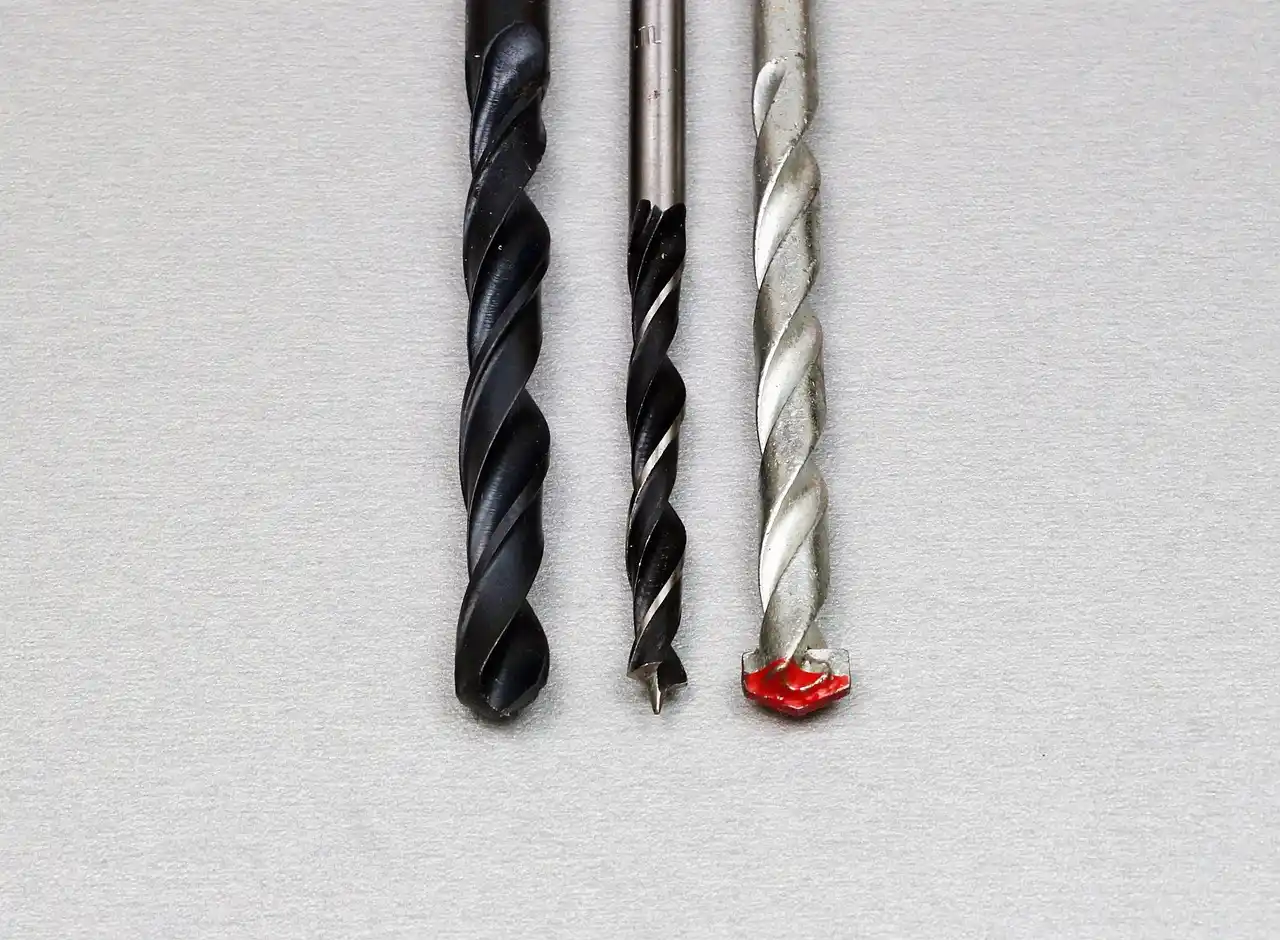
The best step drill bit for mixed metal and wood is usually an HSS or M35 bit with a TiN-style wear coating, a split-point start, and a flute design that clears chips well. For that reason, the OXMUL M35 set is the strongest overall pick here, because it is the most forgiving across stainless steel, sheet metal, and occasional wood use.
Wood only changes the choice if it is thick, deep, or prone to tear-out. In those cases, a regular wood bit is the better match and gives cleaner depth control.
Frequently asked questions
How do you use a step drill bit?
Mark the hole, secure the work, and start at low speed with steady pressure. Let the step bit cut through one diameter before advancing to the next step. For metal, keep the bit cool and clear chips often; for wood, stop if tear-out starts to show at the exit.
Why use a step drill bit instead of regular drill bits?
Use a step drill bit when you need several hole sizes from one tool and you are working in thin material. It can enlarge sheet metal holes cleanly, reduce burrs, and make the job faster than swapping twist bits for each diameter. It is less useful for deep wood holes.
Which step drill bit works best on stainless steel?
For stainless steel, choose the toughest substrate you can justify, preferably M35 or a strong HSS bit with a wear coating and good chip evacuation. Four-flute or other heavy-duty chip-clearing designs help because stainless raises heat quickly and punishes weak cutting edges.
Can a step drill bit be used on wood?
Yes, but only in limited cases. A step bit can work on thin wood, plywood, or panel stock, especially when you need a clean enlarged hole. It is a poor choice for thicker lumber, deep holes, or grain that tears at the exit.
What is the difference between step drill bits and regular drill bits?
Regular drill bits cut one diameter at a time, while a step drill bit uses progressive steps to enlarge a hole in stages. That makes step bits better for thin metal, plastic, and light mixed-material work. Regular wood and metal bits still win for deeper drilling and cleaner material-specific cuts.
How do you keep a step drill bit from walking or slipping?
Use a split-point tip, center punch the mark when the metal allows it, and start at low speed with firm control. A hex shank or tri-flatted shank also helps the bit stay seated in the chuck. On smooth sheet metal, a small pilot dimple can make a big difference.
Sponsored / affiliate links. As an Amazon Associate I earn from qualifying purchases. I may earn additional commission from eligible campaigns.