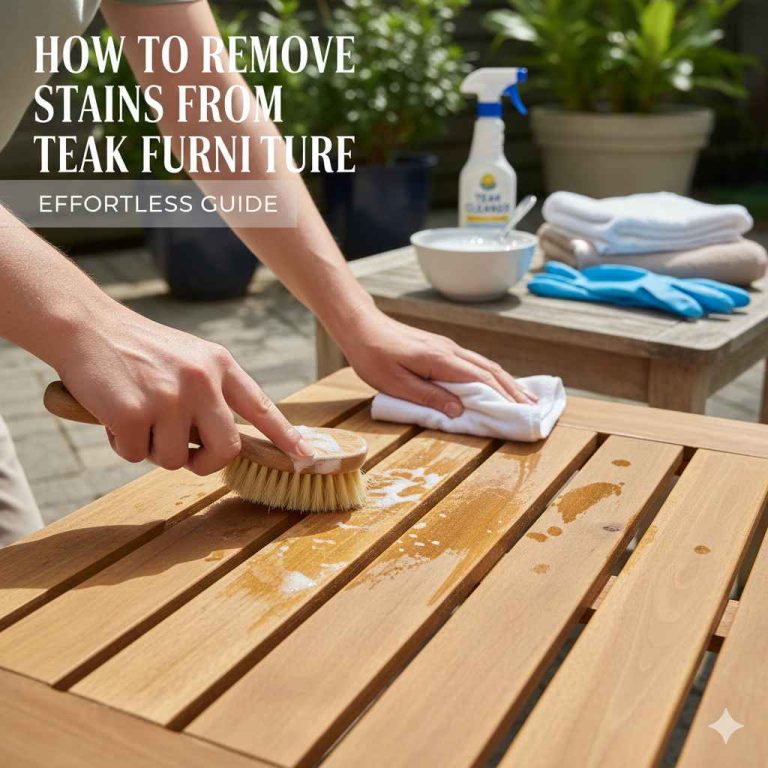
How Do I Clean Teak Wood: Proven Effortless Shine
To effortlessly shine your teak wood, regularly wash it with mild soap and water, tackle stubborn stains with a specialized teak cleaner or a baking soda paste, and protect it with a quality teak oil or sealer. Gentle, consistent care prevents damage and keeps your teak looking beautiful for years.
Teak wood furniture is a beautiful addition to any home, whether gracing your patio or adorning your living room. Its natural oils give it a warm luster and incredible durability. But over time, exposure to sun, rain, and everyday use can leave it looking dull, gray, or even grimy. Many homeowners worry about damaging this beautiful wood when trying to clean it, fearing they’ll end up with scuffs, stains, or a completely ruined finish.
If you’ve ever looked at your once-gleaming teak and felt a pang of despair, you’re not alone. But don’t worry! Cleaning teak wood doesn’t have to be a chore. With the right approach, you can restore its natural beauty and achieve that effortless, radiant shine you love. In this guide, I’ll walk you through simple, proven methods that are easy for beginners and gentle on your treasured teak.
Why Does Teak Wood Need Special Care?
Teak wood (Tectona grandis) is a fantastic choice for furniture, both indoor and outdoor, thanks to its natural properties. It’s rich in natural oils and has a close grain, which makes it highly resistant to water, rot, and insects. This is why it’s a popular choice for boat decks and outdoor furniture. However, these same qualities mean it reacts distinctively to cleaning methods.
When teak wood is exposed to the elements, especially UV rays from the sun, its natural golden-brown color gradually weathers to a silvery-gray patina. This graying isn’t necessarily a sign of damage; it’s a natural weathering process. The protective outer layer of wood, called the epithelium, degrades, exposing the inner wood. While many people appreciate this weathered look, others prefer to maintain the warm, golden hue. Furthermore, dirt, mold, mildew, and grime can accumulate, dulling the surface and potentially leading to more significant issues if left unaddressed.

Understanding What Your Teak Needs
Before you grab any cleaning supplies, it’s important to understand what your teak wood is telling you. Is it just a little dusty? Has it started to turn gray? Are there stubborn stains? The type of cleaning and maintenance needed depends on its current condition and your desired outcome.
The Goal: Preserving Natural Beauty vs. Embracing the Patina
There are two main approaches to teak care:
- Maintaining the Golden-Brown Color: This involves regular cleaning and oiling or sealing to prevent the wood from weathering to gray. It requires more frequent maintenance but keeps the wood looking fresh and golden.
- Embracing the Silver-Gray Patina: This approach involves allowing the wood to weather naturally. Cleaning is focused on removing dirt, grime, mold, and mildew to keep the wood healthy, not necessarily to restore its original color. This requires less frequent maintenance.
This guide will cover methods that work for both preferences. We’ll focus on safe, effective cleaning that preserves the wood’s integrity, no matter which look you prefer.
Essential Tools and Supplies for Cleaning Teak Wood
Gathering the right items before you start makes the process much smoother and more enjoyable. You probably have most of these on hand already!
What You’ll Need:
- Soft Bristle Brushes: A medium-sized scrub brush is ideal. Avoid stiff metal brushes, as they can scratch and damage the wood grain.
- Clean Cloths or Rags: Plenty of soft, lint-free cloths for washing, rinsing, and drying. Old cotton t-shirts work great.
- Buckets: At least two – one for your cleaning solution and one for plain water to rinse.
- Mild Soap or Teak Cleaner: Use a pH-neutral soap like dish soap (a small amount) or a cleaner specifically designed for teak.
- Water Source: A garden hose with a gentle spray nozzle is perfect for rinsing.
- Optional: Baking Soda: For tackling tougher stains.
- Optional: Teak Oil or Sealer: If you plan to restore or maintain the golden color.
- Optional: Sandpaper (very fine grit, 220+): For very stubborn stains or smoothing after deep cleaning (use with caution!).
Having these items ready will ensure you can move efficiently through the cleaning process and get back to enjoying your beautiful teak furniture.
Step-by-Step Guide: How to Clean Teak Wood
Let’s get your teak wood looking its best! We’ll start with a basic clean and then move to tackling more stubborn issues. Always test any cleaning solution in an inconspicuous area first.
Step 1: Clear the Area and Remove Loose Debris
Start by moving your teak furniture to a convenient location, ideally outdoors where you can rinse it easily. Remove any cushions, throws, or decorative items. Then, use a dry cloth or a soft brush to sweep away any loose dirt, dust, leaves, or cobwebs. This prevents you from making muddy messes later.
Step 2: Prepare Your Cleaning Solution
For a basic clean, mix a small amount of mild, pH-neutral dish soap (about a tablespoon) with a gallon of warm water. If you have a dedicated teak cleaner, follow the manufacturer’s instructions for dilution. Avoid harsh detergents, window cleaners, or bleach, as these can strip natural oils, leach color, and damage the wood.
Step 3: Gently Wash the Teak Surface
Dip your soft bristle brush or a soft cloth into the soapy water, wringing out any excess so it’s not dripping heavily. Work in the direction of the wood grain. Scrub gently, applying even pressure. Don’t oversaturate the wood. For intricate areas or carvings, an old toothbrush can be helpful.
If you’re aiming to restore the golden color, you might use a specifically formulated teak cleaner at this stage. These often contain mild bleaching agents (like oxalic acid) that help lift stains and the grayed layer without damaging the wood. Always follow the product’s safety instructions, often requiring gloves and eye protection. Brands like Star Brite or West Marine offer popular, reputable teak cleaners.
Step 4: Rinse Thoroughly
Once you’ve scrubbed the entire piece, rinse it thoroughly with clean water from your hose or a bucket. Make sure to wash away all soap residue. Soap left on the wood can cause streaking or attract dirt. Rinse in the direction of the grain to ensure all suds are washed away.
Step 5: Address Stubborn Stains and Mildew
If simple soap and water didn’t remove all the marks, it’s time for a slightly stronger approach. Mold and mildew often appear as black or greenish spots.
Option A: Baking Soda Paste
For mild stains or mildew spots, a paste of baking soda and water can be very effective. Mix about 3 parts baking soda to 1 part water to form a thick paste. Apply this paste directly to the stained areas. Let it sit for about 10-15 minutes, then gently scrub with your soft brush. Rinse thoroughly with clean water.
Option B: Specialized Teak Cleaner
If you opted for a dedicated teak cleaner earlier, and it didn’t lift everything, you might need to allow it to dwell longer (check product instructions) or use a slightly more concentrated mix. Some two-part teak cleaning systems exist which involve a cleaner and a brightener. One part cleans and the other restores the color. These are very effective but require careful application and adherence to safety guidelines found on reputable sites like Fine Woodworking
Option C: Light Sanding (Use with Caution!)
For very deep-set stains or significant graying that even cleaning solutions can’t tackle, very fine-grit sandpaper (220 grit or higher) can be used sparingly. Always sand with the grain. This should be a last resort as it removes a layer of wood. Too much sanding can alter the wood’s texture and appearance permanently. After sanding, clean again to remove dust and prepare for oiling.
Step 6: Dry the Teak
After rinsing, use clean, dry cloths to wipe down the teak furniture thoroughly. Allow it to air dry completely before proceeding to the next step (oiling or sealing). Leaving water on the surface can lead to water spots and hinder the effectiveness of any protective treatment.
Protecting Your Teak for a Lasting Shine
Cleaning is only half the battle. Protecting your teak is crucial for enhancing its natural beauty and longevity. This step is optional if you prefer the natural gray patina, but highly recommended if you want to maintain that warm, golden hue.
Option 1: Oiling Your Teak
Teak oil, often a blend of teak oil and protective additives, replenishes the wood’s natural oils, enhancing its color and providing water resistance. This is the most common method for maintaining the golden-brown look.
How to Oil Teak:
- Ensure Wood is Clean and Dry: This is the most important step! Any dirt or moisture trapped under the oil will be sealed in.
- Choose a Quality Teak Oil: Look for products specifically formulated for teak. Avoid furniture polishes containing petroleum distillates, which can harm the wood over time. Reputable marine supply stores or woodworking shops will have good options.
- Apply Sparingly: Pour a small amount of oil onto a clean, lint-free cloth.
- Work with the Grain: Apply the oil in thin, even coats, working it into the wood grain. Don’t let the oil pool on the surface.
- Allow to Penetrate: Let the oil soak into the wood for about 15-30 minutes.
- Wipe Off Excess: Use a clean, dry cloth to wipe away any oil that hasn’t penetrated the wood. This prevents a sticky surface.
- Repeat if Necessary: For new or heavily weathered teak, a second thin coat may be beneficial after a few hours.
Frequency: This typically needs to be done once or twice a year, depending on your climate and exposure to the elements. You’ll notice the color fading or water not beading up when it’s time to reapply.
Option 2: Sealing Your Teak
Teak sealers often contain UV inhibitors to protect against sun damage and can provide a protective barrier without the same maintenance frequency as oil. They can sometimes provide a slightly more matte finish than oil.
How to Seal Teak:
- Clean and Dry Thoroughly: Similar to oiling, a clean, completely dry surface is essential.
- Select a Teak Sealer: Opt for a water-based or oil-based sealer specifically designed for teak. Some products offer both UV protection and water repellency.
- Apply in Thin Coats: Use a brush or cloth to apply a thin, even layer of sealer, following the manufacturer’s instructions.
- Allow Drying Time: Let the sealer dry completely between coats, usually a few hours.
- Apply Additional Coats: Most sealers recommend 2-3 thin coats for optimal protection.
Frequency: Sealers generally last longer than oils, often needing reapplication every 6-12 months, depending on wear and environmental conditions.
Important Considerations for Oiling/Sealing:
- Application Conditions: Apply oil or sealer in mild temperatures, out of direct sunlight, and away from wind and dust.
- Disposal of Rags: Oil-soaked rags can spontaneously combust. Lay them flat to dry completely outdoors before disposing of them, or store them in a sealed metal container filled with water.
- Test First: Always test your chosen product on an inconspicuous area to see how it affects the wood’s color and sheen.
How Often Should You Clean and Maintain Teak?
The frequency of cleaning and maintenance depends on several factors:
- Climate and Exposure: Furniture kept outdoors in direct sun and rain will need more frequent attention than indoor pieces or those in shaded areas.
- Desired Appearance: If you want to maintain the golden-brown look, more frequent oiling and cleaning are necessary. If you like the silver-gray patina, a good clean once or twice a year is usually sufficient.
- Type of Use: Heavily used items might accumulate dirt faster and require more frequent wiping down.
General Recommendations:
- Light Cleaning (Wiping Down): As needed, perhaps weekly or bi-weekly, especially after meals or heavy use outdoors.
- Basic Wash: Once or twice a year, or when the wood looks dull or dirty.
- Deep Clean/Stain Removal: As needed, for stubborn spots or mold/mildew.
- Oiling or Sealing: Once or twice a year, or when the wood starts to look dry or the water repellency fades if you’re maintaining the golden color.
Think of it like regular grooming for your furniture. Consistent, gentle care prevents problems from becoming big, overwhelming issues.
Troubleshooting Common Teak Wood Problems
Even with the best intentions, you might encounter some common issues. Here’s how to handle them:
Problem: Stubborn Black Spots (Mold/Mildew)
Solution: These are usually caused by moisture. For minor spots, a baking soda paste works well. For tougher cases, a specific teak cleaner with a mild bleaching agent (like oxalic acid) is often necessary. Ensure good ventilation and sunlight for your teak when possible to reduce recurrence. Proper rinsing and drying after cleaning are crucial. A sealant can also help prevent moisture penetration.
Problem: Gray, Dull Surface
Solution: This is the natural weathering process. If you want to restore the golden-brown color, you’ll need to clean away the gray layer. This can be done with a dedicated teak cleaner/restorer, which may contain mild acids or brighteners. After cleaning and rinsing, you can apply teak oil or sealer. If you like the gray look, just wash away any dirt or grime as outlined in the basic cleaning steps.
Problem: White Spots or Rings (Hard Water Stains)
Solution: These can sometimes be removed with a paste of baking soda and water. For tougher spots, you might try a very diluted white vinegar solution (1 part vinegar to 10 parts water), applied sparingly and rinsed immediately. If these are on oiled or sealed wood, you might need to reapply the finish to the affected area after cleaning.
Problem: Scratches or Dents
Solution: Small scratches and dents on teak can sometimes be “raised” slightly by WETTING the scratch with a damp cloth and then applying a warm iron over the damp area (use a pressing cloth or an old towel between the iron and the wood). The steam can help the wood fibers swell back up. For deeper scratches, light sanding with very fine-grit sandpaper (220+) with the grain might be needed, followed by re-oiling or resealing the treated area. Deep gouges may be permanent.
Remember, patience and gentle methods are key. For more information on wood care and restoration, resources like Wood Magazine offer excellent practical advice.

Frequently Asked Questions About Cleaning Teak Wood
Q1: Can I use a pressure washer to clean my teak furniture?
A1: It is generally NOT recommended to use a pressure washer on teak wood. The high pressure can easily strip the wood’s surface, damage the fine grain, and cause splintering or gouges. A garden hose with a gentle spray nozzle is a much safer and more effective option for rinsing.
Q2: What’s the difference between teak oil and teak sealer?
A2: Teak oil penetrates the wood, replenishing its natural oils and providing a warm, rich sheen. It requires more frequent reapplication. Teak sealer sits more on the surface, creating a protective barrier, often with UV protection, and typically lasts longer between applications. The choice depends on whether you prefer a natural, oiled look or a more protected, potentially matte finish.
Q3: My teak furniture is very old and has a deep gray color. Can I still restore it?
A3: Yes, in most cases! You’ll likely need a strong teak cleaner or brightener to lift that deep gray layer. Some minor sanding might be required for extremely weathered pieces. After cleaning and brightening, you can then apply teak oil or a sealer to restore its beautiful golden-brown appearance. Don’t be afraid to tackle it!