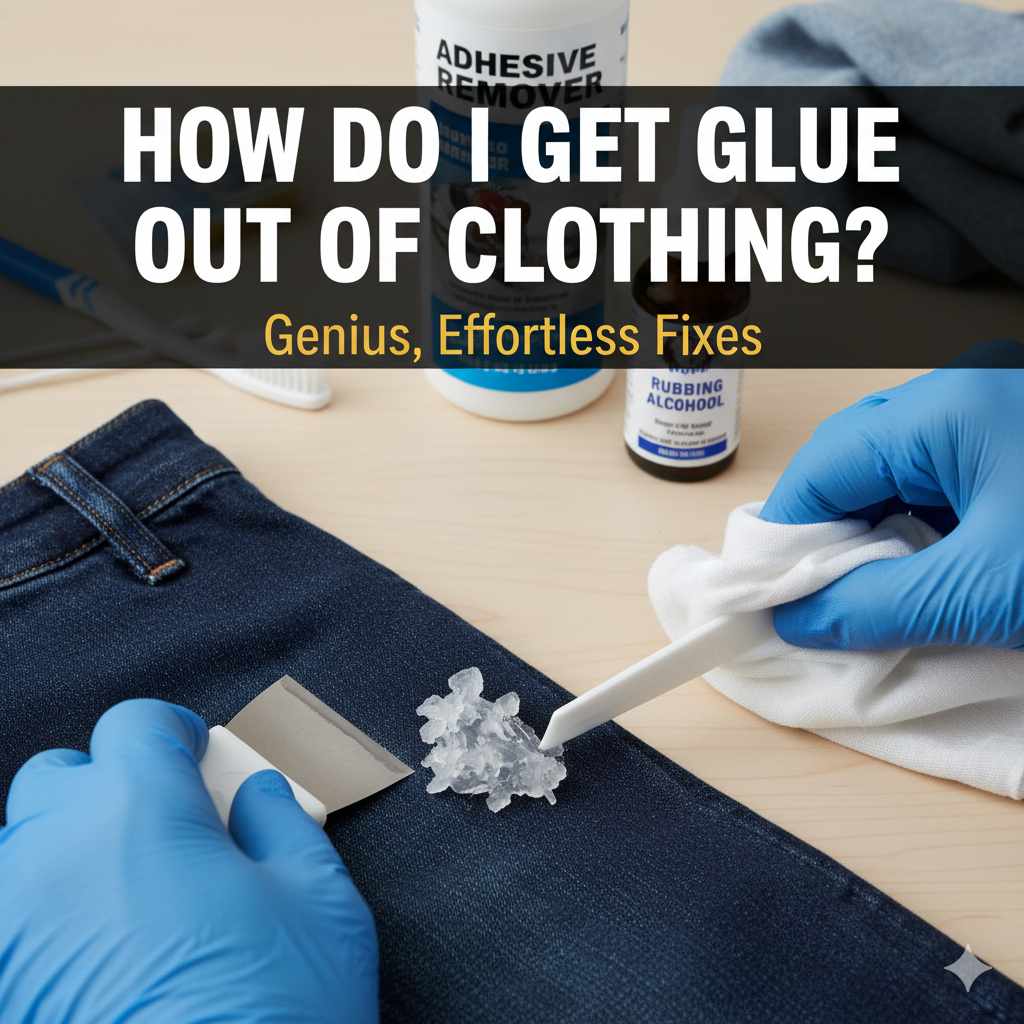
How Do I Remove Glue From Clothing: Genius, Effortless Fixes
Bolded Quick Summary:
Removing glue from clothing is achievable with simple household items! Start by gently scraping excess glue, then use methods like freezing, hot water, rubbing alcohol, or specialized removers depending on the glue type and fabric. Always test a small, hidden area first to protect your clothes.
How Do I Remove Glue From Clothing
Ever had a crafting project, a quick repair, or even a kids’ art session turn into a sticky situation on your favorite shirt? You know, that moment when a smudge, drip, or stray blob of glue lands squarely on your clothes? It’s a common frustration, but don’t worry! I’ve seen my fair share of glue mishaps in the workshop, and the good news is, with a little know-how, you can usually rescue your garments without a trace of the sticky mess.
This guide is all about making those stubborn glue spots a thing of the past. We’ll walk through easy, beginner-friendly steps and clever tricks using things you likely already have at home. Ready to tackle those sticky spots and get your clothes looking good as new? Let’s dive in!
Understanding Your Glue and Fabric: The First Step to Success
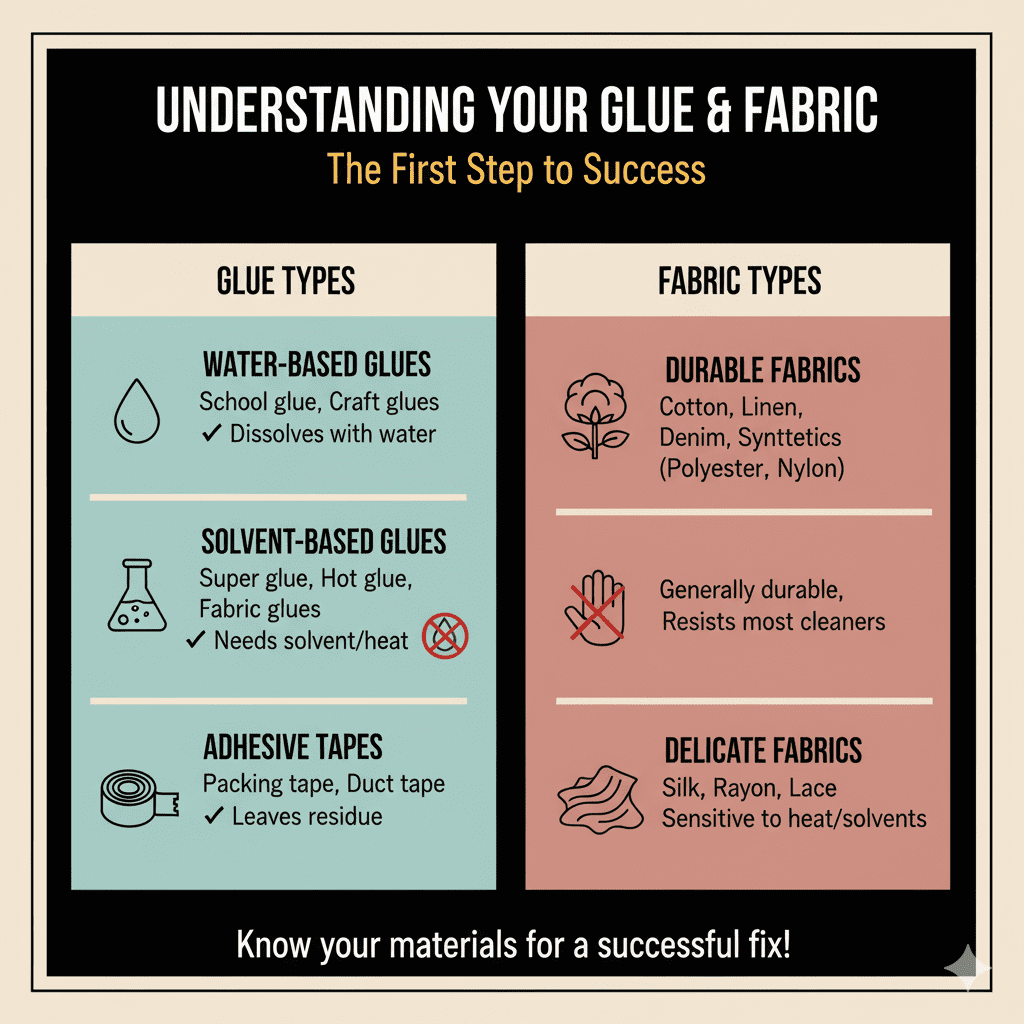
Before we grab any tools or cleaners, it’s smart to take a moment to identify the type of glue you’re dealing with and the fabric it’s stuck to. This is like inspecting your wood before you cut – knowing your materials makes all the difference!
Different glues have different compositions, and some fabrics are more delicate than others. For instance, tough, industrial glues might need a stronger approach than a water-based craft glue. Similarly, treating a sturdy denim jacket is different from spot-cleaning a silk blouse.
Here’s a quick rundown:
- Water-Based Glues: These are usually the easiest to remove. Think school glue (like Elmer’s), craft glues, and wallpaper paste. They often dissolve with water.
- Solvent-Based Glues: These are trickier. They include super glue (cyanoacrylate), hot glue, strong adhesive tapes, and some fabric glues. They might require specific solvents or heat.
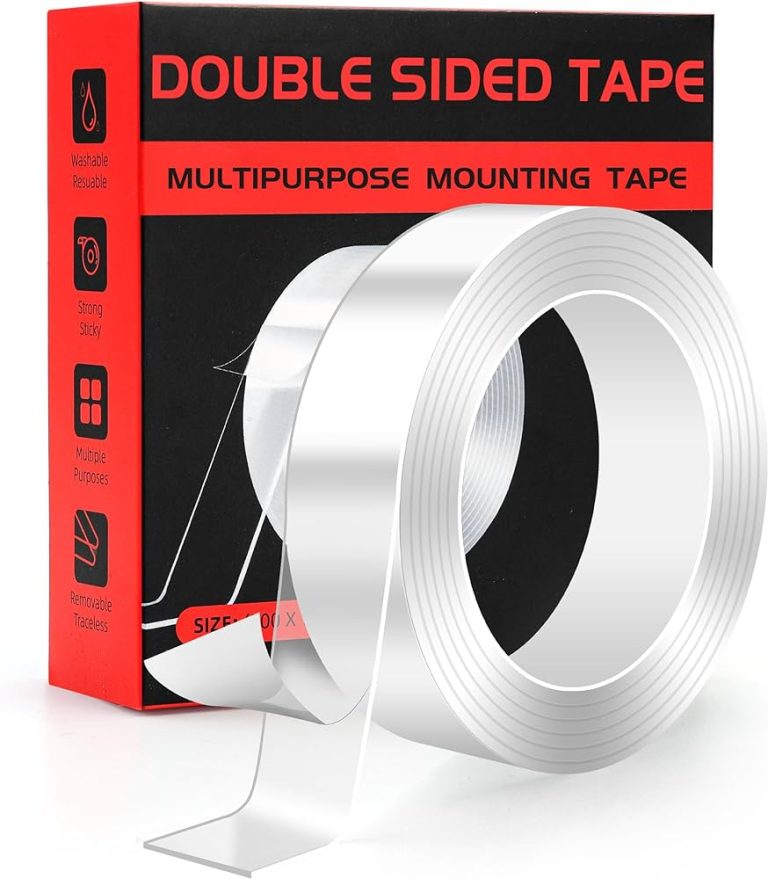
- Adhesive Tapes: Even tape leaves residue! Think packing tape or duct tape.
- Fabric Types: Natural fibers like cotton and linen are generally quite durable. Synthetics like polyester and nylon can be more sensitive to heat and strong solvents. Delicate fabrics like silk, rayon, or lace require extra gentle handling.
Essential Tools and Supplies for Glue Removal
You don’t need a professional toolkit for most glue removal jobs. Here are some common items that will likely be your best friends:
- Dull knife, spoon, or credit card (for scraping)
- Paper towels or clean cloths
- Water (cold and warm)
- Rubbing alcohol (isopropyl alcohol)
- White vinegar
- Dish soap
- Cotton balls or swabs
- Hair dryer or iron (use with caution!)
- Freezer
- Commercial glue remover (like Goo Gone or similar, follow product instructions carefully)
- Laundry detergent
Proven Methods to Remove Glue From Clothing: Step-by-Step
Let’s get down to business! Here are some effective methods, explained simply, to tackle those pesky glue stains. Always remember to test any cleaning solution or method on an inconspicuous area of the garment first (like an inside seam or hem) to ensure it doesn’t damage the fabric or color.
Method 1: The Gentle Scrape and Wash (For Water-Based Glues)
This is your go-to for fresh, water-based glue spills.
What it’s best for: most common craft glues, school glue, and other water-soluble adhesives.
- Let it Dry (Sometimes): If the glue is still wet and gooey, you might want to let it dry completely. A dried blob is often easier to scrape off than a wet smear. Touch the glue; if it’s sticky and pulls, let it dry. If it’s already hardened, proceed to the next step.
- Scrape Gently: Use a dull knife, the edge of a spoon, or a credit card. Carefully scrape away as much of the dried glue as possible. Be gentle to avoid snagging or damaging the fabric fibers. Work from the edges of the glue spot inward.
- Pre-treat with Detergent: Apply a small amount of liquid laundry detergent or dish soap directly to the remaining glue residue. Gently rub it into the fabric with your fingers or a soft brush. Let it sit for 5-10 minutes.
- Wash as Usual: Launder the garment according to its care label. Use the warmest water setting safe for the fabric.
- Inspect Before Drying: Crucially, check if the glue stain is completely gone before putting the garment in the dryer. Heat from the dryer can set stains, making them much harder to remove. If any trace remains, repeat the pre-treating and washing steps.
Method 2: The Freezing Trick (For Gummy Residues and Some Tapes)
This method works by hardening the adhesive, making it brittle and easier to break off.
What it’s best for: Gummy residues from stickers, tape, and some thicker, flexible glues.
- Bag it Up: Place the garment inside a sealable plastic bag. Make sure the glue-spotted area is not sticking to itself or the bag.
- Into the Freezer: Put the bagged garment into your freezer for at least 1-2 hours. You want the glue to become completely hard.
- Scrape Off the Hardened Glue: Once frozen solid, remove the garment from the bag. The glue should be brittle. Immediately use a dull knife, spoon, or credit card to carefully scrape off the hardened glue. It should chip or break away.
- Deal with Residue: If a slight residue remains, you can try pre-treating with a dab of dish soap or laundry detergent and washing as usual, as described in Method 1. If it was tape residue, rubbing alcohol (see Method 3) might work well after scraping.
Method 3: Rubbing Alcohol Power (For Super Glue and Sticky Residues)
Rubbing alcohol (isopropyl alcohol) is a fantastic solvent for many types of adhesives, including super glue and the sticky backing left by labels and tapes.
What it’s best for: Super glue, sticker residue, adhesive from tapes.
Safety Note: Always ensure good ventilation when working with rubbing alcohol. Keep it away from open flames or sparks. Test on an inconspicuous area first, as alcohol can sometimes affect fabric dyes.
- Test First: Apply a tiny amount of rubbing alcohol to an inside seam or hem. Let it dry. If there’s no color change or damage, you’re good to proceed.
- Apply Alcohol: Soak a cotton ball or swab with rubbing alcohol.
- Blot and Rub: Gently dab and rub the glue spot with the alcohol-soaked cotton ball. You should see the glue start to dissolve or lift. You might need to use several cotton balls as the glue transfers. For tougher spots, you can place a paper towel under the fabric and dab from the top, allowing the dissolved glue to seep onto the towel.
- Scrape if Needed: As the glue loosens, use your dull scraper to gently lift it away.
- Rinse and Wash: Once the glue is removed, rinse the area thoroughly with cold water to remove any alcohol residue. Then, wash the garment as usual.
Method 4: Embracing Vinegar (A Natural Solvent)
White vinegar is another mild, natural solvent that can break down some adhesives.
What it’s best for: Water-based glues, some milder sticky residues.
- Soak the Area: If the fabric allows, soak the glue-affected area in a bowl of undiluted white vinegar for about 30 minutes. For delicate fabrics or smaller spots, you can apply vinegar with a soaked cloth or cotton ball.
- Scrape and Blot: After soaking, gently scrape away loosened glue with your dull tool. Blot the area with a clean cloth.
- Rinse and Wash: Rinse the area well with cool water, and then wash the garment as usual. The vinegar smell will disappear in the wash.
Method 5: The Power of Heat (For Hot Glue and Some Other Adhesives)
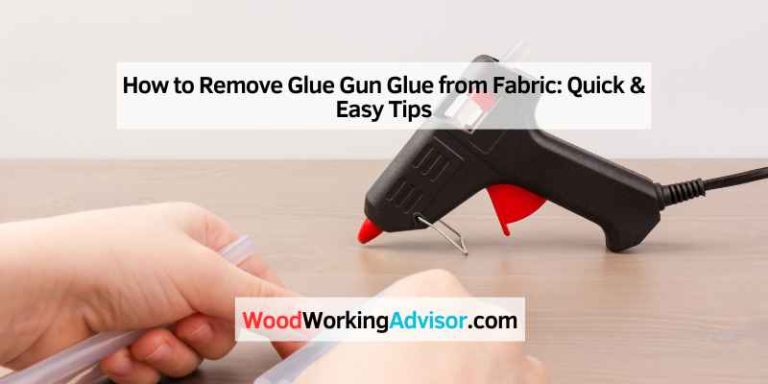
Heat can re-melt certain glues, allowing you to lift them off. This is particularly effective for hot glue.
What it’s best for: Hot glue, some craft glues.
Safety Warning: Be extremely cautious when using heat. Always use the lowest effective setting and test in a hidden area first. Never iron directly onto plastic-based glues, as they can melt and fuse permanently to the fabric. Keep hot air guns on low and at a safe distance. Ensure the iron is clean.
- Prepare the Area: Place a clean paper bag or a clean, absorbent cloth (like an old cotton towel) on your ironing board. Place the garment on top, with the glue stain facing down onto the paper bag/cloth.
- Apply Heat: Set your iron to a medium-low heat setting (no steam). Gently press the iron onto the back of the fabric, directly behind the glue stain. The heat should transfer through the fabric and begin to melt the glue.
- Lift and Replace: As the glue melts, it should transfer onto the paper bag or cloth underneath. You may need to lift the iron and move the garment slightly to a clean section of the bag/cloth and repeat. Continue until as much glue as possible has been lifted.
- Scrape or Treat Residue: If any residue remains, you might be able to scrape it off or treat it with a dab of dish soap or rubbing alcohol before washing.
- Alternative: Hair Dryer: You can also use a hair dryer on a medium-high heat setting. Hold it a few inches from the fabric until the glue softens, then try to scrape it off. Be careful not to overheat the fabric.
Method 6: Specialized Commercial Removers
For stubborn glues or if household remedies don’t quite do the trick, a commercial glue remover can be very effective. Brands like Goo Gone, Goof Off, or dedicated fabric glue removers are available.
What it’s best for: Tough, dried-on glues, sticker residue, and unknown adhesive types.
Important: Always read and follow the manufacturer’s instructions precisely. These products are often stronger and require specific handling precautions.
- Read Instructions: Thoroughly read the product label and any included instructions. Note any warnings about fabric types, ventilation, or protective gear (like gloves).
- Test in a Hidden Area: This is especially crucial with commercial removers. Apply a tiny amount to an inside seam or hem to ensure it doesn’t discolor or damage the fabric.
- Apply the Remover: Apply the remover directly to the glue stain according to the product directions. This might involve dabbing, spraying, or saturating.
- Let it Work: Allow the product to sit for the recommended time. This gives the chemicals time to break down the adhesive.
- Scrape or Blot: Use a dull tool or a clean cloth to gently lift or blot away the softened glue.
- Rinse and Wash: Rinse the treated area thoroughly with cool water, then wash the garment as usual according to its care label.
Dealing with Specific Stubborn Glues
Some glues present unique challenges. Here’s how to approach them:
Hot Glue Removals
As mentioned, heat is usually the best first step. If heat doesn’t get it all, try freezing to make any remaining hardened bits brittle enough to scrape off.
Super Glue (Cyanoacrylate) Removals
Super glue bonds rapidly and strongly. Rubbing alcohol is your best bet here. For very stubborn super glue, a dedicated super glue remover might be necessary, but use it with extreme caution and always test first, as these are strong chemicals.
Fabric Glue Removals
Fabric glues are designed to be permanent. If you need to remove it, check the product packaging. Many require soaking in warm, soapy water or a solvent like rubbing alcohol. For some, you might be able to gently peel or scrape once dry, followed by a wash.
Tape Residue
Often you can pick off a lot of the tape itself. Then, rubbing alcohol, vinegar, or a commercial adhesive remover (like Goo Gone) are good for the sticky residue left behind. Gentle rubbing with a cloth usually does the trick.
A Comparison of Glue Removal Methods
Here’s a quick look at how some common methods stack up:
| Method | Best For | Pros | Cons |
|---|---|---|---|
| Scrape & Wash | Fresh water-based glues | Simple, uses minimal supplies | Less effective on dried or strong glues |
| Freezing | Gummy adhesives, tape residue | Hardens glue for easy removal | Requires freezer space and time |
| Rubbing Alcohol | Super glue, sticker residue | Effective solvent, readily available | Can affect some dyes, needs ventilation |
| Vinegar | Water-based glues | Natural, mild, deodorizing | Slight odor (washes out), may not work on tough glues |
| Heat (Iron/Hair Dryer) | Hot glue | Melts glue for lifting | Risk of fabric damage or melting; use with caution |
| Commercial Removers | Tough, dried glues | Often very effective | Can be harsh, requires testing and ventilation |
Preventing Future Glue Disasters
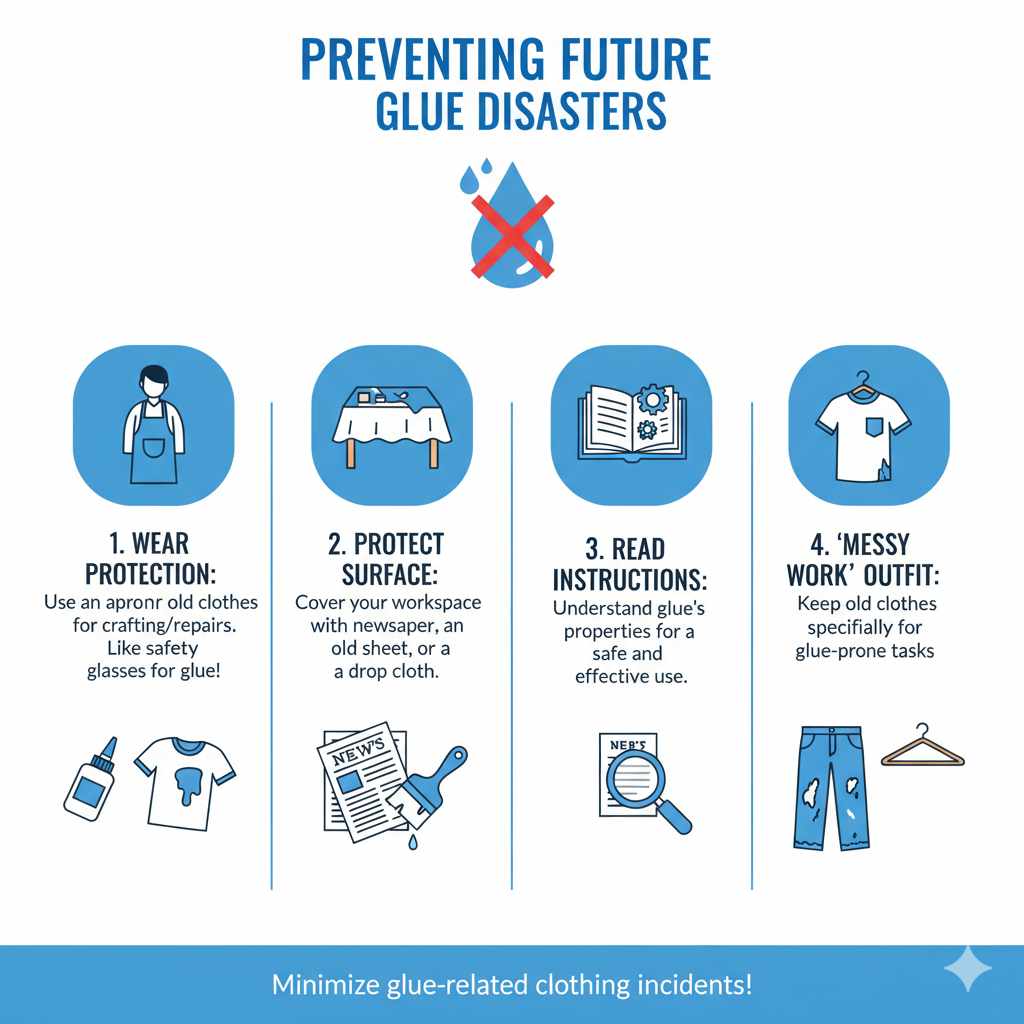
While not always possible to avoid, a few habits can minimize future glue-related clothing incidents:
- Wear an Apron or Old Clothes: Especially when doing crafting, repairs, or working with strong adhesives. This is like wearing safety glasses in the workshop – an easy way to protect yourself!
- Work on a Protected Surface: Cover your workspace with newspaper, an old sheet, or a drop cloth to catch drips.
- Read Glue Instructions: Understand the glue’s properties and how to use it safely and effectively.
- Keep a Designated “Messy Work” Outfit: Have a reliable old shirt or pair of pants you don’t mind getting a little glue on.
Frequently Asked Questions (FAQ)
Can I use nail polish remover to get glue off clothes?
Nail polish remover, especially acetone-based types, can be very effective at dissolving super glue. However, acetone is a powerful solvent and can easily damage or discolor many fabrics. Always test on a hidden area first, use sparingly, and rinse thoroughly. Rubbing alcohol is often a safer alternative to try first.
What’s the best way to remove dried super glue from fabric?
For dried super glue, rubbing alcohol is usually the most effective and safest option. Apply generously with a cotton ball or cloth, let it soak for a few minutes, and then gently try to scrape or rub away the softened glue. You might need to repeat the process. If that doesn’t work, a specialized super glue remover can be used with extreme caution.
My child got craft glue all over their school uniform. Help!
Craft glue (like Elmer’s or similar water-based glues) is usually the easiest to tackle. If it’s dried, scrape off as much as you can. Then, pre-treat the spot with liquid laundry detergent or a stain remover, let it sit, and wash the uniform in the warmest water safe for the fabric. Check it before drying!
Is it possible to remove permanent fabric glue?
Permanent fabric glues are designed to be strong and lasting. Removal can be difficult and may not be completely successful without affecting the fabric. Check the glue’s packaging for specific removal instructions. Trying to gently scrape, re-melt with heat (if applicable and safe for the fabric), or using a strong solvent (after thorough testing) are sometimes options, but expect it to be challenging.