How Long Does Gorilla Glue Last: Proven Essential
Gorilla Glue’s shelf life is complex, typically lasting 2-5 years unopened when stored correctly, but once opened, its effectiveness diminishes significantly within months to a year, depending on storage and type. Proper sealing and cool, dry environments are key to maximizing its longevity.
Working on a project and wondering if that bottle of Gorilla Glue tucked away in your workshop is still good? It’s a common worry for DIYers and homeowners alike. You don’t want to start a job only to find out your trusty adhesive has lost its legendary sticking power. A failed bond can mean wasted time, materials, and a lot of frustration. But don’t worry, understanding how long Gorilla Glue lasts, and how to keep it effective, is simpler than you might think. This guide will walk you through everything you need to know to ensure your Gorilla Glue is ready when you are.
Understanding Gorilla Glue’s Unique Chemistry
Gorilla Glue is famous for its incredible strength and versatility. But how does it get that way, and how does its chemistry affect its lifespan? Understanding this will help us figure out how long it lasts and why.
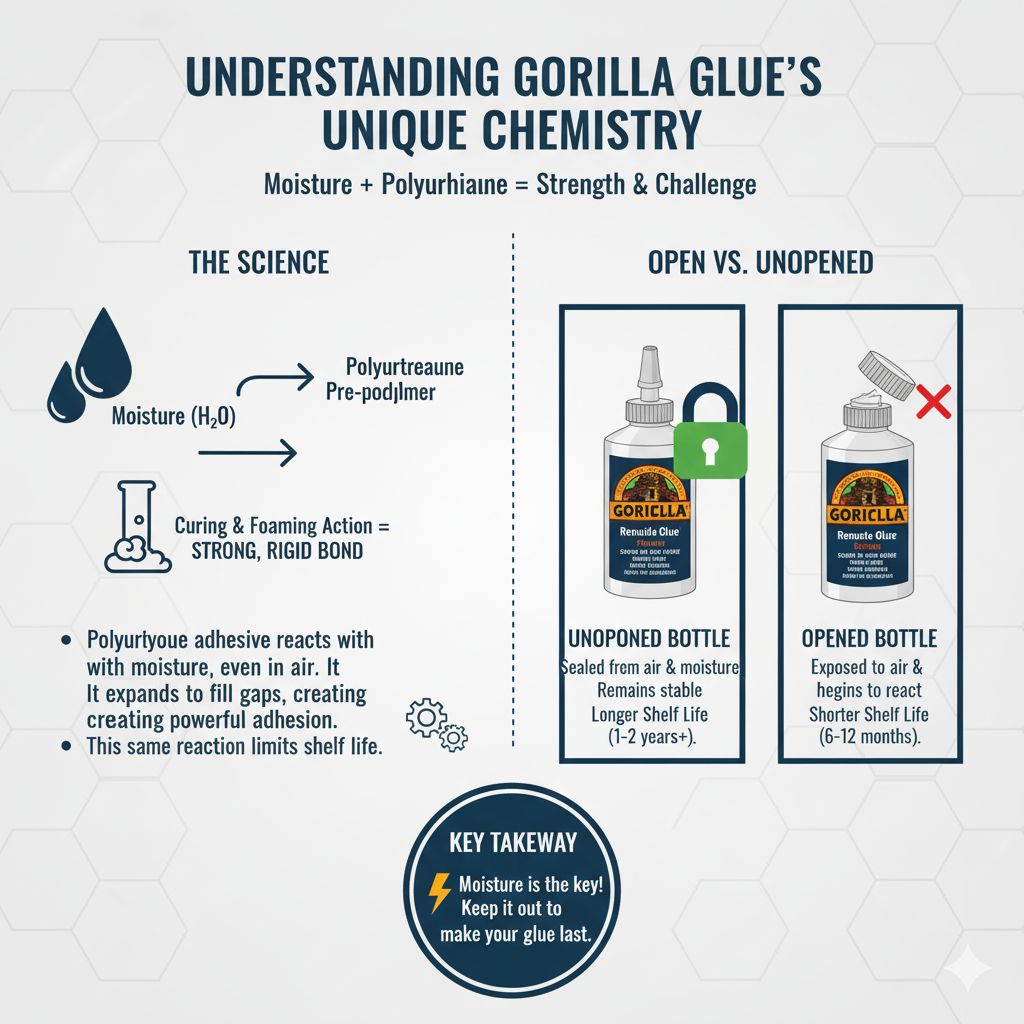
At its core, most standard Gorilla Glue is a polyurethane adhesive. When exposed to moisture – even the tiny amount in the air – it reacts and expands, creating a strong, rigid bond. This “foaming” action is why it fills gaps so well. However, this same reaction with moisture is also the primary factor that limits its shelf life, especially after the bottle has been opened.
The Open Bottle vs. The Unopened Bottle
This is the biggest distinction when talking about how long Gorilla Glue lasts. Why?
When a bottle of Gorilla Glue is sealed and unopened, the polyurethane is relatively stable. It’s protected from the air and any incidental moisture. This allows it to remain potent for an extended period. However, once you break that seal, you introduce the elements – primarily moisture and air – that begin the chemical process. This is why an opened bottle will generally have a shorter effective lifespan than one that’s still factory-sealed.
How Long Does Unopened Gorilla Glue Last?
For most DIYers, the unopened bottle is the more common scenario. You buy it, use a bit, and then stash it for the next project. So, what’s the typical lifespan in this state?
Generally, unopened Gorilla Glue has a shelf life of about 2 to 5 years from the date of manufacture. This is a pretty generous window, giving you plenty of time to use it. The exact “expiration date” isn’t usually printed on the bottle in a traditional sense. Instead, look for a batch code or manufacturing date. Many manufacturers, including Gorilla Glue, use a system where you can often decipher the date it was made.
Here’s what influences this:
- Storage Conditions: This is paramount. If the glue is stored in a cool, dry place, away from direct sunlight and extreme temperature fluctuations, it will last much longer. Think of a climate-controlled workshop or a dry pantry shelf.
- Manufacturing Quality: While Gorilla Glue is known for quality, minor variations in the manufacturing process can sometimes affect the initial stability.
- Packaging Integrity: A perfectly sealed bottle will naturally last longer than one with a slightly compromised seal or cap.
Tip: If you can’t find a clear date, err on the side of caution. If the glue is several years old and you’re undertaking a critical project, it might be worth testing it first or investing in a new bottle to be safe.
Checking the Manufacturing Date
Finding the manufacturing date on Gorilla Glue can sometimes be a bit of a treasure hunt. Typically, it’s printed on the bottle itself, often near the bottom, or on the label. It might be in a format like “XXYY” where XX is the week of the year and YY is the year. For example, “2522” would mean it was manufactured in the 25th week of 2022.
If you’re unsure, the official Gorilla Glue customer service can often help you decipher batch codes if you provide them.
How Long Does Opened Gorilla Glue Last?
This is where things get a bit trickier, and it’s the scenario most DIYers worry about. Once you’ve opened the bottle, the clock starts ticking faster.
For standard brown Gorilla Glue (the original polyurethane formula):
- Effectively Usable: 6 months to 1 year.
- Degradation Begins: Immediately upon opening.
Why the difference? Every time you open the bottle, you expose the glue inside to moisture and air. The glue starts to cure inside the bottle. This often happens around the nozzle, causing clogging, but it also affects the overall consistency and bonding power of the glue within the main reservoir.
Signs your opened Gorilla Glue might be past its prime:
- Difficulty Dispensing: The nozzle is frequently clogged, or it comes out very slowly.
- Thickened Consistency: The glue looks more like jelly than a liquid.
- No Foaming Action: When you apply it to your project and add a little moisture (as recommended), it doesn’t expand or foam up much.
- Weak Bond: The glued joint breaks apart easily.
Important Note: Different types of Gorilla Glue have different lifespans. For example, Gorilla Super Glue (Cyanoacrylate) has a shorter shelf life once opened, typically only a few months, as it’s very sensitive to moisture in the air. Gorilla Wood Glue (PVA-based) also degrades faster than unopened polyurethane, though its storage requirements and lifespan are more similar to standard wood glues.
Storage Tips for Opened Bottles
To maximize the life of your opened Gorilla Glue, follow these essential storage practices:
- Reseal Tightly: This is non-negotiable. Ensure the cap is screwed on as tightly as humanly possible. Many bottles come with a small peg or cap that fits into the nozzle – use it!
- Wipe the Nozzle: Before sealing, use a damp cloth to wipe away any excess glue from the nozzle and the neck of the bottle. This prevents a hard crust from forming that can block future use.
- Store in a Cool, Dry Place: A workshop drawer, a cabinet, or a pantry is ideal. Avoid places with high humidity (like near a sink or in a shed that experiences condensation) or extreme temperature swings (like a car trunk or direct sunlight).
- Store Upright: This helps prevent leaks and keeps the cap area less exposed to the bulk of the glue.
- Use Promptly: The best way to ensure your opened glue is good is to use it as soon as possible. Try to complete projects that require it within a few months.
Why That Little Water is Important (and How it Relates to Shelf Life)
You’ll notice that with most Gorilla Glues, the instructions mention adding a light mist of water to activate it. This is crucial because the glue needs moisture to cure.
For successful bonding: Your project material should have some moisture, or you should lightly mist one surface with water before applying the glue. This triggers the foaming and expansion, leading to a strong bond.
For shelf life: This is also why opened bottles degrade. Even the tiny amount of humidity in the air can start the curing process inside the bottle. Over time, this uses up some of the active ingredients and can lead to a thicker, less reactive glue. It’s a delicate balance: too little exposure to moisture, and it won’t bond; too much, and it cures prematurely in the bottle!
Factors Affecting Gorilla Glue’s Lifespan
Beyond just being open or closed, several factors play a role in how long your Gorilla Glue remains effective.
Temperature Extremes
High temperatures can accelerate the chemical reactions within the glue, causing it to degrade faster, even when sealed. Conversely, freezing temperatures can sometimes damage the glue’s structure, although many polyurethane adhesives are fairly resilient. The ideal temperature range for storage is typically between 40°F and 90°F (4°C and 32°C).
Humidity Levels
As we’ve discussed, moisture is the activator for Gorilla Glue. High humidity in your storage area will contribute to the glue curing inside the bottle, especially if it’s already opened. This is why a dry environment is so critical. Aim for a relative humidity below 50% if possible.
Air Exposure
Oxygen itself doesn’t directly degrade the polyurethane, but when combined with atmospheric moisture, it’s a recipe for premature curing. Keeping the cap sealed minimizes air exposure. If you’re really concerned about air, some advanced users have experimented with placing their opened bottles in airtight bags with a desiccant packet, though a good seal on the bottle is usually sufficient.
Type of Gorilla Glue
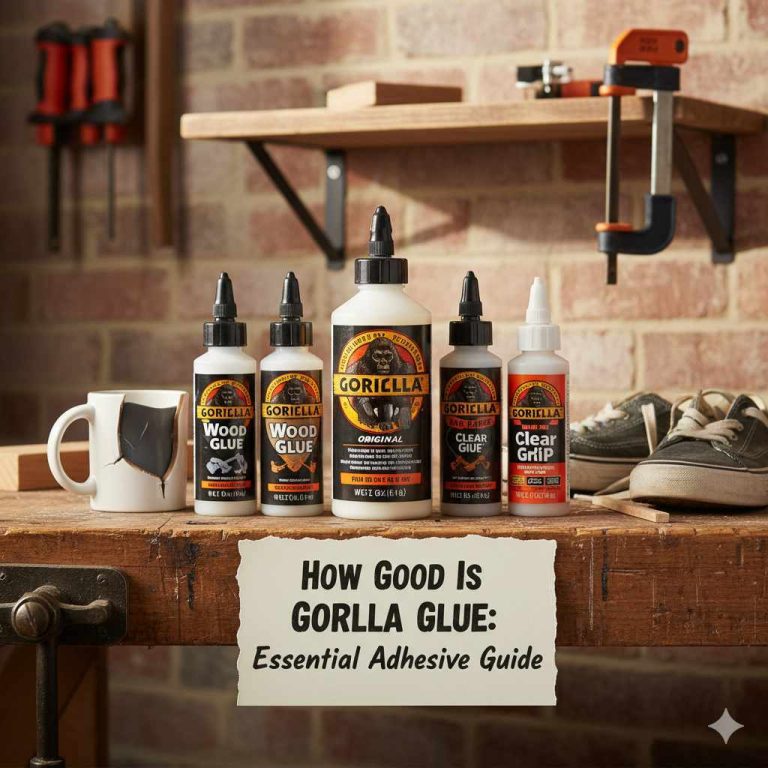
It’s worth reiterating that not all Gorilla Glues are created equal when it comes to lifespan. Here’s a quick look:
| Gorilla Glue Product Type | Unopened Shelf Life | Opened Shelf Life (approx.) | Primary Chemical Type |
|---|---|---|---|
| Original Gorilla Glue (Brown) | 2-5 years | 6-12 months | Polyurethane |
| Gorilla Wood Glue (White) | 1-2 years | 3-6 months | PVA (Polyvinyl Acetate) |
| Gorilla Super Glue Gel/Liquid | 1-2 years | 3-6 months | Cyanoacrylate |
| Gorilla Construction Adhesive | 1-2 years | 6-12 months (if resealed well) | Elastomeric Polymer |
| Gorilla Epoxy (2-Part) | 2-3 years | 1-2 years (for mixed portion) | Epoxy Resin & Hardener |
As you can see, the formulation matters a lot! The cyanoacrylates (super glues) are particularly sensitive to humidity and cure very rapidly once exposed.
Testing Your Gorilla Glue Before a Big Project
Before you commit your valuable project pieces to a potentially weakened adhesive, it’s smart to test it. This is especially true if your glue is older or has been stored under less-than-ideal conditions.
Here’s a simple test:
- Find Scrap Material: Grab a couple of small, leftover pieces of wood, plastic, or whatever material you plan to glue.
- Prepare Surfaces: Clean the surfaces of your scrap pieces. If you’re using original Gorilla Glue, lightly mist one surface with water.
- Apply Glue: Apply a small amount of your Gorilla Glue to one of the prepared surfaces.
- Join and Clamp: Press the pieces together firmly and clamp them, just as you would for a real project.
- Allow Cure Time: Let it cure for the recommended time (Gigantic Glue requires 24 hours for a full cure).
- Test the Bond: Once cured, try to break the pieces apart. You can use your hands, or for a more rigorous test, a small clamp to apply pressure.
What to Look For:
- Foaming/Expansion: Did the glue foam up when you added moisture? If not, it’s likely lost its reactivity.
- Strength of Bond: Did the pieces hold together firmly, or did they break apart easily? If they break apart cleanly, the glue might have lost its strength. If a weak bond is achieved, it might still be usable for lighter-duty tasks.
- Clean Break vs. Glue Failure: A strong bond means the material itself will often break before the glue joint does. If the glue comes away cleanly from one or both surfaces, the glue is the weak link.
When to Replace Your Gorilla Glue
It’s tough to throw away a nearly full bottle of glue, but sometimes it’s the wisest choice for your project’s success and your peace of mind.
You should consider replacing your Gorilla Glue if:
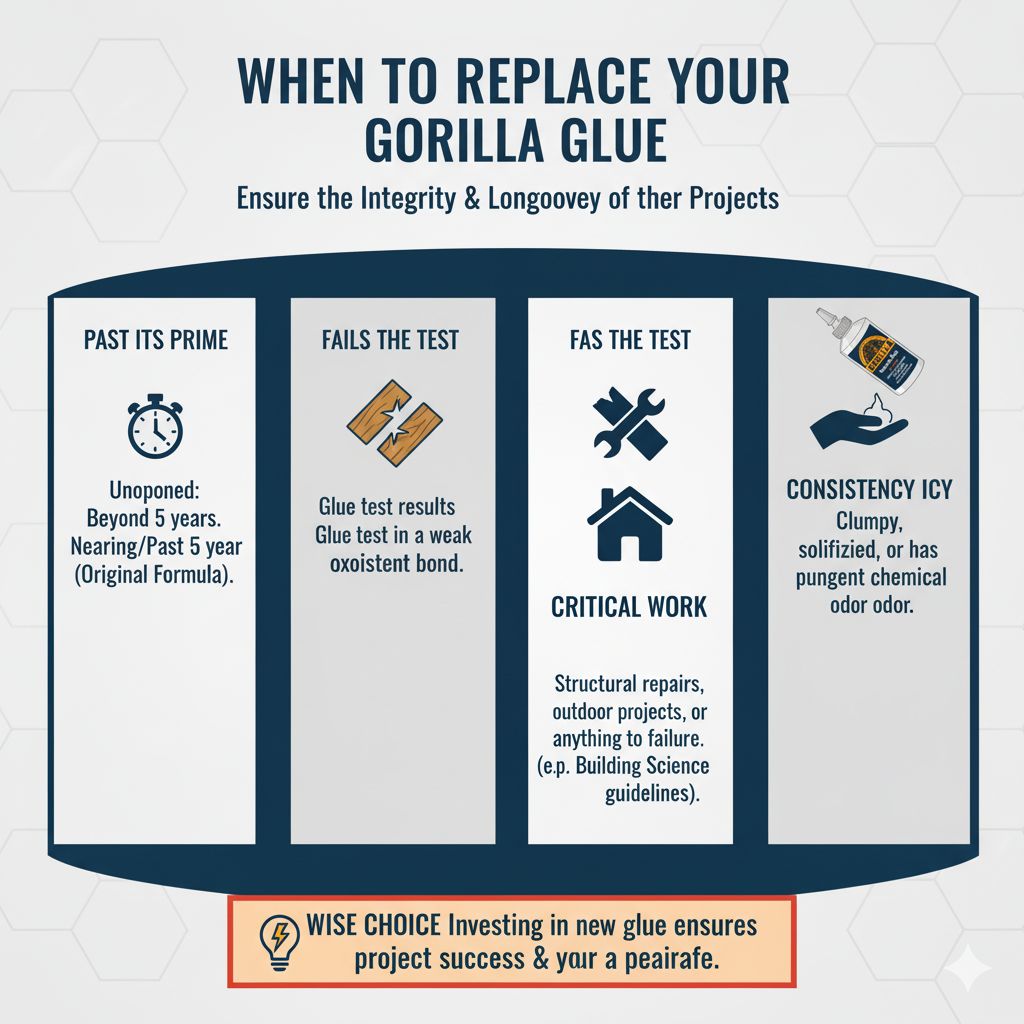
- It’s past its prime: If the unopened bottle is well beyond the 5-year mark, or your opened bottle is nearing or past the 1-year mark (for original formula) and shows signs of degradation.
- It fails the test: If your glue test shows a weak or non-existent bond.
- You’re doing critical work: For structural repairs, outdoor projects exposed to the elements, or anything where failure could be dangerous or costly, always use fresh, reliable glue. You can find information on best practices for adhesives from organizations like the Building Science Corporation, which often discusses material performance and durability.
- The consistency is off: If it’s clumpy, solidified, or smells significantly different (often a more pungent chemical odour can indicate degradation).
Investing in new Gorilla Glue isn’t just about buying more product; it’s about ensuring the integrity and longevity of your work. A fresh bottle guarantees you get the full strength and reliability that Gorilla Glue is known for.
FAQs About Gorilla Glue Lifespan
Does Gorilla Glue expire?
Yes, Gorilla Glue does have an expiration, especially once opened. Unopened bottles typically last 2-5 years if stored properly, while opened bottles of the original formula are best used within 6-12 months due to exposure to air and moisture.
How can I tell if my Gorilla Glue is bad?
Signs of bad Gorilla Glue include difficulty dispensing (clogged nozzle), a thickened or jelly-like consistency, lack of foaming when moisture is applied, and a weak, easily broken bond after curing.
How should I store Gorilla Glue to make it last longer?
Store Gorilla Glue upright in a cool, dry place, away from direct sunlight and extreme temperatures. Ensure the cap is sealed tightly after each use and wipe the nozzle clean before capping to prevent clogs and preserve its effectiveness.
If I freeze Gorilla Glue, will it still work?
While some adhesives can be damaged by freezing, polyurethane-based Gorilla Glue is often resilient. However, freezing is not recommended as it can potentially affect its consistency and performance. Optimal storage is at room temperature in a dry environment.
What is the shelf life of opened Gorilla Super Glue?
Gorilla Super Glue (Cyanoacrylate) is very sensitive to humidity. Once opened, it typically lasts about 3-6 months with proper storage, and its effectiveness can diminish much sooner if exposed to air and moisture.
Can I still use Gorilla Glue if it didn’t foam much?
If your Gorilla Glue didn’t foam much, its bonding strength is likely compromised. While it might hold very light items together, it’s not recommended for anything requiring significant strength or durability. You’d be better off using a fresh bottle for reliable results.
Does Gorilla Glue need to be refrigerated?
No, refrigeration is not necessary and can sometimes be detrimental. The goal is a cool, dry place with stable temperatures, typically between 40°F and 90°F (4°C and 32°C). Extreme cold or heat should be avoided.