How to Dispose of Citristrip (Leftover Gel, Empties, Waste)
Do not pour Citristrip down the drain, and do not treat a half-used can like ordinary trash. Take leftover gel and empty containers to your local household hazardous waste (HHW) collection program. That is what Citristrip itself says, and it is what the safety data sheet points to when it says to dispose of the contents and container under local, state and federal rules.
This page walks through what to do with each kind of waste you end up with after a stripping job: leftover gel, empty cans, scraped-off sludge, spills, and rags. Every disposal statement here comes from the Citristrip maker’s safety data sheet, the Citristrip website, or EPA household hazardous waste guidance. Rules for HHW vary by city and county, so a quick call to your local program is the last step, not an optional one.
How to Dispose of Citristrip: The Short Answer
Best Chemical Glove Pick
 |
COOLJOB 18 Mil Chemical Resistant Nitrile Gloves, 13 in. ($7.99) Citristrip’s own directions call for chemical-resistant gloves, and the safety data sheet lists the gel as corrosive, so gloves matter when you seal leftovers and carry them to a drop-off.
|
For a gel that is still liquid in the can, seal the lid, keep it in the original container with the label on, and take it to an HHW facility or collection event. If you have no HHW option nearby, the Citristrip site says to follow federal, state and local regulations, which means asking your county or city waste agency what they accept.
The one thing every source agrees on is what not to do. EPA describes improper household hazardous waste disposal as pouring products down the drain, on the ground, into storm sewers, or in some cases putting them out with the regular trash.
What Is Actually in Citristrip (and Why It Matters for Disposal)
Most people assume a citrus-scented stripper is mild. The safety data sheet says otherwise. I read the W. M. Barr sheet for Citristrip Stripping Gel (revision dated 09/27/2022), and the ingredient list and hazard data look very different from what the orange color and mild odor suggest.
| What the SDS lists | Value | Why it matters for disposal |
|---|---|---|
| Benzyl alcohol | 30 to 60 percent of the product | It is the main ingredient, not the citrus oil, so this is a chemical product and not a food-safe cleaner |
| Diethylene glycol monobutyl ether | 5 to 10 percent | A solvent that should never be rinsed into a household drain |
| 2-(2-Aminoethoxy)ethanol | 3 to 7 percent | An amine that adds to the gel’s alkalinity |
| d-Limonene (citrus oil) | 0.1 to 1 percent | The citrus ingredient is a trace amount, so “made with citrus” does not mean harmless |
| pH | 10.5 to 11 | Strongly alkaline, and the sheet lists “causes severe skin burns and eye damage” |
| Flash point | Above 200 F; listed as non-combustible | The gel itself is not a fire hazard, but mineral spirits used for cleanup are a separate matter |
| US DOT shipping class | Class 8, corrosive (UN3066) | It is classified as a corrosive, which is why waste programs handle it separately from paint thinner or oil-based paint |
Myth check: Some disposal guides say a stripper “made from citrus” can go in the trash or down the sink because it is natural or biodegradable. The safety data sheet lists corrosivity and eye and skin damage, and it directs disposal under local, state and federal regulations. Neither the sheet nor Citristrip’s own instructions claim it is safe for drains. The formula can also change between production runs, so check the SDS for the can you actually own on the maker’s website.
What to Do With Each Type of Citristrip Waste
A stripping job creates more than one waste stream. Sorting them before you head out saves a second trip.
| What you have | What to do | Source |
|---|---|---|
| Leftover gel in the can | Keep it in the original container with the label, lid sealed, and take it to an HHW facility | Citristrip website; EPA |
| Empty can | Take it to HHW too, since the maker names empty containers as HHW items and EPA notes residue can remain | Citristrip website; EPA |
| Scraped-off gel and paint sludge | Collect it in a sealed, labeled container and treat it as HHW | SDS (chemical waste container for spills); local program |
| Spilled gel | Absorb with an inert material such as dry sand or earth, then put it in a chemical waste container | SDS section 6 |
| Mineral spirits or After Wash cleanup rags | Follow that product’s label and your local program; it is a different chemical from the gel | Citristrip site names both for cleanup |
Leftover gel
Keep the gel in the original can. EPA’s guidance is to keep household hazardous products in their original containers, never remove the label, never store them in food containers, and never mix them with other products because they could react, ignite, or explode. Pouring leftover gel into a jar to save space removes the label your HHW facility needs to identify it.
Empty containers
An empty can is not automatically trash. EPA notes that even empty containers can pose hazards because of residual chemicals. Citristrip’s instructions say to dispose of empty containers and leftover product at your local household hazardous waste collection facility. Do not reuse the can for anything else.
Scraped gel, paint, and sludge
When the gel lifts paint or varnish, the sludge you scrape into a pan is a mixture of stripper and old finish. Because it contains the stripper, take the sealed container to the HHW program and tell them what it is. If your home was built before 1978, the old paint may contain lead, so mention that as well and check EPA and local lead-paint guidance before you scrape indoors.
Spills
The safety data sheet is specific here: wear protective clothing, use chemical goggles or a face shield where eyes could be splashed, absorb the spill with an inert material like dry sand or earth, and place it in a chemical waste container. Do not wash a spill into a drain or onto the ground. If gel gets on skin, the sheet says to flush with plenty of water for at least 15 minutes while removing contaminated clothing, and to flush eyes for at least 15 minutes as well.
Where to Take Leftover Citristrip
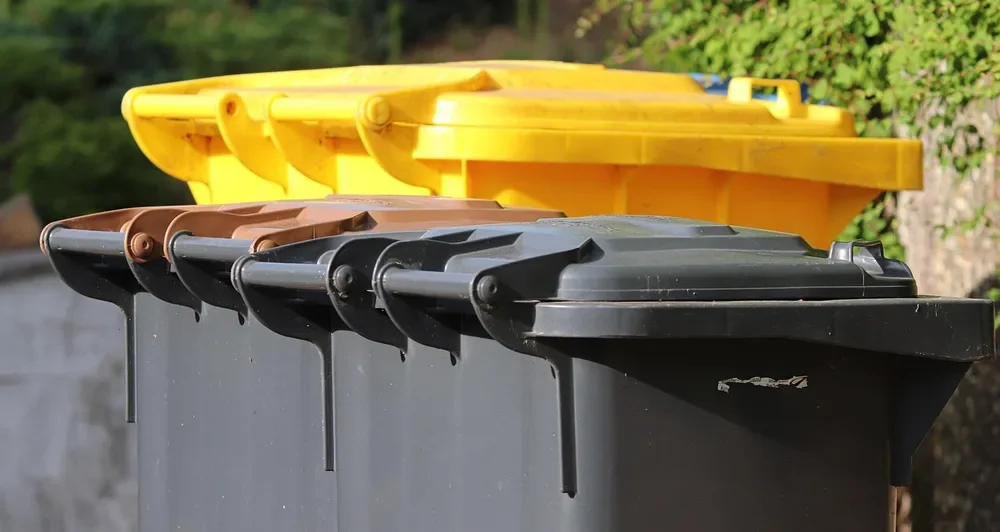
EPA points people to two starting points: the Earth911 database, which lets you search collection sites by zip code, and your local environmental or waste agency, which can tell you about permanent or periodic HHW collections near you.
- Call first. Ask whether the program takes paint strippers or corrosive liquids, whether it is open year-round or only on set event days, and whether residents need an appointment or proof of address.
- Pack it upright. Put the sealed can in a sturdy box or bin that can hold a leak, and keep it out of the passenger area of the vehicle.
- Bring the label. A can with its original label intact is much easier for staff to accept and route correctly.
- Ask about the gloves and rags. Some programs take contaminated gear with the chemical waste; others do not.
Rules differ by state and county. If your area has no HHW program, ask your local waste agency what the fallback is; the Citristrip site simply points to federal, state and local regulations in that case.
Mistakes That Turn a Simple Cleanup Into a Problem
- Pouring it down the sink or toilet. EPA lists drains, storm sewers, and the ground as improper disposal routes.
- Tossing the wet can in the curbside bin. The sanitation crew, not you, ends up exposed to a corrosive.
- Mixing leftovers into one jar. EPA warns that mixed household hazardous products can react, ignite, or explode.
- Dumping it on the ground or in the yard. Bare soil and storm drains are exactly the routes EPA warns against.
- Buying a bigger can than the job needs. The cheapest disposal is using it up. Citristrip says the gel stays wet and active for up to 24 hours and should go on several times thicker than the paint film, so one properly thick coat on a real project uses product up better than repeated thin ones.
For the wipe-down and cleanup steps that come before disposal, see our guides on how to remove Citristrip and what to use after Citristrip. If you are wondering how hazardous the gel is to touch or breathe, read is Citristrip toxic, and for a first-time job start with how to use Citristrip stripping gel. Brushes you used for it are covered in how to clean Citristrip from brushes.
Frequently Asked Questions
How do you dispose of leftover Citristrip?
Keep it sealed in the original container with the label on, and take it to a household hazardous waste collection facility or event. Leftover product and empties both go there per the maker, or follow federal, state and local regulations if no facility is available.
Can you pour Citristrip down the drain?
No. EPA lists pouring household hazardous products down the drain as improper disposal, and the safety data sheet directs disposal under local, state and federal regulations. The gel is listed as corrosive, with a pH of 10.5 to 11.
Is Citristrip considered hazardous waste?
Treat it as household hazardous waste. The safety data sheet lists it as corrosive (DOT Class 8, UN3066) and warns of severe skin burns and eye damage, and Citristrip directs leftover product to a household hazardous waste facility. Exact legal classification depends on your local rules.
Can you throw empty Citristrip cans in the trash?
Not by default. The maker directs empty containers to a household hazardous waste collection facility, and EPA notes that empty containers can still hold residue. Ask your local program whether a fully emptied can is accepted with regular waste.
Sources: W. M. Barr Citristrip Stripping Gel safety data sheet (09/27/2022 revision); Citristrip Paint and Varnish Stripping Gel product page (citristrip.com); EPA household hazardous waste page (epa.gov).
Sponsored / affiliate links. As an Amazon Associate I earn from qualifying purchases. I may earn additional commission from eligible campaigns.