
How Many Coats of Tung Oil: Achieve a Perfect Finish
For a beautiful wood finish, the number of tung oil coats matters. So, how many coats of tung oil do you need?
Generally, applying 3 to 5 coats of tung oil is ideal for a durable and attractive finish. Tung oil has been a favorite for woodworkers for centuries. It brings out the natural beauty of the wood, adding depth and warmth.
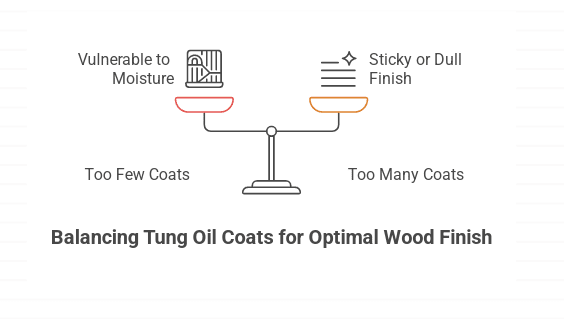
But it’s not just about looks; tung oil also protects the wood from moisture and wear. Applying the right number of coats ensures the wood is both beautiful and well-protected. Too few coats might leave it vulnerable, while too many can make it sticky or dull. Finding the balance is key. In this guide, we’ll explore how to achieve the perfect finish with tung oil.

Credit: www.reddit.com
Choosing Tung Oil
Pure tung oil comes from nuts of the tung tree. It provides a natural finish. Blended tung oil mixes pure oil with other chemicals. This makes it dry faster. It can also be easier to apply. But, it may not be as durable as pure oil.
Tung oil is water-resistant and provides a beautiful finish. It penetrates deep into the wood. This gives long-lasting protection. Tung oil is also non-toxic once dry. It is safe for food contact surfaces. It enhances the natural color of the wood. It doesn’t yellow over time like some other finishes.
Preparation Steps
Begin by cleaning the surface well. Remove any dust or dirt. A clean surface helps the oil stick better. Use a damp cloth to wipe the area. Let it dry completely before moving on. Avoid using strong cleaners. They can damage the wood.
Start with coarse sandpaper. Sand the wood gently. Move to finer sandpaper as you go. Sanding smooths the wood. It makes it ready for the oil. Keep the sanding even. Check for rough spots. Sand them again if needed.
Initial Application
Applying tung oil typically requires multiple coats for durability. Start with three coats, allowing each to dry thoroughly. The final product will be rich and resilient.
First Coat Tips
Clean the surface well. Remove any dust or dirt. Apply the oil with a clean cloth. Rub it in small circles. This helps the oil spread evenly. Use light pressure. Let the oil soak into the wood. Wipe off any extra oil. This stops sticky spots.
Drying Time
Let the first coat dry. This takes 24 hours. The oil needs time to harden. Drying time may vary. Temperature and humidity affect it. Touch the surface to check. It should feel dry, not sticky. Patience is key. Rushing can ruin the finish

Credit: everydaylaura.com
Layering Coats
Applying tung oil requires patience. The first coat is crucial. Let it dry completely. Drying time can vary. Usually, it takes 24 hours. After the first coat dries, add another coat. Each coat adds depth and protection. More coats create a stronger finish. Three to five coats are common. Thin coats work best. Thick coats can take longer to dry. Thin coats also look smoother.
Sanding between coats is important. It helps the oil adhere better. Use fine-grit sandpaper. Sand gently. Wipe off the dust before adding the next coat. Sanding removes imperfections. It makes the surface smooth. Always sand lightly. Heavy sanding can remove too much oil. Light sanding is enough.
Achieving The Perfect Finish
Applying the final coat is crucial. Make sure the surface is clean. Use a lint-free cloth. Apply the oil evenly. Thin, even coats work best. Allow the oil to soak in. Wipe off any excess oil. Let it dry for 24 hours. Check for a smooth finish. If not, add another thin coat.
After the final coat, polishing is key. Use fine steel wool or sandpaper. Rub gently in the direction of the grain. This ensures a smooth finish. Clean the surface with a soft cloth. Apply a thin layer of paste wax. Buff the surface to a shine. This adds protection and enhances the look.
Troubleshooting Common Issues
A sticky finish can be a problem. Tung oil might not dry well. This can happen if coats are too thick. Thin coats are better. Make sure to wipe off excess oil. Let each coat dry fully. This can take up to 24 hours. Poor ventilation can cause stickiness too. Good airflow helps drying. Use fans if needed.
Uneven coats can look bad. Apply tung oil evenly. Use a clean cloth or brush. Work in small sections. This helps control application. Sand between coats for a smooth finish. Use fine-grit sandpaper. Wipe off dust before the next coat. This ensures better adhesion. Proper technique is key for even coats.
Maintenance Tips
Keep the surface dust-free. Use a soft cloth for this task. A damp cloth works well for sticky spots. Avoid harsh cleaners. They can damage the oil finish. Dry the surface with a clean towel. This helps maintain the shine. Regular cleaning keeps the wood looking good.
Tung oil needs reapplication. This keeps the wood protected. Apply a thin coat every few months. Let it dry completely. Buff the surface with a soft cloth. This makes it shine. Regular reapplication keeps the wood strong. It also helps in maintaining its beauty. Always follow the product instructions.

Credit: www.ghsproducts.com
Safety Considerations
Ensure the room has good airflow. Open windows and doors. Use fans to move air. This helps to avoid strong smells. It keeps the air fresh and safe.
Wear gloves to protect your hands. Use safety glasses for your eyes. A mask will help you breathe easily. This keeps you safe from fumes.
Frequently Asked Questions
How Long Do You Wait Between Coats Of Tung Oil?
Wait 24 hours between coats of tung oil. Allow the oil to fully penetrate and dry. Ensure a smooth finish by lightly sanding between coats.
Can You Put Too Much Tung Oil On Wood?
Yes, applying too much tung oil can lead to a sticky surface. Use thin layers and allow proper drying time.
What Happens If You Don’t Wipe Off Excess Tung Oil?
Excess tung oil can become sticky and attract dust. It may create an uneven, glossy finish. Always wipe off the excess to ensure a smooth, durable surface.
Is 3 Coats Of Tung Oil Enough?
Three coats of tung oil are usually enough for a durable finish. Ensure proper drying between coats for best results.
Conclusion
Applying the right number of tung oil coats is essential. It enhances wood’s beauty and durability. Usually, three to five coats work best. Each layer adds more protection and shine. Always let each coat dry fully. Sand lightly between coats for a smooth finish.
This patience pays off with stunning results. Experiment to find the perfect number of coats for your project. Your wood will thank you with a long-lasting, beautiful finish.