How Much Does It Cost to Replace a Section of Hardwood Floor?
Replacing a damaged section of hardwood floor usually costs about $300 to $1,500 for a small area, but hidden subfloor damage, matching old boards, or a larger refinish can push it to about $2,000 to $4,000+. A poor match or a rough cut can leave a visible patch, squeaks, or gaps that cost more to fix later. This guide breaks down price by repair size, access, wood type, and when a section swap becomes a room-wide replacement.
Typical cost range
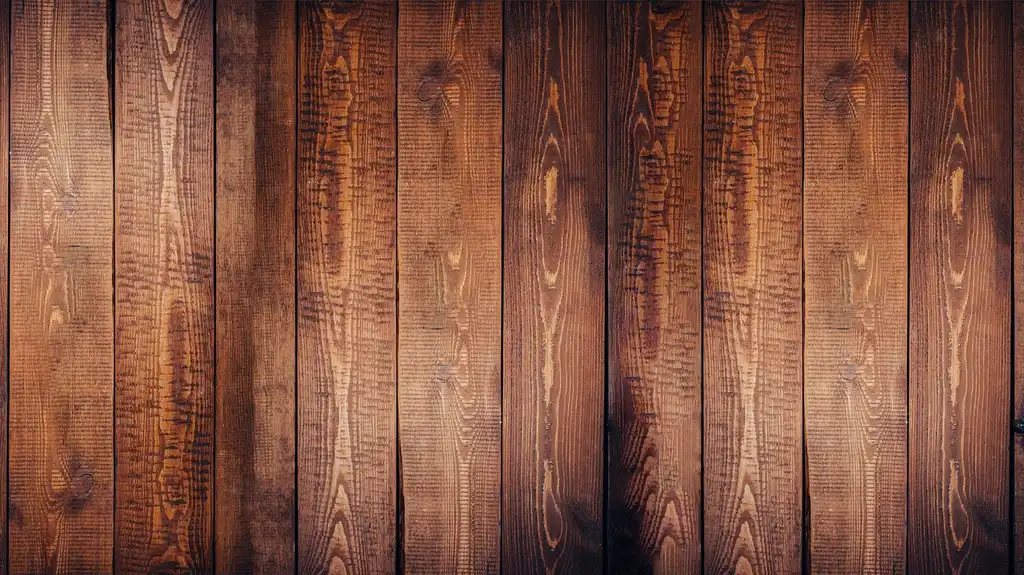

A small section swap often lands near the lower end of repair pricing, while a bigger damaged area or a hard-to-match board can move it into full replacement territory. A national average hardwood floor repair starts at $394–$483 per repair, and Yelp reports a typical repair cost of $311 with a range of $750 to $1500 for harder jobs.
The final bill changes fast once labor minimums apply. Hardwood repair labor usually includes removing the damaged section, measuring, fitting, nailing, and patching. If the job is tiny, that labor minimum can matter more than the square footage. A few planks may cost less in materials than in setup time, especially if the repair requires trim removal or finish blending.
Room-wide replacement is a different job. Once the damage is widespread, or the finish match fails badly, a contractor may recommend replacing the whole section of the room rather than creating a patch that will always stand out. That is why a small cutout can be cheaper than a poor cosmetic match that has to be redone later.
Hardwood repair decision table
| Damaged area size | Likely cause | Matching boards available? | Subfloor work likely? | Most cost-efficient action | Likely cost band |
|---|---|---|---|---|---|
| 1 to 2 square feet | One gouged board, nail damage, isolated stain | Yes, from leftovers or a close match | Usually no | Board swap or small patch | $300 to $600 |
| 3 to 8 square feet | Several planks scratched, cupped, or split | Sometimes | Maybe, if moisture is involved | Partial section replacement | $500 to $1,200 |
| More than 10 to 20 square feet | Water spill, appliance leak, impact damage across a run | Often difficult | Often yes | Full section replacement or room-scale redo | $1,200 to $4,000+ |
| Doorway, wall edge, or kitchen transition | Widespread damage near trim or transitions | Depends on product age | More likely | Targeted replacement if match is strong; otherwise larger redo | $800 to $3,000+ |
What changes the price of the job
Matching leftover flooring is one of the biggest cost drivers. If remnants from the original installation exist, the repair may be straightforward. If not, the installer may need to source a discontinued product, pull boards from a low-traffic area such as a closet, or blend color and wear so the new section does not stand out. Oxidation, UV fade, and discontinued product lines are common reasons a “simple” swap stops being simple.
Trim removal, waste, and finish blending add labor even when the damaged area is small. A repair that crosses baseboard, shoe molding, or a threshold usually takes longer because the boards must be cut and reinstalled cleanly. Material waste also rises when the pro has to remove surrounding boards to free a tongue-and-groove section without splitting adjoining pieces.
Location matters too. A section in the middle of an open room is usually easier than one along a wall, around a doorway, or at a kitchen transition. Those edges often hide fastening problems, old adhesive, or uneven subfloor conditions. The harder the access, the more likely the job moves from a basic repair to a more expensive partial replacement.
Can you replace just one section of hardwood flooring?
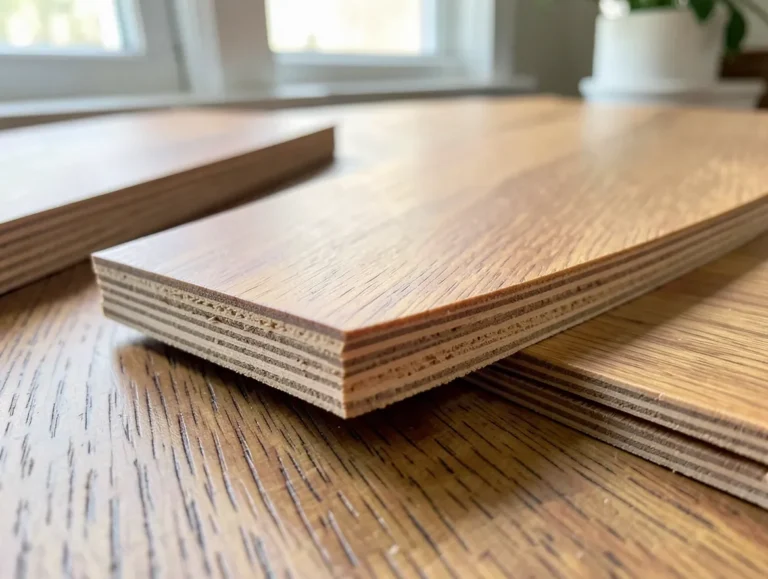
Yes, in many cases you can replace a single section or even one board, but the result depends on the flooring system and the match. Tongue-and-groove hardwood flooring uses interlocking edges, so the damaged piece can be removed and replaced if the surrounding boards can be freed without breaking adjacent joints. The cleaner the match, the less visible the repair.
When a single-board swap works well
A single-board swap works best when the board is isolated, the finish is still close in color, and the floor is not badly faded. Matching leftover boards from the original install make the repair easier. If the replacement piece comes from a closet or another low-traffic area, it may still need sanding and finish blending to avoid a visible line.
Say your living room has one cracked board near the sofa, and the rest of the floor is in good shape. If the exact product is still available and the subfloor is sound, a board swap is usually the most cost-efficient path. The job stays small, and the installer does not need to rebuild a larger section.
When one section becomes hard to match
Age changes hardwood. UV fade, oxidation, and normal wear can make a new piece stand out even if the species is the same. If the product line was discontinued, matching may be close but not exact. In that case, the repair can still work structurally, but the cosmetic result may push the job toward a larger section replacement.
A common first-timer mistake is assuming any wood board of the same width will blend in. It often will not. Finish sheen, stain tone, grain, and wear pattern all affect the result, and a poor match can be more noticeable than the damage itself.
How much does subfloor damage add to hardwood repair costs?
Subfloor damage can change a repair from a board swap into a larger carpentry job. If the floor feels soft, squeaks after a leak, or shows staining at the seams, the subfloor should be inspected before a replacement is priced. Yelp notes that a flooring inspection may be required when subflooring or joists are involved, and subfloor repairs can add $250–1,000+, with replacement at $750–3,000+.
Why subfloor work raises the bill
Once the damaged boards come out, the contractor may find rot, swelling, mold staining, or loose fastening below. That means more labor, more material, and sometimes a different repair path. If the subfloor must be rebuilt, the visible hardwood repair is only part of the total job.
Doorways, wall edges, and kitchen transitions often cost more because those are the places where moisture and movement show up first. A leak near a dishwasher or sink can travel under several boards before it becomes visible. That can turn a modest-looking surface problem into a broader subfloor repair.
Signs the floor needs a below-board inspection
- Boards feel soft, springy, or uneven.
- The floor squeaks more after a water event.
- You see staining, cupping, or swelling near seams.
- The damage follows a wall, doorway, or appliance line.
- The boards will not sit flat after removal and reset.
Handyperson or flooring contractor?
A handyperson can be a cost-effective choice for basic hardwood repairs, especially when the damaged area is small and the match is straightforward. The same source says handypersons typically charge $40–80 per hour. For large or difficult repairs, a flooring contractor is usually the better fit because the minimum fee is higher, but the work is more likely to be done cleanly and at room scale if needed.
When a handyperson makes sense
Simple repairs with clear access, sound subfloor, and matching leftover boards are the best handyperson jobs. These are the jobs where hourly pricing can stay manageable. Yelp also notes that swapping replacement pieces can add 1–2 hours to a repair job, so even a small task can take longer than expected if the board fit is tight.
When a flooring contractor is the better call
Large or difficult repairs are best handled by a flooring contractor. That matters when the damaged section is broad, the finish needs blending, or the job may spread into a full room replacement. The higher minimum fee is easier to justify if the scope includes sourcing boards, removing trim, patching subfloor, and rebuilding transitions.
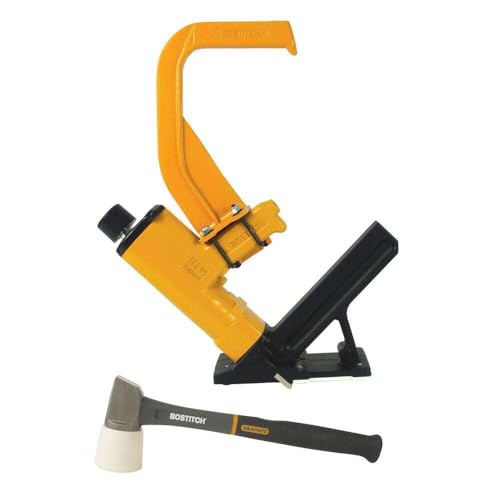
Homeowners often save money by choosing the cheapest labor rate first, then paying again when the result does not blend. For tongue-and-groove flooring, fastening method matters. Homewyse lists removing the damaged section of an existing board as part of basic labor, and it notes a pneumatic nailer is used for 1 1/2″ to 2″ nails and up to 3/4″ flooring. That is one reason wood-floor experience matters.
Will insurance cover a damaged hardwood floor section?
Insurance may cover a damaged hardwood floor section when the damage comes from a covered peril, such as fire or a burst pipe. Homeowner policies usually cover repairs for those sudden accidental events. Flooding is commonly excluded, so the source of the damage matters as much as the damage itself. A slow leak may also draw more scrutiny than a sudden break.
What to gather for a claim
Photos of the damaged boards, the source of the water or heat, and any visible subfloor damage help support a claim. Keep the repair estimate separate from the claim summary if possible, because insurers often want to see the difference between a board swap, a subfloor repair, and a larger replacement. That split helps show why the cost changed.
If the damage came from a burst pipe, appliance failure, or fire, ask the insurer what documentation it wants before demolition starts. If the damage came from flooding, coverage may be limited or denied. That can change the repair path from “replace now” to “price the work privately and control scope.”
Frequently asked questions
How much does it cost to repair a damaged hardwood floor section?
A damaged hardwood section often costs $300 to $1,500 to repair, depending on size, access, and matching difficulty. The national average starts at $394–$483 per repair, but a small job can be cheaper, while water damage, trim removal, or finish blending can push the price higher.
When is it cheaper to repair versus replace hardwood boards?
Repair is cheaper when the damage is small, the boards are still available, and the subfloor is sound. Replacement becomes the better choice when the boards are badly faded, the product is discontinued, or the damage spans more than 10 to 20 square feet. At that point, a patch may look worse than a larger swap.
What affects the price of replacing a few hardwood planks?
The biggest cost drivers are board sourcing, labor minimums, trim removal, and finish matching. If the installer must pull boards from a closet, blend stain, or work around a doorway or transition, the price climbs. A small repair can cost more per square foot than a larger one because setup time stays the same.
Do I need matching leftover boards to replace a section of hardwood?
Matching leftover boards are not always required, but they help a lot. If remnants from the original install exist, the repair is easier to blend. Without them, the installer may need to source the same product or accept a visible difference from age, oxidation, or UV fade. Close enough is not always close enough.
How much does it cost if the whole room has to be replaced?
Full room replacement usually costs far more than a sectional repair because it includes more materials, more labor, and often more finish work. Once matching fails across the room, the cost can move into the $2,000 to $4,000+ range or higher, especially if the old floor must be removed first.
Sponsored / affiliate links. As an Amazon Associate I earn from qualifying purchases. I may earn additional commission from eligible campaigns.