Plywood Price Per Square Foot Calculator for Bids
Plywood cost per square foot = sheet price ÷ sheet area; for a 4×8 sheet, divide by 32, then add waste and adjust for thickness, grade, and use. Miss that math and bids wander, stock gets overbought, or the wrong panel ends up on the job. This guide gives a plywood price per square foot calculator method, plus quick adjustments for thickness, grade, waste, and project type.
How is this calculated?
Press Calculate to see the math with your numbers.
How do you calculate plywood price per square foot?
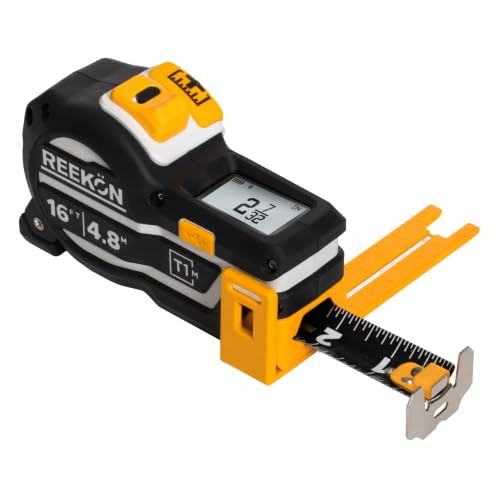


The formula is plain: sheet price ÷ sheet area = price per square foot. A standard 4 ft x 8 ft panel covers 32 square feet, so the sheet price can be converted by dividing by 32. I use that to compare products with different labels, grades, or vendors.
Why 4 x 8 plywood equals 32 square feet
Area is length times width. A 4 x 8 sheet covers 32 square feet. That makes it the usual starting point for cost checks, because the area stays fixed even when the sticker price shifts with thickness, glue line, face grade, or exposure rating.
Quick examples for common sheet prices
If a 4 x 8 CDX panel costs about $23.70, the unit price is roughly $0.74 per square foot. If a Birch Prefinished sheet costs about $40.99, the unit price is roughly $1.28 per square foot. The number helps, but it is only the first check. Thickness, grade, and waste still matter.
According to Imeca Lumber & Hardware – A One Stop Home Improvement Experience — Imeca sells Birch Prefinished Plywood 4 ft x 8 ft from $40.99.
What is the price per square foot of a 4 x 8 plywood sheet?
A 4 x 8 sheet is the easiest panel to price because the area is always 32 square feet. Once the sheet price is known, divide by 32 and compare that number with other sheets only after checking thickness and intended use. A low face-veneer price can still be the wrong buy.
How the same sheet price changes by grade and thickness
Two sheets can share the same footprint and still cost very different amounts. A thinner panel, such as 1/8 inch, is usually priced differently from 5/8 inch or 3/4 inch stock, and a specialty face or glue line pushes the price higher. Florida Lumber lists thicknesses from 1/8 inch to 3/4-inch.
How to compare 4 x 8 against larger sheet sizes
Not every panel is 4 x 8. A 4 x 9 sheet covers 36 square feet, and a 49 x 97 sheet covers roughly 33 square feet. That means the cheapest-looking sheet can stop being cheap once the area is corrected. Compare by square foot, not by sheet count alone.
How do thickness and grade change plywood cost?
Thickness and grade change price because they change material use, stiffness, and where the panel can go. A 1/8 inch sheet is not a substitute for 3/4 inch subflooring. CDX, AC, marine, film-face, OSB, pressure-treated, and fire-rated panels all land in different price bands for a reason.
Common plywood types and what they are used for
- CDX is commonly used for exterior applications; Florida Lumber lists it that way.
- Marine plywood uses moisture- and water-resistant adhesives; Florida Lumber lists AB marine plywood for that service.
- Film-face panels are often chosen for forming work.
- AC is often chosen where one clean face matters.
- OSB is often compared against plywood for sheathing and subfloor work.
- Pressure-treated and fire-rated panels cost more because they are built for specific exposure or safety needs.
When a lower sheet price is a bad buy
A low unit price can hide a poor fit. Thin sheet goods can sag where a floor needs stiffness. Interior-grade panels can fail in wet service. A cheap face can mean more sanding or more waste from defects. For a job that needs durability, the real cost is the installed panel that performs.
Florida Lumber lists roofing, forming, pressure treated, fire treated, tongue & groove, and sanded plywood. That mix is a good reminder that one price point does not fit every job. Compare intended use before you compare the sticker alone.
How much waste should you add to a plywood estimate?
Waste is part of the cost. Cuts, edge trim, layout loss, damaged corners, and wrong-direction grain all remove usable area from a sheet. A practical starting point is 10% overage, but a tighter cabinet layout may need more, and a simple wall patch may need less.
Panel cuts, trim, and layout loss
Even a full sheet rarely becomes full-use area. The saw kerf removes material. A ripped strip may not fit the next part. Face grain can force a cut pattern that wastes corners. The sheet still costs the same, so project planning should price the material that will actually be used on site.
Why 10% overage is a practical starting point
Ten percent leaves room for trimming, layout mistakes, and damaged pieces without making the estimate loose. I use it as a default for subflooring and roof work. For furniture, cabinets, or marine parts with many small pieces, the overage can rise because the offcuts are harder to reuse.
- Measure the total area to be covered.
- Add the cut and trim allowance.
- Divide by usable square feet per sheet.
- Multiply by the sheet price.
- Add delivery, tax, or other supply charges if they apply.
Calculator worksheet: plywood price per square foot by sheet size and project total
This worksheet turns a sheet price into usable area, unit price, and a waste-adjusted project total. It is built for quick comparisons, so a buyer can line up a cheap sheet against the panel that fits the job. The table uses common sizes and real examples.
| Product example | Sheet dimensions | Usable square feet | Sheet price | Price per square foot | Project total with 10% waste |
|---|---|---|---|---|---|
| CDX plywood | 4 ft x 8 ft | 32.00 | $23.70 | $0.74 | $26.07 |
| Birch Prefinished plywood | 4 ft x 8 ft | 32.00 | $40.99 | $1.28 | $45.09 |
| Marine plywood | 4 ft x 8 ft | 32.00 | $106.92 | $3.34 | $117.61 |
| Standard larger sheet | 49 in x 97 in | 33.03 | Fill in price | Sheet price ÷ 33.03 | Multiply by 1.10 after pricing |
| Extended sheet | 4 ft x 9 ft | 36.00 | Fill in price | Sheet price ÷ 36.00 | Multiply by 1.10 after pricing |
The worksheet shows why a sheet can look cheap until waste is added. A $23.70 CDX sheet is not a $23.70 project sheet once 10% overage is included. The same is true for expensive marine stock, where every offcut carries more cost.
How do you compare plywood costs for subfloors, roofs, cabinets, and marine work?
The cheapest workable sheet depends on the job. Subfloors and roof sheathing usually want strength and exterior suitability more than a fine face. Cabinet and furniture work often need a cleaner face. Marine work needs moisture resistance first, even when the sticker price climbs fast.
Cheapest workable choices for subflooring and roof sheathing
For subfloors and roof sheathing, CDX is often the cost floor because it is built for exterior applications and is widely used where appearance matters less than coverage and structure. OSB can also be priced against plywood for these jobs. The right answer depends on span, exposure, and local code.
Why marine and fire-rated panels cost more
Marine plywood is built with moisture- and water-resistant adhesives, so the material cost rises. Fire-rated panels are made for a different service condition and also cost more. Florida Lumber lists both marine and fire-treated plywood types, which shows these panels are specialty items, not general-purpose substitutes.
When cabinet or furniture plywood needs a different price check
Cabinet and furniture work often needs a better face, less patching, and cleaner edge treatment. That changes the real cost because more board footage may be rejected or trimmed away. A prefinished birch sheet can cost more per square foot, yet save finishing time and rework on the job.
What changes plywood pricing at the store or yard?
Local supply conditions move plywood pricing as much as product type does. Retail and wholesale channels do not quote the same way. Pickup can be cheaper than delivery. Regional stock changes by yard, and some products are harder to find in a given area. That matters when the schedule is tight.
Retail vs wholesale pricing
Retail yards often price convenience and small quantities higher. Wholesale supply can be lower per sheet, but it may come with order minimums or different service terms. The best number to compare is the landed cost at the job, not the shelf tag alone.
Pickup, delivery, and minimum order charges
Delivery can erase part of a low sheet price. Pickup may save money if loading is practical and the truck can handle the load. Some yards add fees for small orders or special handling. Dixieply says it provides next-day delivery in most cases, which shows how service speed can matter as much as the panel itself.
Regional availability and stock limits
Stock varies by supplier and region. Shell Lumber says it stocks 30K items in store and has the largest selection of lumber, moulding, exotic hardwoods and plywood anywhere. That kind of inventory depth helps when a job needs a specific panel now, not next week. Availability still changes by branch and timing.
For buyers comparing local options, the practical move is simple: price the sheet, check the size, confirm the grade, then add waste and delivery. That keeps the estimate tied to the actual panel that will be used on the job, not to a number that looks low on paper.
Frequently asked questions
What is the price per square foot of a 4×8 plywood sheet?
For a 4 x 8 sheet, divide the price by 32 square feet. A $23.70 CDX sheet works out to about $0.74 per square foot. A $40.99 Birch Prefinished sheet works out to about $1.28 per square foot. The grade and use still matter.
How do I compare plywood costs by thickness and grade?
Compare sheets only after checking thickness, face grade, glue line, and intended use. A thinner panel may be cheaper but not fit the same job. CDX, AC, marine, film-face, OSB, pressure-treated, and fire-rated panels are not interchangeable just because the footprint matches.
Does plywood price per square foot include waste and cuts?
No. Price per square foot usually covers the sheet area only. Waste, saw kerf, trim, and layout loss should be added separately. A 10% overage is a practical starting point for many jobs, but furniture, cabinets, or marine parts can need more allowance.
How much does CDX plywood cost per sheet?
One listed example is CDX Plywood 4 ft x 8 ft at $23.70. That makes the sheet cost easy to compare against other panels and converts to about $0.74 per square foot before waste, delivery, or job-specific allowances are added.
What is the cheapest plywood type for subflooring or sheathing?
CDX is often the cheapest workable choice when the job calls for exterior-style sheathing or subfloor use. OSB is also commonly compared in that category. The best pick depends on span, exposure, code, and local pricing, so the lowest tag is not always the best buy.
How do I convert plywood sheet price to square footage?
Find the sheet area first, then divide the price by that area. A 4 x 8 sheet is 32 square feet, a 4 x 9 sheet is 36 square feet, and a 49 x 97 sheet is about 33.03 square feet. That gives the unit price for comparison.
Sponsored / affiliate links. As an Amazon Associate I earn from qualifying purchases. I may earn additional commission from eligible campaigns.