What Is Armadillo Composite Decking Made Of? (Real Cost vs. Wood)
Armadillo composite decking is a wood-plastic composite (WPC) board — a co-extruded mix of recycled wood fiber and HDPE plastic wrapped in a protective cap layer. That capped shell is what actually does the work: it’s what resists fading, staining, and mold, not the wood fiber underneath, which is why capped composite boards typically carry 25-to-50-year warranties while the older uncapped composites from the 2000s often failed at the 10-year mark from moisture wicking into exposed fiber.
What Armadillo Composite Decking Is Made Of
Best Deck Cleaner for Composite Boards
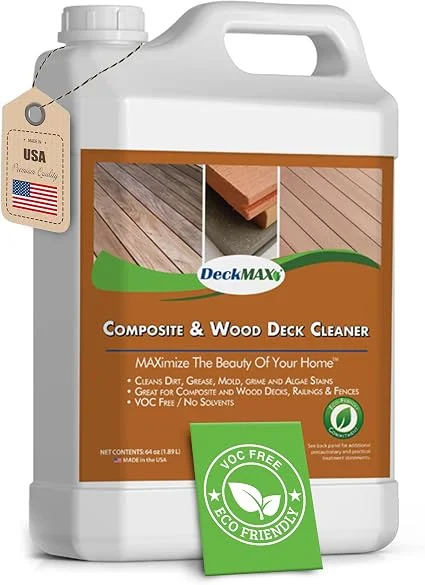 |
DeckMAX Composite Deck Cleaner – $19.98 A concentrated cleaner formulated for both wood and composite decking, recommended by manufacturers and contractors for routine deck cleaning.
|
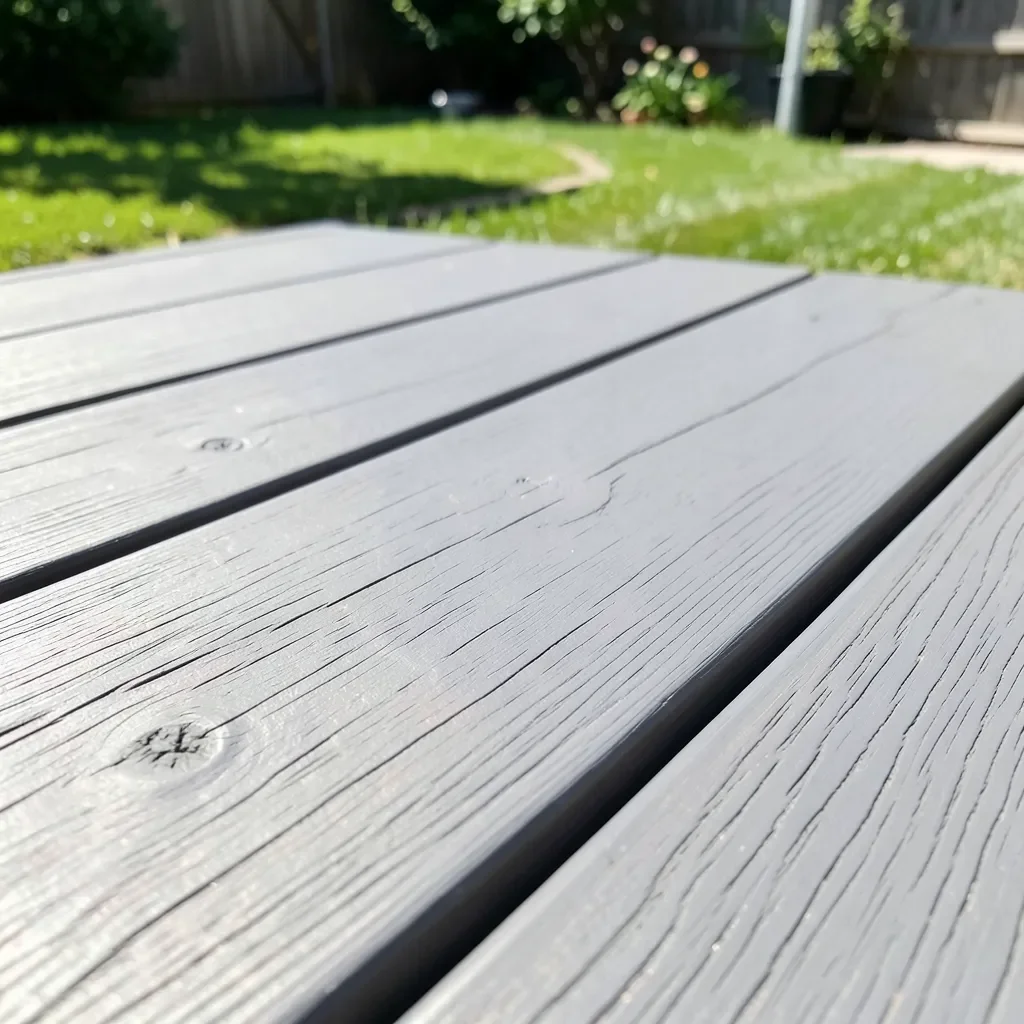
Recycled wood fiber (usually sawdust and shavings from lumber mills) gives the board its weight and rigidity. High-density polyethylene, often reclaimed from milk jugs and detergent bottles, binds the fiber and resists moisture. Manufacturers co-extrude a separate, denser polymer shell around that core — the cap — which is the layer actually exposed to sun and rain. A cheaper, uncapped composite exposes the wood-plastic blend directly, so it stains and fades faster and can eventually mold if moisture works into the fiber.
Composite vs. Pressure-Treated Wood: The Real Cost Comparison
Pressure-treated pine decking costs roughly $3-$7 per square foot installed, versus $8-$14 per square foot for a mid-range capped composite like Armadillo — composite typically runs 60-100% more upfront. The payback comes on the maintenance side: a wood deck needs re-staining or sealing every 1-3 years at $2-$4 per square foot in materials alone, which composite doesn’t need at all. Run the math over a 20-year hold and a wood deck’s cumulative maintenance cost often exceeds composite’s higher purchase price.
Wood does have real advantages composite can’t match: it can be sanded and refinished if it’s scratched or gouged, while a scratched composite cap is permanent (though a wood-grain texture hides light scuffs well). Wood also runs cooler underfoot in direct sun than dark-colored composite, which can reach 30-40°F hotter than the surrounding air on a sunny afternoon.
Installing Armadillo Composite Decking
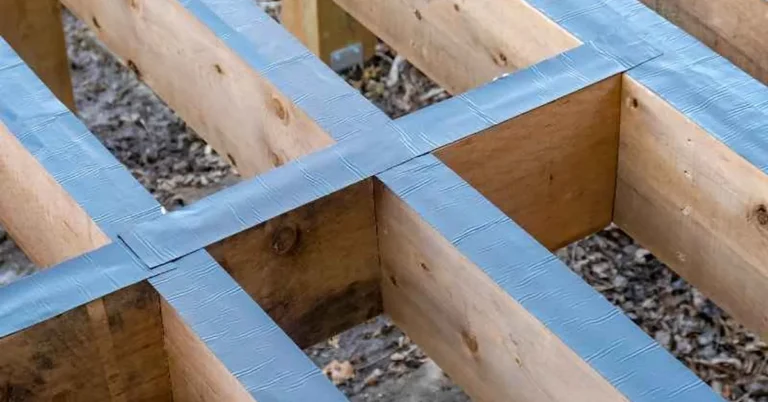
- Frame the deck with pressure-treated joists spaced no more than 16 inches on center — composite needs tighter joist spacing than solid wood because it has less inherent stiffness.
- Check local code for required ventilation clearance under the deck (typically 18 inches minimum) to prevent moisture buildup.
- Lay boards with the manufacturer-specified gap (usually 1/4 inch) between each board and at end joints, since composite expands and contracts more than wood with temperature swings.
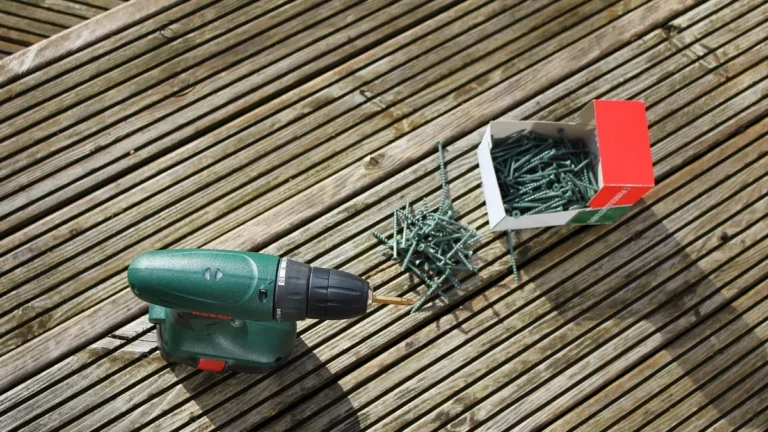
- Use hidden fastener clips designed for the specific board profile rather than face-screwing, both for appearance and because face screws can crack the cap layer.
- Stagger butt joints across the deck and pre-drill near board ends to avoid cracking.
- Leave the manufacturer’s specified perimeter gap against the house and any fixed structure for expansion.
Maintenance and Cleaning
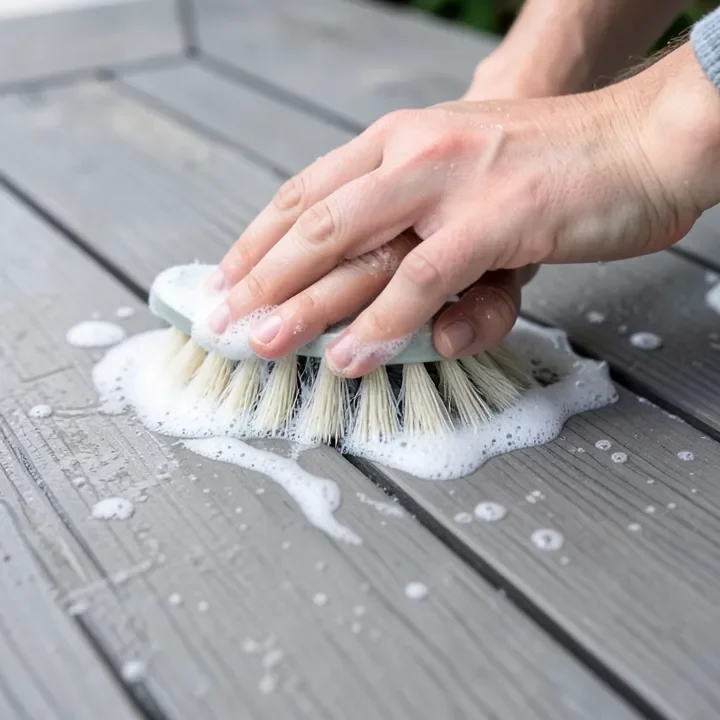
Sweep or rinse the deck regularly to keep grit from grinding into the cap surface underfoot. For mold or mildew, use an oxygenated cleaner or a composite-safe product rather than straight bleach, which can discolor some cap finishes over time. Avoid pressure washers above 1,500-2,000 PSI directly on the boards — high pressure can etch or gouge the cap layer, especially on older or lower-end composite lines. Grease and food stains lift more easily if cleaned promptly rather than left to set into the surface texture.
Frequently Asked Questions
What is Armadillo composite decking made of?
It’s a capped composite board: a core of recycled wood fiber and HDPE plastic, wrapped in a separate protective polymer shell (the cap) that resists fading, staining, and mold.
How long does composite decking last?
Most capped composite lines, including Armadillo, carry manufacturer warranties in the 25-to-50-year range against fading, staining, and structural defects, though real-world lifespan depends on installation quality and climate.
Is composite decking eco-friendly?
It reuses wood fiber that would otherwise be waste and diverts plastic (often milk jugs and detergent bottles) from landfills, but it isn’t biodegradable at end of life the way solid wood is — it has to be recycled or landfilled like other plastics.
How do I clean composite decking?
Sweep regularly, wash with mild soap and a soft brush or a composite-safe cleaner for mold/mildew, and avoid straight bleach and high-pressure washing above 1,500-2,000 PSI directly on the boards.
Does composite decking get hot in the sun?
Yes — dark-colored composite boards can run 30-40°F hotter than ambient air temperature in direct sun, noticeably hotter than most wood decking in the same conditions. Lighter colors and boards with reflective cap technology reduce this gap.
Sponsored / affiliate links. As an Amazon Associate I earn from qualifying purchases. I may earn additional commission from eligible campaigns.