How Much Is 5000 Board Feet? Cost, Weight, and Truckloads
5000 board feet is the volume of 5,000 boards, each measuring one foot long, one foot wide, and one inch thick — roughly a bunk-sized pallet of framing lumber, or between $2,500 and $25,000 depending on species and grade. It’s the unit sawmills and wholesalers quote in, not the one most homeowners are used to, so the number can look confusing until you see what it actually converts to.
This guide breaks down what 5000 board feet weighs, what it typically costs by species, how to calculate it correctly, and what to expect logistically when a load that size actually shows up at a jobsite.
What Is a Board Foot, and What Does 5000 Board Feet Actually Mean
Best For Tracking a Bulk Lumber Delivery
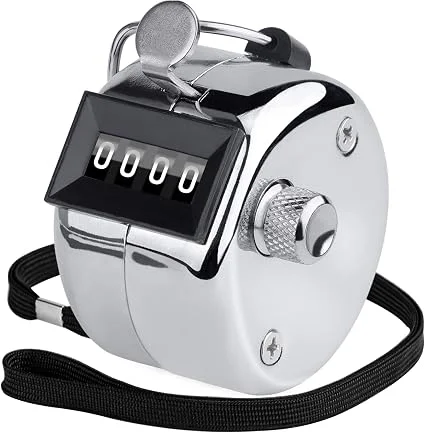 |
KTRIO Metal Handheld Tally Counter – $5.99 When 5000 board feet arrives as hundreds of individual boards, a mechanical clicker keeps your count honest against the delivery ticket without pulling out a phone every board.
|
A board foot (abbreviated FBM, BDFT, or BF) is a volume measurement, not a length or a count of pieces. One board foot equals a board 12 inches long, 12 inches wide, and 1 inch thick — 144 cubic inches of wood. Sawmills and wholesalers in the US and Canada price and ship lumber this way because it lets a 2×4 and a rough-sawn slab be compared on the same scale, regardless of shape.
5000 board feet, then, is just 5,000 of those 144-cubic-inch units added together — about 41.7 cubic feet of solid wood. In practical terms that’s enough dimensional lumber to frame roughly two to three average single-story additions, or enough hardwood to keep a small furniture shop busy for several months.
How to Calculate Board Feet Correctly
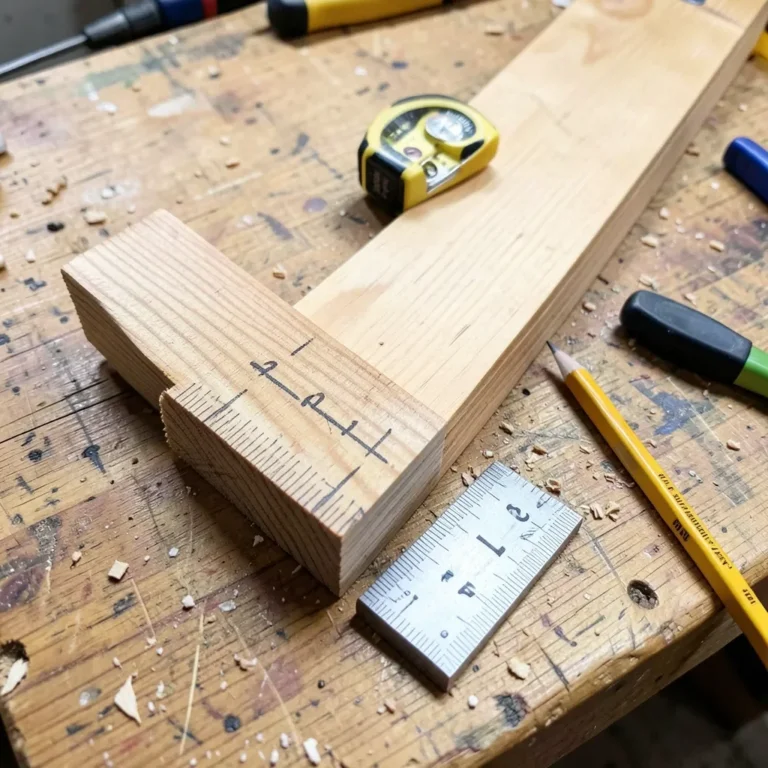
The formula is: thickness (inches) × width (inches) × length (feet) ÷ 12. Notice the length stays in feet — that’s the part that trips people up, because the thickness and width are already in inches. If you’d rather keep every dimension in inches, use thickness × width × length (inches) ÷ 144 instead, but don’t mix the two: plugging a feet-length number into the ÷144 version without converting it to inches first is the single most common board-foot math mistake.
Worked example: a board 1 inch thick, 12 inches wide, and 12 feet long is 1 × 12 × 12 ÷ 12 = 12 board feet. Using the inches-only version instead: 1 × 12 × 144 (12 feet converted to inches) ÷ 144 = 12 board feet — same answer, as long as the length actually gets converted to inches first.
For a full walkthrough of estimating board feet for a specific project’s material list, see our guide to calculating how many board feet you need. If you’re working from a stack of known dimensions rather than a project plan, our 8×8 board foot breakdown walks through the same math on a single large timber.
What Does 5000 Board Feet Cost
Lumber is priced per thousand board feet (often written MBF or “per M”), so multiply the per-M price by 5 to get the cost of 5000 board feet. The range is wide because species, grade, and moisture content each move the price independently:
| Lumber Type | Typical Price per MBF | Cost for 5000 Board Feet |
|---|---|---|
| Construction-grade softwood (SPF, SYP dimensional) | $400 – $650 | $2,000 – $3,250 |
| Rough-sawn framing lumber, direct from a small sawmill | $500 – $800 | $2,500 – $4,000 |
| Common domestic hardwood (oak, poplar, ash) | $1,500 – $3,000 | $7,500 – $15,000 |
| Premium hardwood (cherry, walnut, quartersawn white oak) | $3,000 – $6,000+ | $15,000 – $30,000+ |
Beyond species and grade, expect the total to shift with market demand (softwood framing lumber futures can swing 20-30% in a season), moisture content (kiln-dried commands a premium over green), and transportation — a 5000 board foot order is heavy enough that delivery distance genuinely matters, not just a rounding error on the invoice.
What 5000 Board Feet Looks Like: Weight, Truckloads, and Storage
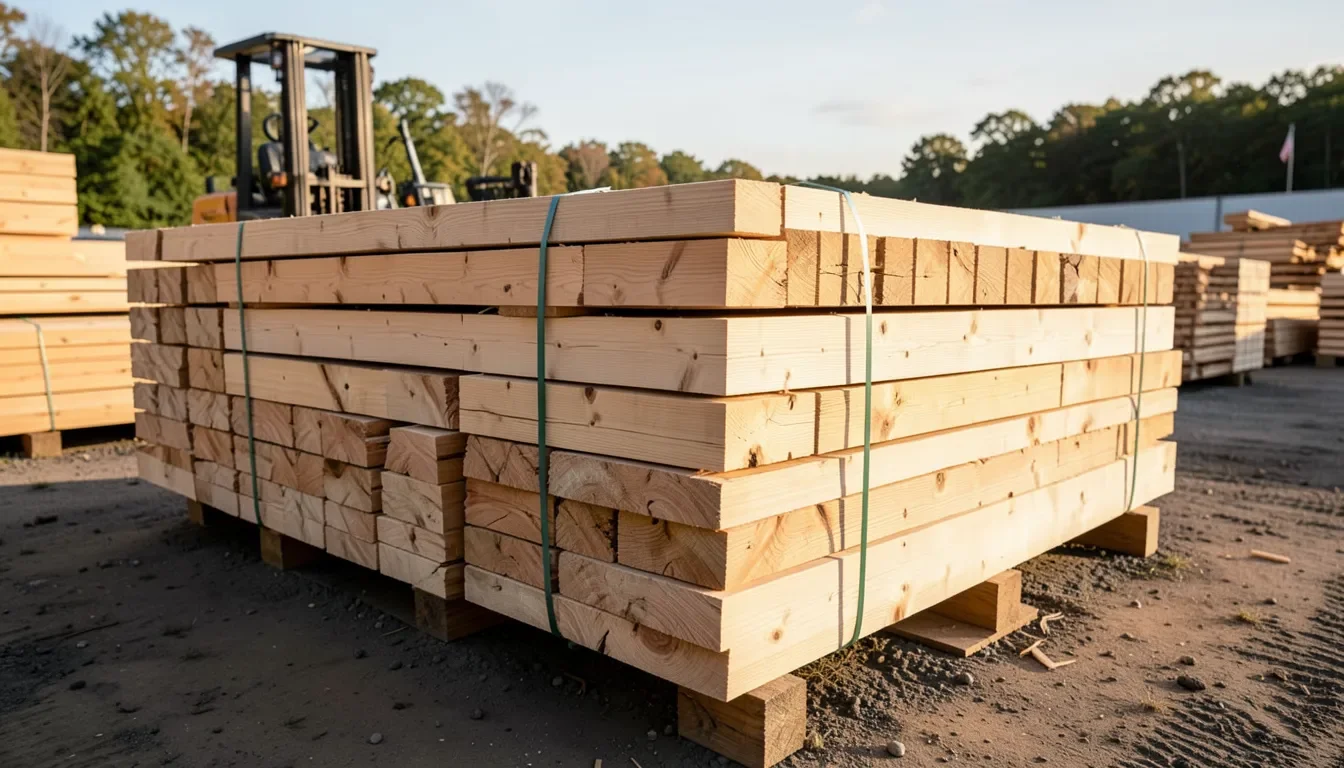
Cost isn’t the only thing that surprises first-time bulk buyers — the physical size of the order does too. Softwood dimensional lumber at typical construction moisture content (around 15-19%) weighs roughly 2.5 to 3 pounds per board foot, so 5000 board feet works out to about 12,500 to 15,000 pounds — roughly 6 to 7.5 tons. Dense hardwoods like oak run heavier, closer to 3.5-4 lbs per board foot, pushing the same volume to 17,500-20,000 pounds.
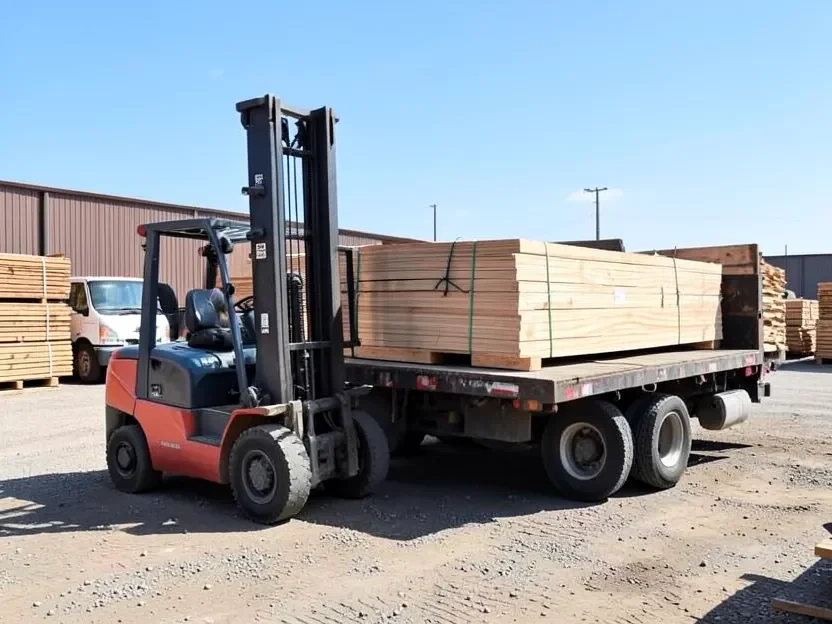
That weight is why 5000 board feet rarely ships as one drop: most flatbed straight trucks carry 8,000-10,000 lbs of lumber per load comfortably, so a softwood order this size typically comes as one full flatbed load or two smaller drops, banded into several bunks rather than stacked loose. Plan storage accordingly — a stickered, covered stack of that volume takes up roughly the footprint of a single-car garage bay stacked shoulder-height, and it needs to stay off bare ground and out of direct rain to avoid warping before it’s used.
Tips for Buying 5000 Board Feet Without Overpaying
- Buy in the off-season. Softwood dimensional lumber prices typically soften in late fall and winter when new-construction demand drops.
- Ask for the volume discount directly. Most mills and wholesalers have an unadvertised price break at the 5 MBF mark — it’s rarely on the price sheet, but it’s usually available if you ask.
- Get at least two quotes. Per-MBF pricing varies more between suppliers in the same region than most buyers expect, especially for hardwood.
- Confirm the grade in writing. “Construction grade” and “select” from two different mills can differ enough in yield to change the effective cost per usable board foot.
- Factor in delivery before comparing quotes. A lower per-MBF price with a long haul can end up costing more than a slightly higher local price once freight for 6+ tons of lumber is added in.
Board Foot Calculators and Tools
For a one-off calculation, a free online board foot calculator is faster than doing the math by hand — most let you enter thickness, width, length, and quantity and return the total instantly. For a standing tree or log rather than milled lumber, a log-rule calculator (Doyle, Scribner, or International) estimates the board foot yield before it’s even cut. Once the lumber is on-site, though, the calculator’s job is done — a physical tally counter like the one above is what actually keeps a running count accurate as boards come off the truck, since it’s easy to lose track partway through unloading several hundred pieces.
Frequently Asked Questions
What Does 1000 Board Feet Mean?
1000 board feet (1 MBF) is the volume of 1,000 boards each one foot long, one foot wide, and one inch thick — one-fifth of the 5000 board feet discussed in this guide. Lumber is priced per MBF, so a $500 per-MBF quote means $500 for every 1000 board feet ordered.
How Do I Calculate Board Feet?
Multiply thickness (inches) by width (inches) by length (feet), then divide by 12. A board 1 inch thick, 12 inches wide, and 12 feet long works out to 1 × 12 × 12 ÷ 12 = 12 board feet. If you’d rather keep length in inches too, divide by 144 instead of 12 — just convert the length to inches first, or the answer comes out wrong.
How Many Board Feet Are In A 4×8 Sheet Of Plywood?
A 4×8 sheet of standard 3/4-inch plywood contains about 24 board feet (4 × 8 × 0.75 = 24). The figure only reaches 32 board feet if you treat the sheet as a full 1 inch thick, which real 3/4″ plywood is not — always check the actual thickness before using this number for a cost estimate.
How Do I Figure Price Per Thousand Board Feet?
Total up the board feet in your order, divide by 1,000 to get the MBF count, then divide the total invoice price by that MBF count. For example, 5000 board feet costing $2,750 works out to $2,750 ÷ 5 = $550 per MBF.
Conclusion
5000 board feet is 41.7 cubic feet of lumber, roughly 6-10 tons depending on species, and typically $2,000 to $30,000 depending on what you’re buying. Knowing the formula, the per-MBF pricing convention, and the real weight and delivery logistics ahead of time means fewer surprises when the order actually shows up on a flatbed.
Sponsored / affiliate links. As an Amazon Associate I earn from qualifying purchases. I may earn additional commission from eligible campaigns.