How Many Board Feet Do I Need? (By Project Type + Waste Chart)
Board feet only apply when lumber is priced by volume — mainly hardwood and rough-sawn stock — not decking or dimensional framing, which sell by the piece or linear foot instead. Running board-foot math on the wrong material just wastes your time; buying short on a real board-foot order means a second trip and a color-mismatch. This guide covers when you need the formula, how much extra to buy by project type, and a worked cabinet example.
Insert your Affiliate Disclosure reusable block here
Quick Answer
Multiply thickness (in.) × width (in.) × length (ft.), then divide by 12, for each board, and add them up. Then add a waste allowance on top — 5–10% for decking or framing, 20–30% for cabinet-grade hardwood — before you place the order.
Do You Even Need Board-Feet Math?
Best Board-Foot Calculator Pick
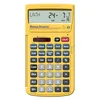
Calculated Industries 4019 Material Estimator Calculator – $27.42
Has dedicated board-foot, linear-foot, and cost-per-unit keys built in, so you skip the by-hand formula from the section above and get a running material total as you measure.
- Best for: Buyers pricing out mixed lumber orders (studs, sheet goods, and board-foot hardwood in one trip)
- Why we picked it: Converts feet-inch-fraction measurements straight to board feet and cost without a phone or spreadsheet
- Main drawback: No metric mode, so it’s built for U.S. lumber-yard measurements only
Compare more lumber-buying tools
 Option 1 Craftsman 25-Ft Fraction Tape Measure – $12.98
|
 Option 2 Mutt Tools Lumber Crayons (12-Pack) – $13.99
|
 Option 3 Klein Tools ET140 Moisture Meter – $49.97
|
As an Amazon Associate we earn from qualifying purchases.
Board feet are a volume measurement — one foot long, one foot wide, one inch thick — and lumberyards use them almost exclusively for hardwood and rough-sawn stock, where every board is a slightly different width and the mill has to price by the cubic inch. If you’re buying dimensional framing lumber (2x4s, 2x6s) or pressure-treated decking, the yard prices those by the piece or by the linear foot instead, because every board in that stack is already a fixed, standard size.
That distinction matters before you calculate anything: run the board-foot formula for a red oak cabinet order, but count deck boards and framing studs instead of forcing them through the same math. Softwood dimensional lumber and most decking (composite, cedar, pressure-treated pine) fall in the “count the pieces” camp; hardwood, exotic species, and rough-sawn or live-edge slabs fall in the “calculate the board feet” camp.
The Board-Foot Formula
For anything actually priced by the board foot, the formula is:
Board Feet = (Thickness in inches × Width in inches × Length in feet) ÷ 12
- Thickness: the board’s thickness in inches (use the nominal size the yard sells it as — see our full board-foot formula breakdown for nominal-vs-actual dimensions).
- Width: the board’s width in inches.
- Length: the board’s length in feet.
Example: a board 1 inch thick, 6 inches wide, and 8 feet long: (1 × 6 × 8) ÷ 12 = 4 board feet. For a full order, run this per board and add the totals — or skip the by-hand math with a board feet calculator< If you also need the plain rectangular-volume formula or a way to size round logs, see our wood volume calculation formula guide.
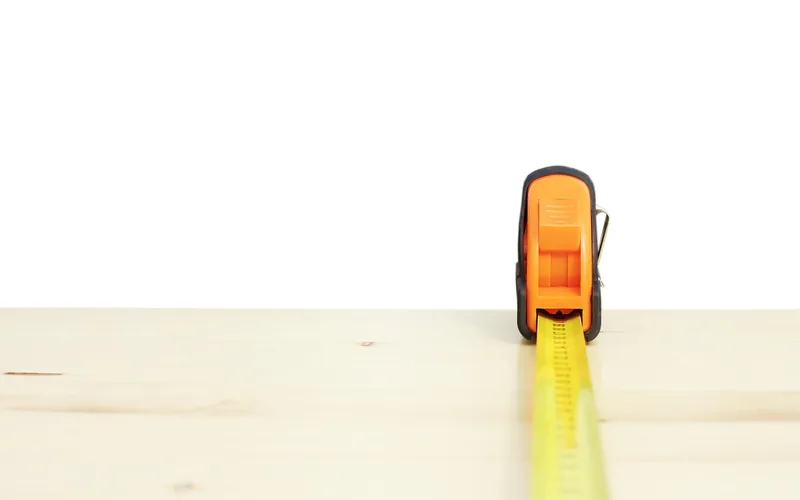
How Many Board Feet You Need, By Project Type
The formula only gets you the bare minimum. Every real order needs a waste allowance on top for defects, cutting losses, and grain-matching — and how much depends entirely on the project.
📊 Deck and framing waste is typically 5–10% — 5% is usually enough for a simple rectangular layout, 10% for a deck with diagonal boards, angles, or curves. — Source: TimberTech decking guide, 2025
Cabinet-grade hardwood runs much higher: many shops plan for 20–30% waste on a board-foot order to cover culled defects, short random-length boards, and grain-matching across door faces — though it can run as low as 10–15% with clear, quality stock and simple stile-and-rail construction. This is exactly what the industry veterans mean when they say “order the calculated board feet as your floor, not your total.”
Worked Example: A Red Oak Cabinet Face Frame
Say your cabinet face frames need boards totaling 4/4 (1-inch) thick, 3 inches wide, in various lengths that add up to 60 running feet. That’s (1 × 3 × 60) ÷ 12 = 15 board feet of raw material. Add 25% for cull, defects, and grain-matching on a face-frame project: 15 × 1.25 = about 19 board feet to order.
“On a stile-and-rail cabinet job, I never order the bare calculated board feet — I order for the waste factor first, because a shortage means waiting on a re-order that may not color-match the first batch. Rounding up to the next even board-foot increment the yard sells also saves a second trip.” — Our team, from cutting cabinet-grade hardwood orders in the shop.
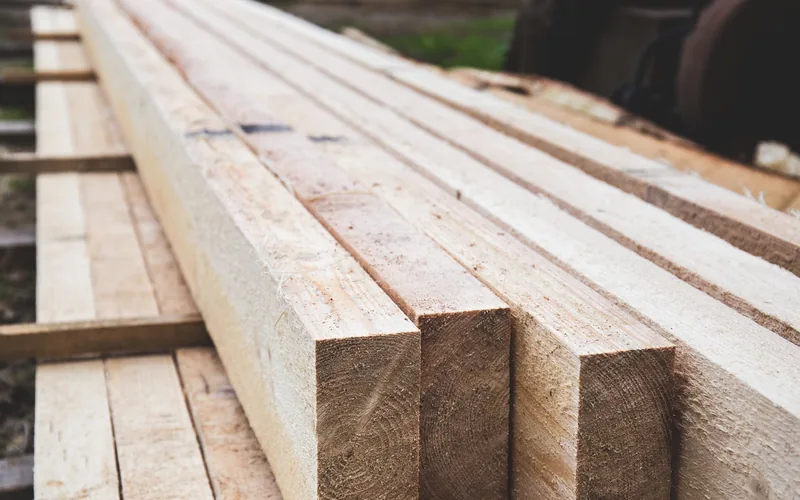
Cost Calculation
To find cost per board foot, divide the lumber’s total price by its board-foot count. A board priced at $4 with 10 board feet costs $0.40 per board foot. Multiply that rate by your total board feet (including your waste allowance) to get the real number to budget — not the bare-minimum formula result.
Common Mistakes To Avoid
Misinterpreting Dimensions
Confirm whether each measurement is in inches or feet, and whether it’s thickness, width, or length, before you plug anything into the formula. Convert everything to the same unit first.
Using a Flat Waste Percentage For Every Project
The single most common mistake isn’t underestimating the amount of wood needed in general — it’s applying the same flat “add 10%” rule to every project. A deck needs far less waste allowance than a hardwood cabinet face frame; using the deck number on the cabinet job is how shops run short mid-build.
Running Board-Foot Math on Lumber Sold By the Piece
Calculating board feet for framing studs or deck boards wastes time on math the yard doesn’t even use for pricing — count pieces or linear feet for those instead, and save the board-foot formula for hardwood and rough-sawn stock.
Frequently Asked Questions
How many board feet do I need?
Multiply thickness (inches) × width (inches) × length (feet), divide by 12, and total every board. Then add a waste allowance on top — 5–10% for decking or framing, 20–30% for cabinet-grade hardwood — since the raw formula result is a bare minimum, not an order quantity.
What is the formula for calculating board feet?
Board Feet = (Thickness in inches × Width in inches × Length in feet) ÷ 12. This accounts for the three dimensions of lumber and converts the result into the standard board-foot unit used by hardwood and rough-sawn suppliers.
Do decking and framing lumber use board feet?
No. Decking and dimensional framing lumber (2x4s, 2x6s, pressure-treated boards) are priced and counted by the piece or by the linear foot, since every board is already a standard size. Board feet apply mainly to hardwood, exotic species, and rough-sawn stock sold in varying widths.
How do you calculate how many boards you will need?
For pieces sold individually, such as deck boards, divide your total project square footage by the square footage of one board to get a piece count, then add 5–10% for cuts and waste. This is different from calculating board feet, which measures volume rather than piece count.
How much extra lumber should I buy for waste?
It depends on the project. Plan for 5–10% extra on decking and framing, with the higher end for diagonal or complex layouts. Plan for 20–30% extra on cabinet-grade hardwood to cover defects, short boards, and grain-matching, or as low as 10–15% with clear stock and simple joinery.
How do I figure out how much lumber I need for a small project?
Total the square footage or running length your project requires, then either count pieces (for decking or framing) or run the board-foot formula (for hardwood), and add the appropriate waste allowance before placing the order.
Conclusion
Start by checking whether your project even needs board-foot math — decking and framing don’t, hardwood and rough-sawn stock do. Run the formula for a bare-minimum total, then add a waste allowance sized to the project: 5–10% for decking and framing, 20–30% for cabinet-grade hardwood. Ordering to that adjusted number, not the raw formula result, is what keeps you from a second trip to the yard.
For the full formula breakdown with a units-comparison chart, see our board-foot formula guide, or browse our full lumber calculator toolkit for framing, log, and cost calculators.
Buying at wholesale volume instead of by the piece? See our breakdown of what 5000 board feet costs, weighs, and ships as.
Sponsored / affiliate links. As an Amazon Associate I earn from qualifying purchases. I may earn additional commission from eligible campaigns.