How to Remove Dried Wood Glue From Wood Surface Safely
For dried PVA wood glue on finished wood, I start with a plastic scraper; on bare wood, I use a sharp chisel almost flat to the grain, and for polyurethane or epoxy, I use gentle heat first, then a spot solvent only if the finish can take it. Use the wrong method and you can scratch the surface, cloud the finish, lift veneer, or stain the wood. This guide gives a finish-safe decision tree from scraping to heat to targeted solvent use, with step-by-step cleanup for finished, painted, veneered, and bare wood.
What type of glue is on the wood?
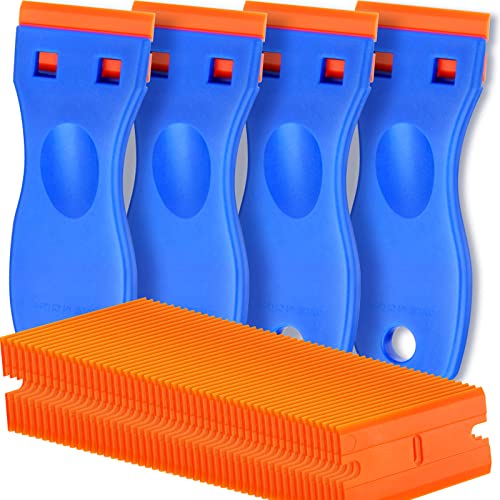


Start by identifying the glue before touching it with a solvent or blade. PVA wood glue, super glue, epoxy, and polyurethane glue behave differently, and the safest removal method changes with each one. If the residue is on a finish, paint, or veneer, I always do a quick test spot first.
How to tell PVA wood glue from super glue, epoxy, and polyurethane glue
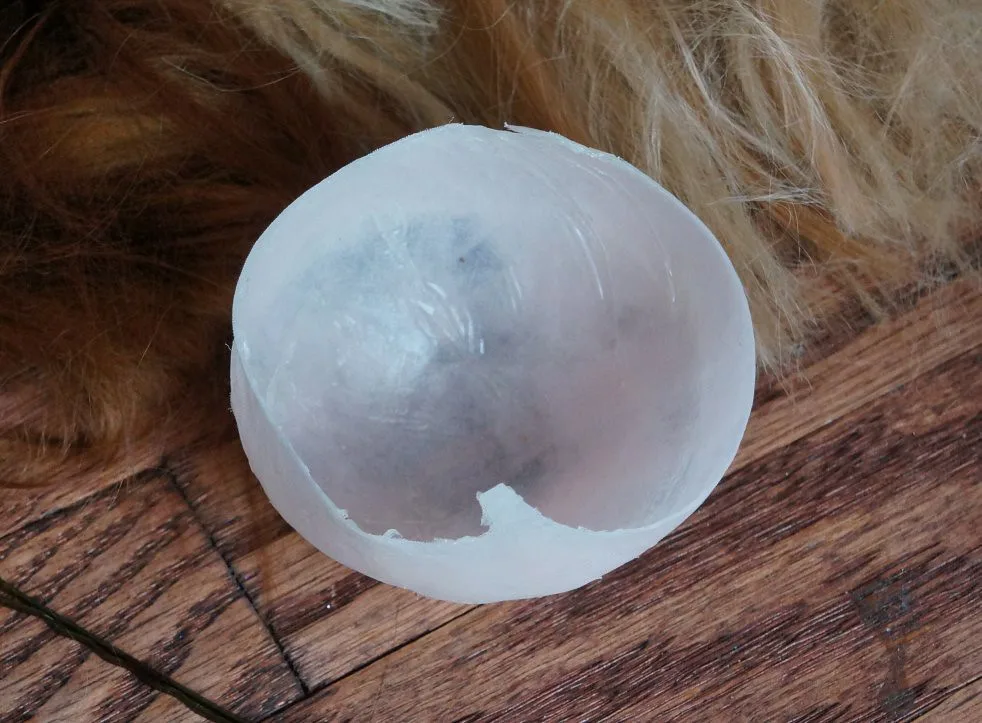
PVA wood glue is usually yellow or white, dries hard, and often leaves a brittle ridge or film. If it was smeared while wet, it may have worked into the grain and left a haze. Super glue usually forms a glassy, hard spot that chips rather than rolls. Epoxy feels tougher and often forms a thicker, plastic-like mass. Polyurethane glue can foam or look slightly rubbery after curing.
If the residue is pale, chalky, and can be lifted in flakes, PVA is a good guess. If it is hard, shiny, and tiny, super glue is more likely. Thick amber or brown blobs often point to polyurethane or epoxy, and those usually need a slower, more careful approach.
Why glue type changes the safe removal method
PVA gives up to scraping, mild heat, and careful sanding more readily than most adhesives. Super glue may respond to rubbing alcohol in tiny amounts. Epoxy and polyurethane often need heat and mechanical removal first, with solvents used only when the finish can tolerate them. Treating them all the same is how scratches and finish damage happen.
When a quick test spot is worth doing first
If the wood is finished, painted, shellacked, lacquered, polyurethane-coated, or sealed with hardwax oil, test any liquid in a hidden spot first. A small test can show dulling, softening, color shift, or finish lift before the visible area is harmed. On veneer, that test matters even more because the adhesive bond under the veneer can be weak.
According to How to Remove Dried Wood Glue: 7 Fast, Finish-Safe Fixes — Trayedit advises warming the glue for 20–40 seconds.
What wood surface are you cleaning?
The wood surface matters as much as the glue. Bare wood tolerates more scraping and sanding, but it can swell, raise grain, or take on a stain if liquids sit too long. Finished wood is more delicate because the coating may dull or soften. Painted wood and veneer can fail quickly when pressure, heat, or solvent is too heavy.
Bare wood and why it tolerates more scraping
Bare wood is generally harder to clean than wood with protective coating, but it can take more direct removal. A sharp chisel can work nearly flat to the grain, and sanding is often less risky once most of the material is gone. Still, excess liquid can raise the grain, and end grain drinks up moisture faster than face grain.
Finished wood, including lacquer, shellac, polyurethane, and hardwax oil
Finished wood needs more caution than bare wood because the coating is the surface you are trying to preserve. Finished wood can dull, soften, or streak if scrubbed hard or wetted too long. Spot-testing liquids is not optional here; it is the difference between a clean repair and a visible patch.
Painted wood and veneer, where the finish bond can fail fast
Painted wood needs caution to avoid ruining the coating. Veneer needs even more restraint because the layer is thin and the glue bond below it can lift if pried too hard. A plastic scraper is the safer first tool on both. Aggressive blades and wet methods can open a blister, chip a paint edge, or loosen veneer at the seam.
The safest way to remove dried glue
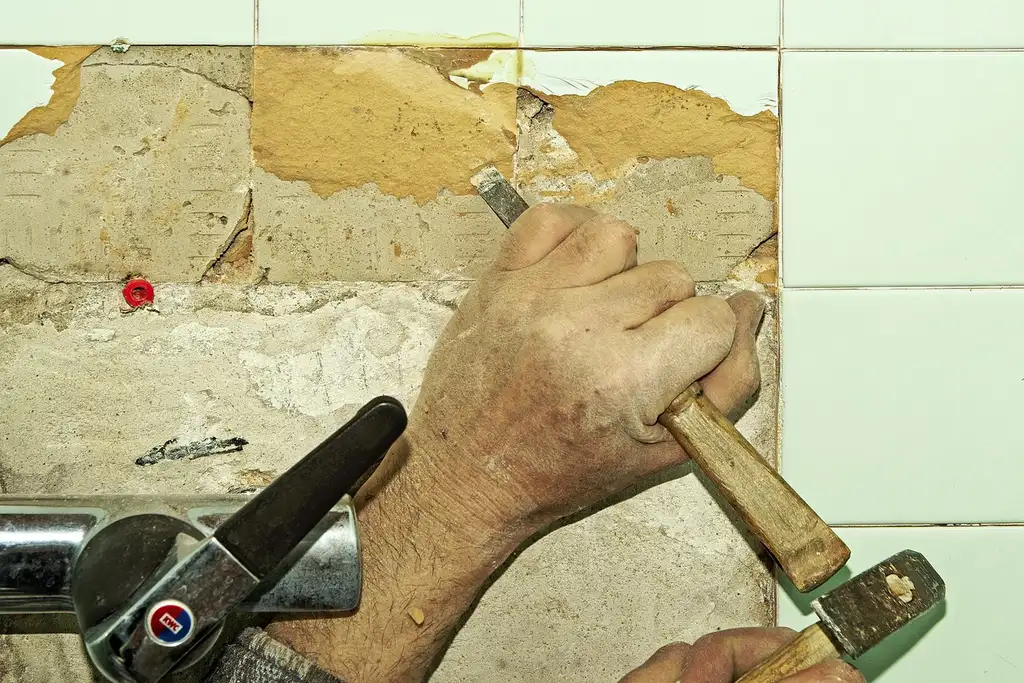
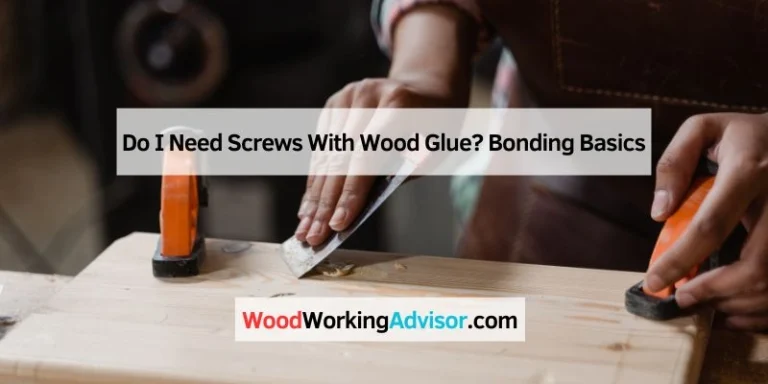
Begin with the least aggressive tool that can actually move the glue. A plastic scraper held almost flat is the lowest-risk first step on most surfaces. If the glue is thick or raised, a razor scraper or putty knife can work, but only with light pressure and only where the wood can take it. Heat comes after that.
Start with a plastic scraper held almost flat
Use the scraper almost flat to the surface and push with short, controlled strokes. That keeps the edge from digging into finish or grain. This works well on dried PVA ridges, paint drips, and many thin adhesive films. If the glue is smeared into pores, you may need to scrape the top first, then clean the film left in the grain.
Move to a razor scraper or putty knife only for thick drips
A razor scraper or putty knife is for raised glue only. Light pressure matters, especially on softwoods where the blade can cut below the glue and leave a gouge. For a sharp chisel method, keep the blade at a 15-degree angle and work with the grain. That angle is low enough to shave glue without digging deeply.
Use a hair dryer in short bursts for glue that will not lift cleanly
A hair dryer is usually safer than a heat gun for most furniture finishes. Warm the glue for 20–40 seconds, then try scraping again while it is slightly more pliable. A warm damp cloth can also soften dried glue before scraping, but do not soak end grain or leave water sitting on finish. Heat should help the glue move, not cook the coating.
When should you use solvents or liquids?
Use liquids only after the mechanical methods have done as much as they safely can. Spot solvents can help, but they need hidden-spot testing first on finished or painted wood. Keep the application tiny. Wipe off fast. If the finish starts to dull, smear, or turn sticky, stop immediately.
Rubbing alcohol for tiny super glue specks
Rubbing alcohol can help with super glue specks, especially when the glue is small and isolated. Apply it with a swab, not a soak, and wipe it off fast. Do not let it sit on finish. It is a targeted aid, not a general cleaner for all cured adhesive.
Mineral spirits for gummy residue on compatible finishes
Mineral spirits can help with gummy residue, especially on compatible finished surfaces. It needs ventilation and a hidden test first. White spirit or mineral spirits may also be used with triple zero steel wool on varnished wood, but that step belongs only where the coating can tolerate it. On veneer and paint, keep the approach much lighter.
Vinegar and water for light PVA residue on bare or lightly finished wood
A vinegar-and-water mix can help with light PVA residue. Use a swab or damp cloth, not a wet one, and do not soak end grain. It can loosen the thin film left by yellow or white glue, but if the residue has been rubbed into the grain, expect some sanding after the liquid work is done.
Finish-safe decision table for glue removal
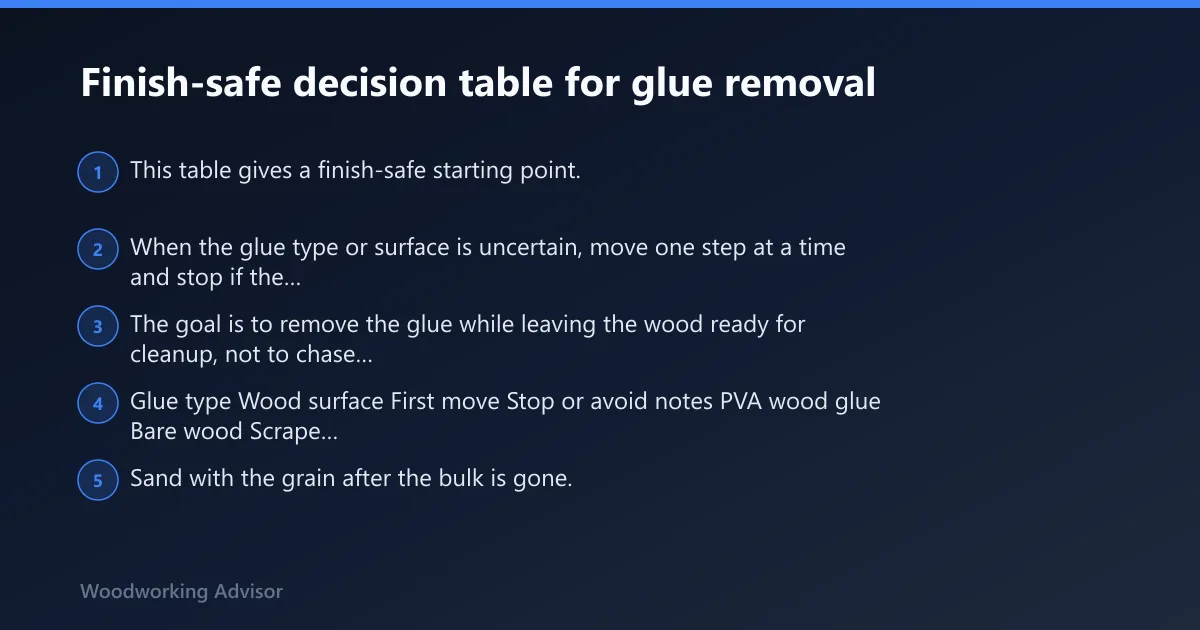
This table gives a finish-safe starting point. When the glue type or surface is uncertain, move one step at a time and stop if the finish changes color, gloss, or texture. The goal is to remove the glue while leaving the wood ready for cleanup, not to chase every last speck with a harsher method.
| Glue type | Wood surface | First move | Stop or avoid notes |
|---|---|---|---|
| PVA wood glue | Bare wood | Scrape with a plastic scraper; then use a sharp chisel almost flat if needed | Avoid flooding with water; end grain can swell and raise. Sand with the grain after the bulk is gone. |
| PVA wood glue | Finished wood | Plastic scraper first; then a warm damp cloth if the finish is sound | Stop if the coating dulls or softens. Test vinegar-and-water in a hidden spot before use. |
| PVA wood glue | Painted wood | Plastic scraper only, with light pressure | Avoid heavy blades and soaking. Painted wood needs caution to avoid ruining the coating. |
| PVA wood glue | Veneer | Plastic scraper almost flat; follow with gentle heat if needed | Stop if the veneer edge lifts. Do not pry under the sheet. |
| Super glue | Bare wood | Scrape carefully; use small amounts of rubbing alcohol for specks | Wipe alcohol off fast. Sand only after the spot is fully clear. |
| Super glue | Finished wood | Plastic scraper, then tiny amounts of rubbing alcohol on a swab | Test first. Alcohol can dull some finishes if left in place. |
| Epoxy or polyurethane glue | Bare wood | Hair dryer in short bursts, then scrape; use a razor scraper only where needed | Avoid brute-force chiseling across the grain. Thick spots may need repeated warming. |
| Epoxy or polyurethane glue | Finished wood | Hair dryer for 20–40 seconds, then scrape; spot solvent only after testing | Avoid heat buildup and strong solvent soak. Commercial glue removers are an option when DIY methods are not desired. |
How do you clean up after the glue is gone?
Once the glue is off, the real cleanup begins. Blend the area with progressively finer grits, and keep the final passes with the grain. Remove haze, sanding scratches, and any residue before you think about stain or finish. If glue was rubbed into the grain, the cleanup step matters even more.
Blend the area with the right grits
Start with a coarser grit if there is still a slight ridge or hardened film. Move to a finer grit to flatten the repair, then continue with still finer grits to soften the scratch pattern. Final sanding should follow the grain. Across-the-grain sanding is one of the fastest ways to leave a mark that shows under stain.
Deal with glue smeared into grain and end grain
PVA can leave a haze if it is rubbed into the grain. When that happens, scraping alone often leaves a ghost line. Clean the surface first, then sand lightly with the grain. On end grain, use the least liquid possible because it pulls moisture deeper and can change the look after finishing.
Restore the surface before refinishing
After removal, vacuum or brush off the dust, then inspect under raking light. If the area will be stained, any shiny residue can block color and create a pale spot. If the surface is finished, a careful final buff may be enough. If the finish was touched, spot repair before the whole panel goes back into service.
Frequently asked questions
how to remove dried glue from wooden surface
Identify the glue and the surface first. Use a plastic scraper almost flat for most dried glue, then move to a hair dryer in short bursts if the residue stays stuck. Finished wood, paint, and veneer need test spots before any liquid. Bare wood can take more sanding after the bulk comes off.
how to remove dried wood glue from painted surface
Start with a plastic scraper and very light pressure. Painted wood needs caution to avoid ruining the coating, so avoid aggressive blades unless the paint is already damaged and the area is being refinished. If the glue is thin, a warm damp cloth may soften it. Test any liquid first in a hidden spot.
how to remove dried super glue from a wooden surface
For tiny super glue specks, rubbing alcohol can help if it is applied sparingly and wiped off fast. Start with a scraper first if the dot is raised. On finished wood, test first because alcohol can dull some coatings. If the spot is stubborn, gentle heat may help before any solvent.
how to remove dried wood glue from wood
For bare wood, scrape first, then sand with 180, 220, 320, and 400 grit, always following the grain on the final passes. For finished wood, use a plastic scraper and a warm damp cloth before any solvent. If the glue is PVA and light, a vinegar-and-water mix may help, but do not soak end grain.
what removes glue from wood
What removes glue from wood depends on the adhesive and the surface. Scraping removes the bulk, heat makes stubborn glue pliable, rubbing alcohol can help with super glue specks, and mineral spirits can help with gummy residue on compatible finishes. Vinegar and water can help with light PVA residue, but each needs care.
how to remove dried glue from wood
Use the least aggressive method that fits the glue and the surface. Plastic scraper first, then a razor scraper or putty knife only where the wood can take it, then short bursts of heat. Spot solvents come last and only after hidden testing. Finish with sanding and grain-direction cleanup so the repair disappears cleanly.
Sponsored / affiliate links. As an Amazon Associate I earn from qualifying purchases. I may earn additional commission from eligible campaigns.