How to Adjust Blum Drawer Slides (Plus Blumotion & Tip-On Fixes)
Blum drawer slides adjust in three directions — height, side-to-side (lateral), and depth — using small screws near the front of each slide. If your drawer won’t close all the way and it’s a soft-close (Blumotion) or push-to-open (Tip-On) model, the fix is usually different from a simple screw adjustment.
Blum drawer slides are known for smooth, quiet operation, but like any hardware they need occasional adjustment. This guide covers the standard height/lateral/depth adjustments, plus the Blumotion soft-close and Tip-On push-to-open troubleshooting that most guides skip — even though it’s the single most common real-world complaint (a handleless drawer that won’t close).
Tools Needed
Best Tip-On Fix Pick
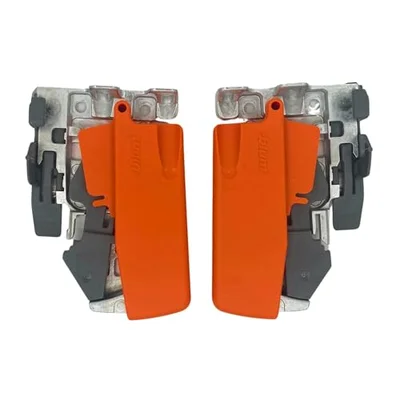
Genuine Blum Locking Device for Tandem Slides
The exact pin-locking part this guide points to as the most common Tip-On failure point — cheap to replace outright rather than troubleshoot indefinitely.
- Best for: a Tip-On drawer that won’t latch even after checking pin seating
- Why we picked it: genuine Blum part, sold as a pair, drops in without modifying the drawer
- Main drawback: confirm your slide is the overlay tandem type before ordering
Round out your adjustment kit
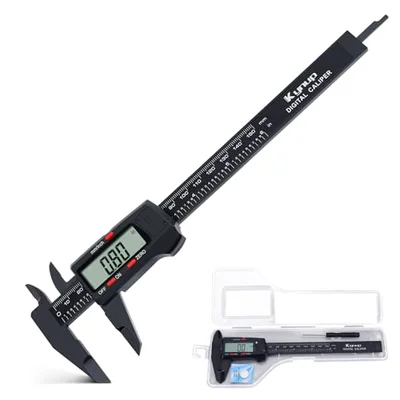 Option 1 Digital Caliper (6 Inch)
|
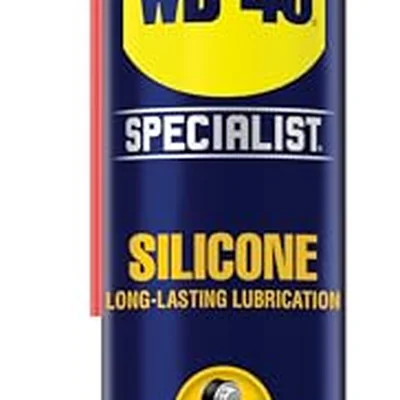 Option 2 Dry Silicone Lubricant Spray
|
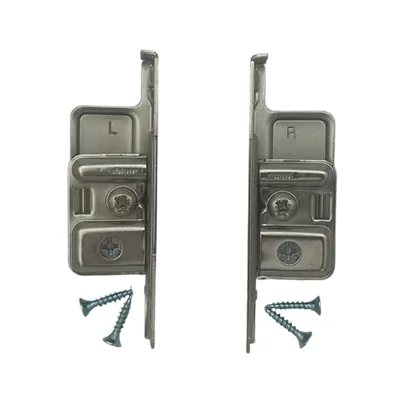 Option 3 Blum Metabox Drawer Front Fixing Bracket
|
As an Amazon Associate we earn from qualifying purchases.
A Phillips screwdriver handles most adjustments. Keep a flashlight handy since the adjustment screws sit underneath the drawer box, out of direct light. A digital caliper is worth having if you’re chasing a weak Blumotion close, since gap measurements matter more than guesswork. A soft cloth and silicone spray round out the kit for cleaning and lubricating the rails.
Preparing The Drawer
Pull the drawer fully open, then lift it slightly to release it from the slides — most Blum tandem and undermount systems use a simple lift-and-pull disconnect, no tools required. Set the drawer box aside, then wipe down the exposed slide rails with a dry cloth and check for any debris or dust buildup that could be causing resistance before you start turning any screws.
Adjusting Height
Find the height adjustment screws on the slide, usually near the front mounting bracket. Turning them clockwise raises the drawer front; counterclockwise lowers it. Make quarter-turn adjustments and recheck the drawer’s alignment against neighboring drawers or the cabinet face after each turn — small moves add up fast on these screws.
Adjusting Side-To-Side (Lateral)
The lateral adjustment screw sits near the front of the slide and shifts the drawer left or right relative to the cabinet opening. Turn it clockwise to move the drawer right, counterclockwise to move it left. Work slowly and test the drawer’s fit after every small adjustment, since over-correcting is easy on this screw and you’ll end up chasing the gap back and forth.
Adjusting Depth
Depth adjusters control how far the drawer front sits relative to the cabinet face when closed — useful when one drawer sits proud of its neighbors. Loosen the depth adjustment screw or lever, slide the drawer front in or out to the desired position, then retighten. Test by closing the drawer fully and comparing its face to the drawers above and below it.
Blumotion Soft-Close And Tip-On Troubleshooting
If your drawer has no visible screw adjustment fixing the problem, it’s very likely a Blumotion (soft-close) or Tip-On (push-to-open, handleless) system, and these fail differently than a simple misalignment.
Why A Blumotion Drawer Feels Weak Or Won’t Fully Close
An empty or lightly loaded drawer needs more push force to trigger a full Blumotion close than a loaded one — this is normal behavior, not a defect, since the hydraulic damper is designed around real-world drawer weight. If a loaded drawer still won’t close fully, the real culprit is almost always alignment: a side gap as small as 0.5mm between the drawer box and the runner can weaken the damping enough to cause a partial close or rebound. Check the runner height and side gap with a digital caliper against the slide’s spec (commonly around 15.8mm), and use the eccentric adjustment screws or clips on the slide to fine-tune before assuming the Blumotion buffer itself is broken.
Why A Tip-On (Handleless) Drawer Won’t Close
Tip-On and Tip-On Blumotion drawers latch closed using a small pin that seats into a locking device at the back of the drawer box. If the drawer won’t catch or immediately pops back open, check that this pin is properly seated in its hole first — a pin that’s out of position is the single most common cause, more common than a worn-out mechanism. Many Tip-On latch housings also have a small adjustment screw that changes how far the drawer needs to travel before the latch releases; start with a half-turn clockwise and retest before replacing any parts.
Data point: Woodworking hardware forums (Sawmill Creek) document cases where a 0.5mm side gap caused roughly 60% weaker Blumotion damping, fully resolved by shimming the runner back to spec — a reminder that “weak soft-close” is usually a measurable alignment problem, not a failed part.
Testing The Alignment
Reinstall The Drawer
Reinstall the drawer box, aligning it with the slide rails and pushing until it seats fully. Open and close it several times, watching for resistance, jerking, or uneven movement. If anything feels off, pull the drawer back out and recheck the slide alignment before making further screw adjustments.
Check Movement
A properly adjusted drawer opens and closes smoothly with no sticking. Use a level to confirm the drawer sits flat, and make small incremental adjustments rather than large ones — Blum’s adjustment screws have a small range of travel and are easy to over-turn.
Troubleshooting Common Issues
A drawer that won’t close properly usually has one of four causes: debris in the slide track, a bent slide, loose mounting screws, or misalignment. Work through them in that order — it’s the fastest path to a fix and avoids replacing hardware that isn’t actually broken. A wobbly drawer is almost always loose screws or a worn slide; tighten first, replace only if tightening doesn’t resolve it.
Maintenance Tips
Regular Cleaning
Dust and debris buildup is a common cause of slides feeling stiff over time. Wipe the rails with a dry cloth periodically and avoid water or harsh cleaners, which can introduce moisture the mechanism doesn’t need.
Lubrication
A dry silicone spray keeps the slides moving smoothly without attracting dust the way an oil-based lubricant does. Apply sparingly and work the drawer back and forth a few times to distribute it evenly along the rail.
Frequently Asked Questions
How Do I Adjust Blum Drawer Slides?
Locate the height, lateral, and depth adjustment screws near the front of the slide and make small quarter-turn adjustments, testing the drawer’s fit after each one. Standard screw adjustments won’t fix a soft-close or push-to-open issue, though — those need the Blumotion/Tip-On troubleshooting steps instead.
Why Won’t My Handleless Blum Drawer Close?
Handleless drawers use a Tip-On latch that catches a pin at the back of the drawer box. Check that the pin is seated correctly in its hole first, since a misaligned pin is the most common cause. If the pin is seated and it still won’t catch, a small adjustment screw on the latch housing changes how far the drawer travels before it releases — try a half-turn clockwise.
Why Is My Blumotion Soft-Close Weak Or Not Fully Closing?
An empty drawer naturally needs more push force to close fully than a loaded one, which is normal. If a loaded drawer still won’t close, check the side gap between the drawer box and the runner with a caliper — even a 0.5mm gap can weaken the damping significantly, and correcting it with the slide’s eccentric adjustment usually restores a full close.
What Tools Are Needed To Adjust Blum Slides?
A Phillips screwdriver covers most adjustments. A digital caliper is useful for diagnosing weak Blumotion closes, and a flashlight helps since the screws sit underneath the drawer, out of direct light.
Conclusion
Adjusting Blum drawer slides is straightforward once you know which type of slide you’re dealing with. Standard height, lateral, and depth screws fix most alignment issues, while Blumotion soft-close and Tip-On push-to-open problems usually trace back to a specific gap or pin-seating issue rather than a broken part. Work through the adjustments slowly, test often, and your drawers will glide the way they were designed to.
Sponsored / affiliate links. As an Amazon Associate I earn from qualifying purchases. I may earn additional commission from eligible campaigns.