How to Attach Drawer Fronts Without Screws Showing
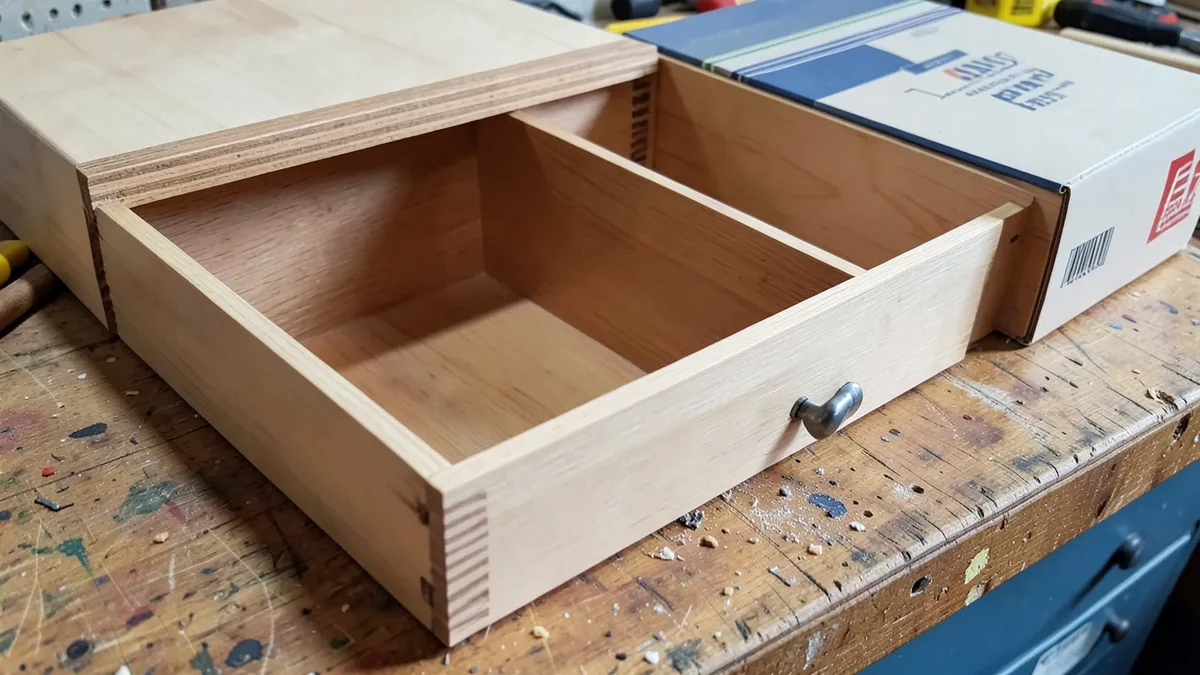
Most people who search “attach a drawer front without screws” actually mean without screws showing on the front – and the honest answer is that professional cabinet shops still use screws, just driven from inside the drawer box so the front stays clean. There’s also a genuinely screw-free option using adhesive or tape, but it comes with real weight limits. This guide covers both, so you can pick based on what you’re actually building.
Method 1: Blind-Fasten From Inside The Drawer Box (No Screws Visible)
Best No-Screw Mounting Pick
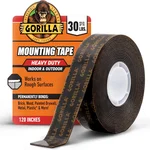 |
Gorilla Heavy Duty Mounting Tape, 1″ x 120″ – $10 Rated to hold up to 30 lbs per strip, making it strong enough for most lightweight drawer fronts when a fully permanent, screw-free bond is what you want.
|
This is how kitchen cabinet manufacturers do it, and it’s the only method that reliably holds a full-size solid-wood drawer front without sagging over time.
- Dry-fit the drawer front against the box front with the drawer closed, centering it so the reveal (gap) is even on all sides. Tape it in place temporarily with painter’s tape.
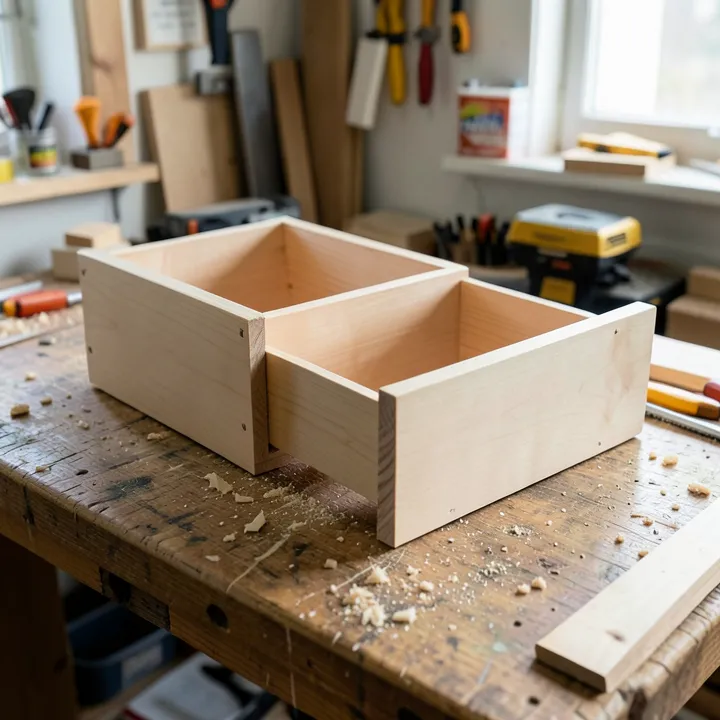
- Working from inside the empty drawer box, mark two to four screw locations through the front face of the box – roughly 1 inch in from each top corner, plus the center on wider drawers.
- Drill pilot holes through the drawer box front only, sized for the screw shank, not the full screw diameter – this lets the screw pull the front tight without threading into the box itself.
- Remove the drawer front, then drill a shorter pilot hole into the back face of the front panel at each marked point, angled to about half the panel’s thickness so the screw doesn’t poke through the finished face.
- Reposition the front, hold it tight against the box, and drive screws from inside the box into the back of the panel. Check the reveal again before fully tightening.
Because the screws go in from inside the box, nothing is visible from the front of the cabinet, and the front can still be removed and re-adjusted later by backing the screws out – something adhesive methods don’t allow.
Method 2: Truly Fastener-Free With Tape Or Adhesive
If you want zero fasteners of any kind – for a lightweight front, a temporary install, or a material too thin to safely screw into – heavy-duty double-sided mounting tape or a construction adhesive is the real alternative. The tradeoff is permanence: once bonded, the front generally can’t be removed without damaging the finish.
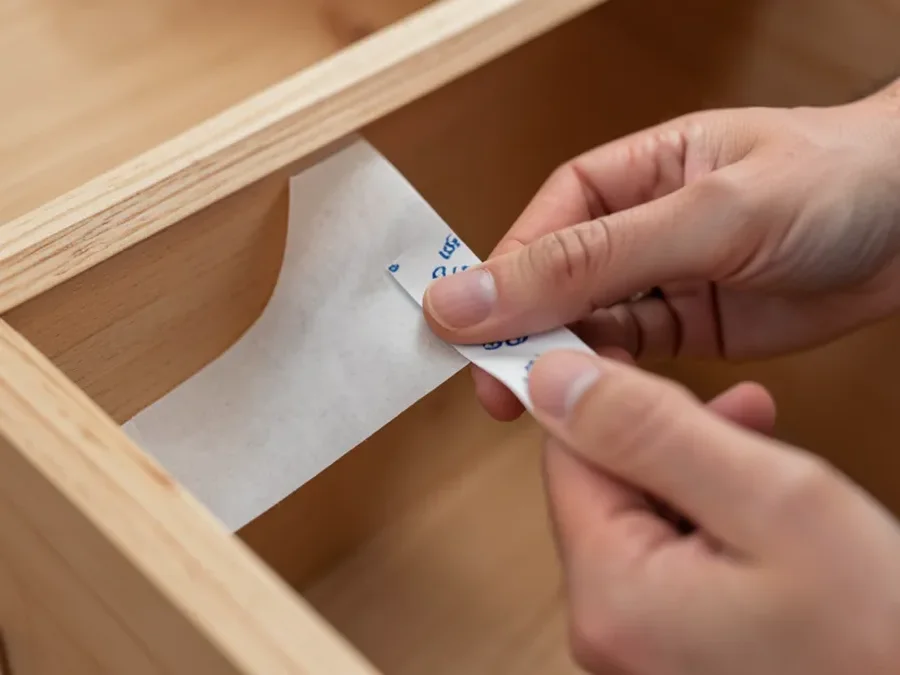
Clean both surfaces with denatured alcohol first – sawdust or finish overspray is the number one reason mounting tape fails. Apply tape strips in a grid across the back of the panel rather than just around the perimeter, since a front held only at its edges can bow away from the box in the middle over time. Press the front on and hold firm pressure for the time the tape manufacturer lists (usually one to several minutes) before letting go, since most acrylic foam tapes need that initial pressure to reach a fraction of their full bond strength; full strength typically develops over 24 to 72 hours.
For a bond you never intend to undo, a paintable construction adhesive (applied in a bead, not a full spread, so it can compress slightly) works as well or better than tape and costs less per drawer, but requires clamping the front in place for the adhesive’s full cure time – often several hours, not minutes.
Weight Limits: When Adhesive Alone Isn’t Enough
Tape and adhesive both have a real ceiling. A single strip of heavy-duty mounting tape is typically rated around 30 lbs of hold, but that rating is for a static load pulling straight down or outward – not the repeated flexing and slight prying force a drawer front takes every time the drawer opens and closes. As a practical rule, thin MDF or 1/4-inch plywood fronts under about 12 x 18 inches are good candidates for tape alone; anything larger, or any solid-wood front over about 3/4 inch thick, should go with the blind-screw method instead, or use tape as a secondary hold alongside a couple of hidden screws.
Getting The Reveal Even Before You Commit
Whichever method you use, the reveal – the gap between the drawer front and the surrounding cabinet frame or neighboring fronts – is what people actually notice, not the fastening method. Dry-fit with painter’s tape first, close the drawer, and check the gap on all four sides from a few feet back before you drill, tape, or glue anything permanently. It’s much easier to peel painter’s tape and reposition than to reposition a front that’s already bonded with adhesive.
Frequently Asked Questions
Can you really attach a drawer front without any screws?
Yes, using heavy-duty double-sided mounting tape or construction adhesive, but it works best on lightweight fronts under about 12 x 18 inches. Larger or solid-wood fronts hold up better with screws driven from inside the drawer box, which stay hidden from the front.
How do cabinet makers attach drawer fronts without visible screws?
They drive screws from inside the empty drawer box into the back of the front panel, so the screw heads never show on the finished face and the front can still be removed for adjustment later.
Will mounting tape hold a drawer front long-term?
A quality heavy-duty mounting tape can hold a lightweight front indefinitely if applied in a full grid pattern on clean, dust-free surfaces, but it’s not rated for heavy solid-wood fronts or fronts on drawers that see frequent slamming.
Conclusion
For a front that needs to stay put for years, blind-fasten it from inside the box – it’s still screws, just hidden ones. For a lightweight panel or a quick, fully fastener-free install, heavy-duty mounting tape or construction adhesive gets the job done as long as you respect the weight limit and prep the surfaces properly.
Sponsored / affiliate links. As an Amazon Associate I earn from qualifying purchases. I may earn additional commission from eligible campaigns.