How to Build a Wooden Train Whistle: Easy DIY Guide
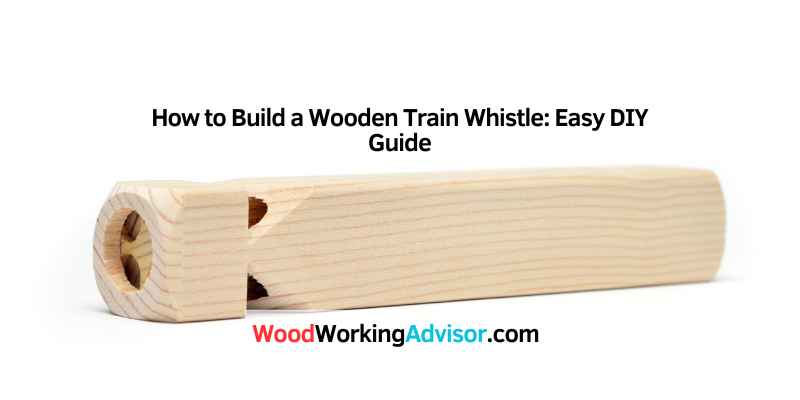
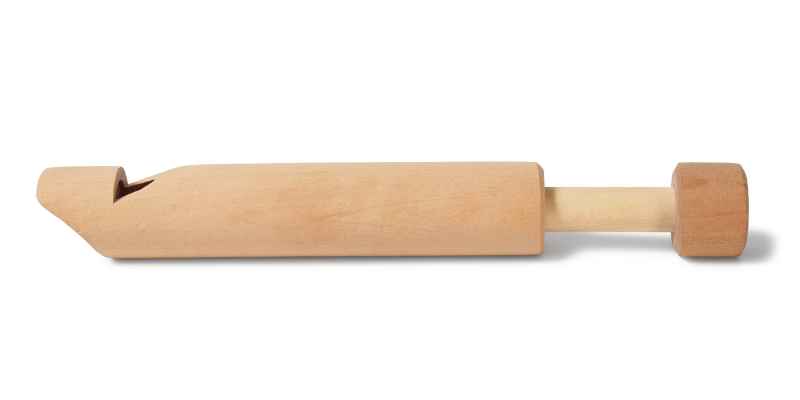
To build a wooden train whistle, start with a block of wood and carve out a tapered shape. Drill a small hole for sound and refine the edges for clarity.
Creating a wooden train whistle offers a rewarding blend of craftsmanship and nostalgia. This simple project requires minimal tools and materials, making it perfect for beginners and experienced woodworkers alike. Not only does it provide an enjoyable hands-on activity, but it also results in a charming musical toy that can be cherished for years.
Building this whistle can spark creativity and encourage children to engage in imaginative play. Follow these straightforward steps to craft a delightful whistle that captures the essence of classic train sounds, ensuring hours of fun for both kids and adults.
Introduction To Wooden Train Whistles
Wooden train whistles have a rich history. They became popular in the late 1800s. Trains used them to signal their arrival. Many children enjoyed playing with these whistles.
Building a DIY wooden train whistle offers several benefits. It helps develop fine motor skills in young hands. Kids can express their creativity while crafting something unique. Making a whistle is also a fun way to learn about sound and music.
Lastly, these wooden toys can create lasting memories. Families can bond while working on this project together.
Materials Needed For Your DIY Project
To create a wooden train whistle, gather the right materials. Use softwoods like pine or cedar. These woods are easy to work with and produce good sound.
Hardwoods like oak or maple also work well. They provide a more rich tone but can be harder to carve.
For best results, choose wood that is dry and free from knots. Knots can affect the sound quality.
Here’s a simple checklist of tools and equipment:
| Tools | Equipment |
|---|---|
| Saw | Sandpaper |
| Chisel | Drill |
| Ruler | Wood glue |
| Pencil | Finish (like varnish) |
Designing Your Train Whistle
Understanding the dimensions of your wooden train whistle is crucial. A typical whistle is about 6 to 8 inches long. The diameter should be around 1 inch for a good sound. Ensure the air chamber is about 3 inches to produce a clear tone.
Creating blueprints and patterns helps in the building process. Start by drawing a simple outline. Include the measurements for each part. Use this blueprint as a guide when cutting and assembling the wood.
Consider using softwood like pine for easy carving. Ensure your design allows for proper airflow. This is key to making a loud sound. Check your patterns before you start cutting to avoid mistakes.
Cutting The Wood To Size
Start by measuring your wood accurately. Use a ruler or tape measure for precise measurements. Mark the spots clearly with a pencil. This will help in cutting correctly.
Always wear safety goggles to protect your eyes. Use ear protection if the saw is loud. Keep your hands away from the blade. Make sure your workspace is clean and organized. Never rush while cutting.
| Safety Tip | Description |
|---|---|
| Wear goggles | Protects your eyes from wood chips. |
| Use ear protection | Reduces noise exposure from power tools. |
| Keep hands clear | Avoids injuries from the saw blade. |
| Stay organized | Prevents accidents in your workspace. |
Carving The Whistle’s Inner Chambers
Start by selecting a solid piece of wood. Common choices include pine or maple. Use a sharp knife or chisel for carving. First, mark the areas to hollow out. Then, carefully remove small pieces of wood.
Focus on making the inner chambers smooth and even. The shape affects the sound produced. Use a drill for deeper hollowing. Make sure to create a narrow opening for the whistle’s end.
For the sound mechanism, cut a small slot at the top. This will help the air pass through. Test the sound by blowing gently. Adjust the chamber size if needed.
Assembling The Whistle Components
Start by applying wood glue to the edges of each piece. Press the pieces together firmly. Ensure they fit snugly for the best result. Wipe away any excess glue immediately.
After gluing, use clamps to hold the pieces in place. Leave them clamped for several hours. This helps create strong bonds. Allow the glue to cure completely before moving on.
To make the whistle airtight, check for gaps. Fill any openings with more glue. Smooth it out with a finger or a small tool. This step is crucial for sound quality.
Once the glue is dry, test the whistle. Blow into it gently to see if it works. A well-sealed whistle produces a clear, loud sound.
Fine-tuning Your Whistle For Perfect Sound
To adjust the fipple and airway, first check the size of both. A smaller fipple opening creates a higher pitch. A larger airway allows more air, enhancing volume. Use sandpaper to carefully modify these parts. Test the sound as you adjust.
For common sound issues, ensure there are no obstructions in the airway. A clogged airway can cause weak sound. If the whistle sounds flat, adjust the fipple again. Sometimes, adding a bit of wax can improve the seal. Regular testing helps find the best sound.
Finishing Touches And Decoration
Start by sanding the wooden train whistle. Use fine sandpaper for a smooth finish. Make sure all edges are rounded. This step helps prevent splinters.
After sanding, clean the whistle to remove dust. Then, it’s time for painting. Choose bright colors or natural wood stains. Use a brush or spray paint for even coverage.
Let the paint dry completely. Personalize your whistle with names or designs. Use stickers or stencils for fun patterns. This adds a special touch to your creation.
Testing And Using Your Wooden Train Whistle
To conduct the first sound test, hold the whistle firmly. Blow into the mouthpiece gently. Listen for a clear sound. Adjust your blowing technique if needed. Each whistle may sound different.
For tips on playing, practice blowing at different strengths. This helps create varied tones. Experiment with different angles while blowing.
Maintenance is essential for a long-lasting whistle. Keep it clean by wiping the outside with a soft cloth. Avoid getting the inside wet. Store it in a dry place to prevent damage.
Regularly check for any cracks or damage. Repair any issues quickly to maintain sound quality. Enjoy your wooden train whistle!
Gift Ideas And Educational Uses
Creating a gift set with your wooden train whistle can be fun and special. Pair it with a small wooden train model. Include a colorful gift box to make it look appealing. Adding a personal note will make the gift even more meaningful.
Teaching children about sound and music is exciting with this whistle. Kids can learn how to create different sounds by blowing into it. They can experiment with pitch and volume, discovering how air changes the sound. This hands-on approach makes learning about music enjoyable and interactive.
Frequently Asked Questions
How Do You Make A Wooden Train Whistle?
To make a wooden train whistle, gather materials like wood, a saw, and a drill. Cut the wood into a whistle shape, ensuring a narrow opening. Drill a hole for airflow and fine-tune the length. Sand the edges for a smooth finish, and your whistle is ready to use!
What Wood Is Best For Making A Whistle?
The best woods for making a whistle are softwoods like pine or cedar. These woods are easy to work with and produce a clear sound. Hardwoods can also be used but may require more effort to carve. Choose a wood with minimal knots for better acoustic quality.
How Long Should A Wooden Train Whistle Be?
A wooden train whistle should typically be 5 to 8 inches long. This length produces a pleasant sound while ensuring it’s easy to handle. Shorter whistles may sound higher, while longer ones offer deeper tones. Experiment with different lengths for unique sound variations.
Can Kids Make Wooden Train Whistles?
Yes, kids can make wooden train whistles with adult supervision. Using simple tools and safe materials makes it an engaging craft project. It enhances creativity and fine motor skills. Ensure kids are guided through the process for safety and better results.
Conclusion
Building a wooden train whistle is a fun and rewarding project. It sparks creativity and engages hands-on skills. With simple materials and clear steps, anyone can create their own whistle. Share your experience and inspire others to try this craft.
Enjoy the sounds of your creation and happy whistling!