How to Clean a Boar Bristle Brush With a Wooden Handle (5 Steps)
A boar bristle brush with a wooden handle needs its bristles washed in warm water and mild shampoo, but the handle itself should never touch water. Soaking or scrubbing the wood swells the grain and can crack or loosen the bristle head within weeks. This guide covers the 5-step cleaning process, how to tell if your handle needs monthly mineral oil or just a dry wipe, and how often to actually clean it.
Quick Answer
Dip only the bristles into warm water with a few drops of mild shampoo, gently work out buildup, then rinse the bristles the same way and lay the brush bristles-down to dry. Keep the wooden handle above the waterline the entire time. If the handle looks dry or dull afterward, rub in a few drops of food-grade mineral oil once a month — unless it’s sealed with lacquer or varnish, in which case a dry wipe is all it needs.
Why Regular Cleaning Matters
Best Wood Handle Conditioning Oil Pick
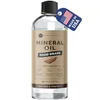
Kate Naturals Food-Grade Mineral Oil (8 oz)
Odorless, food-grade mineral oil in a size built for small jobs like a hairbrush handle, not just a full cutting board.
- Best for: monthly conditioning of bare or oiled wooden handles
- Why we picked it: meets FDA food-contact purity standards, so it’s safe on a handle your hands touch daily
- Main drawback: needs reapplying monthly — it doesn’t build a permanent seal like lacquer
Compare more wood handle care options
 Option 1 Howard Butcher Block Conditioner (12 oz)
|
 Option 2 100% Boar Bristle Brush, Peach Wood Handle
|
 Option 3 Cutting Board Oil, Orange-Lemon Scent (12 oz)
|
As an Amazon Associate we earn from qualifying purchases.
Boar bristle brushes work by spreading your scalp’s natural oils down the hair shaft, which is what gives hair its shine and reduces frizz. When the bristles are coated in old product, dead skin, and dust, they push that buildup through your hair instead of natural oil, and the brush stops doing its job. A brush cleaned on schedule also lasts years longer, since dirt trapped at the base of natural bristles is what eventually makes them snap or fall out.
This matters even more with a wooden handle. Most of the general wood maintenance rules that apply to furniture and utensils apply here too — wood and standing water are always a bad combination, and a hairbrush handle is no exception.
Special Care for Wooden Handles: Oiled vs. Sealed Finishes
Most cleaning guides for boar bristle brushes are written by hair-care sites that treat “wood oil” as one generic step. From a woodworking standpoint, it isn’t — what your handle needs depends entirely on how it was finished at the factory:
- Bare or oiled wood (dull, matte, you can see and feel the open wood grain): this handle absorbs water and dries out over time. It needs a few drops of oil rubbed in about once a month.
- Sealed wood (glossy, smooth, slightly plasticky under your thumbnail — lacquer, varnish, or polyurethane): the finish is already doing the job oil would do. Adding oil on top just leaves a sticky film and attracts more dust. A dry cloth wipe is all a sealed handle needs.
If you’re not sure which one you have, see our full breakdown of common wood finish types for how to tell them apart by look and feel.
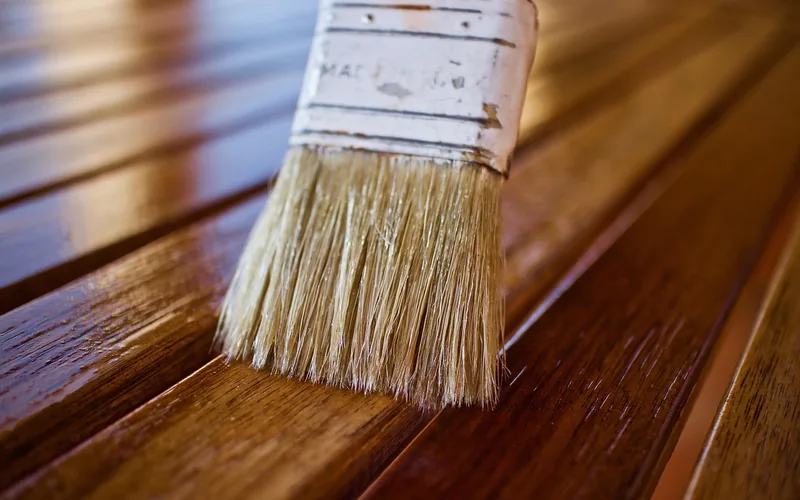
📊 Food-grade (white) mineral oil is regulated for direct food-contact use under FDA 21 CFR §178.3620 — the same standard cutting boards and butcher blocks are held to — which is why it’s the safe default for anything that touches your skin and hair daily. Source: U.S. FDA, 21 CFR §178.3620.
Skip drying oils like boiled linseed oil for this job — they’re built for furniture, not for a handle you grip with bare, often-damp hands, and they can leave a tacky residue. The same plain mineral oil used to condition wooden kitchen utensils works just as well here.
Tools and Materials You’ll Need
- A small bowl or the corner of a sink
- Warm (not hot) water
- A few drops of mild shampoo or gentle castile soap
- A wide-tooth comb or an old toothbrush, for pulling out trapped hair
- A soft towel
- Food-grade mineral oil, only if your handle is bare or oiled wood
How to Clean a Boar Bristle Brush With a Wooden Handle: Step-by-Step
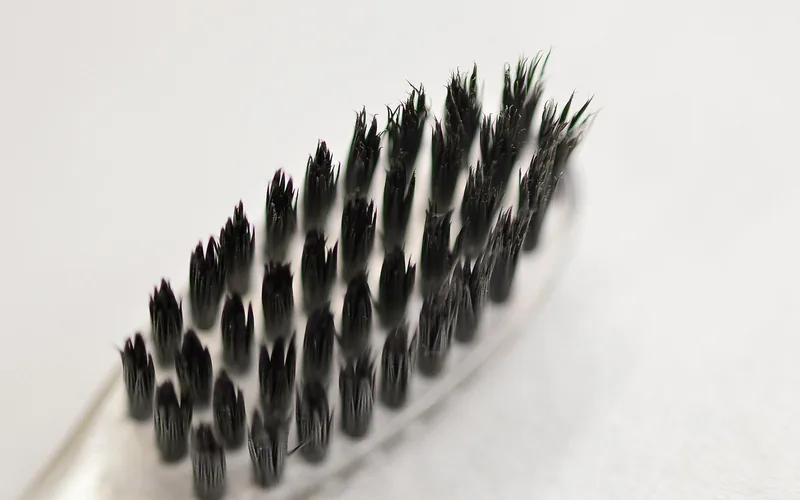
- Pull out trapped hair: Use a wide-tooth comb or your fingers to rake out loose hair and lint from the base of the bristles. Skipping this step means you’re just swirling dirty hair around in soapy water instead of removing it.
- Mix the wash water: Fill a small bowl with warm water and add a few drops of mild shampoo. Avoid dish soap or anything with bleach — both are harsher than bristles and a wood finish need.
- Wash bristles only: Dip just the bristle head into the water, angled so the wooden handle stays above the waterline. Gently swirl and work the soap through with your fingers or the toothbrush for about a minute.
- Rinse the same way: Rinse the bristles under clean running water, still keeping the handle dry, until no more soap suds appear.
- Dry bristles-down: Shake off excess water, blot with a towel, then rest the brush bristles-down (or on its side) on a dry towel so any last moisture drips away from the handle instead of into it. Never use high heat from a hair dryer to speed this up.
How Often Should You Clean It?
Pull out loose hair after every use — that takes seconds and doesn’t involve any water. Do the full wash every two to four weeks for normal use, or closer to every two weeks if you use a lot of styling product. Washing it more often than that is the more common mistake: it adds water exposure the wooden handle doesn’t need for a marginal cleanliness gain.
Common Mistakes to Avoid
- Soaking the whole brush. Even a quick dunk lets water seep into the drilled holes that hold the bristles, which is what actually loosens them over time — not general wear.
- Using dish soap or vinegar. Both are harsher than the bristles or the wood finish are built to handle; stick with a mild shampoo or castile soap.
- Oiling a sealed handle. If the handle already has a glossy lacquer or varnish finish, added oil just sits on top as a sticky film — it has nowhere to soak in.
- Drying it bristles-up. Water trapped at the base of the bristles runs straight down into the handle instead of dripping away.
Frequently Asked Questions
How Often Should You Clean a Boar Bristle Brush With a Wooden Handle?
Remove trapped hair from the bristles after every use, and deep-clean the brush every two to four weeks. Cleaning it more often than that adds unnecessary water exposure to the wooden handle, while waiting much longer lets oil and product buildup dull the bristles and reduce how evenly they spread natural oils through hair.
Can You Get the Wooden Handle Wet?
No. Water swells wood grain and can crack a glued-in bristle head or warp an oval handle within days. Wet only the bristles by dipping the brush bristle-first into a bowl of warm, soapy water, keeping the handle above the waterline the entire time, then rinse the same way.
What’s the Best Oil for a Wooden Hairbrush Handle?
Use plain food-grade (white) mineral oil, the same product sold for cutting boards. It is regulated for food-contact use under FDA 21 CFR 178.3620 and will not turn rancid or sticky. Skip drying oils like boiled linseed oil, since they can leave a tacky film on a handle that touches skin every day.
What Is the White Residue on My Boar Bristle Brush?
The white residue is usually dried soap film or hardened natural oils and skin cells built up between cleanings. Rinse the bristles under running water longer than usual, working the brush gently against your palm to flush it out, then let the brush air-dry fully before using it again.
What Are the Disadvantages of a Boar Bristle Brush?
Boar bristle brushes cost more than plastic paddle brushes, and the natural bristles do not detangle thick or curly hair as well as a wide-tooth comb. The wooden handle also needs the extra care described in this guide, since a handle you could dunk in the sink would genuinely be lower-maintenance.
Conclusion
Cleaning a boar bristle brush with a wooden handle comes down to one rule: bristles get water, the handle doesn’t. Pull out trapped hair, wash and rinse just the bristle head every two to four weeks, dry it bristles-down, and condition a bare or oiled handle with food-grade mineral oil once a month — skip the oil entirely if your handle is already sealed. Get that split right and both halves of the brush will outlast a plastic one by years.
Sponsored / affiliate links. As an Amazon Associate I earn from qualifying purchases. I may earn additional commission from eligible campaigns.