
How to Connect 4X4 Wood: Secure & Seamless Tips
To connect 4×4 wood, use sturdy wood screws or bolts for a secure joint. Alternatively, employ wood glue for added strength.
Connecting 4×4 wood pieces is essential for many construction and DIY projects. Whether you’re building a deck, a garden frame, or furniture, understanding the right methods ensures durability and stability. Various techniques exist to achieve strong connections, each suited for different applications.
Choosing the right method depends on your project’s requirements and your personal skill level. Common methods include using screws, bolts, or wood glue. Each option has its benefits, allowing for flexibility in design and function. This guide will explore effective ways to connect 4×4 wood, ensuring your projects stand the test of time.
Introduction To 4×4 Wood Projects
Connecting 4X4 wood is a fun project. It allows you to create strong and sturdy structures. First, choosing the right 4X4 wood is essential. Look for wood that is straight and free of large knots. Quality wood enhances strength and durability.
For joining 4X4 wood, certain tools are necessary. A power drill is useful for making holes. Wood screws provide strong connections between pieces. A saw helps cut the wood to the right size. Clamps keep the wood in place while you work.
Measuring accurately is also important. Use a tape measure for precise lengths. Always wear safety gear to protect yourself. Enjoy your project and create something amazing!
Basic Joinery Techniques
Halving joints are simple and effective. They connect two pieces of wood. Each piece has half of its thickness removed. This allows them to fit together tightly. Use this joint for strong frames.
Mortise and tenon joints are classic and sturdy. A mortise is a hole cut into one piece. The tenon is a tongue on the other piece. This joint provides great strength and stability. Many furniture makers prefer this method.

Advanced Connections For Strength
Dovetail joints are strong and beautiful. They connect two pieces of wood at right angles. This joint uses a series of interlocking shapes. The design helps resist pulling apart, making it perfect for drawers.
Finger joints are another great choice. They create a long, sturdy connection between two pieces. This joint consists of multiple fingers that fit together. It offers excellent strength and is easy to make.
Both joints are excellent for furniture making. They add durability and style to various projects. Choose the right joint based on your needs and design.
Using Metal Connectors And Fasteners
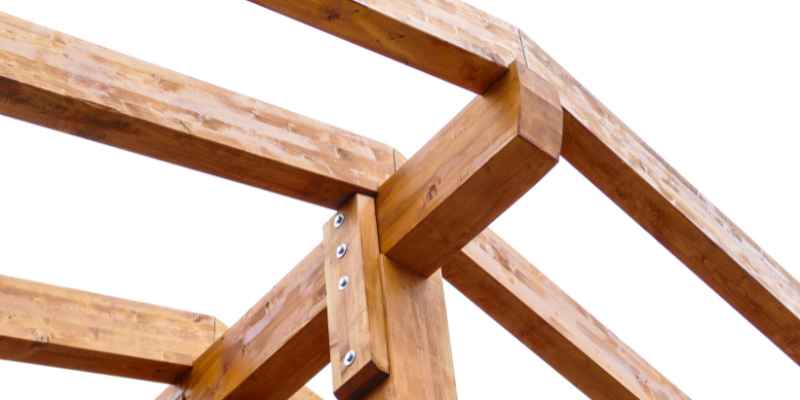
Brackets and plates are essential for connecting 4X4 wood pieces. They provide strong support. Use heavy-duty metal for durability. Ensure the brackets fit snugly on the wood. Pre-drill holes to avoid splitting the wood. Secure them with screws or bolts for added strength.
Screws and bolts are crucial for a solid connection. Choose stainless steel screws to resist rust. Use hex bolts for a stronger grip. Always match the screw length to the wood thickness. Tighten screws well, but avoid over-tightening.
| Connector Type | Material | Use |
|---|---|---|
| Brackets | Metal | Support joints |
| Screws | Stainless Steel | Secure connections |
| Bolts | Hex | Strong grip |
Adhesives For Extra Bonding
Selecting the right adhesive is crucial for a strong bond. Wood glue works well for most projects. Polyurethane glue offers a waterproof option. Epoxy provides an excellent hold for heavy-duty needs.
Consider the drying time when choosing an adhesive. Some glues dry quickly, while others take longer. Look for non-toxic options if safety is a concern.
| Adhesive Type | Best Use |
|---|---|
| Wood Glue | General woodworking |
| Polyurethane Glue | Outdoor projects |
| Epoxy | Heavy-duty applications |
For a stronger hold, apply the adhesive evenly. Press the pieces together firmly. Use clamps for added pressure while drying. Allow the glue to cure fully for best results.
Preparation And Finishing
Start by measuring the 4X4 wood carefully. Use a tape measure for accuracy. Mark the cutting lines clearly with a pencil. Cut along the lines using a saw. Ensure the cuts are straight and clean.
Next, sand the edges and surfaces of the wood. Use medium-grit sandpaper first, then switch to fine-grit sandpaper. This helps create a smooth finish. Always sand in the direction of the wood grain.
After sanding, clean off the dust. Apply a wood sealant or finish to protect the wood. Choose a sealant that matches your project needs. Allow it to dry completely before using the wood.
Troubleshooting Common Issues
Split wood can cause many problems in your project. Check for visible cracks or breaks. Treating the wood with sealant helps prevent further splitting. Always store wood in a dry area to avoid moisture damage.
Weak joints may lead to instability. Use strong glue or screws to reinforce connections. Clamp the joints tightly while drying for better strength. Inspect regularly for signs of wear or loosening.
| Issue | Solution |
|---|---|
| Split Wood | Use sealant and store in a dry place. |
| Weak Joints | Reinforce with glue or screws and clamp. |
Innovative Projects Ideas
Creating outdoor furniture with 4X4 wood is fun and easy. Build a sturdy picnic table for family gatherings. Use the wood to make a comfortable bench for your garden. Don’t forget to add some cushions for extra comfort.
For structural frames in small buildings, 4X4 wood works great. It provides strong support for walls and roofs. Make sure to use proper connectors for stability. Choose quality wood to ensure your structure lasts for years.
Frequently Asked Questions
How Do I Join 4×4 Wood Pieces?
To join 4X4 wood pieces, you can use screws, dowels, or wood glue. For a strong joint, pre-drill holes for screws to avoid splitting. Dowel joints provide hidden connections and enhance appearance. Always ensure the wood is clean and dry for optimal adhesion.
What Tools Are Needed For Connecting 4×4 Wood?
Essential tools include a drill, screws, wood glue, and clamps. A miter saw will help achieve precise cuts. A measuring tape ensures accurate dimensions. Additionally, using a level guarantees your joints are aligned properly for a sturdy structure.
Can I Use Wood Glue Alone For Connections?
Using wood glue alone can work for light-duty connections. However, for stronger joints, combine glue with screws or dowels. Allow adequate drying time for maximum strength. Remember, proper surface preparation enhances glue adhesion, ensuring a reliable and durable bond.
What Types Of Joints Work Best For 4×4 Wood?
The best joints for 4X4 wood include butt joints, lap joints, and mortise-and-tenon joints. Each joint offers different strengths and aesthetics. Butt joints are simple but less durable, while mortise-and-tenon provides a strong, traditional connection. Choose based on your project requirements.
Conclusion
Connecting 4×4 wood can enhance your projects significantly. With the right techniques and tools, you can achieve sturdy and reliable connections. Remember to choose the appropriate fasteners and methods for your specific needs. This ensures durability and stability in your woodworking endeavors, making your creations last for years to come.