Combination Screwdriver: Types, Bit Counts & Best Picks (2026)
A combination screwdriver combines two or more screw-head tips — usually Phillips and slotted — into one handle, and multi-bit sets add Torx, square, and hex for under $20. Buying more bits than you’ll use wastes money, while too few means a mid-project store run. This guide covers the standard screw-drive types, how many bits actually cover most jobs, and which sets give the best price per bit.
Affiliate disclosure: Insert your Affiliate Disclosure reusable block here.
What Is a Combination Screwdriver?
Best Combination Screwdriver Pick
Klein Tools 32500 11-in-1 Screwdriver/Nut Driver Set – $15.97
Covers the Phillips, slotted, Torx, and square tips this guide walks through, plus three nut driver sizes, in one cushion-grip handle.
- Best for: general household and shop repairs
- Why we picked it: best price-per-bit balance of the sets we compared ($1.45/bit) with a 4.8-star rating
- Main drawback: no ratcheting mechanism for repetitive fastening
Compare more combination screwdriver options
 Option 1 CRAFTSMAN 6-in-1 Multi-Bit Set – $9.98
|
 Option 2 WORKPRO 12-in-1 Ratcheting Set – $19.99
|
 Option 3 Klein Tools 32305 15-in-1 Ratcheting – $19.98
|
As an Amazon Associate we earn from qualifying purchases.
A combination screwdriver is a single handle that accepts interchangeable tips — typically a slotted (flathead) blade and a Phillips cross-tip — so one tool covers both common screw types. Multi-bit versions extend this with Torx, square (Robertson), and hex tips stored right in the handle.
It’s a practical upgrade over carrying separate screwdrivers: mechanics, electricians, and DIYers reach for combination and multi-bit drivers to cover the slotted and Phillips screws found on most furniture, electronics, and appliance hardware without swapping tools mid-job. For picking the right driver style to begin with, see our woodworking tools and saws guide.
Standard Screw Drive Types Explained
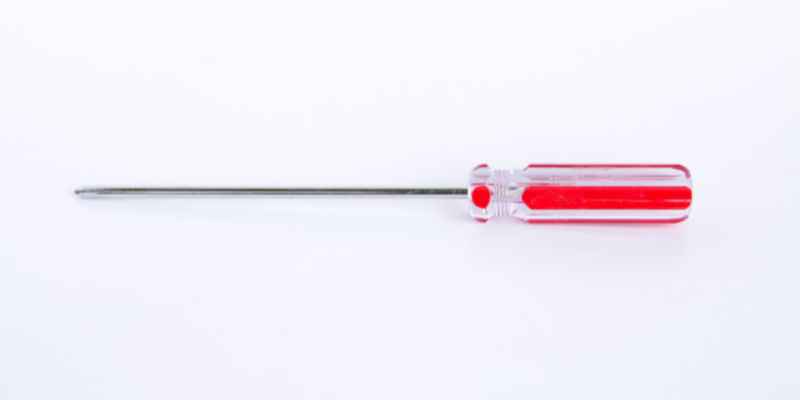
A combination screwdriver’s interchangeable tips are built around a handful of standard screwdriver drive shapes, each engineered for a different balance of torque and slip resistance.
Phillips Head
The Phillips head’s four-armed cross tip is intentionally shaped to cam out — slip free of the screw — once a set torque is reached, which protects both the screw and the tool from over-tightening damage. It’s the most common drive in North America and the tip you’ll use most on electronics and general hardware.
Slotted (Flat Head)
The oldest drive style, with a single straight blade that fits one slot. It has no built-in cam-out protection, so it can slip sideways under power-tool torque — better suited to hand-driving larger screws like hinge screws than to a drill.
Pozidriv
Pozidriv looks like a Phillips tip at a glance but adds four smaller reinforcing ribs between the main cross, giving more contact area and less cam-out. It’s common on IKEA and other European furniture hardware — worth having in a multi-bit set even if most of your screws are plain Phillips, since forcing a Phillips tip into a Pozidriv screw chews up both.
Torx (Star Drive)
Torx uses a six-point star shape and resists cam-out better than Phillips or Pozidriv, which is why manufacturers use it on furniture assembly hardware, bicycles, and electronics where they want to discourage over-tightening — or casual tampering.
Square (Robertson)
The square-socket Robertson drive has a slight taper and four 90-degree walls that self-center the bit, virtually eliminating cam-out. It’s standard on Canadian construction lumber screws and common on deck fasteners in the U.S.
Hex Key (Allen)
Also called an Allen key, the L-shaped hex driver has a hexagonal tip built for high torque on hex bolts and set screws — the drive style behind most flat-pack furniture fasteners, including the doorknob and cabinet-hardware set screws covered in our doorknob set screw guide.
📊 The Robertson (square) drive’s self-centering socket is credited with speeding up Ford Model T screw-driving versus slotted screws, and Torx shows the lowest cam-out rate of the common drive types. — Source: Fastener SuperStore, Screw Drive Styles Guide
How Many Bits Do You Actually Need?
Most households only ever use two or three drive types — Phillips, slotted, and occasionally Torx or hex — so a 6-to-15-bit set covers real-world needs. Sets past 25 bits mostly duplicate sizes you’ll rarely touch, and pilot-hole sizing matters as much as bit choice; check our wood screw drill size guide before driving into new material.
| Set | Bits | Price | Price / Bit |
|---|---|---|---|
| CRAFTSMAN 6-in-1 | 6 | $9.98 | $1.66 |
| Klein Tools 32500 11-in-1 | 11 | $15.97 | $1.45 |
| WORKPRO 12-in-1 (ratcheting) | 12 | $19.99 | $1.67 |
| Klein Tools 32305 15-in-1 (ratcheting) | 15 | $19.98 | $1.33 |
A ratchet mechanism is worth the extra few dollars if you’re driving more than a handful of screws in one sitting — it saves your wrist from re-gripping between turns. For occasional repairs, a plain multi-bit driver like the CRAFTSMAN 6-in-1 does the job for less.
“For general shop use, an 11-to-15-bit set with a comfortable handle covers nearly everything that comes up — the extra bits on 25-plus-piece sets mostly sit unused in the case.”
Benefits of a Combination Screwdriver Set
A combination screwdriver set replaces a drawer full of single-purpose drivers with interchangeable heads or bits that handle a range of screw types. That trade-off shows up in four practical ways.
Versatility
One handle, multiple drive types — the bits swap in seconds, so you’re not hunting for a second driver mid-project.
Ease of Use
Ergonomic handles and magnetized bits — standard on most modern sets — keep the tip seated on the screw head and reduce slipping.
Cost-Effective
A single $10–$20 set, as shown in the comparison above, typically costs less than buying several individual screwdrivers separately.
Practicality
Compact enough for a glove box or kitchen drawer, which makes it the tool people actually reach for when a screw needs tightening unexpectedly.
Frequently Asked Questions
What is a combination screwdriver?
A combination screwdriver is a tool with interchangeable tips, typically a flat (slotted) blade and a Phillips head, so one handle drives both common screw types. Multi-bit versions add Torx, square, or hex tips stored in the handle. They’re sold at hardware stores and online retailers in prices ranging from about $5 to $40.
What are the 3 main types of screwdriver tips?
The three most common are Phillips (cross-shaped), slotted (a single flat blade), and hex/Allen (hexagonal, for set screws and bolts). See our screwdriver size chart for exact tip sizes.
What is a plus screwdriver called?
A “plus” screwdriver is a Phillips screwdriver — the cross-shaped tip that gives it its nickname. It’s designed to cam out at a set torque, which protects the screw and the driver from over-tightening.
What is an ECX screwdriver?
An ECX screwdriver is a combination-tip driver with both a flat blade and a square drive, commonly used on terminal screws in electrical work where a no-slip grip on tight screws matters.
What’s the difference between Phillips and Pozidriv?
Pozidriv adds four smaller reinforcing ribs between the arms of a standard Phillips cross, giving more contact area and less cam-out. The tips look similar, but forcing a Phillips bit into a Pozidriv screw (common on European furniture) strips both faster than using the matching tip.
Are ratcheting multi-bit screwdrivers worth the extra cost?
Yes, if you’re driving more than a handful of screws in one sitting — the ratchet mechanism lets you keep the bit seated without re-gripping between turns. For occasional single-screw repairs, a plain multi-bit driver saves a few dollars with no real downside.
Conclusion
A combination screwdriver — or a multi-bit set with Torx and hex tips added — covers the vast majority of household and shop fastening jobs with one tool. Match the bit count to what you actually use, budget a few extra dollars for a ratcheting mechanism if you drive screws often, and check our screw and drilling guides for pilot-hole sizing and fixing stripped screws.
Sponsored / affiliate links. As an Amazon Associate I earn from qualifying purchases. I may earn additional commission from eligible campaigns.