How to Fix Rotted Wood: Probe Test, Epoxy Repair or Replace
Fix rotted wood with epoxy consolidant and filler when a screwdriver stops at firm wood and the damage is limited to part of the board; cut it out and replace it when the probe sinks deep, the rot runs through the core, or the piece carries load. Filling over soft wood only hides rot that keeps spreading. This guide covers the probe test, the repair-or-replace decision, hardener versus epoxy, cure times, and the ventilation and respirator rules.
Identifying Rotted Wood
Best Rot Repair Kit Pick
 |
Re-Rot Wood Rot Repair Kit, 48 oz Penetrating Epoxy with Wood Flour Filler, $49.95 One kit covers the consolidant-then-filler sequence this guide uses for moderate rot: a low-viscosity epoxy soaks into soft fibers, then epoxy is mixed with the included wood flour to rebuild missing wood.
As an Amazon Associate we earn from qualifying purchases. |
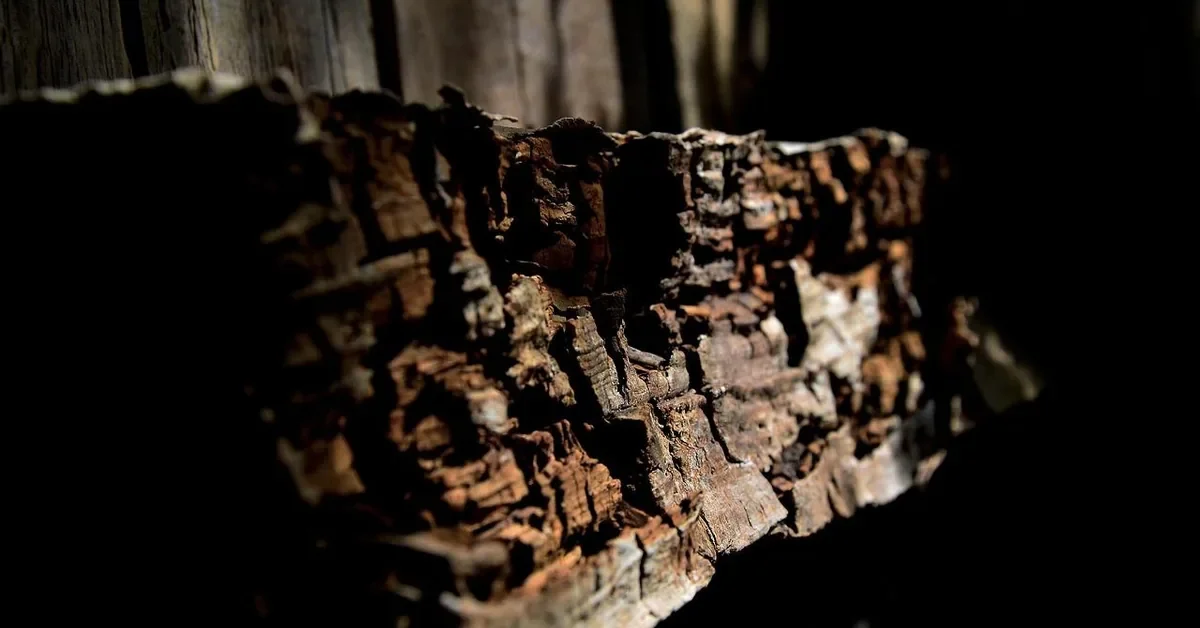
Rotted wood gives itself away in three ways: it feels soft or spongy when pressed, it looks darker or bleached with cracks across the grain, and it smells musty. Windowsills, door bottoms, deck rails, fascia and anything near a downspout or a soil line are the usual victims, because rot fungi need moisture. If you are not sure whether the damage is rot or insects, our guide to termites versus wood rot shows the difference.
The Screwdriver Probe Test
Push a screwdriver or awl into the suspect spot, then work outward until the tip meets resistance. Sound wood resists the point; rotted wood lets it sink with almost no pressure. Several repair-supplier guides use a rough rule of thumb: if the tool sinks more than about 1/8 inch into spongy wood, plan on replacement, and keep epoxy for damage covering less than roughly 40 percent of the board’s cross-section. Treat those numbers as a screening guide, and probe in several places, because rot often runs further inside than the surface shows.
| What the probe shows | Typical situation | Best fix |
|---|---|---|
| Tip stops at firm wood within a short distance of the edge of the damage | Surface or moderate rot on trim, sill or door frame | Epoxy consolidant and filler |
| Tip sinks deep and the damaged area keeps growing as you scrape | Rot through most of the board thickness | Cut out and replace the section |
| Any soft spot on a joist, beam, stair stringer or deck post | Structural member carrying load | Replace; epoxy does not restore original structural capacity |
| Wood is still wet or the leak is still active | Cause not fixed yet | Fix the water source and let the wood dry before any repair |
Types of Wood Rot
Understanding the type of wood rot you’re dealing with makes treatment and repair more effective. There are three main types, each caused by different fungi and environmental conditions.
Brown Rot (Dry Rot)
Brown rot is the most common type found in homes. The fungus attacks the cellulose in wood while leaving lignin behind, turning the wood brown and causing it to crack into cube-like pieces. This is also called dry rot because the affected wood becomes dry and crumbly – even though moisture is what starts the process. You’ll commonly find brown rot in floor joists, deck framing, and structural lumber.
White Rot
White rot breaks down both cellulose and lignin, leaving the wood with a white or yellowish color. The wood feels soft and spongy to the touch. White rot is the most aggressive of the three types – once established, decomposition spreads quickly. It’s more common in hardwoods and is often found on outdoor fences, tree stumps, and garden structures.
Soft Rot
Soft rot is the least common type and develops in environments that are too hot, too cold, or too wet for other rot fungi. It works slowly, forming cavities within the wood fibers. From the outside it can look similar to brown rot – cracking and discoloration – but the damage originates deep inside. Soft rot is often found in utility poles, fence posts, and outdoor wood structures in extreme climates.
Safety: Ventilation, Respirator and Gloves
Rot repair products are chemicals, and the two main families carry different hazards. Solvent-based hardeners are the fire risk. The Minwax technical data sheet for its High Performance Wood Hardener lists it as extremely flammable, says it contains acetone and methyl alcohol, and gives a flash point of -4 degrees F, so keep flames, pilot lights and sparks away and open windows and doors for fresh air during application and drying. It says to wear a NIOSH-approved respirator if adequate ventilation cannot be maintained, and to leave the area and get fresh air if you feel dizzy or get a headache or watering eyes.
Two-part epoxies are the skin risk. The Abatron safety data sheet for LiquidWood describes it as a skin sensitizer, calls for protective gloves and eye protection, and says good general ventilation should be enough, with a respirator when ventilation is poor. Sensitization builds with repeated skin contact, so wear gloves every time and wash off any epoxy right away.
- Work outdoors or with windows open and a fan pulling air out of the room.
- Wear nitrile gloves, safety glasses and long sleeves, and a respirator rated for organic vapors when you cannot get through-ventilation.
- Do not sand uncured epoxy or hardener-soaked wood; wait until it has fully hardened.
Gathering Necessary Tools
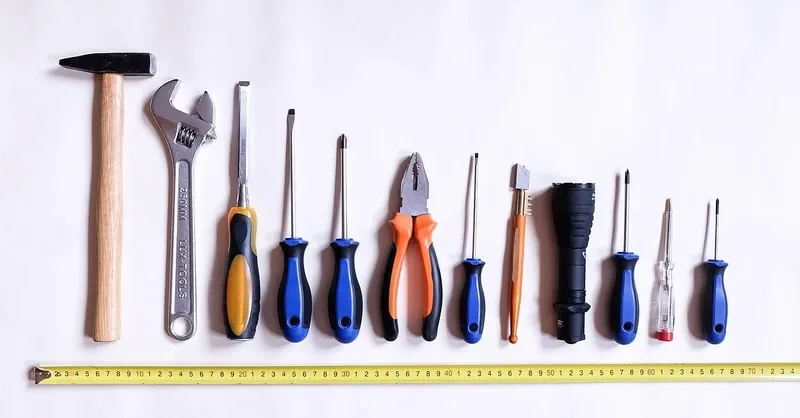
You do not need much for a sill or trim repair: a screwdriver or awl for probing, a sharp chisel and a mallet, a drill with a 1/8 inch bit, a putty knife, a disposable brush, and sandpaper in 80 and 120 grit. Add a moisture meter if you have one, since both epoxy and hardener need dry wood.
Removing Rotted Wood
Dig out every bit of soft, punky wood with a chisel until you reach firm wood on all sides, and keep going until the screwdriver stops at the same depth everywhere. Leaving soft fibers behind is the most common reason a repair fails, because consolidant can only strengthen fibers that are still there, not rebuild ones that are already powder.
- Cut the opening back to a clean, shallow shape with square edges; the filler holds better in a defined pocket than in a ragged tear.
- Drill a few 1/8 inch holes into the edge of any remaining soft wood so consolidant can run deeper.
- Fix the cause first: clear the gutter, add flashing, seal the joint or raise the board off the ground. Then let the wood dry completely; the Minwax data sheet specifies dry wood, and repair guides warn that epoxy does not bond well to damp wood.
If the rot reaches posts or wood in the ground, read our guides on repairing a rotting wood post and keeping posts from rotting in the ground.
Hardener vs Epoxy Consolidant: Which to Use
These two products are often treated as the same thing, and they are not. A wood hardener such as Minwax High Performance Wood Hardener is a thin resin dissolved in acetone and alcohol. Its data sheet lists about 25 percent solids, and you brush on several coats until the surface turns shiny, then wait 2 to 4 hours before filling. An epoxy consolidant is a two-part resin that you mix and use before it cures, so the clock matters. Our guide on what wood hardener does explains the chemistry in more detail.
| Product type | Mix | Time to know | Main hazard |
|---|---|---|---|
| Solvent wood hardener (Minwax High Performance Wood Hardener) | None; brush on several coats | 2 to 4 hours before filling | Extremely flammable, flash point -4 F; vapors |
| Epoxy consolidant (Abatron LiquidWood) | 1:1 by volume | Pot life about 30 minutes at 75 F; hardens in about 1 to 3 hours | Skin sensitizer; gloves |
| Epoxy filler (Abatron WoodEpox) | 1:1 by volume | Pot life about 20 minutes; hardens in about 1 to 2 hours | Skin sensitizer; gloves |
| Kit with wood flour (Re-Rot 48 oz) | 2 parts resin to 1 part hardener (bottle label) | Check the label for working time | Skin contact; gloves |
The Abatron times above come from retailer listings of its published data and assume room temperature; Abatron gives an application range of 50 to 90 degrees F, and full strength continues to develop for one to three weeks. Mixing ratios differ between brands, so never assume a kit is 1:1. Measure by volume, mix until the color is uniform, and mix only what you can place before the pot life ends.
Wood Rot Repair: Epoxy vs. Replacing the Wood
Wood rot repair comes down to two approaches depending on how deep the damage goes. Epoxy consolidant and filler works well for surface-level and moderate rot where the surrounding wood is still structurally sound. Cutting out and replacing is the better option when rot has spread through the core or when the piece is load-bearing.
Epoxy Wood Rot Repair (Best for Moderate Damage)
Epoxy repair is the most popular DIY method for trim boards, windowsills, door frames, and decorative wood. The process uses two products: a penetrating consolidant that hardens soft fibers, and a two-part filler that rebuilds missing wood.
- Step 1 – Remove all soft rot: Chisel out all punky, soft wood until you reach solid material on all sides.
- Step 2 – Apply wood consolidant: Brush on a penetrating consolidant and let it soak in. Two-part epoxy consolidants such as Abatron LiquidWood are mixed 1:1 by volume; solvent-based hardeners such as Minwax High Performance Wood Hardener are brushed on straight from the can. Either one hardens the remaining fibers and gives the filler a base.
- Step 3 – Pack in epoxy filler: Once the consolidant has hardened (a solvent hardener needs 2 to 4 hours per the Minwax data sheet; follow your epoxy consolidant label for its fill window), press two-part epoxy filler into the void. Overfill slightly so you have material to shape.
- Step 4 – Shape and sand: After the filler hardens (Abatron lists roughly 1 to 2 hours for WoodEpox, depending on temperature), carve and sand the repair to match the original profile.
- Step 5 – Prime and paint: Apply an exterior primer and finish coat to seal out moisture.
For the full breakdown of consolidant vs. filler, exact mixing ratios, safe fill depth, and the repair-vs-replace threshold, see our complete wood rot repair epoxy guide.
Cut-and-Replace (Best for Structural or Severe Rot)
When rot has spread more than halfway through a board, or when the piece carries structural weight – such as a joist, beam, or deck post – epoxy filler alone won’t restore adequate strength. Cut out the full damaged section and splice in new pressure-treated lumber. Use corrosion-resistant structural screws and treat all cut ends with a borate-based wood preservative before installation. If it’s specifically a fence or deck post that’s rotted at the base, see our guide on repairing a rotting wood post without replacing it for a middle-ground fix.
Finishing a Repair That Will Stay Sealed
Once the filler has hardened, shape it with a rasp or sandpaper, working from 80 grit to 120 grit until it blends with the grain line. Dust it off, prime with an exterior-grade primer, and finish with two coats of exterior paint, caulking any joint where water can enter. For choosing between epoxy, polyester and acrylic fillers on exterior wood, see our comparison of exterior paintable wood fillers. For the epoxy method on its own, our wood rot repair epoxy guide goes further into fill depth and cure.
Preventing Future Rot
Rot needs moisture, so prevention is mostly about shedding water: keep paint and caulk intact, let end grain drain, and keep wood off soil and out of standing water. Where wood must touch soil, use lumber rated for ground contact, and use stainless steel or hot-dip galvanized fasteners. Walk your repairs once or twice a year with the screwdriver, since a small soft spot caught early is a quick fix. For a fuller walk-through of the no-replacement approach, see our companion guide to wood rot repair without replacing the wood.
Frequently Asked Questions
How do you fix rotted wood without replacing it?
Probe to confirm firm wood surrounds the damage, dig out all soft wood, let it dry, then saturate what is left with an epoxy consolidant or a solvent wood hardener. Fill the void with a two-part epoxy filler, sand it smooth, then prime and paint. This works for trim, sills and door frames, not structural members.
Can rotted wood be restored?
Partly. Rotted fibers that are still intact can be strengthened with a consolidant, but wood that has turned to powder cannot be restored and must be removed and rebuilt with filler. If a screwdriver sinks deep into most of the board, or the piece carries load, replace it instead.
What is the best thing to fill rotten wood with?
A two-part epoxy filler is the usual choice for exterior wood because it hardens, bonds to a consolidated surface and can be sanded and painted. Abatron WoodEpox is mixed 1:1 by volume, and kits such as Re-Rot combine epoxy with wood flour. Match the filler to the consolidant you used.
Can I fill rotten wood with expanding foam?
No. Foam is an insulating, air-sealing product, not a repair material, and it does not strengthen soft wood fibers the way a consolidant does. It also cannot be shaped and sanded like epoxy filler. Use a consolidant and epoxy filler instead.
How do you know if wood rot is too far gone to repair?
Probe in several places. If the tool sinks deep across most of the thickness, the damage keeps spreading as you scrape, or the piece is a joist, beam or post carrying load, replace it. Repair suppliers often cite roughly 40 percent of the cross-section as the limit for epoxy.
Is wood hardener the same as epoxy?
No. Wood hardener such as Minwax High Performance Wood Hardener is a thin resin in acetone and alcohol that you brush on, with a 2 to 4 hour wait before filling. Epoxy is a two-part resin you mix, with a limited pot life. They are used in the same step, but they handle and ventilate differently.
Conclusion
Probe first, then decide: epoxy consolidant and filler for sound-edged rot on trim and sills, replacement for deep or structural rot. Dig out every soft fiber, dry the wood, follow the mix ratio and wait times printed for your product, and ventilate. Fix the water source or the repair will fail.
Sponsored / affiliate links. As an Amazon Associate I earn from qualifying purchases. I may earn additional commission from eligible campaigns.