How To Get Urine Stain Out: Essential Guide
Effectively remove urine stains with a simple, multi-step approach using common household items. This guide provides clear, easy-to-follow instructions to tackle tough urine stains on various surfaces, restoring your home’s fresh scent and appearance quickly and safely.
Hey there, DIY enthusiasts and home stewards! Md Meraj here. We’ve all faced it – that unexpected mishap that leaves a stubborn stain and an unwelcome odor. Urine stains, especially. They can be a real headache, whether it’s from a pet, a child, or an unfortunate accident. But don’t worry! Dealing with these can seem daunting, but it’s a job we can tackle together with the right tools and techniques. I’ve helped countless folks in the workshop make challenging repairs look easy, and this is no different. We’ll walk through this step-by-step, making sure you feel confident and in control. Get ready to restore your home to its fresh, clean state. Let’s get started!
Understanding Urine Stains: The Science Behind the Smell (and Stain!)
Before we dive into scrubbing, it’s helpful to understand what we’re up against. Urine isn’t just water; it contains compounds like urea, uric acid crystals, and other organic matter. When urine dries, these compounds can crystallize and leave behind both a visible stain and a lingering odor. The longer it sits, the harder it becomes to remove, especially the odor, as bacteria start to break down the uric acid, producing those ammonia-like smells. Different surfaces react differently, so knowing your material is key to choosing the best cleaning method without causing damage.
Why Early Action is Crucial
Think of it like a fresh wood joint – the sooner you apply the glue and clamp it, the stronger and cleaner the bond. The same applies to stains. Acting fast prevents the urine from soaking deep into porous materials like carpet, upholstery, or unfinished wood. This makes removal much easier and helps eliminate the odor completely. Waiting too long allows those stubborn uric acid crystals to set in, making them much more difficult to break down and wash away. So, if you’ve just had an accident, grab your cleaning supplies immediately!
Essential Supplies for Urine Stain Removal
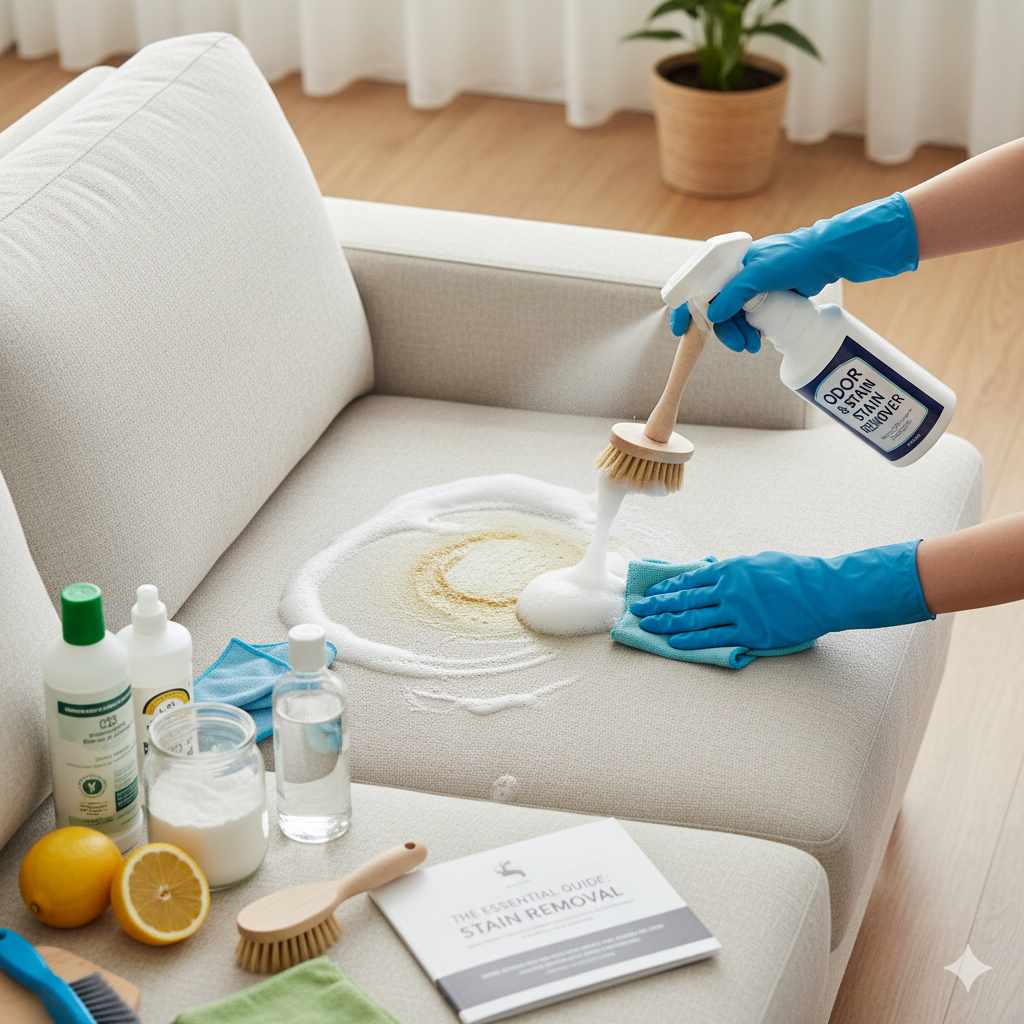
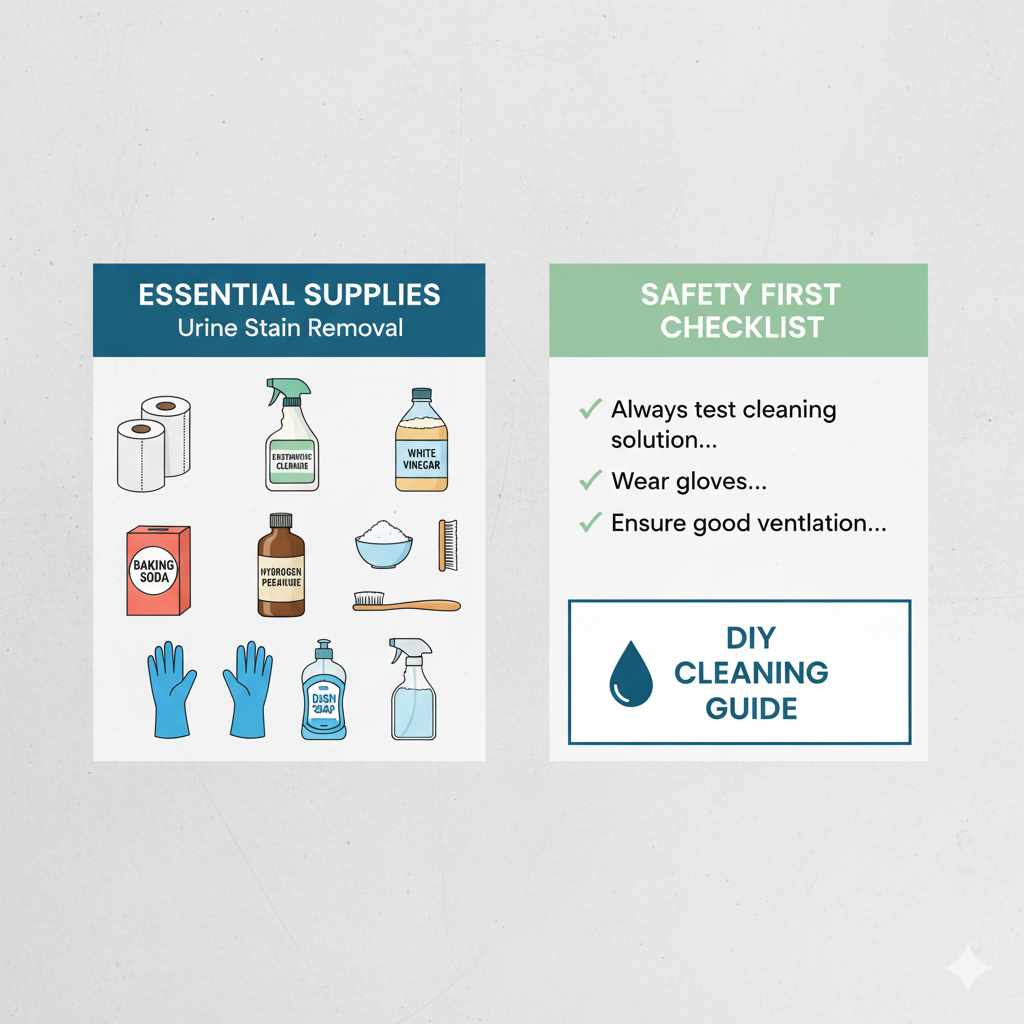
Gathering your supplies before you start makes the whole process smoother. You don’t need fancy, specialized cleaners for most urine stains. Here’s a list of common household items that will be your best friends:
- Paper towels or clean cloths: For blotting up excess moisture.
- Enzymatic cleaner: This is your secret weapon. Enzymes break down the organic matter in urine, tackling both the stain and the odor. Look for pet-specific ones if that’s your situation.
- White vinegar: A natural disinfectant and deodorizer.
- Baking soda: Excellent for absorbing odors and gentle abrasion.
- Hydrogen peroxide (3% solution): A mild bleaching agent that can help lift tough stains, especially on lighter materials. Use with caution.
- Dish soap: A good degreaser that helps lift residue.
- Water: For rinsing.
- Spray bottle: For applying cleaning solutions evenly.
- Gloves: To protect your hands.
- Old toothbrush or soft scrub brush: For gently working solutions into the stain.
Always test any cleaning solution on an inconspicuous area first to ensure it doesn’t damage or discolor the material. This is a rule of thumb in woodworking, too – always test finishes and glues in a hidden spot!
How to Get Urine Stain Out of Hardwood Floor: A Step-by-Step Guide
Hardwood floors add so much warmth and character to a home, but they can be sensitive to moisture and stains. Urine can be particularly tricky on wood because it can seep into the grain and even reach the subfloor if not addressed promptly. The key is to clean it thoroughly without using too much water, which can damage the wood.
Step 1: Blot Up the Excess
As soon as you discover the stain, grab your paper towels or clean cloths and blot up as much of the fresh urine as possible. Press firmly, but avoid rubbing, as this can spread the liquid and push it deeper into the wood grain. If you’re dealing with dried urine, you might need to slightly dampen the area with plain water to rehydrate the stain enough to blot it effectively.
Step 2: Prepare Your Cleaning Solution
For hardwood floors, a gentle yet effective approach is best. You have a couple of good options:
- Option A: Vinegar Solution: Mix equal parts white vinegar and water in a spray bottle. Vinegar is acidic and helps neutralize the ammonia in urine, breaking down the stain and odor.
- Option B: Mild Dish Soap Solution: Mix a few drops of mild dish soap with water. This can help lift surface residue.
Step 3: Apply and Blot (Again!)
Lightly spray your chosen solution onto the stained area. Let it sit for a few minutes to start working. Then, use a clean cloth to blot the area again. You should see some of the stain transferring to the cloth. Be patient; this might take several passes.
Step 4: Rinse and Dry Thoroughly
Dampen a clean cloth with plain water and wipe down the area to rinse away the cleaning solution. Immediately after, use a dry cloth to thoroughly dry the hardwood floor. This is crucial to prevent water damage. You can even use a fan to speed up the drying process.
Step 5: For Stubborn Stains and Odors – Enzymatic Cleaner is Best
If the stain and odor persist after the initial cleaning, it’s time for an enzymatic cleaner. These cleaners contain biological enzymes specifically designed to break down uric acid crystals, which are the source of persistent odors. Follow the instructions on your enzymatic cleaner carefully. Typically, you’ll need to saturate the area (and sometimes slightly beyond the visible stain to get to the source of the odor), let it dwell for a specified time (often several hours or even overnight), and then blot it up. Some may require a light rinse afterward, while others can be left to air dry.
A good enzymatic cleaner is often the most effective way to eliminate urine odors permanently. You can find them at pet stores or general cleaning supply sections. The United States Environmental Protection Agency (EPA) has guidelines on using disinfectants and cleaners safely, which is always a good reference for home cleaning projects.
Step 6: Dealing with Discoloration
Sometimes, even after the stain and odor are gone, a slight discoloration might remain on the wood. For minor discoloration on sealed hardwood, a bit of wood polish that matches your floor’s color might help restore the sheen. For deeper discoloration or damage to the wood finish, you might need to consider refinishing that section of the floor, which is a more involved DIY project often requiring sanding and reapplication of a finish.
Cleaning Urine Stains from Carpet and Upholstery
Carpet and upholstery are porous, making them prime targets for urine stains and odors. The goal here is to absorb the liquid, neutralize the odor, and lift the stain without oversaturating the fabric, which can lead to mold and mildew.
Step 1: Blot, Blot, Blot!
This cannot be stressed enough: blot up as much fresh urine as possible. Use thick layers of paper towels or clean, absorbent cloths. Stand on them if you need to apply extra pressure. For dried stains, you might need to rehydrate with a very small amount of cool water before blotting.
Step 2: Enzymatic Cleaner Application
Once you’ve removed as much liquid as possible, it’s time for an enzymatic cleaner. These are specifically formulated to break down the uric acid crystals that cause lingering odors.
- Ensure the stained area is thoroughly saturated with the enzymatic cleaner. You might need to use more than you think.
- Allow the cleaner to sit and work according to the product’s instructions. This is often the longest part of the process, sometimes requiring several hours or even overnight. The enzymes need time to break down the stain and odor-causing compounds.
- After the dwell time, blot the area thoroughly with clean cloths or paper towels to absorb the moisture and loosened residue.
You can find excellent enzymatic cleaners at most pet supply stores. Websites like ASPCA.org often have helpful tips for pet-related accidents.
Step 3: Baking Soda for Extra Odor Absorption
Once the area is mostly dry from the enzymatic cleaner, sprinkle a generous amount of baking soda over the treated spot. Let it sit for several hours, or even overnight, to absorb any remaining odors. Afterwards, vacuum it up thoroughly.
Step 4: Dealing with Lingering Stains
If a slight stain still remains after using the enzymatic cleaner and baking soda, you can try a solution of hydrogen peroxide and a tiny amount of dish soap. Mix 1/2 cup of 3% hydrogen peroxide with 1 teaspoon of dish soap. Test this solution on an inconspicuous area of the carpet or upholstery first! Apply sparingly with a cloth, blot gently, and then blot with a damp cloth to rinse. Blot dry thoroughly. Hydrogen peroxide has mild bleaching properties, so it’s crucial to test it first.
Step 5: Professional Cleaning
For very old, deep-set stains, or if you’re hesitant about using stronger solutions on delicate upholstery, consider consulting a professional carpet or upholstery cleaner. They have specialized equipment and cleaning agents that can often tackle the most challenging stains.
Removing Urine Stains from Other Surfaces
Urine can end up on all sorts of surfaces in your home. Here’s a quick rundown for a few common ones:
Concrete and Grout
These porous materials can hold onto odors. A strong mixture of baking soda and water, or a paste of baking soda and hydrogen peroxide, can be effective. For grout, use an old toothbrush to scrub the paste into the lines. For concrete, you might need a stiff brush. Rinse thoroughly and allow to air dry. Stubborn odors might require a specialized concrete cleaner or a dedicated enzymatic cleaner poured directly onto the area.
Mattresses
Mattresses are challenging because they absorb liquid so easily.
- Blot immediately: Use paper towels to absorb as much as possible.
- Vinegar or Enzymatic Cleaner: Spray a solution of equal parts white vinegar and water, or an enzymatic cleaner, onto the affected area. Don’t saturate the mattress – just enough to dampen the surface. Blot thoroughly.
- Baking Soda: Sprinkle baking soda generously over the mattress to absorb odors. Let it sit for several hours or overnight.
- Vacuum: Vacuum up the baking soda.
- Sunlight: If possible, air the mattress out in direct sunlight, as UV rays can help kill bacteria and neutralize odors.
For deep stains or persistent odors, you might need to repeat the process or consider a professional mattress cleaner.
Clothing and Fabrics
For washable fabrics, treat the stain as quickly as possible.
- Rinse: Rinse the stained area with cool water.
- Pre-treat: Apply an enzymatic laundry pre-treater or a paste of baking soda and water directly to the stain.
- Wash: Wash the garment in the hottest water safe for the fabric, using your regular detergent plus an enzyme-based booster if available.
- Air Dry: Do NOT put the garment in the dryer until you are sure the stain and odor are gone. Heat can set stains and odors permanently. Air dry it first.
If the odor or stain remains, repeat the process. For delicate fabrics that cannot be washed, professional dry cleaning with a note about the specific stain might be your best bet.
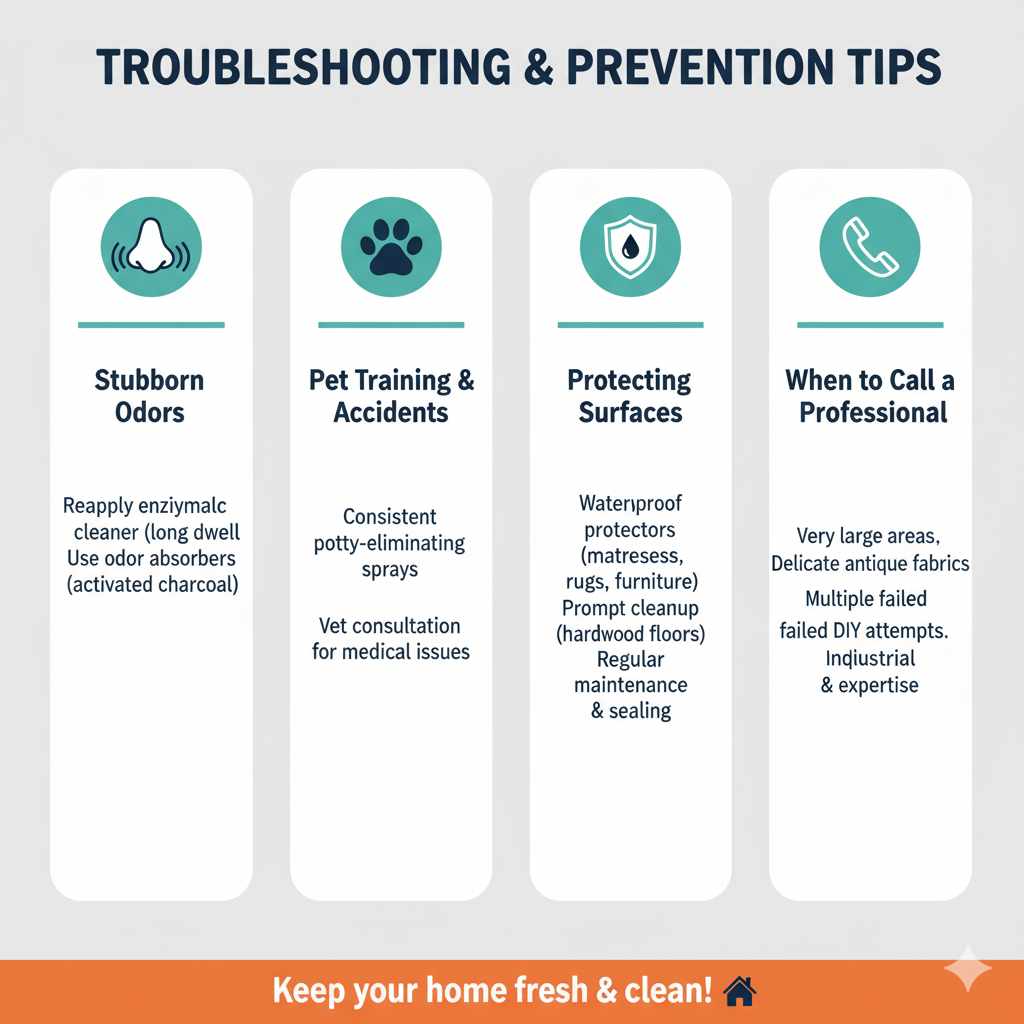
Troubleshooting and Prevention Tips
Sometimes, despite our best efforts, a stain or odor might linger. Here are some tips to help troubleshoot and prevent future accidents:
Stubborn Odors
If the smell persists even after cleaning, it likely means uric acid crystals are still present deep within the material. You might need to reapply a high-quality enzymatic cleaner and ensure it has ample dwell time, reaching all affected layers. Sometimes, odor absorbers like activated charcoal placed near the area can help dissipate residual smells.
Pet Training and Accidents
If pet urine is the culprit, ensure consistent potty training and use odor-eliminating sprays to mark areas where accidents have occurred. This helps deter pets from returning to the same spots. Consulting a veterinarian can rule out any underlying medical issues causing frequent accidents.
Protecting Surfaces
Consider using waterproof protectors for mattresses, rugs, and furniture, especially if you have young children or pets. For hardwood floors, prompt cleanup of any spills, including water, is always best practice. Regular maintenance and sealing of wood floors can also provide an extra layer of protection.
When to Call a Professional
For very large areas, delicate antique fabrics, or if you’ve tried multiple methods without success, it’s worth calling a professional cleaning service. They have industrial-grade equipment and specialized knowledge that can save your valuable items.
FAQ: Your Urine Stain Questions Answered
Q1: What is the fastest way to get rid of a fresh urine stain?
A1: The fastest way is to immediately blot up as much of the liquid as possible with absorbent cloths or paper towels. Then, clean the area with a suitable cleaner for the surface, like a vinegar-water solution for floors or an enzymatic cleaner for carpets and upholstery.
Q2: Can I use bleach on urine stains?
A2: Bleach can sometimes remove stains, but it’s generally not recommended for urine. Bleach can react with ammonia in urine to create toxic fumes. It also doesn’t break down the uric acid crystals that cause odor. For most surfaces, especially those with color, it can cause discoloration or damage. Hydrogen peroxide is often a safer alternative for mild bleaching effects.
Q3: How do I know if an enzymatic cleaner is working?
A3: You’ll often notice the odor diminishing as the cleaner works. Enzymes in the cleaner break down the odor-causing compounds. Read the product instructions carefully; many require a specific dwell time. For dried stains, you might need to rehydrate the area slightly before applying the cleaner to ensure it can reach the uric acid crystals.
Q4: How can I prevent my pet from marking the same spot after a spot clean?
A4: After thoroughly cleaning and deodorizing the spot, use an enzymatic cleaner designed to eliminate pet odors completely. Pets are attracted to the scent of their urine, so neutralising it is key. You can also try making the area less appealing by temporarily placing furniture over it or using pet deterrent sprays. Ensure thorough potty training and consider consulting a vet to rule out health issues.
Q5: Is it safe to use strong cleaners on all fabric types?
A5: No, it’s not. Always test any cleaning solution on an inconspicuous area of the fabric first. Delicate fabrics like silk or certain synthetics may be damaged by robust cleaners or scrubbing. For these materials, it’s often best to use gentle solutions or consult a professional cleaner.
Q6: How can I remove old, dried urine stains from a rug?
A6: For old, dried stains, an enzymatic cleaner is your best bet. You’ll likely need to rehydrate the stain area with a little water first, blot it, and then apply the enzymatic cleaner liberally. Allow it to dwell for the recommended time (often several hours). You may need to repeat the process. Baking soda applied afterward can help absorb any lingering odors.
Q7: My hardwood floor has a dark urine stain. What can I do?
A7: Dark stains on hardwood floors can be tough. Start with prompt blotting and an enzymatic cleaner. If the stain is still visible after cleaning and drying, you might need to address the finish. Sometimes, a wood bleach (like oxalic acid, used with extreme caution and protective gear, adhering strictly to safety guidelines from sources like OSHA for handling hazardous substances) can lighten the discoloration, but this is advanced and may require refinishing. For less severe stains, wood polish might help. If the wood itself is permanently stained or damaged, refinishing the floor section may be necessary.
Conclusion: Bringing Freshness Back to Your Home
Dealing with urine stains might seem like a daunting DIY task, but as we’ve explored, with the right approach and a few common household items, you can effectively tackle these unwelcome messes. Remember, acting quickly is always your best friend in stain removal. For persistent odors and stains, especially on porous materials like carpets, hardwood, or upholstery, an enzymatic cleaner is your go-to solution. By understanding the nature of urine stains and using the methods outlined in this guide, you can restore your home’s cleanliness and freshness. Keep these tips handy, and don’t be afraid to get to work. You’ve got this!