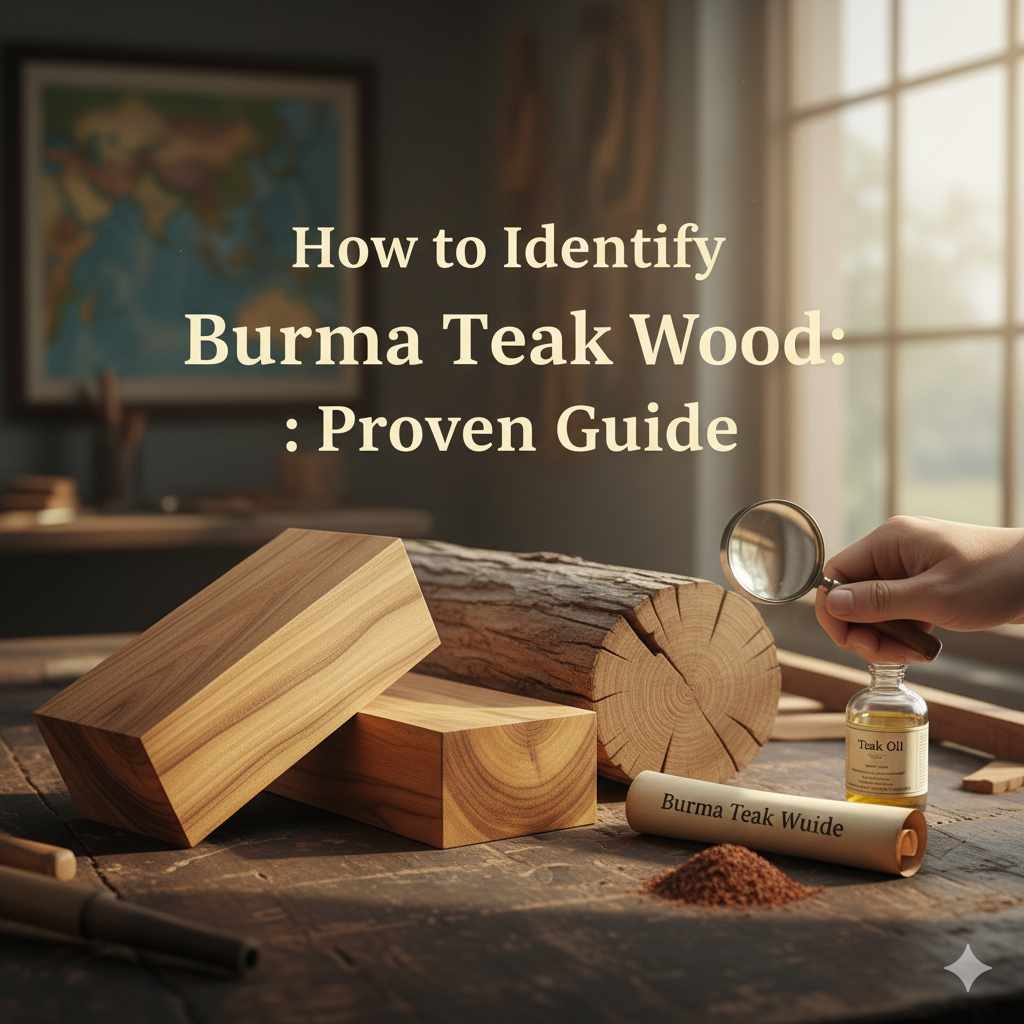
How to Identify Burma Teak Wood: Proven Guide
Identify Burma teak wood by its rich golden-brown color, distinct grain patterns, smooth feel, unique oily scent, and superior durability. Look for official grading stamps and reputable sources as cheaper imitations abound.
Ever admired a stunning piece of furniture or flooring and wondered about the wood it’s made from? Teak wood often gets mentioned for its beauty and strength, but not all teak is created equal. Burma teak, also known as genuine teak or Moulmein teak, is the gold standard. Unfortunately, it’s also the most likely to be faked. Knowing how to spot the real deal can save you a lot of money and disappointment. Don’t worry, identifying Burma teak isn’t as tricky as it sounds! With a few simple tips, you’ll be able to tell genuine teak apart from its imposters. Ready to become a teak detective? Let’s dive into how to identify Burma teak wood with confidence.
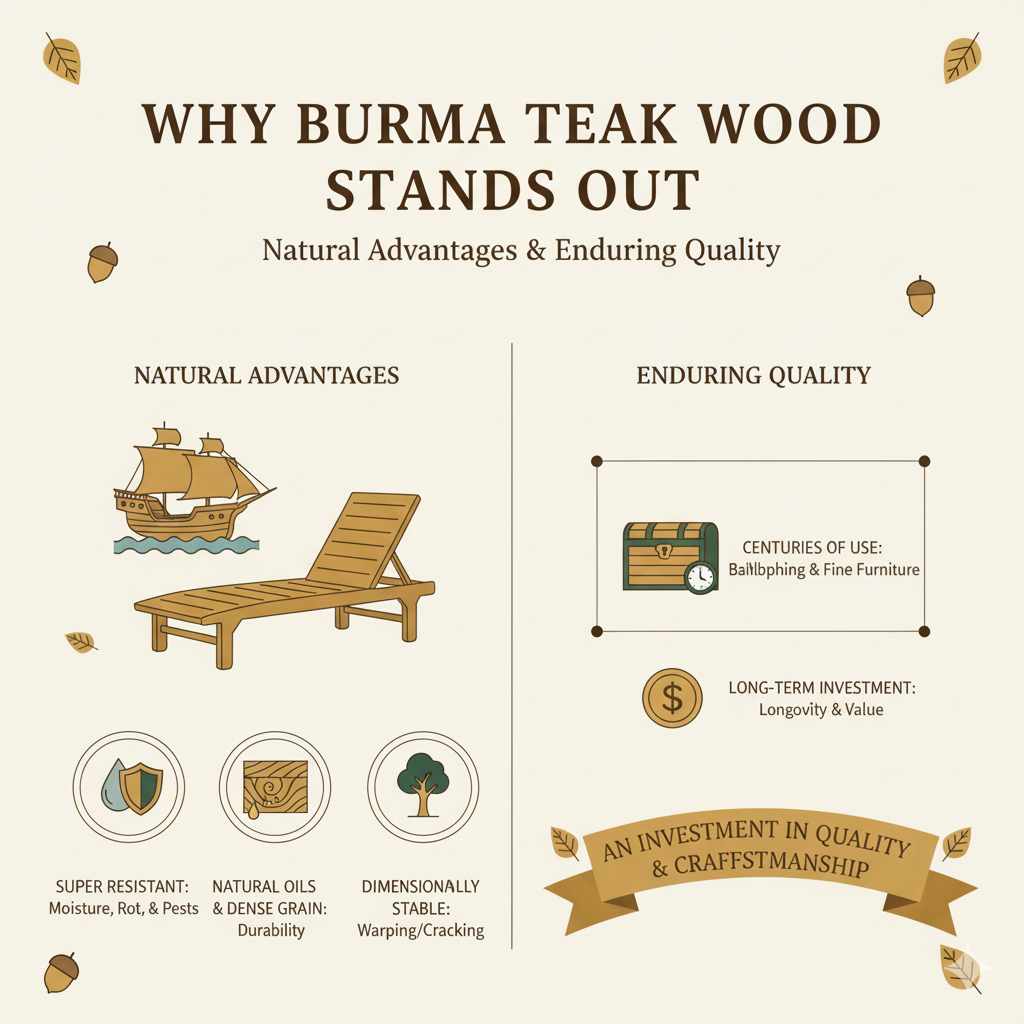
Why Burma Teak Wood Stands Out
Burma teak (Tectona grandis) is renowned globally for a reason. For centuries, it’s been the preferred timber for shipbuilding, high-end furniture, and outdoor applications. Its exceptional qualities come from its natural oils and dense cell structure, making it remarkably resistant to moisture, decay, and pests. Unlike many other hardwoods, teak doesn’t warp, crack, or swell easily, even when exposed to harsh elements. This makes it incredibly durable and low-maintenance, which is a big win for any project.
Think about it: ships have sailed the seas for hundreds of years using teak decks, and antique teak furniture still graces homes today, looking as good as new. That kind of longevity is what sets Burma teak apart. It’s not just beautiful; it’s an investment in quality and enduring craftsmanship.
Key Characteristics of Genuine Burma Teak Wood
Let’s break down the tell-tale signs that indicate you’re looking at true Burma teak. These features, when observed together, provide a strong case for authenticity.
1. Color and Grain: The Visual Clues
Genuine Burma teak typically boasts a beautiful, rich golden-brown color. Freshly cut teak can be lighter, with a yellowish hue, but it darkens to a warm, deep brown as it ages and is exposed to air and light. You might notice darker streaks running through the wood, which add to its character and visual appeal.
The grain pattern of teak is generally straight but can sometimes be slightly wavy or interlocked. It’s known for having a coarse, uneven texture. What’s particularly distinctive about teak’s grain is the presence of dark spots or resinous deposits, often referred to as ‘cathedral’ patterns, which are a hallmark of high-quality teak.
2. Texture and Feel: Smooth Yet Oily
When you touch good quality teak, it feels smooth, almost waxy or oily. This is due to the natural silica content and oils present in the wood. This oily feel is a major reason why teak is so resistant to water and insects. It doesn’t feel harsh or splintery like some other woods; instead, it has a luxurious, substantial feel to it.
3. The Distinctive Scent: A Whiff of Authenticity
This is a fascinating and often overlooked characteristic. Genuine teak wood has a unique, earthy, and somewhat leathery scent. When you sand or cut teak, this aroma becomes more pronounced. It’s not a strong, pungent smell, but rather a subtle, pleasant fragrance that many woodworkers recognize instantly. If a wood smells strongly of pine or something artificial, it’s a red flag.
4. Weight and Density: Solid and Substantial
Burma teak is a dense hardwood. A piece of genuine teak will feel surprisingly heavy and solid for its size. This density contributes significantly to its durability and resistance to damage. If you’re comparing two pieces of wood of the same dimensions, and one feels noticeably lighter, it’s likely not genuine teak.
To give you a better idea of its density, here’s a comparison with other common hardwoods:
| Wood TypeJanka Hardness (Pounds-force)Specific Gravity (approx.) | ||
|---|---|---|
| Burma Teak | 1000-1150 | 0.65 – 0.75 |
| White Oak | 1360 | 0.75 |
| Mahogany | 800-1000 | 0.50 – 0.60 |
| Pine (Southern Yellow) | 690-870 | 0.45 – 0.55 |
Notice that while teak is not the absolute hardest wood (like White Oak), its combination of hardness, density, and natural oils makes it exceptionally well-suited for its intended uses. The Janka hardness test measures the resistance of wood to denting and wear. Specific gravity gives an indication of density.
5. Durability and Resistance: The Ultimate Test
As mentioned, teak’s primary selling point amongst hardwoods is its incredible resilience. It naturally repels water, insects, and rot. This is due to high levels of natural oils and a dense cellular structure. For outdoor furniture, boat decks, or any application exposed to the elements, this resistance is invaluable. Woods that easily rot or succumb to termites are clearly not teak.
Check the Wood Properties Handbook from the U.S. Forest Products Laboratory for detailed technical information on wood properties, which often includes data on decay resistance and other factors that contribute to durability.
Common Imitations and How to Spot Them
The high cost and demand for Burma teak mean there are plenty of look-alikes designed to trick unsuspecting buyers. Here are some common imposters and how to differentiate them:
1. Plantation-Grown Teak (or “Cultured Teak”)
Often, wood sold as “teak” actually comes from faster-growing plantations. While it might be Tectona grandis, it’s typically harvested much younger. This results in:
- Lighter color, often a pale yellow to light brown.
- Faster-growing trees tend to have wider growth rings and a less dense structure.
- Less natural oil, making it less resistant to rot and insects.
- A less pronounced oily feel and scent.
While still a decent wood, it doesn’t possess the same premium qualities or longevity as naturally grown Burma teak. It’s a good compromise for some budgets, but it’s important to know you’re not getting the traditional, old-growth variety.
2. Other Woods Finished to Look Like Teak
Many other woods can be stained and finished to mimic the appearance of teak. These include:
- Mahogany: Can have a reddish-brown color and is often used as a substitute. However, it lacks the oily feel and distinctive scent of teak.
- White Oak or Red Oak: Can be stained to a golden-brown, but their grain patterns and density are different. Oak feels coarser and doesn’t have the oily character.
- Iroko (African Teak): Sometimes called “African Teak” or “Kopanis,” Iroko is often used as a budget substitute. It’s a durable wood but is lighter in color (often yellowish-brown) and feels less oily. Its grain is more uniform and it lacks the distinct aroma of true teak.
- Bamboo: While often used in outdoor furniture for its sustainability, it’s a grass, not wood, and has a completely different structure and feel.
The key here is that imitation woods won’t have the complete package: color, grain, feel, scent, and density. They might mimic one or two, but rarely all.
How to Buy with Confidence: Tips for Consumers
Purchasing teak, especially Burma teak, requires a bit of savvy. Here’s how to ensure you’re getting the genuine article:
1. Source from Reputable Dealers
This is the most crucial step. Buy from lumberyards, furniture makers, or retailers with a long-standing reputation for quality and honesty. Ask questions! A good dealer will be knowledgeable about their teak’s origin and grading.
2. Look for Official Grading and Certifications
Genuine Burma teak, especially when harvested from managed forests, may come with certifications or grading stamps. While less common in consumer retail, it’s more likely for large lumber orders. Look for:
- FSC (Forest Stewardship Council) Certification: This indicates the wood comes from responsibly managed forests.
- Specific Grading Stamps: In some regions, teak logs and lumber are graded based on quality. While you might not see this directly on furniture, it’s a sign of a seller who deals with high-quality timber.
Be wary of vague descriptions like “teak-like,” “teak finish,” or “tropical hardwood.” Insist on “Burma Teak,” “Genuine Teak,” or “Tectona grandis.”
3. Understand Pricing
Burma teak is expensive, and for good reason. If a deal seems too good to be true, it almost certainly is. Significantly lower prices compared to other reputable sources are a major warning sign that you’re probably looking at a substitute.
4. Ask About Origin
Genuine Burma teak traditionally comes from Myanmar (formerly Burma). While teak does grow in other tropical regions, it’s the Burmese variety that holds the highest regard for its quality and longevity. Legally sourced timber from Myanmar should be accompanied by documentation.
5. Test if Possible (Carefully!)
If you’re buying lumber, especially in larger quantities, you might be able to take a small sample for testing. Sanding a small area will reveal the true color and release the characteristic scent. You can also test its weight. For furniture, look for solid construction and consistent grain patterns across all visible surfaces. If veneer is used, it should be thick and of high quality.

Common Questions About Burma Teak Wood
Here are some questions beginners often ask:
Q1: What is the primary advantage of using Burma teak?
A1: Its exceptional durability, natural resistance to water, rot, and insects, elegant appearance, and longevity make it a superior choice for furniture, decking, and other demanding applications.
Q2: Can teak wood be easily scratched?
A2: While durable, teak can be scratched or dented, especially softer grades or younger wood. However, its natural oils and density help it resist deep damage better than many other woods. Minor scratches can often be buffed out or addressed with sanding.
Q3: How should I care for teak wood furniture?
A3: For outdoor furniture, it’s often best to let it weather to a silvery-gray patina. For indoor use or to maintain its golden-brown color, you can clean it with mild soap and water and apply a teak oil or sealer annually. Avoid harsh chemicals.
Q4: Is all wood called “teak” really teak?
A4: No, unfortunately, many woods are marketed as teak when they are not. Always look for “Burma Teak” or “Genuine Teak” and buy from trusted sources. Be suspicious of unusually low prices.
Q5: Does teak contain any harmful chemicals?
A5: Naturally occurring oils in teak are generally considered safe. Teak is a natural product and is not treated with harsh chemicals like some processed woods. Its natural resistance means it typically doesn’t need chemical treatments.
Q6: What’s the difference between solid teak and teak veneer?
A6: Solid teak is made entirely of teak wood. Teak veneer uses a thin layer of genuine teak bonded to a less expensive core material. Solid teak is more durable and valuable, while veneer offers the look of teak at a lower cost but is more prone to damage if the veneer layer is thin.
Q7: Can I identify teak just by looking at it online?
A7: It’s very difficult to be certain just from online photos. Always try to see the wood in person, or buy from retailers that provide detailed, high-resolution images and clear, verifiable descriptions of origin and authenticity.
Conclusion: Your Teak Expertise Starts Now!
Identifying Burma teak wood doesn’t require a degree in forestry, but it does require paying attention to a few key characteristics: its rich golden-brown color, straight to wavy grain with dark streaks, smooth, oily feel, distinct leathery scent, and substantial weight. By combining these visual and tactile clues with a keen eye for pricing and a commitment to sourcing from reputable dealers, you’ll be well-equipped to distinguish genuine teak from its many imitations.
Remember, the investment in true Burma teak pays dividends in beauty, durability, and lasting value. Don’t be afraid to ask questions and trust your senses – in time, you’ll develop a keen eye for this magnificent wood. Happy woodworking, and may your projects be built with the finest materials!